

Understanding Bearing Internal Geometry and Its Impact on Performance
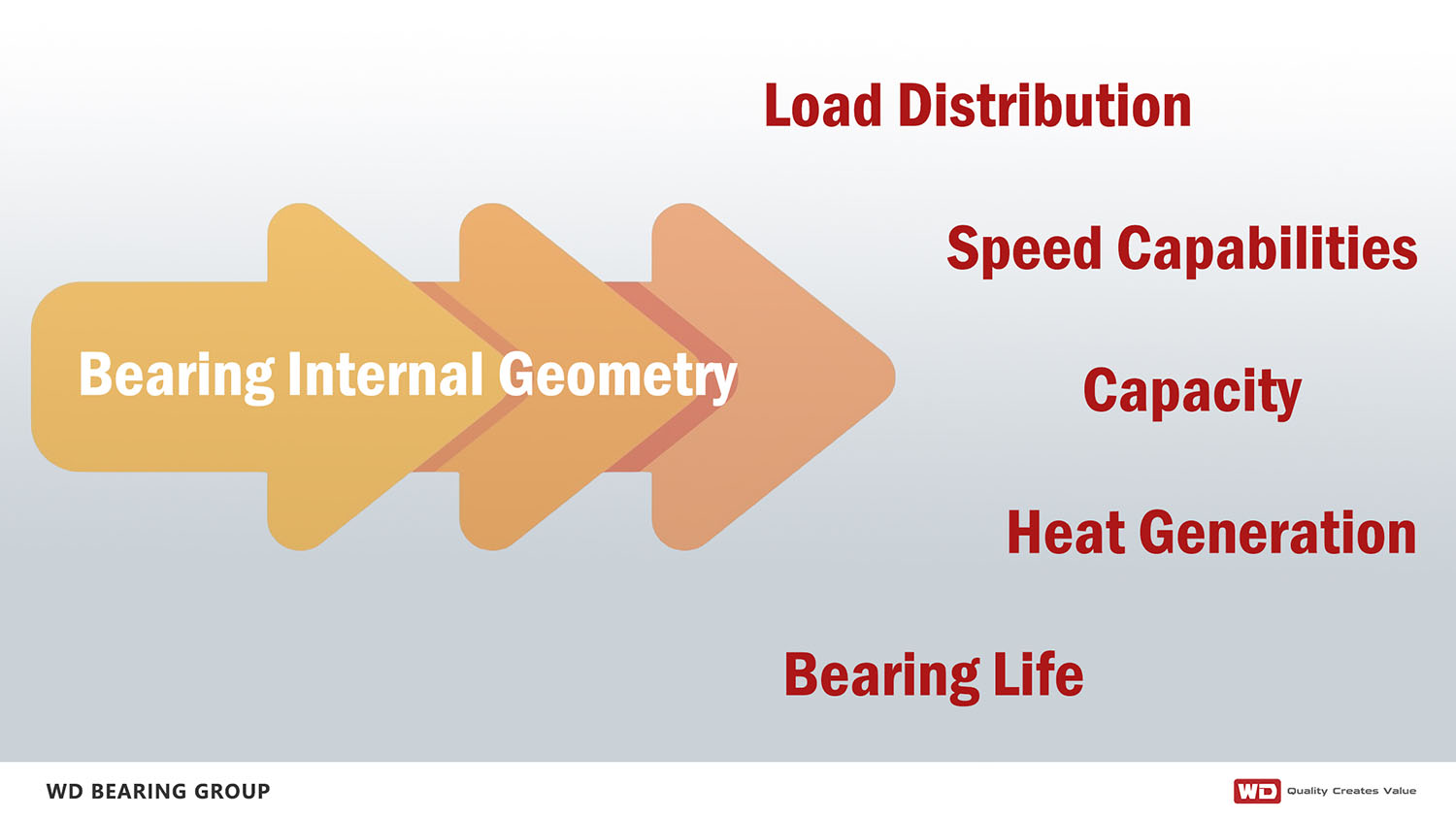
Bearings are critical components in mechanical systems, and their internal geometry directly determines their overall performance. This article explores the key components of bearing internal geometry and discusses how these geometric features influence load distribution, load capacity, speed performance, heat generation, and bearing lifespan.
1. Key Components of Bearing Internal Geometry
The internal geometry of bearings comprises several crucial elements, including rolling elements (e.g., rollers or balls), inner and outer rings, cages, and lubrication pathways. The dimensions, shapes, and relative positions of these components collectively define the performance of the bearing. A precisely designed internal geometry ensures that all parts work harmoniously during operation, maximizing efficiency and functionality.
For instance, rolling elements must roll smoothly along the inner and outer rings, with their size and shape influencing contact area and load distribution. The cage holds the rolling elements in place, preventing collisions and guiding their rotation to minimize friction and wear.
2. Impact of Geometry on Load Distribution and Load Capacity
The internal geometry of bearings directly affects how loads are distributed between rolling elements and raceways. Well-designed geometries ensure even load distribution, reducing stress concentration and localized wear.
For example, the diameter of the rolling elements significantly impacts the bearing's load capacity. Larger rolling elements distribute the load more effectively, enhancing the bearing's ability to handle heavier forces.
In high-load applications such as heavy machinery or automotive engines, precise internal geometry design is essential to withstand these forces without compromising stability or performance.
3. Influence on Speed Performance and Heat Generation
The geometric design of bearings also plays a critical role in speed performance. At high speeds, friction between rolling elements and raceways generates heat, which can cause wear and reduce efficiency. The shape and arrangement of internal components impact the bearing's high-speed performance.
Optimized designs minimize friction and enhance fluid dynamics, enabling better performance at high speeds. Advanced internal geometries also facilitate efficient heat dissipation, reducing the risk of overheating. Conversely, poorly designed geometries can increase friction or hinder lubricant flow, resulting in excessive heat generation and potential failures.
4. Geometry and Bearing Lifespan
The internal geometry of a bearing is directly linked to its service life. Properly designed geometries reduce friction and wear during operation, extending the bearing's lifespan. Optimized rolling element and raceway shapes and dimensions enable bearings to endure prolonged loads and high-speed conditions with minimal degradation.
For instance, advanced designs can effectively handle uneven loads and high-frequency vibrations, enhancing durability. Conversely, poorly designed geometries may accelerate wear and increase the risk of premature failure.
Additionally, lubrication pathways and cage designs play crucial roles in minimizing friction and protecting rolling elements from damage. By ensuring even lubricant distribution and reducing metal-to-metal contact, internal geometry contributes to longer bearing life, even under extreme conditions.
Conclusion
In summary, the internal geometry of bearings is a critical factor influencing their performance. Optimized geometric designs improve load capacity, speed performance, and lifespan. Understanding how internal geometry affects load distribution, heat generation, and durability is essential for designing bearings that meet diverse application requirements, from high-speed machinery to heavy industrial equipment.
By gaining insights into bearing internal geometry, manufacturers can develop more efficient, durable, and reliable products. This understanding ultimately leads to better product design, reduced maintenance needs, and enhanced performance across industries.