

Preventing Bearing Failures: Best Practices for Maintenance
Bearings are the unsung heroes of machinery, enabling smooth, efficient, and reliable operation across countless industries. However, bearing failures are a frequent issue that can disrupt production, increase downtime, and lead to costly repairs. The good news is that most bearing failures can be prevented with proper maintenance practices and attention to detail.
This comprehensive guide explores the causes of bearing failures and provides actionable solutions to ensure the longevity and reliability of your bearings.
Understanding the Common Causes of Bearing Failures
To effectively prevent bearing failures, it’s crucial to understand their root causes. Here are some of the most common reasons:
1. Improper Installation
Misaligned bearings, damaged housing or shafts, and improper fitting methods can all lead to uneven stress distribution and premature failure. A lack of knowledge about the correct installation process often exacerbates these issues.
2. Inadequate or Incorrect Lubrication
Insufficient lubrication, contamination of the lubricant, or using the wrong type of lubricant are major contributors to bearing failure. Without proper lubrication, metal-to-metal contact occurs, causing excessive wear, heat generation, and eventual failure.
3. Contamination
Dirt, moisture, and other foreign particles can infiltrate bearings, leading to surface damage, corrosion, and reduced efficiency. Contamination is particularly problematic in industries where bearings are exposed to harsh environments, such as construction or agriculture.
4. Excessive Loads and Fatigue
Bearings are designed to handle specific load capacities. When subjected to loads that exceed their design limits—whether radial, axial, or combined—it can lead to fatigue and cracks in the material.
5. Poor Maintenance Practices
Neglecting routine inspections, failing to replace worn components, and improper storage of bearings can accelerate wear and tear, reducing their operational lifespan.
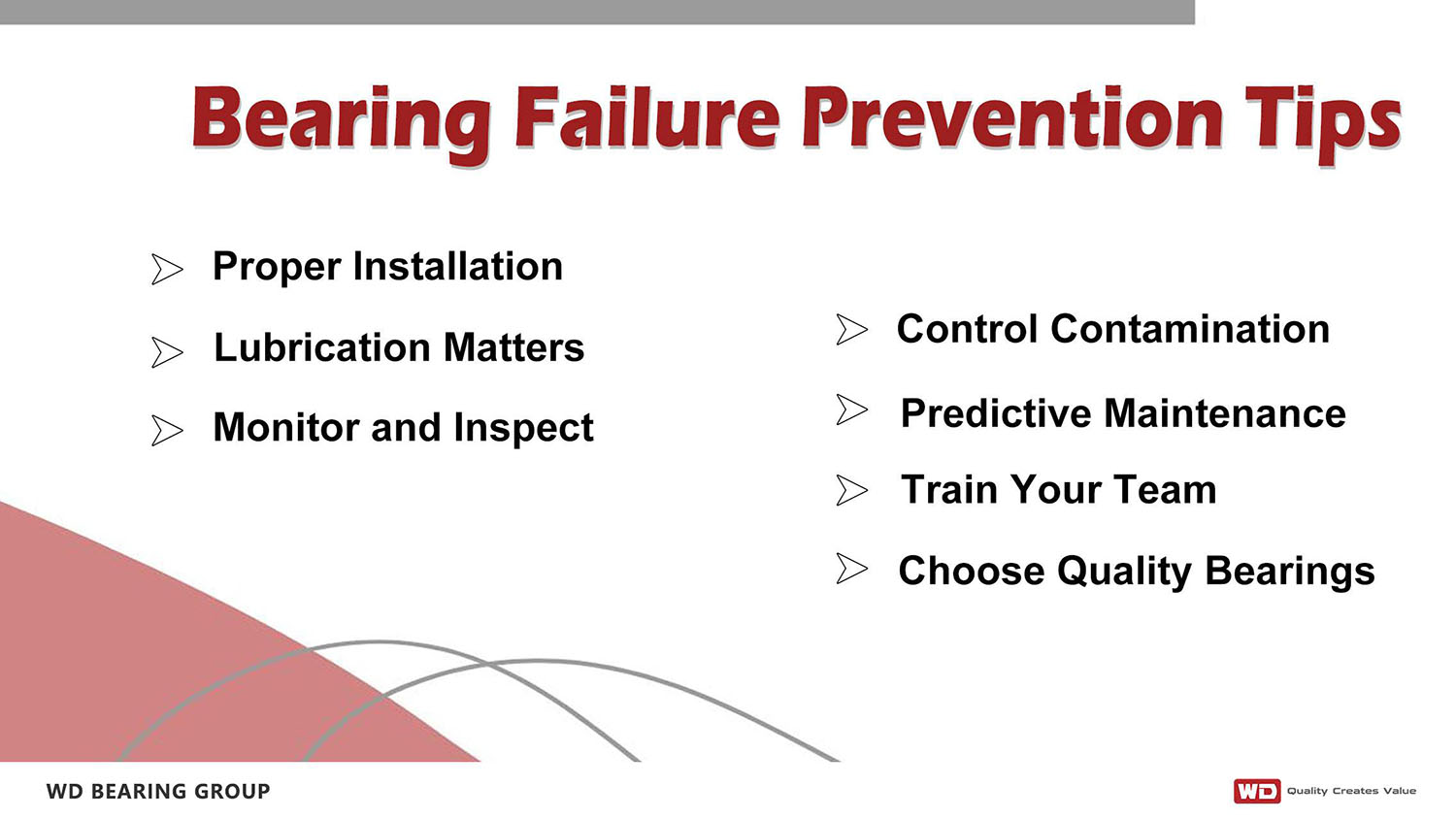
Best Practices for Preventing Bearing Failures
Now that we understand the common causes, let’s delve into actionable steps to prevent these issues and ensure optimal bearing performance.
1. Proper Installation Techniques
Correct installation is the foundation for bearing reliability. Following these best practices can make a significant difference:
● Inspect Before Installation: Ensure that all components, including the shaft, housing, and bearing itself, are free of damage or debris.
● Use Proper Tools: Avoid hammering bearings into place, which can damage the races or rolling elements. Instead, use specialized bearing installation tools or induction heaters for interference fits.
● Align Carefully: Misalignment is a leading cause of uneven wear. Use alignment tools or follow the manufacturer’s guidelines to achieve proper positioning.
● Follow Manufacturer Specifications: Always adhere to the recommended tolerances for shaft and housing fits, as improper fits can lead to excessive play or stress.
2. Lubrication: The Lifeblood of Bearings
Lubrication is essential for reducing friction, dissipating heat, and preventing wear. Implementing an effective lubrication strategy can significantly extend bearing life.
● Choose the Right Lubricant: Select a lubricant that matches your bearing type, operating conditions, and load requirements. Consider factors such as temperature range, speed, and environmental exposure.
● Create a Lubrication Schedule: Regularly apply lubricant according to the manufacturer’s guidelines. Over-lubrication can be as harmful as under-lubrication, leading to excess heat and pressure buildup.
● Monitor Lubricant Quality: Inspect lubricants for contamination, discoloration, or changes in viscosity, which may indicate wear or the presence of foreign particles.
● Use Automatic Lubrication Systems: In applications requiring constant lubrication, automated systems can ensure consistent and precise application without the risk of human error.
3. Implement Monitoring and Inspection Procedures
Routine monitoring is a proactive approach to identifying issues before they lead to failure. Effective inspection practices include:
● Vibration Analysis: Abnormal vibrations can indicate misalignment, imbalance, or early signs of wear. Regular vibration monitoring can help detect problems at an early stage.
● Thermal Imaging: Elevated temperatures can be a sign of inadequate lubrication or excessive loads. Infrared thermography can help pinpoint overheating issues.
● Auditory Monitoring: Changes in operational noise, such as grinding or squealing, may signal damage to the rolling elements or raceways.
● Visual Inspections: Regularly check for signs of wear, such as surface cracks, corrosion, or discoloration, which may indicate overheating or contamination.
4. Focus on Cleaning and Contamination Control
Contamination is a common and preventable cause of bearing failure. Simple steps can go a long way in ensuring a clean operating environment for your bearings:
● Proper Storage: Store bearings in their original packaging in a clean, dry, and temperature-controlled environment. Avoid exposing them to dust, moisture, or corrosive substances.
● Seal Effectively: Use seals or shields appropriate for your application to prevent dirt, water, and other contaminants from entering the bearing.
● Clean Equipment Thoroughly: Before installation, clean all components and tools to avoid introducing contaminants into the bearing system.
● Minimize Handling: Limit direct handling of bearings to reduce the risk of introducing contaminants such as oil or dirt from hands or gloves.
5. Adopt Predictive Maintenance Strategies
Predictive maintenance leverages advanced technologies to monitor the condition of bearings in real-time, enabling early detection of potential issues.
● Condition Monitoring: Use sensors to track parameters such as temperature, vibration, and lubricant condition.
● Data Analysis: Advanced analytics can help predict bearing performance trends and recommend maintenance actions.
● AI and IoT Integration: Internet of Things (IoT) devices and artificial intelligence (AI) systems can automate data collection and analysis, providing actionable insights to optimize bearing performance.
6. Train Personnel
Proper training is essential to ensure that maintenance and operational teams understand the best practices for bearing care.
● Educate staff on installation techniques, lubrication methods, and monitoring procedures.
● Conduct regular refresher courses to keep the team updated on the latest technologies and practices.
● Promote a culture of proactive maintenance to minimize reactive repairs.
7. Use High-Quality Bearings
Investing in high-quality bearings from reputable manufacturers ensures superior performance and reliability. WD, for example, offers a range of durable and precision-engineered bearings that meet the demands of various applications.
● Premium Materials: Bearings made from high-quality steel and advanced materials resist wear, corrosion, and fatigue.
● State-of-the-Art Manufacturing: Modern production processes ensure consistent quality and performance.
● Custom Solutions: Tailored bearings can address specific challenges in your application, from heavy loads to extreme temperatures.
Conclusion: The Path to Reliable Bearings
Preventing bearing failures isn’t just about fixing problems when they arise—it’s about creating a maintenance culture that prioritizes proactive care and attention to detail. By understanding the common causes of bearing failures and implementing the best practices outlined here—proper installation, effective lubrication, regular monitoring, contamination control, and predictive maintenance—you can ensure the longevity and reliability of your bearings.
At WD, we are committed to helping our customers achieve optimal performance through high-quality products and expert guidance. Partner with us to discover tailored solutions that keep your operations running smoothly.