10 tips Ceramic Angular Contact Bearings in 2025 Service
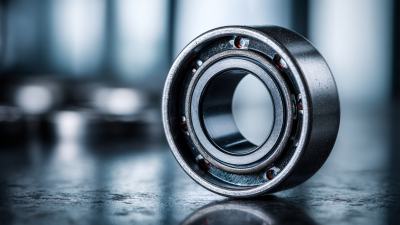
As we look ahead to 2025, the demand for high-performance ceramic angular contact bearings will continue to rise across various industries, including material handling, agriculture, construction, pumps, compressors, gearboxes, and electric motors. These bearings are essential for operations requiring precision and durability, particularly in environments with high rotational speeds and heavy loads. Here are ten tips to consider when selecting and utilizing ceramic angular contact bearings for your business. First, prioritize suppliers with a strong reputation for quality and innovation. WD Bearings has consistently delivered exceptional products to OEMs worldwide, investing in advanced machining equipment and professional bearing software to ensure top-tier performance. When sourcing bearings, check if the supplier employs highly skilled employees who specialize in bearing design and manufacturing, as their expertise can significantly affect the lifespan and reliability of the products. Next, focus on the specific requirements of your application, including load capacity, speed, and environmental conditions. Ceramic bearings offer advantages like reduced weight, lower friction, and enhanced resistance to corrosion and wear. Be sure to choose a supplier that can provide bearings tailored to your unique demands. As you navigate the global marketplace for ceramic angular contact bearings, consider these factors to enhance your operations and achieve a competitive edge in your industry.
10 Tips for Ceramic Angular Contact Bearings in 2025 Service
| Tip No. | Tip Description | Expected Impact | Frequency of Maintenance |
| 1 | Regular Lubrication | Reduces friction and wear | Every 6 months |
| 2 | Temperature Monitoring | Prevents overheating | Continuous |
| 3 | Vibration Analysis | Identifies misalignment | Monthly |
| 4 | Clean Environment | Reduces contamination | Ongoing |
| 5 | Use Quality Materials | Enhances durability | At purchase |
| 6 | Inspect Installation | Ensures proper setup | At installation |
| 7 | Load Management | Prevents overload | Daily monitoring |
| 8 | Regular Training | Improves handling skills | Annually |
| 9 | Monitor Noise Levels | Detects abnormalities | Monthly |
| 10 | Use of Sensor Technology | Facilitates predictive maintenance | Continuous |