 When it comes to industrial applications, Contact Ball Bearings are pretty much essential for boosting both efficiency and reliability in various sectors. I read a recent market report from Research and Markets that estimates the global bearings market—including contact ball bearings—could hit around $90 billion by 2025. That’s mainly because automation is on the rise, and everyone’s demanding higher-performance machinery. At WD Bearing Group, we’re well aware of this trend. That’s why we focus on providing top-quality bearings to OEMs in industries like material handling, agriculture, and construction. We’re always investing in the latest machining tech and developing professional-grade bearing software to keep up with the tough demands of today’s industries. As these sectors keep evolving, understanding the advantages of Contact Ball Bearings becomes super important for getting the best performance and making equipment last longer.
The Importance of Contact Ball Bearings in Enhancing Industrial Efficiency
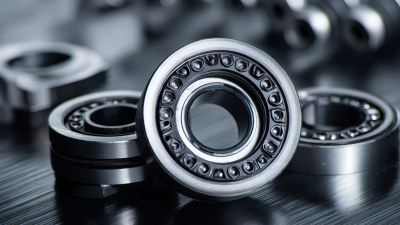
Contact ball bearings are pretty essential when it comes to boosting industrial efficiency—they help cut down friction and keep things running smoothly between moving parts. These little guys are designed to handle both radial and axial loads, which means machinery can perform at its best without a hitch. Plus, by reducing wear and tear on the parts, contact ball bearings really help extend the lifespan of your equipment. That ultimately means fewer repairs and less downtime, which we all know is a big win.
When you're picking out contact ball bearings, it’s a good idea to think about your working environment—stuff like temperature, humidity, and whether there’s dust or dirt around. These factors can impact how well the bearings work. Also, make sure the bearing's load capacity fits what your machinery needs; going too small or too big can lead to early failures. And don’t forget, doing regular checks can catch wear early on, keeping everything running smoothly over time.
Investing in good quality contact ball bearings can actually save you some cash in the long run. They boost machine reliability and even help save energy thanks to their efficient design. That means lower operating costs and a more eco-friendly production process—all around, a smart move for any industrial setup.
Oh, and a quick tip—be sure to follow the manufacturer’s instructions when installing and lubricating these bearings. Keeping a log of how your equipment performs can also be super helpful. It can alert you to any weird behaviors early before things get serious.
The Ultimate Guide to Understanding the Benefits of Contact Ball Bearings in Industrial Applications
| Application Area | Benefits of Contact Ball Bearings | Efficiency Improvement (%) | Common Materials |
| Automotive Industry | Reduced friction and wear | 15% | Steel, Ceramic |
| Aerospace | Weight reduction and high precision | 20% | Titanium, Aluminum |
| Manufacturing | Increased durability and lifespan | 10% | Stainless Steel, Plastic |
| Mining and Construction | Enhanced load handling capacity | 25% | High-carbon Steel |
| Energy Sector | Lower operational costs | 12% | Nickel Alloys, Polymer Composites |
Key Performance Metrics: Comparing Contact Ball Bearings to Other Bearing Types
When you're looking into performance metrics for industrial stuff, contact ball bearings really stand out—they’re known for being super efficient and reliable. I came across a recent report from the International Journal of Engineering Research that says these bearings can cut down friction by up to half compared to the old-school types. That’s a big deal because it means you save energy and hopefully get a longer lifespan out of your equipment. They’re also pretty impressive when it comes to handling loads—they can take both radial and axial forces—making them perfect for heavy-duty machinery or even high-speed stuff.
A quick tip: When you're choosing which bearing to go with, think about your specific operational needs and the kind of loads you'll be dealing with. Contact ball bearings tend to shine in setups where perfect alignment is key—like in robotics or aerospace projects.
Another thing to keep in mind is their temperature tolerance. According to the Bearing Specialists Association, these bearings can handle pretty extreme temps—down to -40°F and up to 250°F—and they perform better than plain bearings in this regard. That kind of thermal stability is crucial, especially when you're working with processes that involve temperature swings, because it means your equipment keeps running smoothly without needing constant fixing.
And hey, don’t forget that regular maintenance and good lubrication can really extend their lifespan. It’s all about keeping them in good shape so they work efficiently, even when under a lot of stress or heavy loads.
Understanding Load Capacity: How Contact Ball Bearings Handle Heavy Loads
Contact ball bearings are pretty crucial when it comes to industrial stuff, especially if you're dealing with heavy loads. They’re built to handle both radial and axial forces, which makes them super important in high-load situations. Knowing their load capacity is key to making sure they perform well and last longer. Basically, they spread out the load evenly across their surfaces, helping to cut down on wear and lowering the chances of something going wrong.
When you're thinking about using contact ball bearings, it’s really important to pay attention to their load ratings. These ratings tell you the maximum weight they can handle without losing performance. Also, picking the right material, like hybrid designs, can really boost their ability to handle heavier loads, especially under different working conditions.
Pro tip: Always check with the manufacturer to get the right load specs for your particular setup. Keeping up with regular maintenance and inspections can catch potential problems early on before they get worse. And don’t forget to consider environmental factors like temperature and cleanliness—these can really impact how well your bearings work. Following these simple tips can help you get the most out of your contact ball bearings and extend their lifespan in industrial environments.
Noise and Vibration Reduction: The Role of Contact Ball Bearings in Smooth Operations
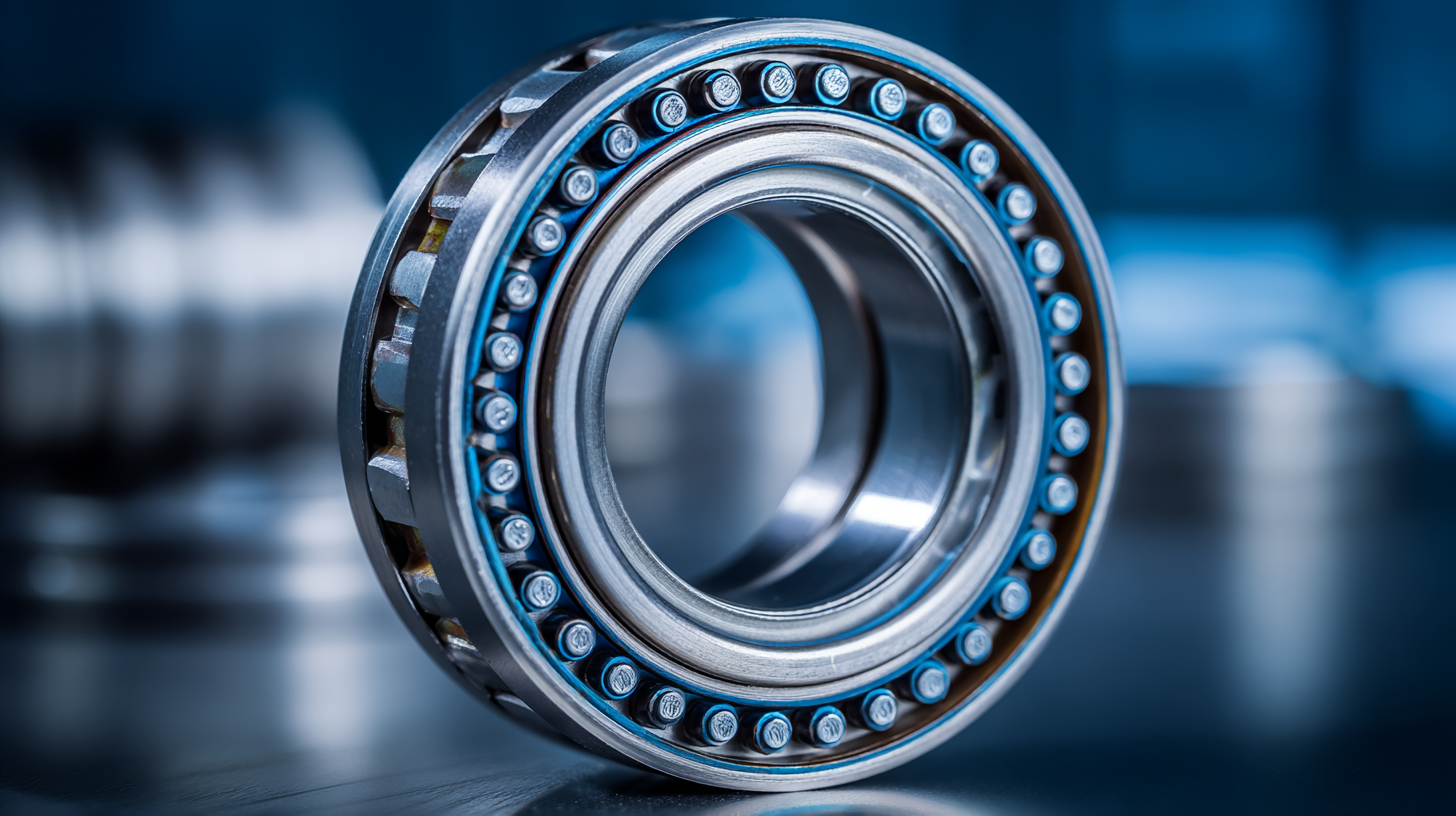 Contact ball bearings are pretty crucial when it comes to cutting down noise and vibrations in a bunch of industrial setups. They really help keep things running smoothly and help extend the life of the equipment. Lately, I've been reading up on how vibrational analysis is becoming a real game-changer for diagnosing issues in deep-groove ball bearings. When these bearings face radial loads, they can wear out faster or even fail early, which then leads to more noise and some annoying operational hiccups. Using predictive models to analyze vibrations is a smart move—companies can spot potential failures early on, saving a lot of headaches and costs down the line. It’s all about keeping systems safe and precise.
Plus, there are some exciting innovations, like textured surfaces on bearings, that are showing real promise in reducing wear and friction—especially in dirty, contaminated environments. These tech tweaks not only boost how well bearings perform dynamically but also help in cutting down noise. Focusing on these kinds of advancements means industries can run more efficiently and reliably. With demand for ball bearings rising, tackling noise and vibration issues is more important than ever. Manufacturers are on the lookout for solutions that keep disruptions to a minimum—ultimately saving money and boosting productivity.
Cost-Effectiveness: Long-Term Savings Through Reduced Maintenance with Contact Ball Bearings
In the world of industrial stuff, contact ball bearings really shine as a key part that helps cut down costs by needing less maintenance. They’re great at reducing downtime because they wear out less quickly, which adds up to some serious long-term savings. If you look at industry forecasts, the automotive bearing market is expected to hit around $12.82 billion by 2032. There's a big hype around bearings for electric vehicles (EVs) these days, highlighting how companies are leaning more on high-performance parts to boost efficiency and cut costs.
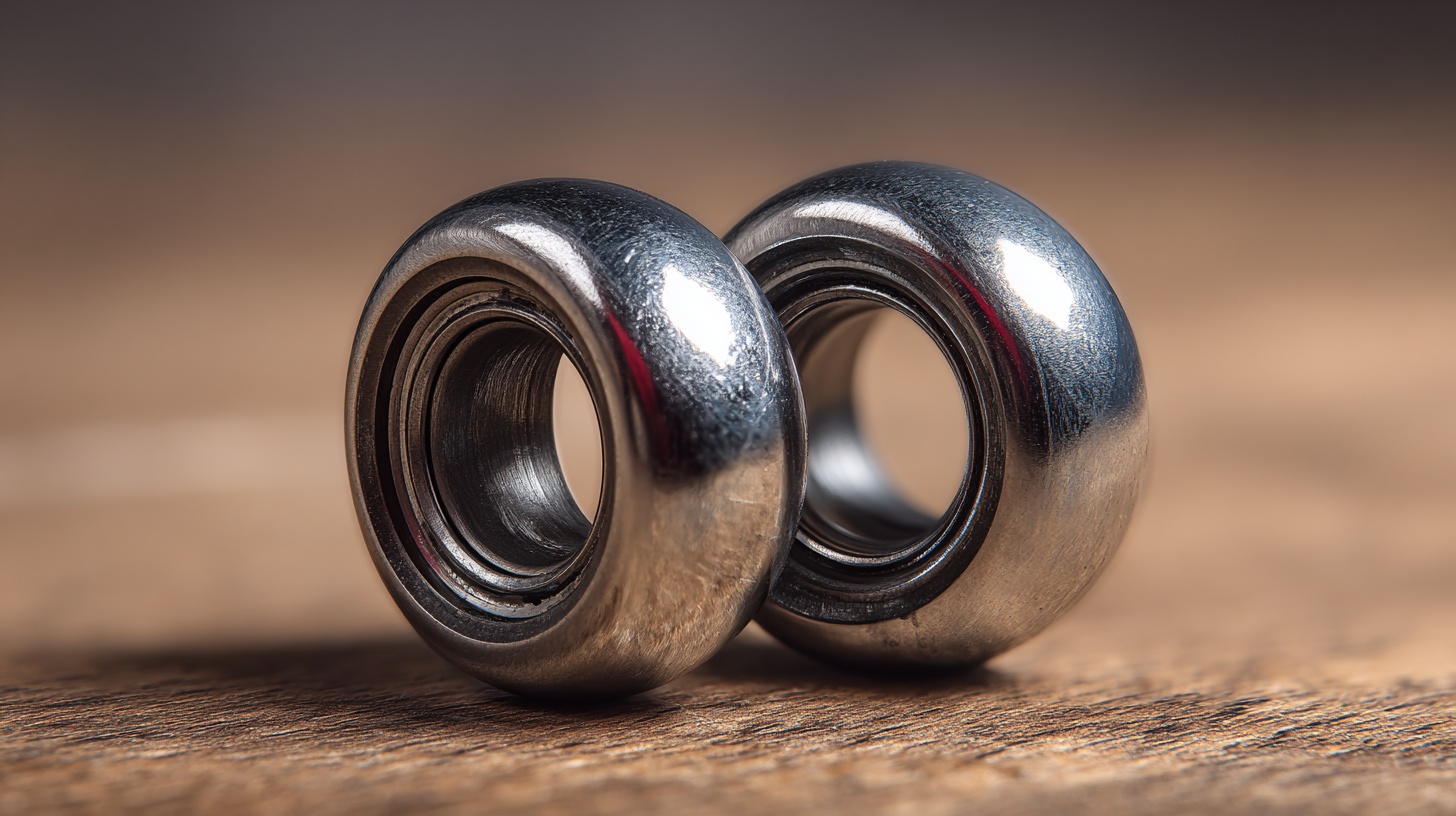
On top of that, using contact ball bearings across different industries—like aerospace and freight—is actually changing how equipment is designed. Take freight wagons, for example; recent upgrades are aimed at packing more load while keeping things energy-efficient and competitive in the rail game. Adding these bearings not only makes it easier to handle heavier loads but also helps machinery last longer, which lines up perfectly with everyone’s goal of being more sustainable and saving money in the long run. As businesses look for ways to get more out of their gear and lower their operating costs, jumping on the contact ball bearings bandwagon just makes sense—it’s a smart move financially, for sure.
Application Areas: Industries Where Contact Ball Bearings Excel
Contact ball bearings are pretty important in a bunch of industrial settings, especially in industries where precision and dependability are key. Take the automotive world, for instance—these bearings are essential parts of moving components like wheels and engines. They help cut down friction, which not only boosts performance but also helps vehicles last longer. Same goes for manufacturing: you’ll find contact ball bearings running conveyor belts and machinery, making everything run smoother and helping reduce wear and tear over time.
When you're picking out contact ball bearings for your project, it’s a good idea to think about how much load they need to handle and the conditions they'll be working in. Also, don’t forget to add proper lubrication—keeping things well-lubricated is what keeps them running smoothly and prevents early failures.
In robotics and automation stuff, these bearings are super helpful for moving robotic arms and joints. They give you great control and flexibility, which is a huge plus in manufacturing. Plus, because they’re pretty compact, they fit nicely into smaller spaces, letting you design more sophisticated machines without taking up too much room.
Pro tip: If you're dealing with really fast-moving parts, look for specialized contact ball bearings that are built to handle higher speeds without sacrificing durability. And don’t skip regular checkups—staying on top of maintenance can save you from unexpected breakdowns down the line.
Exploring the Benefits and Applications of UC Series Insert Ball Bearings in Modern Machinery
The UC Series Insert Ball Bearings are revolutionizing modern machinery by offering a blend of reliability and ease of use that is essential in today’s fast-paced industrial environment. Designed for applications that demand simple installation and perfect alignment, these bearings feature a self-aligning design that compensates for shaft deflection and misalignment. This capability not only reduces premature wear but also enhances the longevity of the machinery it supports.
Their robust structure is engineered to handle both radial and axial loads, making them ideal for heavy-duty applications such as agricultural machinery and conveyor systems. Additionally, UC Series bearings can be easily installed using set screws, eliminating the need for additional components and minimizing downtime during maintenance. With the option for surface treatments like galvanizing or blackening, these bearings also offer excellent corrosion resistance, ensuring reliable performance even in humid or contaminated environments.
In a world where machinery reliability is paramount, UC Series Insert Ball Bearings stand out as a cost-effective solution that streamlines maintenance procedures and helps manage operational costs. Their high load capacity and durable design make them a preferred choice for businesses looking to enhance the efficiency and durability of their equipment.
FAQS
: Contact ball bearings are known for their efficiency and reliability, capable of reducing friction by up to 50% compared to traditional bearings, leading to energy savings and longer equipment life.
Contact ball bearings have superior load capacity, accommodating both radial and axial loads, making them suitable for heavy machinery and high-speed applications.
Contact ball bearings can function effectively in temperatures ranging from -40°F to 250°F, which is critical for processes involving fluctuating temperatures.
Regular maintenance and proper lubrication can significantly improve the lifespan and efficiency of contact ball bearings, especially under heavy loads.
They play a critical role in reducing noise and vibration, ensuring smoother operations. Predictive models for vibration analysis help diagnose faults and prevent costly failures.
Contact ball bearings are especially beneficial in the automotive, manufacturing, robotics, and aerospace industries, where high precision and reliability are crucial.
Factors such as load-bearing capacity, expected operating conditions, and proper lubrication should be considered to maintain performance and prevent premature failure.
Innovations like textured surfaces can minimize wear and friction, particularly in contaminated conditions, enhancing dynamic performance and reducing noise.
They allow for precise control and flexibility in the movement of robotic arms and joints, and their compact design is ideal for space-limited applications.
Specialized contact ball bearings designed to handle greater rotational speeds should be used, along with regular maintenance checks to prevent unexpected downtime.
Conclusion
When you think about industrial applications, Contact Ball Bearings are honestly pretty essential. They do a great job of handling heavy loads without making too much noise or causing vibrations—that’s why so many industries like agriculture, construction, and material handling rely on them. If you compare their performance metrics, it’s pretty clear they have some real advantages over other types of bearings, especially when it comes to load capacity and operating smoothly.
And honestly, you can’t ignore how budget-friendly these bearings are in the long run. Investing in them often pays off because they tend to need less maintenance over time, saving money down the line. WD Bearing Group, which supplies high-quality bearings to OEMs, really emphasizes how important cutting-edge tech and skilled craftsmanship are in making these components reliable. All in all, Contact Ball Bearings are a must-have for industries that need machinery that’s dependable and performs well day in and day out.