Leave Your Message
0%

In the drilling world, how well things run really depends on the performance of different parts, and the Mud Pump Bearing is kinda one of those crucial pieces. A report from the International Association of Drilling Contractors (IADC) mentions that about 20% of the downtime in drilling ops comes from equipment failures — mainly issues with the mud system. So, taking good care of the mud pump bearing isn’t just about making it last longer; it helps things run smoother overall, which can cut down on costs and keep things moving without hiccups.

Plus, a study from the Society of Petroleum Engineers (SPE) points out that skipping proper maintenance can lead to serious breakdowns, sometimes causing huge financial hits, and even putting workers at risk. When drilling companies really understand how to maintain and monitor those mud pump bearings, they can keep the drilling fluid flowing consistently, get more out of each operation cycle, and improve the whole rig’s performance. With tech in drilling constantly evolving, paying attention to the health of the mud pump bearing isn’t just smart — it’s essential if you want to stay competitive and run things efficiently.
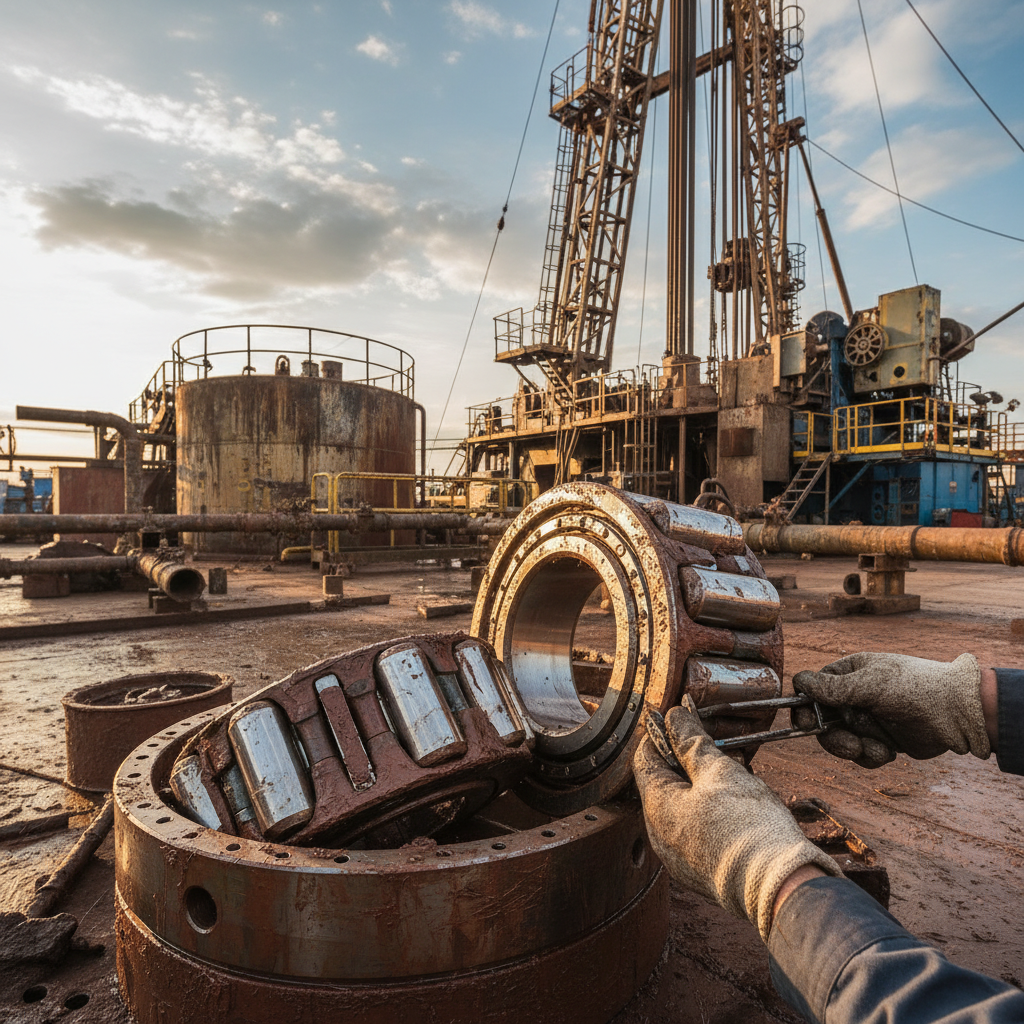
Why Understanding Mud Pump Bearing Maintenance is Essential for Drilling Efficiency

Importance of Regular Bearing Inspection for Optimal Performance

Regular bearing inspection is a critical component of mud pump maintenance, directly influencing drilling efficiency and operational reliability. According to the International Association of Drilling Contractors (IADC), approximately 30% of drilling downtime can be attributed to equipment failure, with a significant portion caused by neglected bearing issues. Bearings subjected to heavy loads and extreme conditions are prone to wear and tear, which can lead to catastrophic failures if not addressed proactively.

Moreover, a report from the Society of Petroleum Engineers (SPE) highlights that scheduled maintenance, including regular bearing inspections, can improve equipment lifespan by up to 40%. This is not just about extending the operational life, but also enhancing overall drilling performance. Implementing a rigorous inspection schedule allows operators to identify early signs of wear, ensuring that bearings are lubricated properly and functioning optimally. Keeping bearings in excellent condition translates to smoother operations, reduced maintenance costs, and minimized risk of costly downtime in drilling operations.

Why Understanding Mud Pump Bearing Maintenance is Essential for Drilling Efficiency - Importance of Regular Bearing Inspection for Optimal Performance

Inspection Frequency (Months) Bearing Condition Recommended Maintenance Actions Effects on Drilling Efficiency
1 Good Routine lubrication Maintained efficiency
2 Fair Inspect seals and tighten bolts Slight reduction in efficiency
3 Poor Replace bearings and lubrication Significant efficiency loss
6 Critical Immediate replacement required Operational halt, major cost increase

Key Signs of Bearing Wear to Monitor During Operations

Understanding the key signs of bearing wear is crucial for maintaining the efficiency of mud pumps in drilling operations. Bearings are critical components that directly impact the performance and reliability of pumps. According to a report by the International Association of Drilling Contractors, improper bearing maintenance can lead to a 30% reduction in operational efficiency, which can significantly affect project timelines and costs. Common signs of bearing wear include unusual vibrations, elevated temperature readings, and changes in noise patterns, all of which can indicate impending failure if not addressed promptly.

WD Bearing Group emphasizes the importance of proactive maintenance and monitoring. By leveraging advanced machining equipment and professional bearing software, alongside a team of highly skilled employees, WD bearings are designed to withstand the demands of various industries, including drilling and pumping. Regular inspection and timely replacement of worn bearings not only extend the lifespan of the equipment but also optimize drilling performance. Industry data shows that effective bearing maintenance can increase productivity by up to 25%, making it essential for operators to stay vigilant about the condition of their mud pump bearings during operations.

Monitoring Mud Pump Bearing Wear for Enhanced Drilling Efficiency

This chart illustrates the percentage of wear observed in mud pump bearings over a series of operational months. Regular monitoring can prevent inefficiencies and equipment failure, ensuring optimal drilling performance.

Maintenance Schedule: Best Practices for Mud Pump Bearings

A well-maintained mud pump bearing system is critical to ensuring optimal drilling efficiency in the oil and gas industry. According to the International Association of Drilling Contractors (IADC), approximately 30% of drilling downtime can be attributed to equipment failures, including those related to mud pumps. To mitigate such risks, a structured maintenance schedule is vital. This schedule should include regular inspections, lubrication checks, and vibration analysis to detect anomalies early, ultimately extending the lifecycle of the bearing components.

Best practices for mud pump bearing maintenance emphasize the importance of adhering to OEM specifications for lubrication intervals and types of lubricants. The American Petroleum Institute (API) suggests that bearings be inspected at least every 1,000 operating hours, or more frequently in high-stress conditions. Additionally, integrating condition monitoring technologies can provide real-time data on the bearings' health, allowing for preemptive maintenance that prevents unexpected failures. Implementing these practices not only enhances the performance of mud pumps but also contributes to overall operational efficiency and cost savings in drilling operations.

Essential Tools and Techniques for Effective Bearing Maintenance

Why Understanding Mud Pump Bearing Maintenance is Essential for Drilling Efficiency

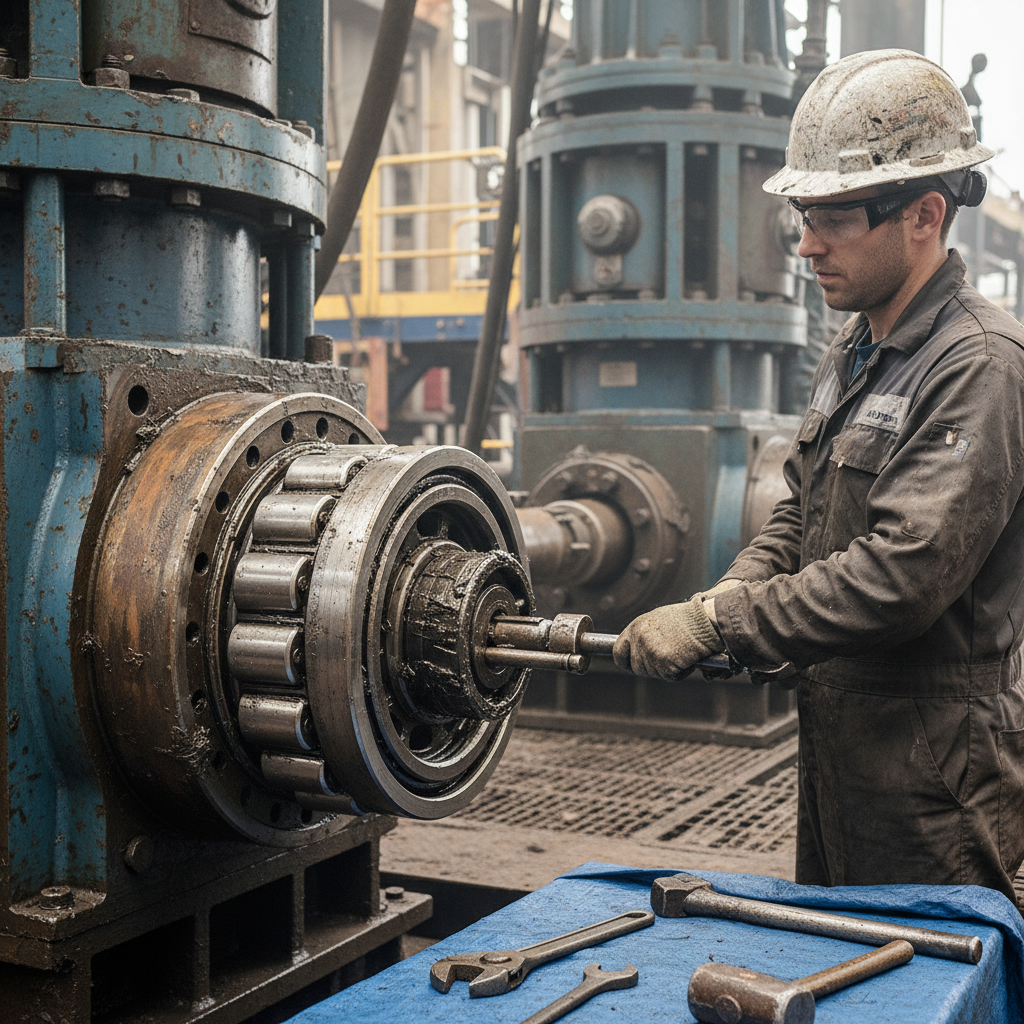
Effective bearing maintenance in mud pumps is critical for maximizing drilling efficiency in the oil and gas industry. According to a 2021 report by the American Petroleum Institute, improper maintenance of mud pump bearings can lead to a 25% reduction in operational efficiency and a significant increase in downtime, costing companies thousands of dollars daily. To mitigate these risks, employing essential tools and techniques for maintenance is vital.

First, regular inspection and monitoring using vibration analysis equipment can help detect early signs of wear and potential failure. This proactive approach allows for timely interventions, preventing costly repairs and extending the life of the bearings. Additionally, utilizing high-quality lubricants specifically designed for mud pump applications can enhance the durability of the bearings. A study by the Society of Petroleum Engineers highlighted that using the right lubricant can reduce friction and wear by up to 40%, resulting in improved efficiency and reliability of the drilling operation. By prioritizing these maintenance practices, companies can significantly improve their drilling performance and reduce the risk of operational setbacks.

Impact of Proper Lubrication on Bearing Longevity and Efficiency

Proper lubrication of mud pump bearings is critical for maintaining optimal drilling efficiency. Research indicates that inadequate lubrication can lead to increased wear and tear on bearings, ultimately resulting in costly downtimes. A study published by the Society of Petroleum Engineers revealed that over 40% of mud pump failures are attributed to lubrication issues. Regular monitoring and maintenance of bearing lubrication can significantly enhance their longevity and performance, demonstrating a direct correlation between proper lubrication and operational efficiency.

To ensure adequate lubrication, operators should implement a systematic lubrication schedule that aligns with the manufacturer's specifications. Incorporating high-quality lubricants designed specifically for mud pump applications can further mitigate the risk of bearing failure. For instance, using synthetic lubricants can extend the life of bearings by up to 50%, according to a report by the American Petroleum Institute.

Tips: Always check the viscosity and compatibility of lubricants before application. Additionally, regular inspections of lubrication systems can help detect potential issues early, preventing extensive damage. Keeping a detailed lubrication log can also assist in tracking maintenance trends and planning timely interventions.

Common Mistakes to Avoid in Mud Pump Bearing Care

Understanding the intricacies of mud pump bearing maintenance is vital for optimizing drilling efficiency. However, there are several common mistakes operators often make that can lead to costly downtime and equipment failure. One significant error is neglecting regular lubrication. According to the American Petroleum Institute, improper lubrication can cause up to 50% of bearing failures. Ensuring that bearings are adequately lubricated with the right type of grease can prolong their lifespan and maintain performance.

Another prevalent mistake is overlooking proper alignment during installation. Misaligned bearings can lead to uneven wear and can drastically reduce the life of the pump. Research from the Society of Petroleum Engineers shows that aligning pump components correctly can increase operational life by up to 30%. Operators should always use precision alignment tools when setting up mud pumps.

Tip: Schedule regular maintenance checks to inspect lubrication levels and alignment. Utilizing advanced monitoring technology can also help detect anomalies early, minimizing the risk of unexpected failures.

Tip: Invest in high-quality bearings designed for your specific mud pump model. Doing so not only reduces the risk of breakdowns but also enhances the overall efficiency of your drilling operations. Regularly reviewing the manufacturer’s guidelines can ensure compliance with best practices.

FAQS

: What are the key signs of bearing wear to monitor during operations?

: Key signs of bearing wear include unusual vibrations, elevated temperature readings, and changes in noise patterns.

Why is proactive maintenance of bearings important?

Proactive maintenance helps prevent a reduction in operational efficiency, which can lead to significant project delays and increased costs.

How can effective bearing maintenance impact productivity?

Effective bearing maintenance can increase productivity by up to 25%.

What is the consequence of inadequate lubrication on mud pump bearings?

Inadequate lubrication can lead to increased wear and tear on bearings, resulting in costly downtimes.

What percentage of mud pump failures are attributed to lubrication issues?

Over 40% of mud pump failures are attributed to lubrication issues.

How can operators ensure adequate lubrication for their bearings?

Operators should implement a systematic lubrication schedule that aligns with the manufacturer's specifications and use high-quality lubricants designed for mud pump applications.

What is the benefit of using synthetic lubricants for mud pump bearings?

Using synthetic lubricants can extend the life of bearings by up to 50%.

What precautions should be taken regarding lubricant application?

Operators should always check the viscosity and compatibility of lubricants before application.

How can regular inspections of lubrication systems help operators?

Regular inspections can help detect potential issues early, preventing extensive damage to the bearings.

Why is keeping a lubrication log beneficial for operators?

A detailed lubrication log assists in tracking maintenance trends and planning timely interventions.

Conclusion

Understanding the maintenance of Mud Pump Bearings is crucial for enhancing drilling efficiency and prolonging equipment life. Regular bearing inspections are vital for identifying wear and ensuring optimal performance during operations. Key signs of bearing wear should be monitored to prevent costly failures. Establishing a proper maintenance schedule and employing best practices are essential for keeping Mud Pump Bearings in peak condition.

Utilizing the right tools and techniques for effective maintenance can greatly impact the longevity and efficiency of the bearings. Additionally, proper lubrication plays a significant role in reducing wear and tear, enhancing performance. Awareness of common mistakes in Mud Pump Bearing care can further improve operational reliability and minimize downtime. By focusing on these aspects, companies like WD Bearing Group, which supplies high-quality bearings for various industries, can maintain an edge in performance and reliability.
Lila

Lila

Lila is a dedicated marketing professional at WD Bearings, where her expertise plays a crucial role in showcasing the company's robust offerings across various industries, including material handling, agriculture, construction, pumps and compressors, gearboxes, and electric motors. With a profound......
Previous Unlocking the Advantages of Best Hydraulic Pump Bearings for Enhanced Operational Efficiency