The Torque Converter Bearing is actually a pretty important part of automatic transmissions. It helps support the torque converter, which is key to making sure your car runs smoothly. Funny enough, according to Automotive News, about 80% of the vehicles sold in North America have automatic transmissions, so knowing how parts like this bearing work is pretty essential, don’t you think?
That said, it’s surprising how often many mechanics tend to overlook this little guy during routine maintenance. Regular inspections can really make a difference in how long your transmission lasts and how well it performs. J.D. Power reports show that about 15% of transmission problems come from bearing issues — kind of scary when you think about it because those problems can end up costing a fortune to fix.
In today’s fast-changing car industry, understanding parts like the Torque Converter Bearing isn’t just for the pros anymore — enthusiasts and everyday owners alike can benefit from learning more about these components. When you’re better informed, your car performance can actually improve, and you might avoid that annoying breakdown later on. Ignoring these details? Well, that could lead to problems down the line. So yeah, spreading some awareness about this stuff is definitely a step in the right direction.
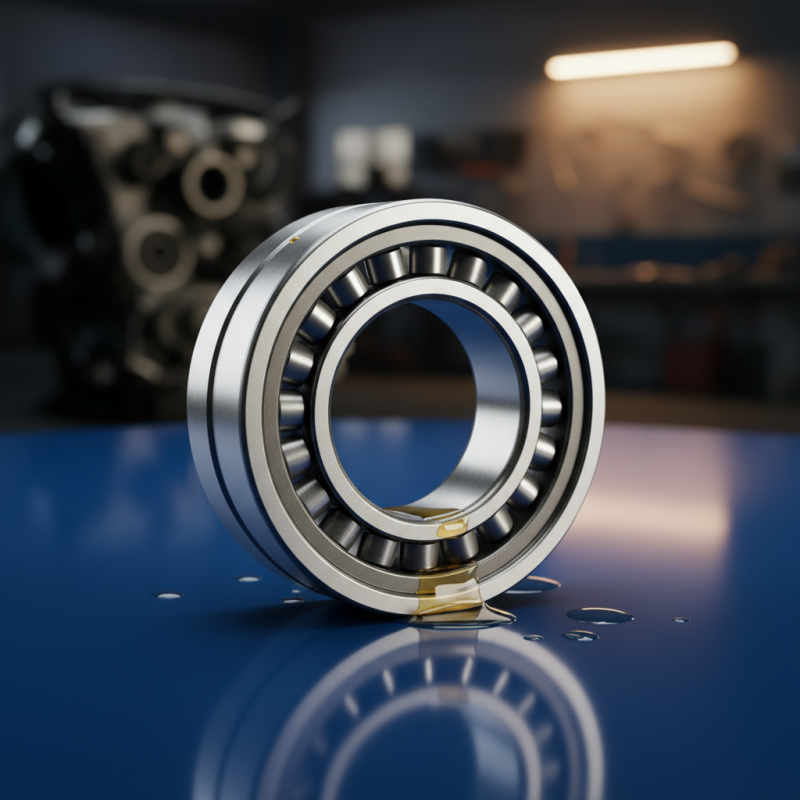
Torque converter bearings play a crucial role in automatic transmissions. These small but vital components help the torque converter function smoothly. They support the turbine and stator within the converter, reducing friction and wear. This ensures efficient power transfer from the engine to the transmission.
When exploring Torque Converter Needle Bearings, it's essential to understand their design. These bearings are made from hardened steel and feature a series of needle-like rollers. This design allows them to handle high loads and reduce vibration effectively. However, the simplicity can also lead to neglect. Many overlook the importance of regular maintenance.
**Tip:** Keep an eye on your vehicle’s transmission fluid. Low fluid levels can lead to increased wear on the Torque Converter Needle Bearings.
Proper installation is also critical. Misalignment can cause premature failure. Check the bearing dimensions before installation to ensure a snug fit.
**Tip:** Always replace old bearings when servicing the torque converter to avoid potential issues down the road. Ignoring these components can be costly in the long run.
In a torque converter, bearings play an essential role. They allow smooth rotation and reduce friction between moving parts. A torque converter uses multiple components working in harmony. Bearings help maintain alignment and support these components effectively.
Without proper functionality, a torque converter can face many issues. Over time, bearing wear can lead to increased friction. This might cause overheating or even premature failure. Regular maintenance is crucial to ensure they are functioning well. Noticing unusual noises or vibrations can be a signal that something is wrong.
Understanding bearing efficiency can lead to better performance. A well-maintained bearing helps in power transmission. It enhances the overall efficiency of the torque converter. It's easy to overlook these small parts, yet they have a big impact. Investing time in monitoring condition can prevent long-term problems.
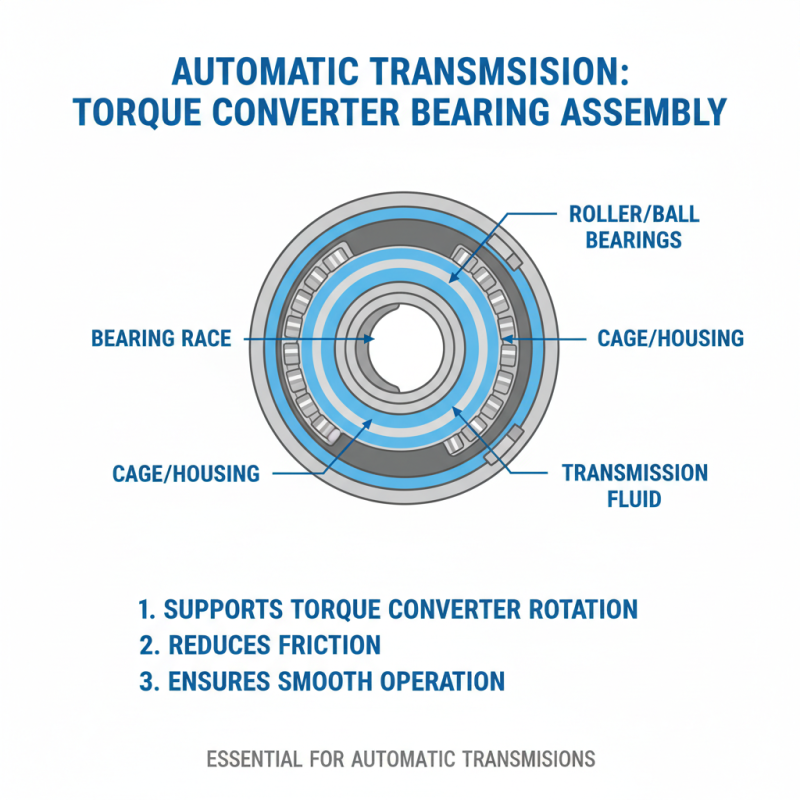
A torque converter bearing assembly is a crucial component in automatic transmissions. It helps support the rotation of the torque converter itself. The assembly includes several critical parts. These parts work together to ensure smooth operation.
One main component is the bearing itself, which reduces friction during rotation. It allows the torque converter to spin freely. Another essential part is the race, which holds the bearing in place. The housing protects all components from dirt and damage. Each piece must fit perfectly. Any imperfection can lead to vibrations or failures.
Maintaining a torque converter bearing assembly can be challenging. Regular inspection is necessary to ensure all parts are functioning. Over time, bearings may wear down, causing issues. Drivers might notice slipping or rough shifts. Addressing these problems early is vital to prevent more severe damage.
Torque converter bearings play a crucial role in enhancing the performance of automotive transmissions. These bearings support the torque converter's turbine and stator, reducing friction during operation. When functioning optimally, they can improve fuel efficiency by up to 5%. This translates to better vehicle control and smoother gear shifts.
A well-maintained torque converter bearing reduces wear and tear on the entire transmission system. Regular inspections are essential. Signs of wear include unusual noises or increased vibration. Using high-quality bearings, like those from Nu Bearing, can mitigate these issues. Data shows that over 30% of transmission failures occur due to bearing problems.
Tips: Always pay attention to transmission fluid quality. Contaminated fluid can lead to premature bearing failure. Consider changing the fluid regularly, especially in high-performance applications. Additionally, stay informed about your vehicle's specific needs; not every bearing is the same. Trusting the right sources can ensure your torque converter remains in good condition and extends its lifespan.
Torque converter bearings play a vital role in automatic transmissions. They help the torque converter function smoothly. However, these bearings can face several issues over time.
One common problem is wear and tear. Excessive heat can cause the bearing to degrade. This may lead to a grinding noise. It can feel like the car is losing power. Sometimes, low transmission fluid levels can worsen this issue. The bearing may not get enough lubrication, resulting in further damage.
Another problem is contamination. Dirt and debris can enter the bearing, causing it to malfunction. Drivers may notice vibrations during acceleration. In some cases, the torque converter may slip. This indicates that the bearing needs attention. Regular maintenance and checks can help identify these issues early. Waiting too long can lead to costly repairs.
Maintaining a torque converter bearing is crucial for vehicle performance. Regular inspection can prevent serious issues. Change transmission fluid based on the manufacturer’s recommendations. Dirty fluid can lead to increased wear. This wear affects the torque converter bearing directly.
Check for any unusual sounds. These might indicate an underlying problem. A failing Yaw Bearing can cause vibrations. Addressing such issues promptly saves time and money. Look for leaks around the transmission area. If you notice any signs, act quickly. Delaying repairs can lead to further damage.
Additionally, ensure the cooling system works efficiently. Overheating can harm the torque converter bearing. Keep your vehicle’s cooling system in top shape. Pay attention during routine inspections, and don't ignore small problems. Each detail matters in extending the lifespan of your torque converter bearing.
Torque converter bearings play a crucial role in vehicle efficiency. They support the torque converter's moving parts, helping it transfer power from the engine to the transmission. A well-functioning bearing ensures smooth operation and minimal energy loss. Conversely, a worn or damaged bearing can lead to inefficiencies, resulting in decreased fuel economy and performance.
Regular maintenance is essential for optimal function. Dirty or inadequate lubrication can cause wear. If you notice unusual sounds or vibrations, it might be time to check the bearing. Ignoring these signs can lead to more significant problems.
Tips: Use high-quality lubricants for your bearings. This can prevent premature wear and extend their lifespan. Monitoring your vehicle’s performance helps you catch issues early. Remember, a well-maintained torque converter bearing not only enhances vehicle efficiency but also contributes to overall reliability. Keeping an eye on the Bearing Cnc can prevent costly repairs down the line.
: They help the torque converter function smoothly, reducing friction and wear.
They are made from hardened steel and have needle-like rollers for handling high loads.
Regular maintenance prevents neglect that could lead to costly damage over time.
Misalignment can cause premature failure and other issues in the transmission.
Look for unusual sounds, slipping, or rough shifts in your vehicle.
Change the transmission fluid regularly to prevent increased wear.
Replacing old bearings helps avoid potential issues and prolongs lifespan.
Overheating can cause significant harm, making efficient cooling essential.
Check for dirt, leaks, and ensure all parts fit perfectly to avoid problems.
No, even small issues can lead to serious damage if not addressed promptly.
A Torque Converter Bearing is a crucial component in the overall functionality of a vehicle's transmission system. These bearings play a significant role in supporting the torque converter assembly, allowing it to operate smoothly and efficiently by reducing friction and wear between moving parts. The proper operation of Torque Converter Bearings enhances transmission performance, ensuring that power is effectively transmitted from the engine to the wheels.
However, like any mechanical part, Torque Converter Bearings can experience issues and failures, leading to decreased vehicle performance and efficiency. Common problems include excessive wear and overheating. Regular maintenance is essential to extend the lifespan of these bearings, which can ultimately improve the vehicle's overall efficiency. Understanding the components and functionality of Torque Converter Bearings is key for any vehicle owner looking to maintain optimal transmission performance.