Leave Your Message
0%

Lately, there's been quite a bit of buzz around the rise of Reducer Bearings in the mechanical engineering world. These little guys might not always be in the spotlight, but they’re absolutely crucial for a bunch of machines we rely on every day. According to a report from MarketsandMarkets, the global bearing market is expected to jump from about $71 billion in 2020 to over $103 billion by 2025 — that’s a solid 7.5% average yearly growth. Most of this growth? Well, it’s fueled by the push for automation and cool new manufacturing tech. And honestly, reducer bearings are at the heart of making everything run smoother and more efficiently.

Now, what do reducer bearings actually do? They help cut down friction and wear in high-speed rotating parts — which makes them super important for industries like automotive, aerospace, and even renewable energy. As these industries keep evolving, there’s a real buzz around making these bearings more durable, able to handle bigger loads, and resistant to higher temperatures. Recently, we’ve also seen the trend of adding smart tech and new materials to these bearings. It’s all about pushing performance limits and getting longer-lasting parts that keep machines humming along nicely.

Looking ahead to 2025, some key trends are shaping the future of reducer bearings. If you’re in the market for these components, this guide’s got you covered with what to look out for, so you can make smarter choices and stay ahead of the curve in mechanical performance and efficiency.
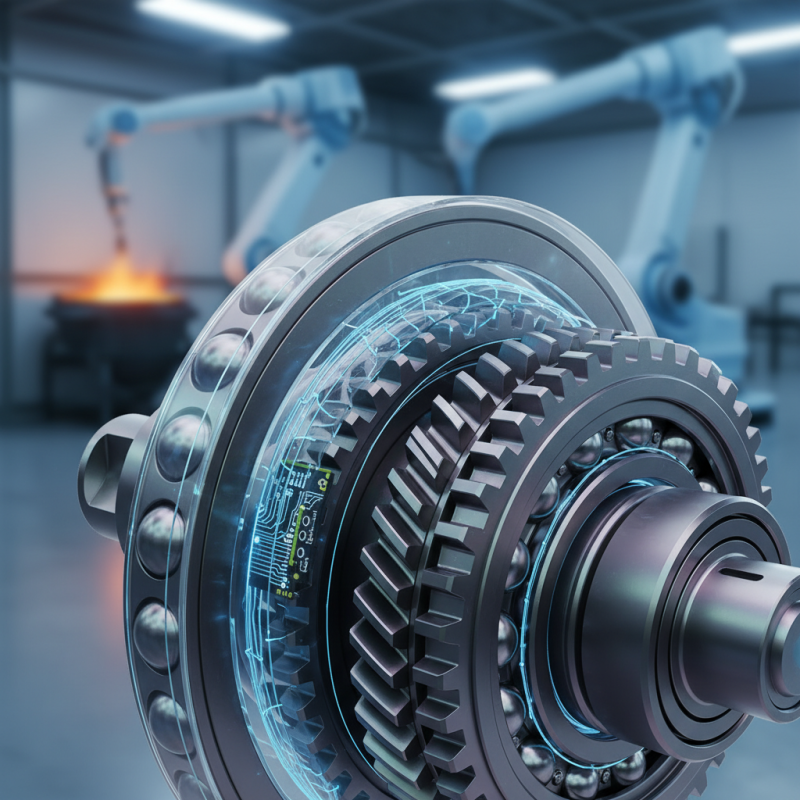
2025 Top Trends in Reducer Bearings: Key Features and Buying Guide

2025 Overview of Reducer Bearings and Their Importance

Reducer bearings play a crucial role in various mechanical systems, serving to reduce speed while increasing torque. Their primary function is to facilitate the smooth operation of machines that require precise motion control, making them essential components in industries such as automotive, manufacturing, and robotics. The importance of reducer bearings cannot be overstated, as they enhance efficiency and durability in mechanical applications, ultimately leading to significant cost savings and improved performance.

As we approach 2025, the evolving landscape of technology and manufacturing processes is driving innovations in reducer bearing design. Key features such as enhanced load capacity, reduced friction, and improved thermal management are becoming increasingly critical. The trends suggest that manufacturers are focusing on developing materials that can withstand harsh operating conditions while delivering optimal performance. Understanding these key features allows buyers to make informed decisions when selecting reducer bearings, ensuring that they meet the specific demands of their applications. These advancements not only enhance the lifespan of the bearings but also contribute to the overall reliability of the systems they support.

Key Features to Look for in Reducer Bearings

When selecting reducer bearings, it's essential to understand the key features that can significantly impact performance and longevity. One critical aspect to consider is the material of the bearings. High-quality bearings are typically made from durable materials such as steel or specialized composites that can withstand heavy loads and resist wear over time. Additionally, look for bearings with enhanced lubrication systems, as proper lubrication minimizes friction and heat buildup, which can lead to premature failure.

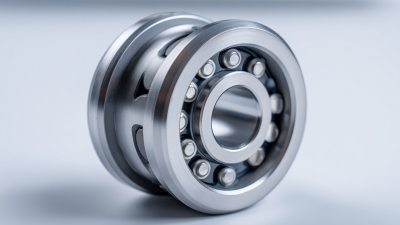
Bearings Image Another important feature to evaluate is the bearing's load capacity. Reducer bearings need to support not just the weight of the machinery but also any external stresses that arise during operation. Consider the dynamic and static load ratings and ensure they fit within your application's requirements. Also, pay attention to the design details, such as the shape and arrangement of rolling elements, which can influence the operational efficiency and stability of the bearings.

Tips: When assessing potential bearings, consult technical specifications and compare them across different options. Doing so can provide insights into compatibility with your equipment. Moreover, consider reaching out to manufacturers or industry experts for advice tailored to your particular application needs. Investing some time upfront to choose the right features can save considerable costs associated with maintenance and replacements down the line.

Types of Reducer Bearings: A Comprehensive Guide

Reducer bearings play a crucial role in various mechanical systems, significantly impacting efficiency and performance. Understanding the different types of reducer bearings is essential for selecting the right one for your specific applications. The most common types include needle bearings, spherical roller bearings, and tapered roller bearings. Needle bearings, known for their high load-carrying capacity, are ideal for compact spaces and are commonly used in applications where reducing weight is a priority. Spherical roller bearings, with their unique design, allow for misalignment and can handle both radial and axial loads, making them versatile for various industrial uses.

In addition to these, tapered roller bearings provide enhanced performance by accommodating combined loads, which is particularly beneficial in applications involving heavy machinery. When choosing a reducer bearing, factors such as load capacity, speed, temperature resistance, and installation requirements should be carefully considered. By understanding the characteristics and advantages of each bearing type, you can make informed decisions to optimize the functionality of your machinery and ensure longevity and reliability in operation.

2025 Top Trends in Reducer Bearings: Key Features and Buying Guide - Types of Reducer Bearings: A Comprehensive Guide

Type of Reducer Bearing Key Features Typical Applications Advantages Disadvantages
Cylindrical Roller Bearings High load capacity, low friction Electric motors, gearboxes Efficient in high-speed applications Sensitive to misalignment
Tapered Roller Bearings Supports both axial and radial loads Automotive, conveyor systems Good for heavy loads Requires precise installation
Angular Contact Bearings Designed to handle high axial loads Machine tools, robotics Excellent stiffness More expensive than classic designs
Needle Bearings Compact design, lightweight Automotive transmissions, small machinery Space-saving, high load per unit Limited radial load capacity
Spherical Roller Bearings Self-aligning, accommodates misalignment Heavy machinery, construction Robust, durable under harsh conditions Higher friction loss

Latest Innovations in Reducer Bearing Technology

The latest innovations in reducer bearing technology are redefining the performance and efficiency of various mechanical systems. With a strong emphasis on enhanced durability and reduced friction, manufacturers are now integrating advanced materials such as polymer composites and heat-treated steel, allowing for significant weight reduction and longevity. These innovations not only contribute to the overall performance of machinery but also minimize maintenance efforts, thereby optimizing operational efficiency.

Additionally, the incorporation of smart technology in reducer bearings has emerged as a game-changer. Sensors embedded within the bearings monitor operational parameters such as temperature and vibration in real-time, facilitating predictive maintenance and early detection of potential failures. This proactive approach not only enhances the reliability of equipment but also leads to substantial cost savings by reducing unexpected downtimes. The evolution of reducer bearings in terms of both materials and smart technology underscores a broader trend towards more sustainable and efficient industrial practices.

Factors Influencing the Selection of Reducer Bearings

When selecting reducer bearings, several critical factors must be taken into account to ensure optimal performance and longevity. First and foremost, the load capacity is essential; it determines how much weight the bearings can handle without failing. Understanding the specifics of the application, including dynamic and static loads, allows for better selection of bearings that can sustain the operational demands.

Another significant factor influencing the selection is the operating environment. Bearings exposed to extreme temperatures, humidity, or corrosive substances require materials and designs tailored to those conditions. Additionally, the speed at which the bearings will operate plays a crucial role; higher speeds may necessitate specialized lubricants and design features to minimize friction and wear. Finally, the manufacturer’s reputation and the availability of technical support are also vital considerations, ensuring that users have access to the resources necessary for maintenance and troubleshooting.

Buying Guide: Where and How to Purchase Reducer Bearings

When it comes to purchasing reducer bearings, understanding where and how to make the right choice is crucial for successful applications. Start by identifying reliable suppliers, such as specialized bearing distributors and manufacturers. Conduct online research to read reviews and get recommendations from industry peers. Trade shows or industry forums can also provide valuable insights into the best options available in the market.

Tips: Look for suppliers that offer comprehensive customer support and technical assistance. This ensures you have expert advice at your fingertips, helping you select the most suitable reducer bearings for your specific requirements. Additionally, check if they provide detailed product specifications, as these documents can clarify the operational limits and applications of the bearings.

When making a purchase, consider the lubrication requirements, temperature range, and material compatibility of the reducer bearings. These factors can significantly affect performance and longevity. It's essential to ensure that the bearings you select match the operational environment of your machinery.

Tips: Always request quotes from multiple suppliers to compare prices and ensure you're getting a fair deal. This will also give you the opportunity to ask more detailed questions about the products and services, helping you make an informed decision.

Future Trends Impacting Reducer Bearings Market and Use

2025 Top Trends in Reducer Bearings: Key Features and Buying Guide

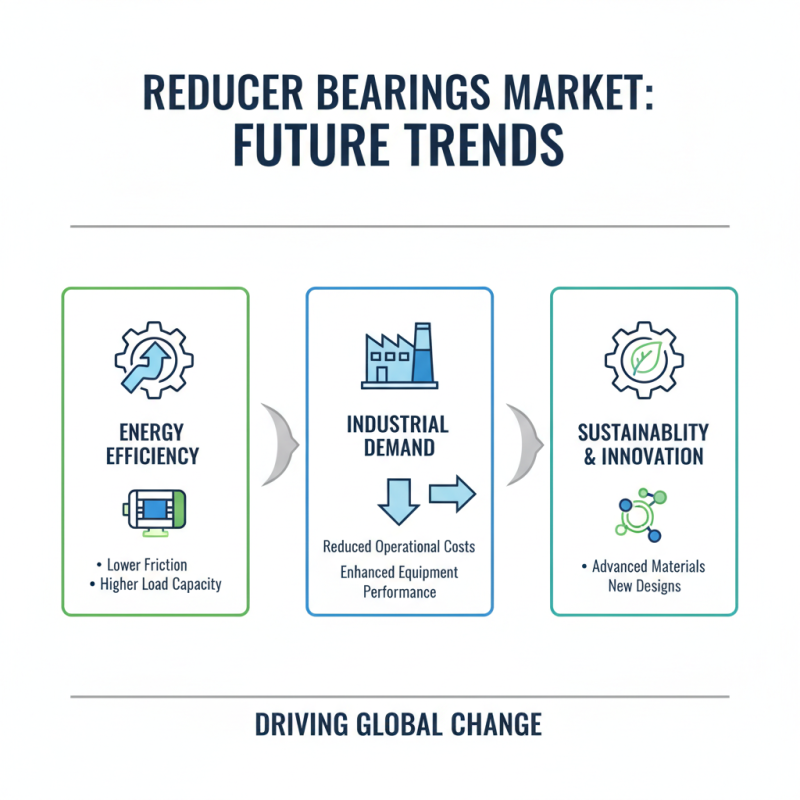
The reducer bearings market is on the cusp of significant transformation, driven by several key future trends. One of the most notable influences is the increasing demand for energy efficiency across various industrial sectors. As manufacturers strive to minimize energy consumption and reduce operational costs, the need for advanced bearing solutions that offer lower friction and higher load capacities is becoming paramount. This shift not only enhances equipment performance but also aligns with global sustainability goals, prompting innovations in bearing materials and designs.

Another critical trend is the rise of automation and smart technologies. The integration of IoT (Internet of Things) and AI (Artificial Intelligence) in manufacturing processes is revolutionizing how equipment is monitored and maintained. Predictive maintenance, enabled by intelligent bearing systems, allows for real-time data analysis, leading to enhanced reliability and reduced downtime. As a result, buyers are increasingly looking for reducer bearings equipped with smart sensors and real-time monitoring capabilities to improve overall operational efficiency.

Lastly, the ongoing advancements in manufacturing techniques, such as additive manufacturing and enhanced lubrication technologies, are shaping the future of reducer bearings. These innovations not only improve the performance and lifespan of bearings but also facilitate the customization of products to meet specific application requirements. As industries continue to evolve, understanding these trends will be essential for making informed purchasing decisions and staying competitive in the dynamic reducer bearings market.

FAQS

: What are reducer bearings, and why are they important?

: Reducer bearings are essential components in mechanical systems that significantly impact efficiency and performance. They are crucial for ensuring smooth operation and reliability in various applications.

What are the most common types of reducer bearings?

The most common types of reducer bearings include needle bearings, spherical roller bearings, and tapered roller bearings, each with unique characteristics suitable for different applications.

What are the advantages of needle bearings?

Needle bearings are known for their high load-carrying capacity and are ideal for compact spaces, making them suitable for applications where weight reduction is a priority.

How do spherical roller bearings differ from other types?

Spherical roller bearings allow for misalignment and can handle both radial and axial loads, making them versatile for various industrial applications.

What considerations should be made when selecting reducer bearings?

Key considerations include load capacity, speed, temperature resistance, and installation requirements, which are essential for optimizing machinery functionality.

Where can I purchase reducer bearings?

Reliable suppliers include specialized bearing distributors and manufacturers. Conducting online research and attending industry events can help identify the best options.

Why is it important to check product specifications when buying reducer bearings?

Product specifications clarify the operational limits and applications of the bearings, which helps ensure you select the right fit for your machinery's environment.

What future trends are impacting the reducer bearings market?

Key trends include increasing demand for energy efficiency, the rise of automation and smart technologies, and advancements in manufacturing techniques and lubrication technologies.

How is automation influencing the use of reducer bearings?

Automation and smart technologies enable predictive maintenance and real-time monitoring, leading to enhanced reliability and reduced downtime in equipment operation.

Why is it beneficial to request quotes from multiple suppliers when purchasing reducer bearings?

Requesting multiple quotes allows for price comparison and provides opportunities to ask detailed questions about the products, ensuring a more informed purchasing decision.

Conclusion

The article "2025 Top Trends in Reducer Bearings: Key Features and Buying Guide" provides a comprehensive overview of reducer bearings, highlighting their critical role in various mechanical applications. It details essential features to consider when selecting reducer bearings, such as load capacity, durability, and lubrication options. The article categorizes the different types of reducer bearings and explores the latest technological innovations that are enhancing their performance and efficiency.

In addition to examining the factors influencing the selection of reducer bearings, the article offers practical guidance on where and how to purchase them. It also discusses future trends that may impact the market and utilization of reducer bearings, ensuring readers are well-informed about current developments and best practices in this crucial component space. This summary emphasizes the significance of staying updated on trends and innovations related to reducer bearings for optimal performance in mechanical systems.
Ethan

Ethan

Ethan is a seasoned marketing professional with a deep expertise in the field of bearings, particularly within the OEM sector. He plays a pivotal role in promoting WD Bearings, a company renowned for its exceptional products that cater to various industries such as material handling, agriculture,......
Previous Unlocking the Advantages of Best Hydraulic Pump Bearings for Enhanced Operational Efficiency