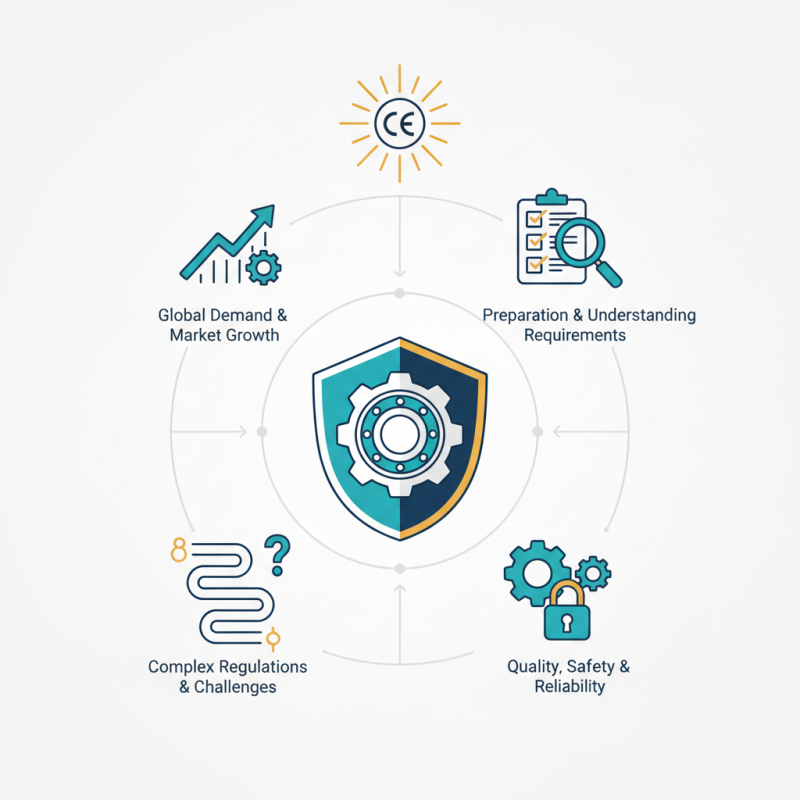
Hey, so it’s pretty clear that the global demand for Reducer Bearingsis really picking up these days. For manufacturers, getting that China CE Certification isn’t just a bonus anymore — it’s almost a must. I was reading a recent industry report from Frost & Sullivan, and they’re saying the market for Reducer Bearings is expected to grow around 8% every year. That’s a pretty significant jump! All this growing demand obviously means everyone’s gotta play by the rules and meet some pretty strict safety standards. But here’s the thing: a lot of companies find the whole certification process pretty overwhelming because the regulations can be complicated and confusing to navigate.
Dr. Emily Wang, who’s pretty much an expert when it comes to Reducer Bearings, mentioned something that really hits home — she said, "The certification process is a labyrinth that often confuses manufacturers." And honestly, she’s not wrong. If you’re not careful or don’t really understand what’s needed, it can cause big delays that might even mess up your chances of entering the market on time.
That being said, as companies push through these hurdles, it’s super important to keep your eyes on quality and performance. Remember, certifications aren’t just about ticking boxes; they’re your proof that your product is safe and dependable. So, manufacturers really need to take the time to understand what China’s CE Certification actually requires — it’s all about staying competitive and making sure you’re doing things right from the start.
Understanding China CE Certification for Reducer Bearings
Understanding China CE Certification for Reducer Bearings is crucial for manufacturers. This certification ensures that products meet essential safety and environmental standards. The process can be complex but is necessary for market entry.
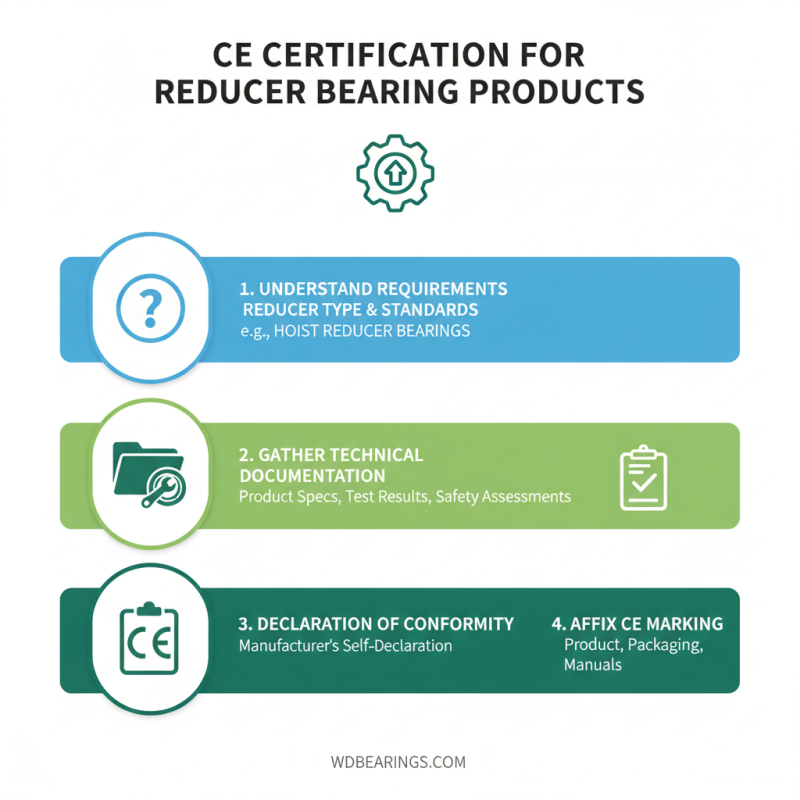
To begin, manufacturers must prepare technical documentation. This includes detailed descriptions of the Bearing Reducer, testing results, and compliance with relevant standards. Gathering this information can be time-consuming. It’s vital to be thorough to avoid delays.
Tips: Focus on clear documentation. Incomplete files can lead to rejections. Engaging local experts may help navigate the regulations efficiently. Another important step is product testing. Manufacturers must ensure products are rigorously tested to meet CE guidelines. This step often reveals issues that require adjustments.
Engaging with a notified body is essential. These organizations assess compliance and can provide valuable feedback. Working closely with them can sometimes feel like a hurdle. However, it’s a necessary part of ensuring a successful certification. Remember, the CE mark not only signifies compliance but also builds customer trust.
Key Regulatory Bodies Involved in CE Certification for Bearings
In the process of obtaining CE certification for reducer bearing products, key regulatory bodies play a crucial role. The primary organization responsible for CE marking is the European Union, which sets rigorous standards for safety and performance. These regulations ensure that products meet the necessary requirements before entering the market. However, understanding these regulations can be complex.
Another vital body is the National Institute of Metrology. This agency provides essential guidelines on testing methods. It ensures that products undergo proper assessments before certification. However, there can be delays in communication. Manufacturers often find it challenging to navigate the specific requirements laid out by different regulatory bodies. They may overlook essential documentation or fail to understand testing protocols.
Furthermore, local regulatory agencies within China also have their set of rules. These entities often collaborate with international standards organizations. Despite this collaboration, inconsistencies can arise. This can lead to confusion among manufacturers. Ensuring compliance with all the relevant regulations requires diligence and attention to detail. Engaging with specialized consultants might help in minimizing obstacles. However, reliance on external expertise can introduce its own pitfalls. It is imperative to strike a balance between self-reliance and seeking guidance.
Required Documentation for CE Certification of Reducer Bearing Products
Obtaining CE certification for reducer bearing products requires specific documentation. This certification ensures products meet safety and environmental standards. To begin, manufacturers must prepare a technical file. This file includes product descriptions and design plans. Detailed testing results are also crucial. Documenting material choices can help showcase compliance.
Additionally, manufacturers should include risk assessments. These assessments highlight potential hazards associated with the products. A declaration of conformity is needed too. This statement confirms that the product adheres to all relevant guidelines. For Wheel Bearing Reducer products, specific standards may apply. It is essential to stay updated on these requirements, as regulations can change.
Quality control procedures must also be documented. Regular testing ensures ongoing compliance with CE standards. However, businesses sometimes struggle with this aspect. Poor documentation can lead to delays in certification. Manufacturers must reflect on their processes and improve efficiency. Accurate records not only help with certification but also enhance product reliability.
2026 CE Certification Requirements for Reducer Bearing Products
This chart displays the number of required documents for obtaining CE Certification for Reducer Bearing products in 2026. The data reflects the specific documentation needed based on different stages of the certification process.
Testing Standards for Reducer Bearings Under China CE Certification
In recent years, the demand for reducer bearings has surged, especially in China. A report from the China Bearing Industry Association indicates that the market will grow by 8% annually until 2026. For manufacturers looking to enter this market, understanding the testing standards for CE certification is crucial.
Reducer bearings must meet rigorous safety and performance standards. The most recognized testing standards in this realm include GB/T 276-2016 and GB 4970-2013, which focus on performance reliability. These standards evaluate the bearing’s load capacity, fatigue life, and operating temperature. Statistics show that up to 30% of non-compliant products face significant penalties, emphasizing the importance of adherence to these guidelines.
Moreover, many manufacturers struggle with meeting these standards due to a lack of proper testing facilities. The average cost of ensuring compliance can be daunting. A study revealed that nearly 40% of companies report difficulties in sourcing the right materials that adhere to testing requirements. This gap in preparation reflects the need for better training and resources within the industry. Addressing these inefficiencies is key to achieving successful certification and maintaining a competitive edge.
2026 How to Obtain China CE Certification for Reducer Bearing Products? - Testing Standards for Reducer Bearings Under China CE Certification
| Test Standard | Description | Testing Method | Compliance Criteria |
| GB/T 1299 | Test methods for rolling bearings | Vibration analysis and load testing | Only 10% of products exceed acceptable vibration limits |
| GB/T 6324 | Limits and methods of noise test for rolling bearings | Sound level measurement in laboratory conditions | Sound levels must be below specified dB(A) |
| GB/T 27682 | Test methods for fatigue life of rolling bearings | High-speed rotational testing | Fatigue life must meet industry standards |
| ISO 492 | Rolling bearings - Radial internal clearance | Measurement of internal clearance | Clearance must fall within specified tolerances |
| GB 1184 | Thermal stability of lubricating greases | Heat resistance testing | No separation or degradation of grease |
Step-by-Step Process of Applying for CE Certification in China
Obtaining CE certification for reducer bearing products such as the Hoist Reducer Bearing can be complex. The process involves multiple steps. Understanding the requirements is crucial before diving into the paperwork. Start by gathering the necessary technical documentation. This includes product specifications, test results, and safety assessments. Many companies underestimate the amount of detail needed.
Next, conduct a thorough risk assessment. Identify potential hazards related to your Hoist Reducer Bearing. This step is often overlooked, yet it’s essential for compliance. Engage with a notified body if necessary. They can provide guidance throughout the certification process. Keep in mind that costs may add up, and timelines can be uncertain.
After submitting your application, be prepared for scrutiny. The reviewing process might take longer than expected. Prepare to address any issues or questions raised. Continuous communication with the certification body helps clarify doubts. Reflect on this process regularly to improve future applications. It’s a learning journey, and each step counts towards achieving compliance.
Common Challenges in Obtaining CE Certification for Bearings
Obtaining CE certification for reducer bearing products is vital for market entry in Europe. However, manufacturers face common challenges that can complicate the certification process. One major issue is the complexity of compliance standards. According to industry reports, nearly 30% of bearings fail to meet CE requirements due to insufficient documentation or testing results.
Another hurdle is the lack of understanding of the technical files required for certification. These files must detail design, production, and quality control measures. A report from the International Federation of Bearing Manufacturers highlights that 40% of delays in certification stem from inadequate technical documentation. This underscores the need for thorough preparation.
Tip: Engage with a CE certification consultant early in the process. They can provide insights on necessary documentation and testing procedures.
Delays can result in lost revenues significantly. Manufacturers must also navigate language barriers and interpret legal standards accurately. Misinterpretation can lead to costly reworks. Addressing these potential pitfalls early can streamline the process.
Tip: Conduct internal audits of existing processes. Identify gaps in compliance and rectify them before pursuing CE certification for your Travel Reducer Bearing products.
Conclusion
The article "2026 How to Obtain China CE Certification for Reducer Bearing Products?" provides a comprehensive guide for manufacturers seeking CE certification for reducer bearings in China. It covers essential aspects such as the regulatory bodies involved in the certification process, the documentation required, and the specific testing standards applicable to reducer bearings. By outlining a step-by-step approach to applying for CE certification, the article aims to simplify the process and highlight common challenges faced by manufacturers.
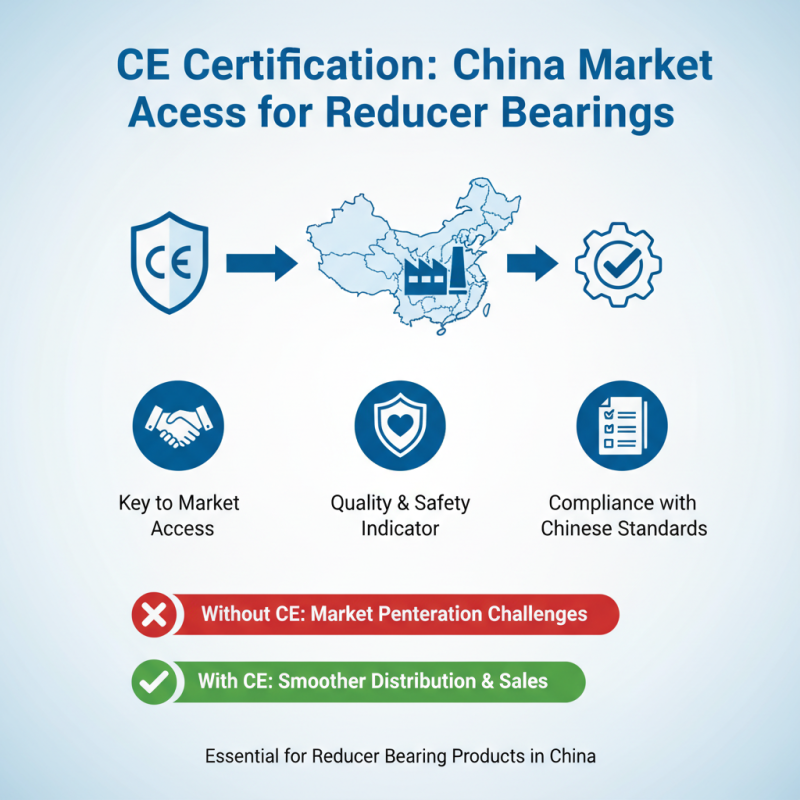
Moreover, it emphasizes the significant impact that obtaining CE certification has on market access and sales potential in China. By adhering to the certification requirements, businesses can enhance their credibility and competitiveness in the Chinese market, making the understanding of CE certification critical for those involved in the production and distribution of reducer bearing products.