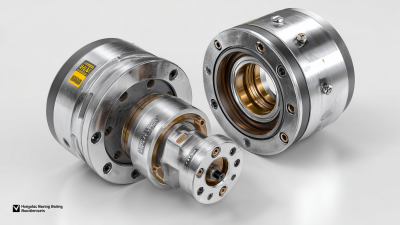
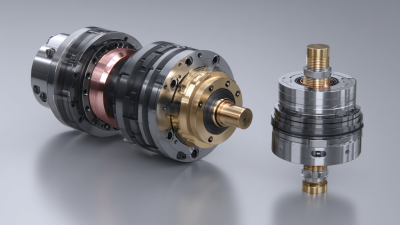
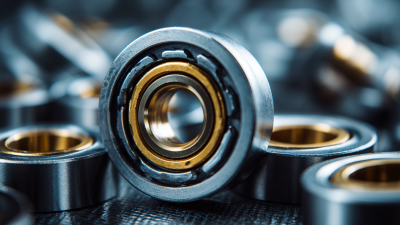
In today’s fast-changing world of industrial work, the performance of Mud Pump Bearings is more important than ever. They play a huge role in keeping everything running smoothly—whether it’s in agriculture, construction, or material handling. At WD Bearing Group, we truly get how crucial these parts are for keeping pumps and compressors functioning at their best. We’re always investing in the latest machining technology and relying on our talented team’s expertise to support OEMs with top-notch bearings that meet the highest standards.
In this blog, I’ll share a straightforward Mud Pump Bearing maintenance checklist—covering key routines that not only boost performance but also help these vital parts last longer. When you prioritize proper maintenance, your machinery runs more reliably and efficiently, which means less downtime and more productivity for your business.
Trust us, taking good care of these bearings really pays off in the long run!
Understanding Mud Pump Bearings: Key Functions and Importance
Mud pump bearings are pretty darn important when it comes to keeping drilling rigs running smoothly. They might not be the most glamorous part, but without them, things can go downhill fast. Basically, they help the pump's drive shaft spin steadily while handling those crazy-high pressures and loads that show up during drilling. If you don’t pay attention to these bearings and keep them in good shape, your equipment’s reliability takes a hit — leading to more downtime and higher maintenance costs. Plus, good bearings help manage those pressure differences that pop up during drilling, which is huge for avoiding nasty surprises like kicks or blowouts.
Now, with all the recent fancy upgrades in drilling tech, the role of mud pump bearings gets even more critical. For example, understanding how connection gas, pump-off gas, and total gas interact can directly impact pressure changes underneath the surface. By keeping a close eye on these things, operators can catch signs early, spotting potential kicks before things get serious. This kind of proactive approach really highlights how essential mud pump bearings are — not just for keeping the machinery in shape, but also for safety and operational efficiency. Making sure regular maintenance checks and sticking to a solid checklist can really help keep those bearings performing well, so they can handle the tough conditions of modern-day drilling without breaking a sweat.
Common Problems in Mud Pump Bearings and Their Causes
Mud pump bearings are pretty crucial when it comes to keeping drilling operations running smoothly and lasting longer. Most issues with these bearings usually come from not enough lubrication, dirt getting in, or just wear and tear over time. I read in a study by the Society of Petroleum Engineers that nearly 40% of bearing failures happen because of improper lubrication—that’s a huge chunk! So, making sure your bearings are well-lubricated regularly can really help prevent unnecessary damage and extend their life.
On top of that, contamination from mud and tiny particles can cause erosion and pitting on the bearing surfaces. In fact, about 30% of failures are linked to this kind of dirt-related problem, which basically means keeping your environment clean is key. Doing routine inspections and using filters can go a long way in avoiding these issues.
**Tips:** Keep a close eye on your lubrication levels and make sure to change the oil or grease as recommended. Also, investing in good-quality filtration systems is a smart move to cut down on contamination risks. Regular maintenance isn’t just about avoiding breakdowns; it saves time and money by preventing unexpected downtime. Trust me, staying proactive with these small steps makes a pretty big difference in the long run.
Preventive Maintenance Strategies for Mud Pump Bearings
You know, preventive maintenance really plays a big role in keeping mud pump bearings running smoothly and lasting longer. Having a solid maintenance plan means catching problems early before they turn into something costly and mess up your operation. It’s a good idea to make regular inspections part of your daily routine—pay close attention to things like lubrication, seal condition, and how well the bearings are aligned. Also, keeping an eye on vibration patterns and temperature changes can give you a pretty good idea of how things are holding up. If you notice anything unusual, you can jump on it before it turns into a bigger issue.
On top of that, the tech world’s been crazy with new predictive maintenance tools—stuff that uses real-time data to help us make smarter decisions about equipment health. These innovations mean you can often fix things just before they break, saving you both time and money. It’s a game changer, especially for oil and gas folks who want to keep things running smoothly and avoid unexpected downtime. As the mud pump market keeps growing, really leaning into these proactive maintenance strategies is going to be key for companies that want to stay efficient and keep their operations on track without a lot of hiccups.
Alternative Bearing Materials: Pros and Cons for Mud Pumps
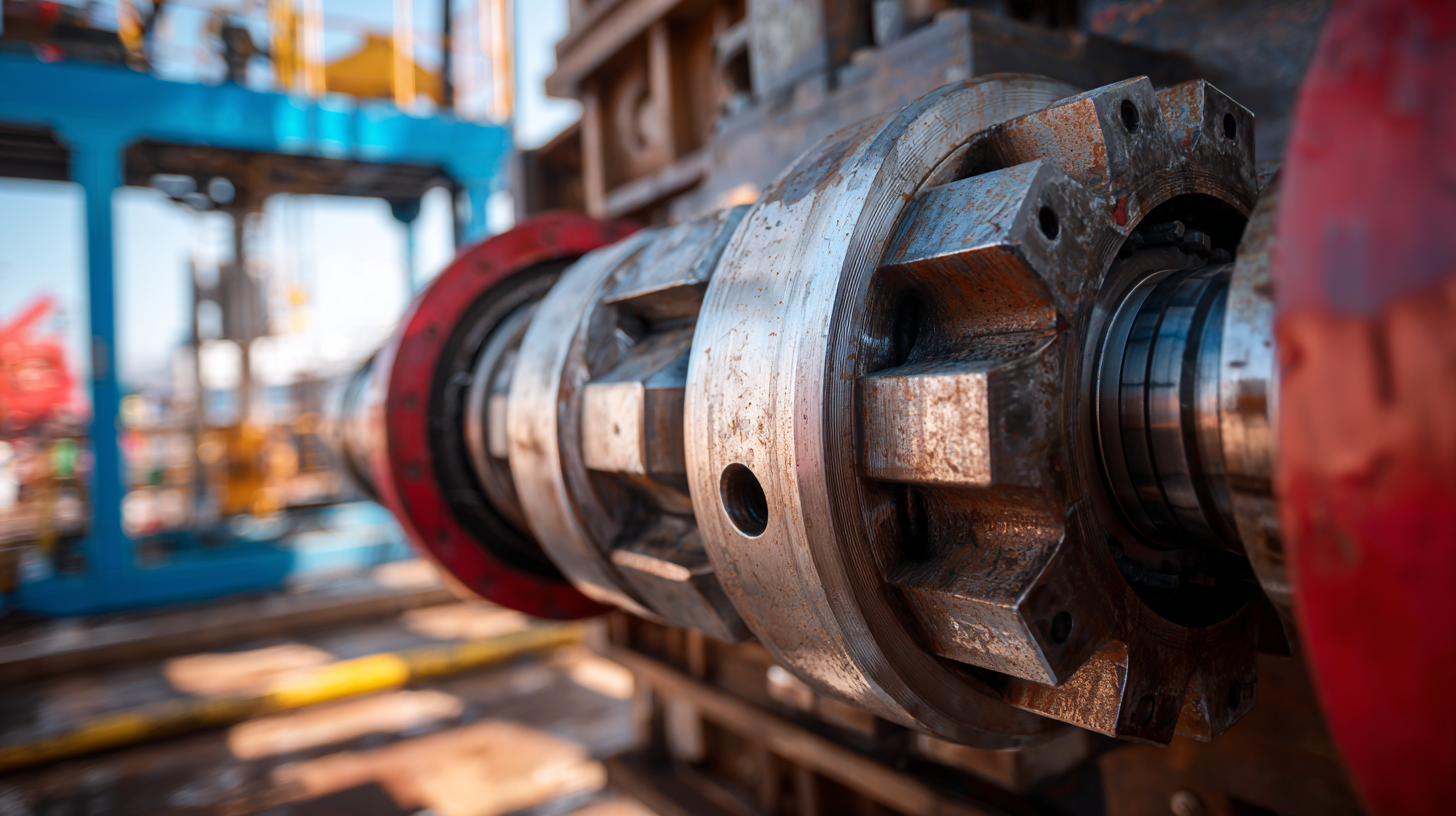
When we're talking about mud pumps, choosing the right bearing materials can really make a big difference in how well they perform and how much you’ll spend on maintenance. Traditionally, materials like bronze and steel have been the go-to options because they’re tough and reliable. But lately, more folks are starting to explore alternatives like ceramic and polymer composites. In fact, a recent report from the Society of Petroleum Engineers mentioned that ceramic bearings can last up to 40% longer in harsh, abrasive conditions, which means less downtime and better overall efficiency.
Now, ceramics are great when it comes to resisting wear, but they can be a bit more brittle than the traditional metals. That means they might crack or break if subjected to sudden shock loads. On the flip side, polymer composite bearings are super lightweight and resist corrosion quite well, but they generally can handle lower loads. So, understanding the good and the bad of each option is pretty important if you really want to make smart choices for your mud pump upkeep.
A few tips for keeping things running smoothly: Make sure to check your bearings regularly for signs of wear, no matter which material they’re made of. Setting up a solid lubrication routine is key — especially if you’re switching things up with newer, alternative materials. And don’t forget, training your maintenance crew on the specifics of these materials can really pay off, helping to extend bearing life and avoid premature failures. Trust me, a little extra knowledge goes a long way!
Monitoring and Diagnosing Bearing Performance: Tools and Techniques
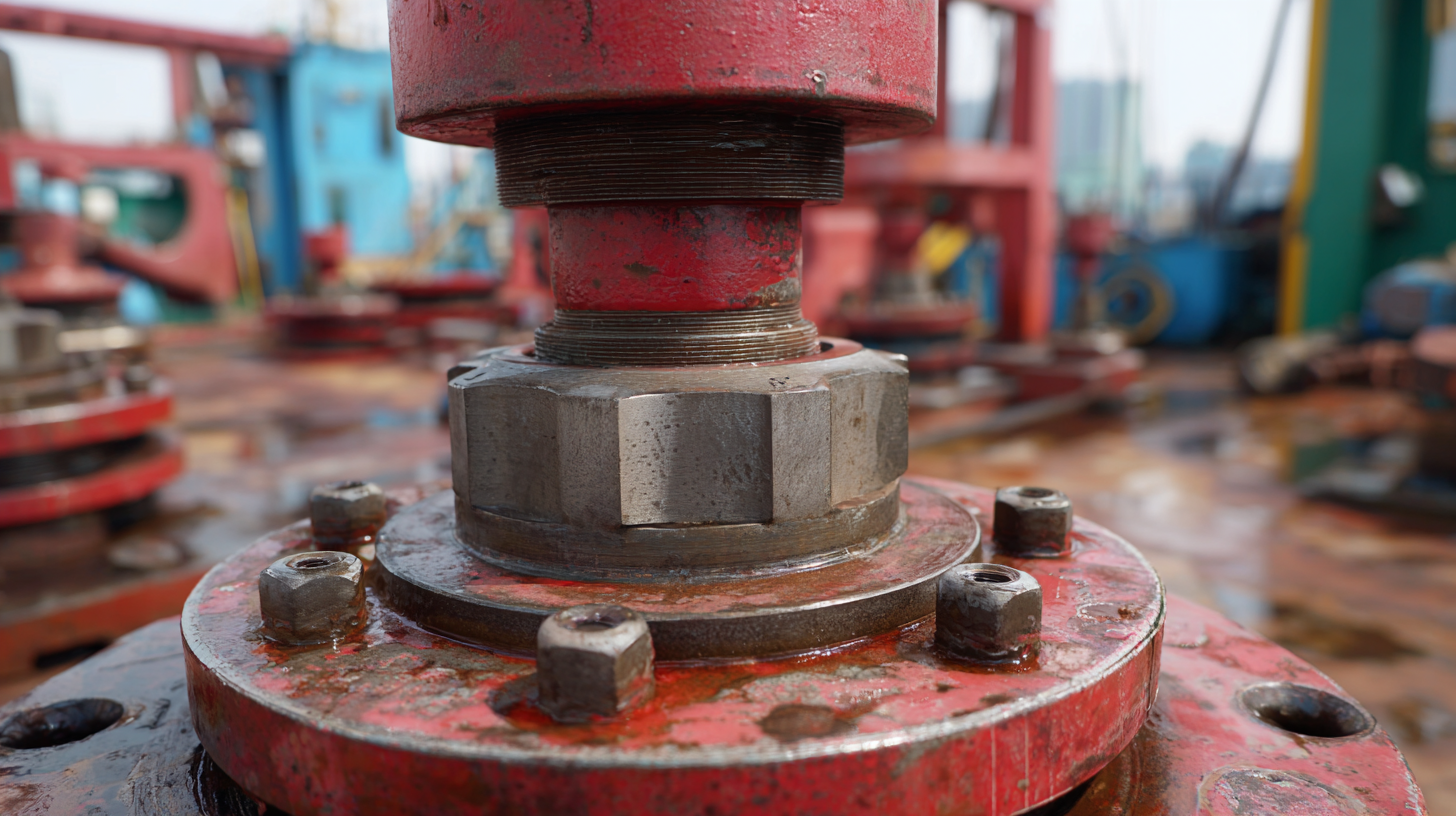 Keeping an eye on how your mud pump bearings are doing is super important if you want everything to run smoothly. Regular inspections, like using vibration analysis, can catch small issues before they turn into big problems. Just by attaching some accelerometers, you can gather data on any strange vibrations—those sometimes hint at wear or misalignment that’s about to cause trouble. Using these tools isn’t just a time-saver, it also helps you plan maintenance ahead of time, so you're not caught off guard.
Another cool trick is thermal imaging. It’s pretty handy for spotting hotspots around the bearing assembly. When bearings get too hot, it usually means there's some extra friction or maybe the lubrication isn’t quite right. With a thermal camera, you can quickly spot where the heat’s coming from and jump on it before things get serious.
A few tips for keeping your bearings in good shape? Make sure you’re lubricating them properly—following the manufacturer's recommendations is key. Also, keep an eye out for contaminants in your lubricant because dirt or debris can cause big problems. And don’t forget to keep a detailed log of every inspection—it can really help you see patterns over time, making it easier to plan ahead for repairs or replacement. Staying proactive like this really helps your mud pump bearings last longer and keeps everything running at its best.
Emergency Repairs: Quick Fixes for Mud Pump Bearing Failures
Dealing with mud pumps in tough environments is no joke, and bearing failures can really bring operations to a halt, causing expensive downtime. Quick fixes aren’t just handy—they’re pretty much essential to keep things running smoothly, especially in industries like construction and agriculture where every minute counts. Industry stats show that over 30% of mechanical hiccups with mud pumps are due to bearing issues, which highlights how important it is to act fast when problems pop up. WD Bearing Group stresses that having a steady supply of top-notch bearings can make a huge difference—quick replacements mean less downtime and fewer headaches.
When a bearing unexpectedly goes, the first thing to do is give it a quick check—look for any damage around the bearing housing and make sure it’s properly lubricated. These simple steps can buy you some time until a proper fix is possible. Also, setting up a routine maintenance routine can really boost reliability. It turns out that about 70% of bearing failures come down to poor lubrication practices. That’s why WD Bearings are a popular choice—they’re known for standing up to the tough conditions mud pumps face, helping OEMs cut down on failures and extend the life of their equipment.
Investing in advanced manufacturing techniques and skilled workers ensures each bearing is built tough enough to handle continuous use, which ultimately means fewer emergency repairs and less stress overall.
FAQS
: Common problems include inadequate lubrication, contamination, and wear, which can lead to bearing failures.
Improper lubrication causes nearly 40% of bearing failures in mud pumps, leading to excessive wear and reduced lifespan.
Contamination by mud and particulates can cause erosion and pitting on bearing surfaces, accounting for about 30% of bearing failures.
Regular inspection, proper filtration systems, and maintaining a clean operational environment can help mitigate contamination issues.
Ceramic bearings can provide up to 40% longer life in abrasive environments, reducing downtime and enhancing operational efficiency.
Yes, ceramic bearings can be more brittle than traditional materials, making them susceptible to failure under shock loads.
Polymer composite bearings are lightweight and show good corrosion resistance, though they generally have lower load-bearing capacities.
Regular inspection helps detect signs of wear early, regardless of bearing material, and is crucial for effective maintenance and performance.
Lubricant should be replaced at scheduled intervals to ensure optimal performance and prevent issues related to lubrication.
Training on the specific characteristics of the bearing materials in use can help maintenance teams extend the lifespan of the bearings and prevent premature failure.
Conclusion
When it comes to mud pumps, I can’t stress enough how vital the Mud Pump Bearings are. These little guys might seem simple, but they do a huge job—they not only keep the pump running smoothly but also help it last longer. It’s really useful to understand what their main roles are and what problems can pop up, like wear and overheating. Knowing this stuff means operators can stay ahead of issues with some simple preventive maintenance. And if you’re thinking about different bearing materials, it’s worth weighing the pros and cons to pick the best one for your particular needs.
Also, using the right tools and techniques to keep an eye on bearing health can seriously boost your mud pump’s reliability. And let’s face it—when stuff hits the fan and quick fixes are needed, knowing some emergency repair tips can save a ton of time and hassle. Over at WD Bearing Group, we’re all about providing top-notch bearings for different industries, including the pump world. We aim to make sure things run smoothly with our high-quality products, advanced machining, and a skilled team that knows their stuff.