Leave Your Message
0%

Understanding the Mechanics Behind Cylindrical Ball BearingsCylindrical Ball Bearings are pretty crucial when it comes to keeping machinery running smoothly across a bunch of industries—think material handling, farming, construction, and more. Recent industry studies really highlight just how important they are. In fact, according to a report from Global Market Insights, the ball bearing market is expected to soar past $80 billion by 2026. That growth is mainly fueled by new innovations in manufacturing and design, which is pretty exciting.

At WD Bearing Group, we're proud of the high-quality cylindrical ball bearings we provide to OEMs. They're built to handle the needs of all kinds of equipment—pumps, gearboxes, electric motors—you name it. We’re always investing in the latest machining tech and talented folks to make sure our bearings not only meet but actually go beyond the tough demands of today’s industries.

This guide is here to walk you through the ins and outs of cylindrical ball bearings—how they’re designed, what they do, and why they really matter for operational performance in different sectors.

Types of Cylindrical Ball Bearings and Their Applications

Cylindrical ball bearings are pretty much essential in all sorts of industrial setups. They’re known for their ability to handle both radial and axial loads, which is a big deal. There are different types out there, each suited for specific jobs. For example, the full complement Cylindrical Bearing can hold more balls than your typical design, which means it can carry heavier loads. According to a report from Global Market Insights, the demand for these kinds of bearings is expected to hit around $8 billion by 2026. That’s mainly because they’re becoming more and more important in machinery, cars, and even aerospace stuff.

Then there’s the self-aligning cylindrical ball bearing. These are pretty clever because they can handle shaft misalignment, making them super useful for conveyor belts and industrial motors. A study by Technavio points out that the automotive industry is projected to make up over 40% of the cylindrical bearing market share by 2025. That’s mainly thanks to the push for better manufacturing tech and higher efficiency and performance in vehicles these days. All in all, these bearings are key players—they help reduce friction and really boost the performance of engines and gearboxes.

Key Components of Cylindrical Ball Bearings Explained

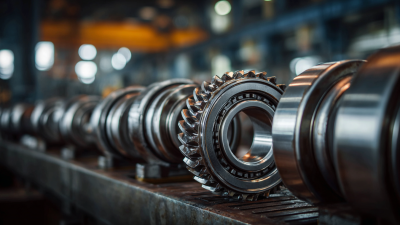
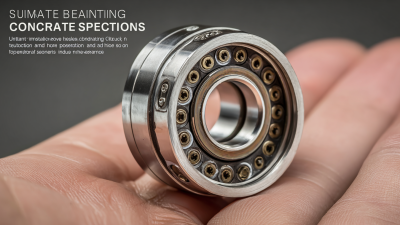
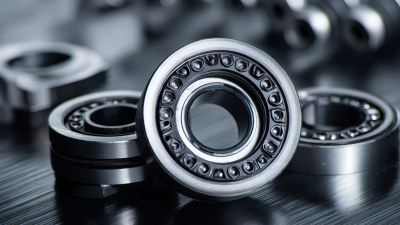
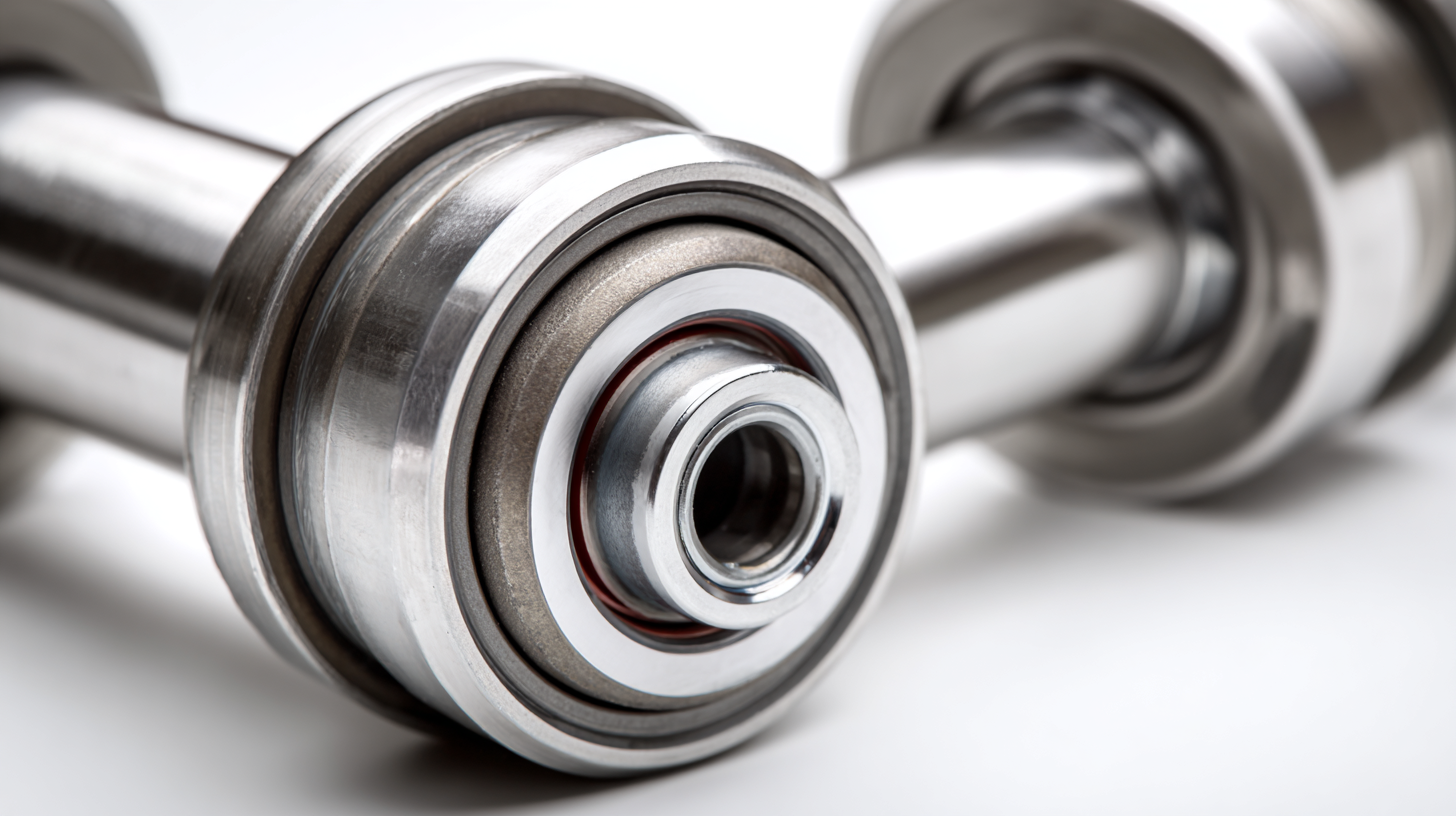
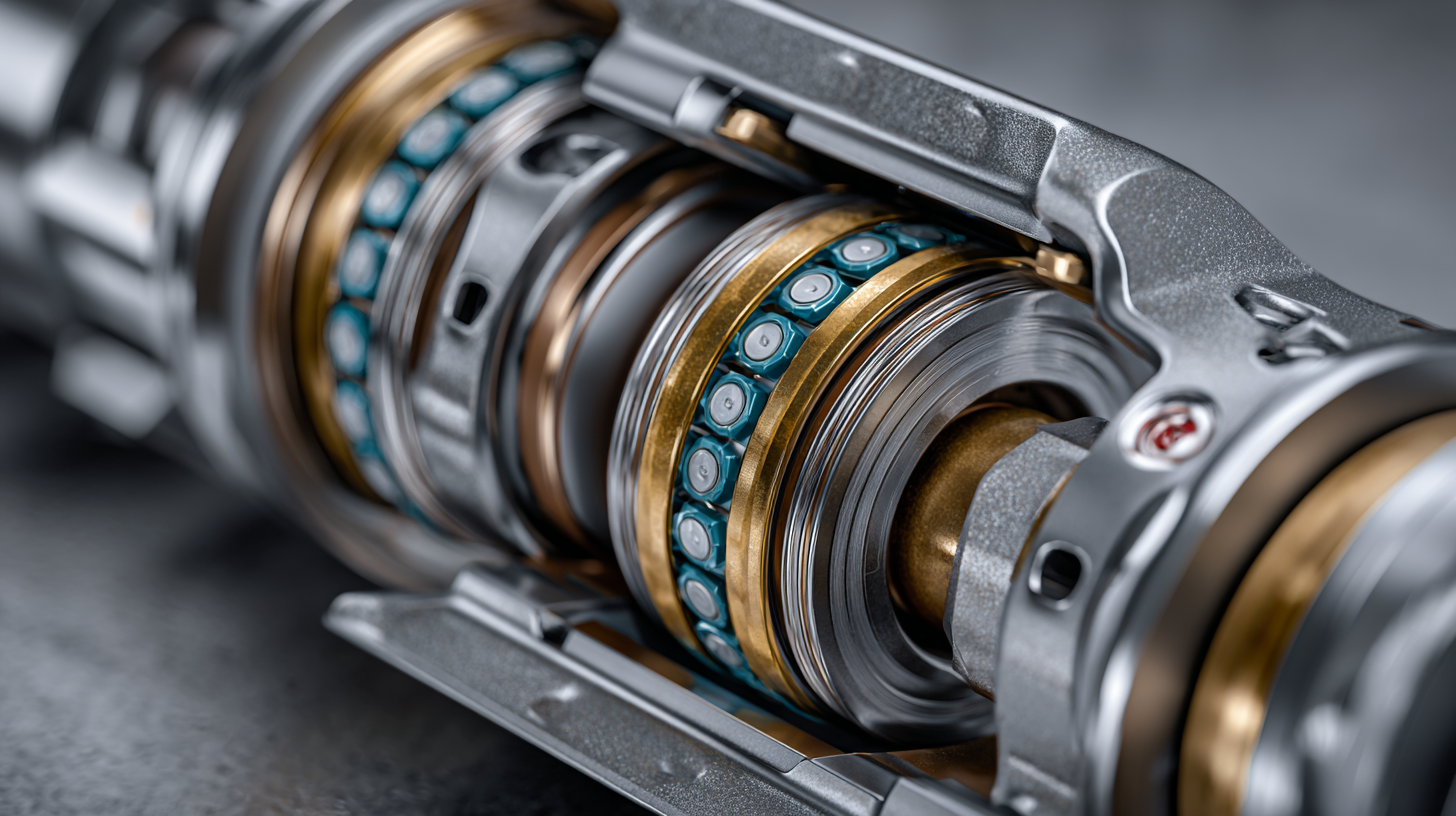
Cylindrical ball bearings are pretty essential parts in a bunch of different machines and setups. They do a great job at supporting parts and helping things spin smoothly. I think it’s pretty interesting to get what’s inside them—like, their main components—to really understand how they work, especially when things get tough or operate at high speeds. Usually, you’ll find an outer ring, an inner ring, a cage to hold the balls or rollers, and then the rolling elements themselves—these can be balls or rollers. The way these parts are designed and what they’re made of really matters, especially when you’re dealing with heavy-duty or super-fast applications.

Lately, I’ve come across some research pointing out how temperature and heatplay a big role in how well Cylindrical Roller Bearings perform—especially in things liketraction motors on high-speed trains. When things get hot or there’s thermal stress, it can really affect how long these bearings last and how reliable they are. Plus, proper lubrication is a game changer. If the lubricant spreads out evenly, it keeps the bearing running smoothly by reducing friction and wear. Getting the lubrication just right can improve how long these bearings last and how well they perform. You find these bearings everywhere—from cars to renewable energy setups like wind turbines. Basically, understanding how all these parts work together is super important if we want to keep pushing the tech forward and make sure everything runs efficiently, even in tough environments.

Understanding Load Ratings for Optimal Bearing Performance

When it comes to how cylindrical ball bearings perform, really understanding load ratings is a big deal. These ratings tell you the most load a bearing can handle without losing its effectiveness or reliability. Usually, you'll see them described in terms of both dynamic and static loads. Dynamic load rating shows how well the bearing can handle spinning or rotating conditions—that's its ability to keep working smoothly when it’s in motion. On the flip side, static load rating is all about how much weight it can take when it's not moving at all. Picking a bearing with the right load rating is key if you want it to last long and perform like a champ in its specific job.

Understanding the Mechanics Behind Cylindrical Ball Bearings

Now, a bunch of factors play into what load rating a bearing can handle—stuff like the quality of the materials used, how the bearing is designed, and even the environment it’s working in. For example, bearings made from high-quality steel usually can handle more weight compared to ones made from cheaper materials. Then there’s the design itself—things like how many balls are in there and how they’re arranged. All these little details matter because they affect how the load spreads inside the bearing. By understanding these factors, engineers and manufacturers can pick out the perfect bearing for everything from cars to planes, making sure they can stand up to the stresses of everyday use while reducing the chances of failure.

Installation Techniques for Enhanced Bearing Longevity

When you're trying to keep cylindrical ball bearings working well over time, doing the installation right is a big deal. First off, make sure both the bearing and its housing are super clean—no dirt or debris lurking around. Any little contaminants can cause the bearing to wear out faster or not perform as smoothly. Using the right tools, like bearing pullers or even heating devices, can really make the process easier and help avoid any accidental damage. Oh, and be careful not to shove force directly on the balls or rolling parts—that can mess with their shape and cut their lifespan short.

Temperature really matters too. Warming up the bearing beforehand can make it fit better, thanks to thermal expansion—kind of like making it a little more relaxed before slipping it into place. Also, taking a moment to align the bearing properly during installation helps prevent misalignment, which can cause uneven wear down the road. If you follow these tips, not only will the bearing perform better right away, but it’ll also last way longer, holding up through all the rough stuff the machine throws at it over the years.

Common Issues and Solutions in Cylindrical Ball Bearings

Understanding the Mechanics Behind Cylindrical Ball BearingsCylindrical ball bearings are super important parts in all kinds of machinery, but honestly, they often run into some pretty common issues that can mess with how well they work. One thing I’ve noticed a lot is inadequate lubrication—if they’re not properly lubed, it can cause more friction and wear and tear. When there’s not enough lubricant, those metal parts heat up quickly, and before you know it, the bearing might fail way sooner than expected. To prevent this, it’s really key to choose the right type of lubricant for your specific setup and make sure to apply it regularly to keep everything running smoothly.

Another headache that comes up with cylindrical ball bearings is misalignment. This can happen when they’re first installed, or it might creep in over time because of wear. If the bearing isn’t aligned properly, it can cause uneven load on the parts, which might lead to damage. So, it’s super important to pay close attention during installation and do routine checks to keep an eye on any shifts. Using proper alignment tools and methods can really help extend the life of your bearings and keep things running without hiccups or unexpected breakdowns.

FAQS

: What are cylindrical ball bearings used for?

: Cylindrical ball bearings are essential components in various industrial applications, known for their ability to support both radial and axial loads.

What is a full complement cylindrical bearing?

A full complement cylindrical bearing can hold more balls than conventional designs, providing enhanced load-carrying capacity.

Why is there an increasing demand for cylindrical bearings?

The demand for cylindrical bearings is expected to reach approximately $8 billion by 2026, largely due to their critical role in machinery, automotive systems, and aerospace applications.

What is a self-aligning cylindrical ball bearing?

A self-aligning cylindrical ball bearing is designed to accommodate shaft misalignment, making it ideal for applications in conveyor systems and industrial motors.

What factors should be considered for the installation of cylindrical ball bearings?

Proper installation techniques include ensuring cleanliness of the bearing and housing, using the correct tools, controlling temperature, and accurately aligning the bearing.

What common issues affect cylindrical ball bearings?

Common issues include inadequate lubrication, which can lead to increased friction and wear, and misalignment, which can cause uneven load distribution and potential damage.

How can inadequate lubrication be addressed in cylindrical ball bearings?

To address inadequate lubrication, it's essential to identify the correct type of lubricant for the specific application and ensure it is applied regularly.

What can be done to prevent misalignment of cylindrical ball bearings?

To prevent misalignment, careful attention during installation is crucial, along with regular inspections and the use of alignment tools and strategies.

How does temperature control during installation affect the performance of cylindrical ball bearings?

Preheating the bearing before installation can allow for a better fit, as thermal expansion helps secure a tighter yet more accommodating placement in the housing.

Why is regular inspection important for cylindrical ball bearings?

Regular inspections help detect any shifts or changes in alignment that could lead to uneven wear and potential damage if not addressed promptly.

Conclusion

Cylindrical ball bearings are pretty vital in a lot of industries. You’ll find them everywhere, from moving materials around to powering electric motors. Getting a good handle on the different types and how they’re used can really help manufacturers pick the right bearings for their specific needs. The main parts, like raceways and rolling elements, are what make these bearings so reliable and long-lasting.

Load ratings are a big deal too—they basically tell you what kind of stresses the bearing can handle, so you don’t end up with surprises down the line. And let’s not forget, installing these bearings the right way is crucial if you want them to last. Knowing common issues to watch out for can also make checking and maintaining them a lot easier.

Here at WD Bearing Group, we’re all about pushing the boundaries with innovation and quality. We’re committed to delivering high-performance cylindrical ball bearings to OEMs across a bunch of different sectors, so they can keep things running smoothly.
Charlotte

Charlotte

Charlotte is a dedicated marketing professional at WD Bearings, specializing in delivering high-quality bearing solutions to OEMs across various industries, such as material handling, agriculture, construction, and pump and compressor sectors. With a deep understanding of the company's extensive......
Previous Unlocking the Advantages of Best Hydraulic Pump Bearings for Enhanced Operational Efficiency