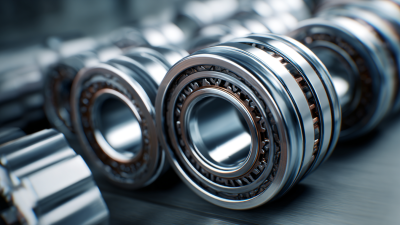
When it comes to cars, a lot of their performance really depends on the condition of their parts—especially those Differential Bearings. These little guys are pretty important because they keep the gears running smoothly and help the whole vehicle run efficiently. But here’s the thing: if these bearings aren’t in great shape, it can lead to more wear and tear, even potential failures. And that’s no good — it can really mess with how your car performs and, more importantly, safety.
At WD Bearing Group, we totally get how tricky Bad Differential Bearings can be. That’s why we’re dedicated to providing top-notch bearings to OEMs across different industries—like automotive, material handling, and agriculture. We’re always investing in the latest machining tools, advanced bearing software, and skilled experts, which puts us in a great spot to solve problems caused by these components. In this blog, I’ll share some of ourbest tips to boost performance and keep those critical bearings working smoothly in automotive applications.
Understanding Differential Bearings: Their Role and Importance in Automotive Systems
You know, differential bearings are pretty crucial when it comes to how your car works. They help make sure power moves smoothly from the engine to the wheels, especially when you're taking turns. Without them, your vehicle wouldn’t handle as well — the outer wheels need to spin faster than the inner ones during a turn, and these bearings make that happen, keeping everything stable and gripping the road. If you’re into cars or work on them, understanding what these bearings do is a big deal — because if they wear out or start acting up, it can seriously mess with how your car runs.
Sometimes, cheaper or low-quality differential bearings can cause more friction, strange noises, or even lead to bigger failures if no one catches the signs early. Things like unusual clunking sounds or steering feeling off can be red flags. To keep these bearings in good shape, it’s smart to stick with regular maintenance — like giving them good lubrication, choosing high-quality parts, and making sure everything is properly aligned. When you pay attention to the health of your differential bearings, you’re not just preventing problems; you’re also making your car safer, more reliable, and giving yourself a smoother ride overall.
Identifying the Signs of Bearing Performance Issues and Their Impact on Vehicle Functionality
Spotting signs of bearing problems can really make a difference when it comes to keeping your vehicle running smoothly and safely. Turns out, about 30% of mechanical issues in cars are linked to worn-out bearings, which is pretty significant. That’s why it’s so important for auto pros to keep an eye on these parts. So, what should you watch for? Weird noises, vibrations getting worse, and temperatures climbing – all signs that the bearing might be about to give up. The Society of Automotive Engineers even points out that tiny irregularities in how bearings work can cut your vehicle’s efficiency by up to 15%. That means you end up with lower fuel mileage and higher costs in the long run.
But it’s not just about mechanical mishaps. Problems with bearings can also be behind up to 20% of roadside breakdowns, which really impacts customer trust and overall satisfaction. Plus, faulty bearings can lead to less efficient engine performance, causing more emissions – something the auto industry is focusing on more and more these days. Keeping up with regular maintenance and using some high-tech diagnostic tools to check on the bearings can really help prevent big issues down the line. At the end of the day, it’s all about making sure your vehicle stays reliable and safe for everyone on the road.
Optimal Lubrication Techniques to Enhance Bearing Longevity and Efficiency
In automotive setups, differential bearings are pretty much the unsung heroes—keeping things running smoothly and reliably. But when those bearings start going bad, paying extra attention to good lubrication is super important. It’s not just about reducing friction; proper lubrication helps dissipate the heat that builds up during operation, which can really boost how long these bearings last. Using high-quality lubricants designed specifically for car differentials can make a big difference, helping prevent wear and tear and keeping everything running more efficiently.
Investing in advanced lubrication methods can also give you even better results. For example, synthetic oils are a game-changer—they offer better thermal stability and stay effective under different loads. And don’t forget, applying the right amount of lubricant at the right times is key to avoiding early failures. Some modern tech, like automatic lubrication systems, can help keep things moving smoothly by consistently delivering the right amount of lube. By focusing on these lubrication tips, automotive folks can get more out of even compromised differential bearings and help them last longer than they would otherwise.
Implementing Regular Maintenance Schedules to Mitigate Bearing Failure Risks
Keeping up with regular maintenance is super important when it comes to preventing bearing failures, especially in cars where everything needs to run smoothly. There’s actually a study by the American Society of Mechanical Engineers that points out if maintenance isn’t up to scratch, bearing failures can cause up to 30% of machine downtime in auto manufacturing. So, by sticking to a solid maintenance routine, car makers can really boost how long their differential bearings last and how reliable they are.
Here’s a tip: make sure you’re doing regular inspections to catch any early signs of wear and tear. Using cool diagnostic tools can help spot weird vibrations or rising temperatures — little things that might otherwise turn into big problems down the road.
And don’t forget about lubrication! Checking and topping up the lubrication periodically can make a huge difference. According to the International Journal of Automotive Technology, doing this properly can actually extend bearing life by up to 50%. Pretty impressive, right?
At WD Bearing Group, we’re all about quality. We provide OEMs in different industries, including automotive, with top-notch machining equipment and a talented workforce. By focusing on regular maintenance and using high-quality bearings, manufacturers can keep things running smoothly and avoid those costly downtimes we all want to steer clear of.
Top Strategies for Maximizing Performance of Bad Differential Bearings in Automotive Applications
| Strategy | Description | Frequency | Impact on Performance |
| Regular Inspection | Periodic checks for wear and tear to catch issues early. | Every 6 months | High |
| Lubrication Management | Ensuring proper lubrication to reduce friction and wear. | Every 3 months | Very High |
| Load Monitoring | Monitoring load conditions to prevent overloads. | Continuous | Medium |
| Vibration Analysis | Using vibration sensors to detect misalignment or imbalance. | Monthly | High |
| Technician Training | Educational programs for staff about bearing maintenance. | Annually | Medium |
Advancements in Bearing Materials and Technology for Improved Automotive Performance
You know, when it comes to automotive performance these days, the tech behind bearings really makes a huge difference—especially when dealing with dodgy differential bearings. Lately, there’s been a shift toward using cooler materials like ceramic composites and high-tech polymers. These things aren’t just fancy; they actually last longer, resist wear better, and keep friction low. That means not only do the bearings hold up longer, but your car also becomes more efficient because it doesn’t waste energy fighting itself during operation. Thanks to these modern materials, differential bearings are better equipped to handle the tough conditions they face on the road, which ultimately boosts their performance.
On top of that, new manufacturing methods—think additive manufacturing and ultra-precise machining—are changing the game. They allow makers to craft bearings with really complex designs, tailored exactly for specific needs. By fine-tuning the shape and smoothness of the surfaces, manufacturers can cut down on noise and vibrations, making your driving experience smoother and quieter. Plus, with advancements in sensor tech, we can now monitor bearing health in real time, catching issues before they turn into big problems. All of these updates are reshaping how differential bearings perform, making them more reliable and efficient for everyday driving.
Analyzing Data Trends: The Impact of Poor Bearings on Fuel Efficiency and Overall Vehicle Costs
Lately, there’s been quite a bit of talk about how poorly performing differential bearings can really throw a wrench in your car’s fuel efficiency. I mean, a 2022 report from the Society of Automotive Engineers (SAE) casually mentioned that bad bearings can boost friction and waste energy, which could mean up to 3% less miles per gallon. Now, that might not sound like a lot at first, but over the years, that small percentage can really add up—especially now, with fuel prices being so unpredictable and folks watching their budgets more than ever.
On top of that, a 2023 study by the Automotive Research Institute pointed out that cars with worn-out differential bearings can rack up an extra $500 to $800 in maintenance costs every year. It kind of hits you—poor bearings not only drain your wallet but also threaten your vehicle’s overall reliability. So, it’s pretty clear that manufacturers and fleet operators should really pay attention to checking and swapping out faulty bearings before they become a bigger problem.
Bringing in smarter monitoring tech and predictive maintenance routines can make a big difference here, helping everyone keep their vehicles running smoothly and save some cash in the long run.
FAQS
: Differential bearings are crucial for the smooth power transfer from the engine to the wheels, allowing outer wheels to rotate faster than inner wheels during turns, which is essential for traction and stability.
Signs of bad differential bearings include unusual noises while driving and difficulty in steering.
The lifespan of differential bearings can be enhanced through optimal lubrication, using high-quality materials, and regular maintenance practices.
Recommended lubrication techniques include using high-quality lubricants tailored for automotive applications, applying synthetic oils for better thermal stability, and ensuring lubrication is applied at correct intervals.
Advancements include the use of high-performance materials such as ceramic composites and advanced polymers that offer superior wear resistance and reduced friction, thereby enhancing durability and efficiency.
Modern techniques like additive manufacturing and precision machining allow for custom-designed bearings that reduce noise and vibration, improving overall performance and driving experience.
Sensor technology enables real-time monitoring of bearing conditions, facilitating predictive maintenance and reducing the risk of bearing failure.
The quality of differential bearings is significant because inferior bearings can lead to increased friction, noise, and potential failure, impacting overall vehicle operation and safety.