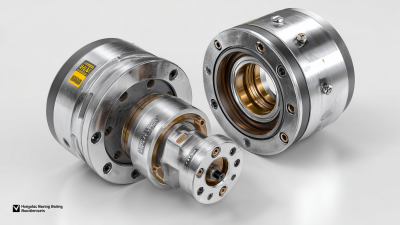
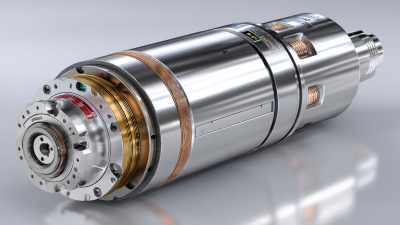
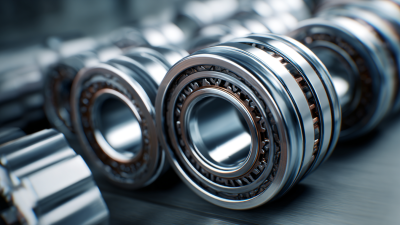
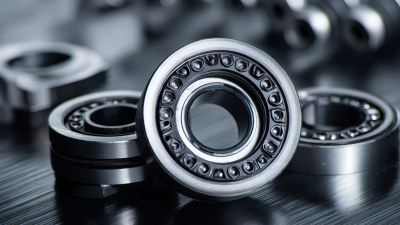
In today’s super competitiveindustrial world, the performance and cost-effectiveness of components really matter — they can make or break operational success. Take Follower Bearings, for example; they’re actually pretty crucial in a bunch of industries like material handling, agriculture, and construction.According to a recent report from MarketsandMarkets, the global bearing market is expected to hit around $100 billion by 2026, mainly because of growing automation and the need for high-performance machinery. 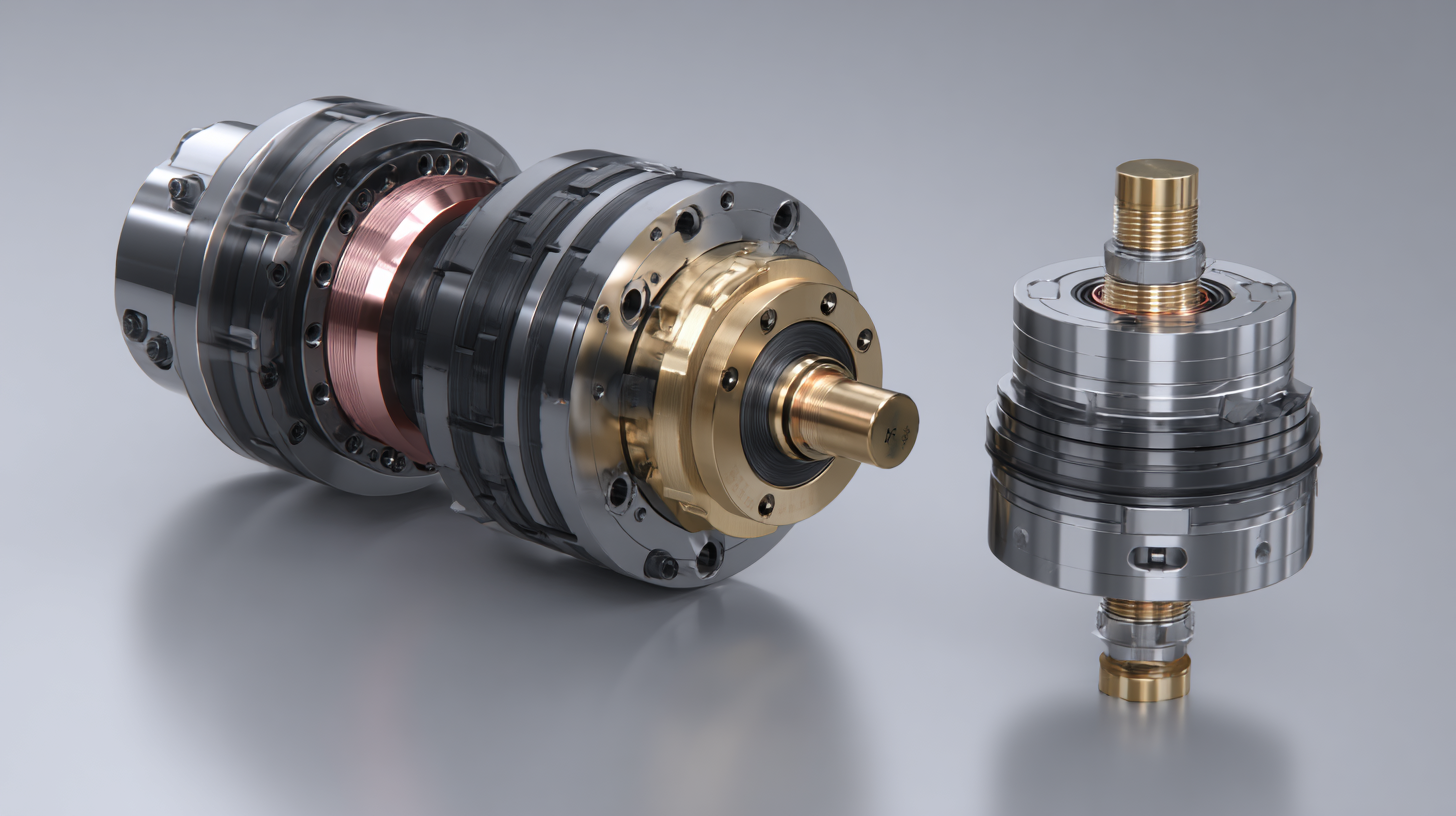 WD Bearing Group totally gets this. They’re always investing in cutting-edge machining equipment and top-notch bearing software to come up with innovative follower bearing solutions. By putting a strong focus on precision and durability, WD Bearings isn’t just aiming to meet OEM expectations — they want to go beyond. Their goal is to deliver top-notch performance and help businesses save costs in the long run. As industries keep evolving, choosing the right follower bearing becomes a big deal, so keeping an eye on the latest trends and innovations is more important than ever for companies that want to stay ahead.
Innovative Follower Bearing Solutions in Automotive: Enhancing Efficiency and Performance
You know, in today’s fast-paced automotive world, chasing after better efficiency and higher performance is more important than ever. That’s where innovative follower bearing solutions come into play—they’re becoming essential components that boost engine performance, cut down on wear and tear, and even improve fuel economy. These specialized bearings are crucial in various parts of the engine, especially in systems like the camshaft and timing mechanisms, where precision really matters. By reducing friction and helping everything stay properly aligned, they make engines run smoother and last longer. And honestly, both car makers and drivers benefit from all this, no doubt about it.
Plus, you can’t overlook how cost-effective these new bearing solutions are. Thanks to smarter materials and better manufacturing techniques, manufacturers are now able to produce lighter yet super durable bearings. Not only do these meet industry standards, but they also help cut down production costs. That means less maintenance needed over the long run and fewer visits to the shop, which is great for everyone. Automotive companies can pass those savings onto us, the consumers, and stay competitive at the same time. As the industry shifts more and more towards sustainability and efficiency, incorporating these advanced bearing solutions really feels like a big step forward—balancing performance with economics in the best way possible.
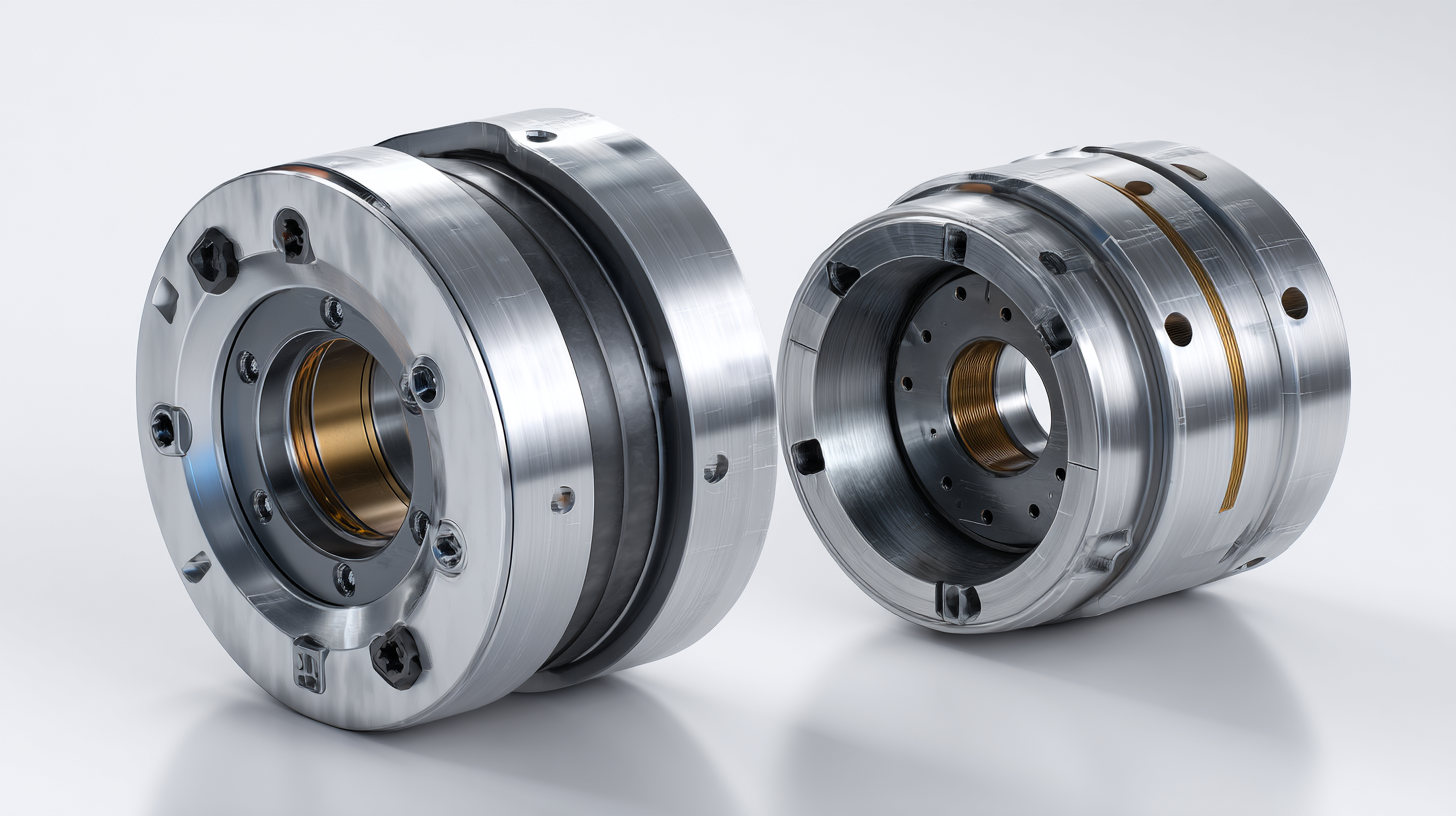
Comparative Analysis of Follower Bearings in Aerospace: Cost vs. Performance Metrics
In the aerospace world, picking the right follower bearings is a pretty big deal. It really impacts how well things perform and how much money you end up spending in the long run. A recent article from the International Journal of Aerospace Engineering pointed out that using some of the more advanced follower bearing options can extend their life by up to 25%. That’s a pretty huge deal because it cuts down on maintenance costs. Plus, bearings made from high-tech materials like ceramic composites can handle really tough conditions—meaning there's a much lower chance of sudden failures that could lead to super expensive repairs.
When you're comparing costs, it’s important to look beyond just what you pay upfront. A study from the Aerospace Bearings Alliance in 2022 showed that choosing top-notch follower bearings could actually cut total lifecycle costs by around 30%. That’s mainly because they last longer and have less friction, which also helps improve fuel efficiency. All in all, this really highlights the need for aerospace makers to strike the right balance—making sure their bearings are safe, reliable, and performance-ready, but also that they’re not breaking the bank in the process.
Breaking Down the Energy Sector: Evaluating Follower Bearing Solutions and Their Impact on Operational Costs
The energy industry is constantly changing, and right now, there's a big push for machinery that's not just efficient but also super reliable. You know, follower bearings play a huge role in this – they're key parts in things like turbines and generators. If these bearings don’t perform well, it can seriously mess with how smoothly everything runs and end up costing a lot more. I recently came across a report from the International Energy Agency that says roughly 20% of the downtime in energy plants is due to bearing failures. That honestly highlights how crucial it is to pick the right follower bearings if you want to keep things running smoothly and avoid losing money.
Investing in high-tech follower bearings can really pay off, too. According to a study from the Global Bearings Market Research, companies that go for top-notch follower bearings tend to cut their maintenance costs by up to 30% and end up with equipment that lasts longer. Plus, the Energy Efficiency and Demand Side Management program points out that better bearing solutions can bump up energy efficiency by nearly 15%. So, in the long run, they help you save a bunch on operational costs.
**Tip 1:** Make it a habit to regularly check how your follower bearings are doing. Catching wear and tear early with predictive maintenance can really extend their lifespan and keep everything running smoothly.
**Tip 2:** Maybe look into hybrid follower bearings that mix traditional materials with some modern composite stuff. They’re usually tougher and can boost efficiency, especially if your setup handles really heavy loads. Just a thought that might make a difference.
Healthcare Industry Demands: Performance Standards and Cost-Efficiency of Advanced Follower Bearing Designs
You know, in healthcare, there's been a real jump in the demand for advanced follower bearing designs. It’s all about balancing high performance with being cost-effective, which is pretty tricky but essential. I came across this report from Grand View Research that says the global bearings market might hit around 256.6 billion dollars by 2026. That really puts into perspective just how vital precision-engineered parts are—especially in medical devices and equipment. WD Bearing Group, they’re really leading the charge here, providing OEMs with cutting-edge bearing solutions that meet all those tough healthcare standards.
These new follower bearings aren’t just built to last; they’re also designed to be more efficient during operation. Markets and Markets did a study that points out how the healthcare sector's growth means bearings need to endure longer—and do so while costing less to maintain. WD’s invested a lot in top-notch machining gear and the latest bearing software, which helps them stay ahead. Plus, with their team of skilled pros, WD Bearings can handle those strict performance demands in medical settings. That way, their bearings keep things running smoothly, even in the most critical environments, and last longer too.
Innovative Follower Bearing Solutions Unveiling Performance Differences and Cost Efficiency Across Industries
| Industry | Performance Standard (Load Capacity) | Cost Efficiency (USD per unit) | Durability (Cycles) | Maintenance Frequency (Months) |
| Healthcare | 5000 N | 200 | 1,000,000 | 12 |
| Automotive | 7000 N | 150 | 1,200,000 | 10 |
| Aerospace | 10000 N | 350 | 2,000,000 | 18 |
| Manufacturing | 6000 N | 120 | 750,000 | 8 |
| Robotics | 8000 N | 250 | 1,500,000 | 15 |
Exploring Industrial Manufacturing: How Follower Bearing Innovations Drive Productivity and Reduce Downtime
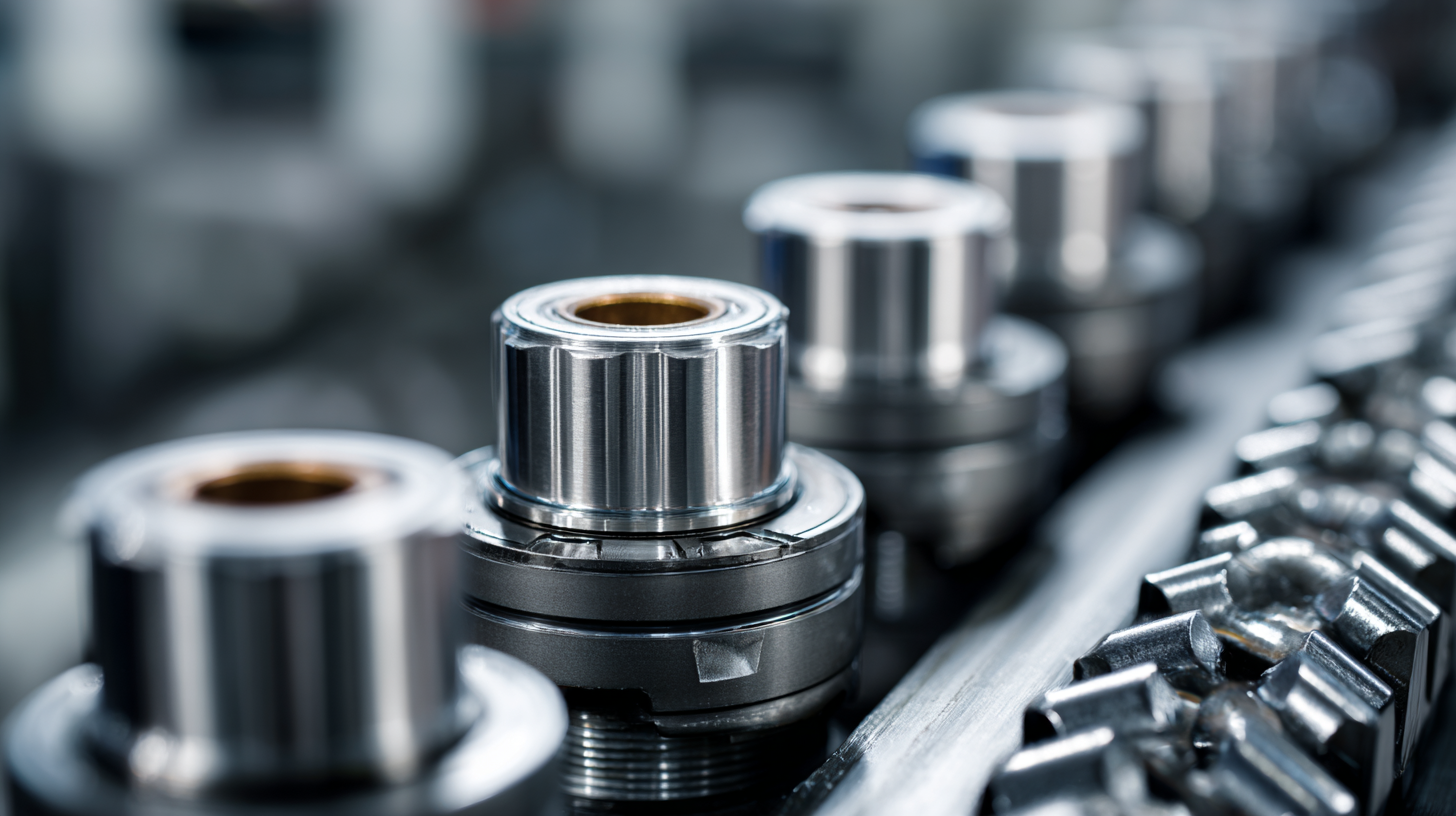 You know, when it comes to industrial manufacturing, one of the game-changers lately has been these new follower bearings. They're really transforming how smoothly everything runs and helping companies get more done in less time. From what I’ve read lately, bearings play a huge role in keeping machines running reliably. In fact, a 2023 report pointed out that about 35% of unexpected shutdowns in factories are due to bearing failures—that’s a pretty big deal. Luckily, with these new, smarter follower bearings out there, engineers now have tools that help cut down on those failures, which means fewer costly stops in production.
These upgraded bearings can handle heavier loads and last way longer, which is such a win for industries with super fast-moving machinery. Take automotive or aerospace manufacturing, for example—they’ve seen their output jump by nearly 15% after switching to these advanced bearings. Even better, the latest analysis suggests that switching to these tech-savvy bearings could save industries as much as 20% on maintenance costs come 2024. All in all, it’s clear that investing in these innovative bearings isn’t just a smart move for efficiency—it’s setting a whole new standard in manufacturing excellence.
Follower Bearing Technologies in Renewable Energy: A Cost-Effectiveness Comparison Across Wind and Solar Industries
The renewable energy world is really going through some exciting changes these days, especially with new follower bearing tech popping up in wind and solar projects. These bearings are pretty much the heartbeat of turbines and solar trackers—they keep things moving smoothly and help cut down energy loss. When we look at how these innovations are playing out in wind versus solar, it actually gives us some pretty interesting insights on how improving follower bearings can boost both efficiency and lifespan.
In wind energy, the stresses are intense— turbines spin at high speeds and have to handle all sorts of weather and load shifts. That’s why having tough, reliable bearings is a must. Recently, tech has improved a lot—they last longer, perform better, and cut down on ongoing maintenance costs. Meanwhile, in the solar side of things, it’s all about chasing the sun accurately. Precise tracking means the bearings have a huge role in keeping the panels aligned properly. Here, saving costs really comes down to reducing downtime and keeping things running smoothly, which makes choosing the right bearings super important.
Both sectors face unique hurdles, but at the core, they’re both about pushing toward sustainability and saving money. By adopting the latest follower bearing tech, companies aren’t just upping performance—they’re making operations more efficient and helping steer us toward a greener future. It’s pretty inspiring, really.
Performance Comparison of Follower Bearing Solutions in Renewable Energy
FAQS
: Follower bearings are specialized components that enhance the functionality of engine systems in vehicles, particularly in camshaft and timing systems. They minimize friction and ensure optimal alignment, leading to smoother operation, reduced wear, improved fuel economy, and extended engine life.
These advanced bearings reduce maintenance requirements and increase service intervals, allowing manufacturers to lower production costs. This, in turn, enables them to pass savings on to consumers while enhancing their competitive edge in the market.
Advanced follower bearings can enhance operational lifespans by up to 25%, significantly reducing maintenance costs. They are designed with high-performance materials that withstand extreme conditions, thereby minimizing the risk of catastrophic failures and high repair expenses.
Aerospace manufacturers need to balance initial costs with long-term savings. Using high-quality follower bearings can lower total lifecycle costs by up to 30% due to their longevity and reduced friction, which improves fuel efficiency and operational efficiency.
Innovative follower bearings improve operational efficiency by reducing the instances of unplanned downtime, which is responsible for around 35% of production interruptions. Their ability to support higher loads and longer lifetimes boosts throughput by nearly 15%.
The economic impact of adopting cutting-edge bearing technologies is projected to save industries up to 20% in maintenance costs by 2024, highlighting the financial benefits of these innovations.
Advances include the use of lighter yet durable materials, enhanced load-bearing capabilities, and technologies aimed at minimizing bearing failures, all of which contribute to improved efficiency and reduced operational costs.
Companies are concentrating on sustainability, efficiency, and cost-effectiveness, integrating innovative bearing solutions that align with these objectives to meet the evolving demands of the automotive landscape.
By minimizing friction and ensuring better alignment, follower bearings enhance engine performance, reduce wear and tear, and contribute to a longer engine lifespan, ultimately benefiting the overall vehicle efficiency.
Conclusion
Hey, so there's this blog titled "Innovative Follower Bearing Solutions: Unmasking Performance Differences and Cost Savings Across Industries," and it’s really interesting. It dives into how follower bearing tech plays a crucial role in a bunch of different sectors. For example, in the automotive world, new designs are actually boosting efficiency and overall performance—pretty cool stuff. Meanwhile, in aerospace, folks are weighing the costs against the performance benefits to find the right balance for their operations. The energy sector is also paying attention, analyzing how different follower bearing solutions can cut operational costs big time. Over in healthcare, there’s a real push for high-performing, budget-friendly follower bearings, and in manufacturing, these innovations are making factories more productive while cutting down on downtime. Plus, renewable energy is checking out how follower bearings perform in wind farms versus solar setups, looking for the best bang for their buck.
Then there's WD Bearing Group—these guys are pretty much at the top when it comes to follower bearing solutions. They serve a whole range of industries like material handling, agriculture, and electric motors. With their constant investments in the latest tech and a talented team, WD is definitely staying ahead of the game, ready to meet what's next in terms of efficiency and cost savings for follower bearings.