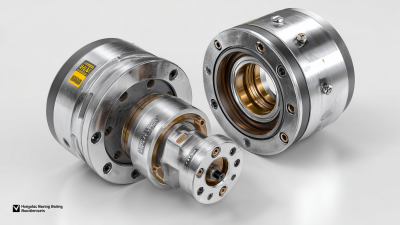
You know, in today's fast-paced industrial world, picking the right bearings is super important for keeping machines running smoothly and lasting longer. Among all the different types out there, Reducer Bearings really stand out with their cool design and special features that are perfect for high-performance settings. Take WD Bearing Group, for example. They’re a go-to supplier for OEMs in all sorts of fields like material handling, agriculture, and construction, and they really know their stuff when it comes to providing quality bearings tailored to specific needs. WD is all about innovation, too. They keep upgrading their machinery and investing in top-notch bearing software to ensure their products are truly exceptional. So, in this blog, we’re going to dive into the various uses of Reducer Bearings and point out some of the unique features and perks that make them a fantastic choice for boosting machinery performance across different industries.
Unique Features of Best Reducer Bearings from China's Leading Manufacturers
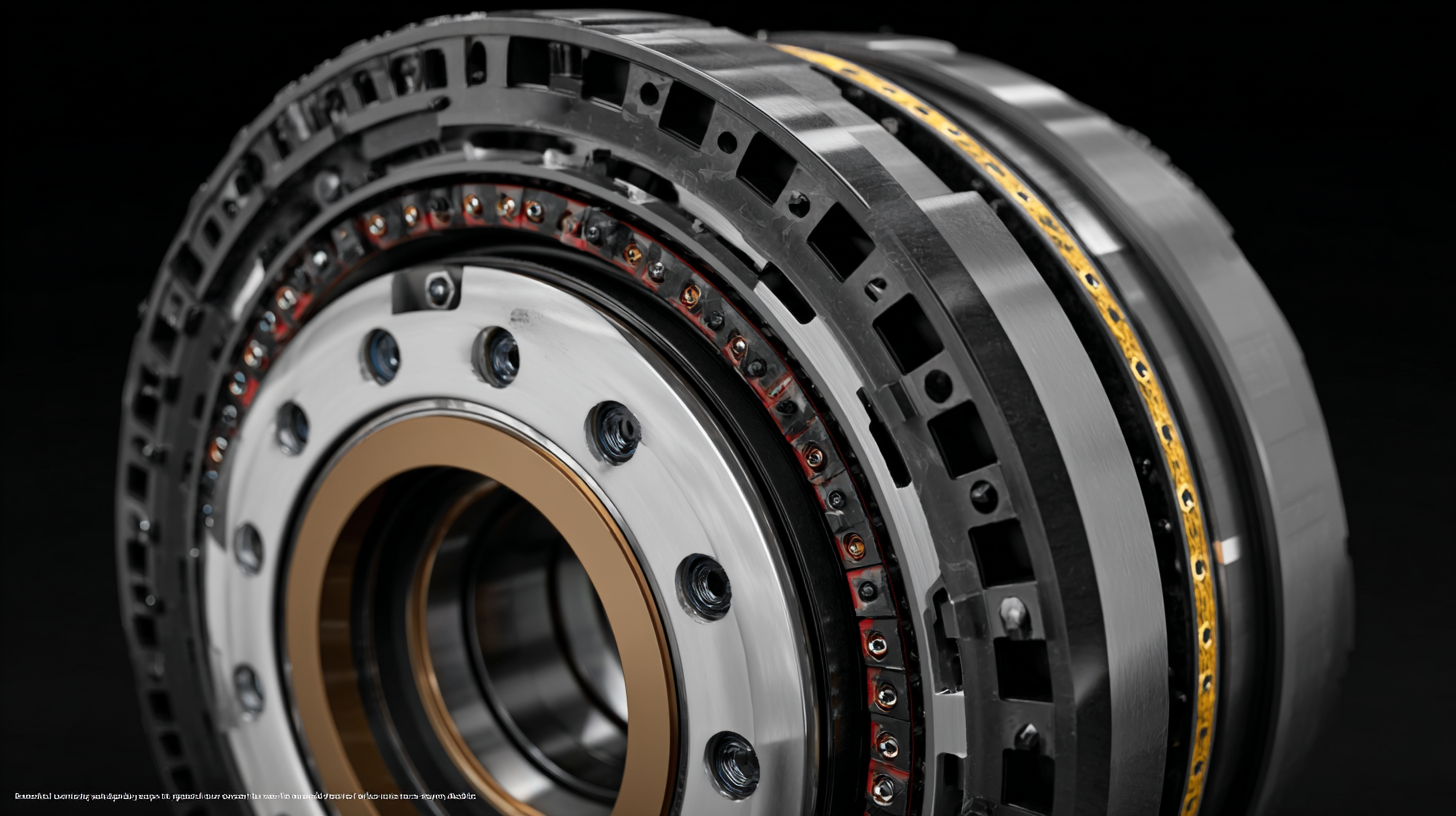
If you’re looking to boost performance in industrial applications, you can’t overlook the best reducer bearings from China’s top manufacturers. These guys really know their stuff! Their bearings not only stand out but come packed with unique features that can make a big difference. They're crafted with durability and efficiency in mind, using advanced materials that help them carry heavier loads while wearing down less over time.
You know, a report by MarketsandMarkets even predicts that the global bearing market will hit a whopping $126.2 billion by 2025. That’s a big jump, and it seems like the rise in automation across all kinds of industries is driving the demand. This just goes to show how crucial high-quality bearings are for achieving top-notch operations.
One of the coolest things about these reducer bearings is their precision engineering. They’re designed to keep friction at a minimum and energy loss even lower. For example, those high-performance roller bearings can boost efficiency by a staggering 20% compared to older models. Plus, many of the leading manufacturers in China are all about using the latest tech like precision forging and heat treatment. This really kicks up the reliability and lifespan of their products.
And here's a fun fact: Research from Grand View Research has shown that adopting these innovative technologies can seriously cut down maintenance costs, which is a win for overall productivity in manufacturing. As industries keep evolving, I think integrating these advanced reducer bearings is going to be key for staying efficient and competitive.
Global Impact of China's Reducer Bearings on Various Industries
You know, China has really stepped up its game in the global reducer bearings market lately. It's kind of impressive how much it’s affecting industries like automotive and renewable energy. I came across this report from MarketsandMarkets, and it said the global bearing market is on track to hit a whopping $100 billion by 2025—a big chunk of that is thanks to the efficiency and reliability of reducer bearings. With China's top-notch manufacturing skills and pretty competitive prices, they're able to churn out high-quality bearings that can handle the tough demands of various industrial applications.
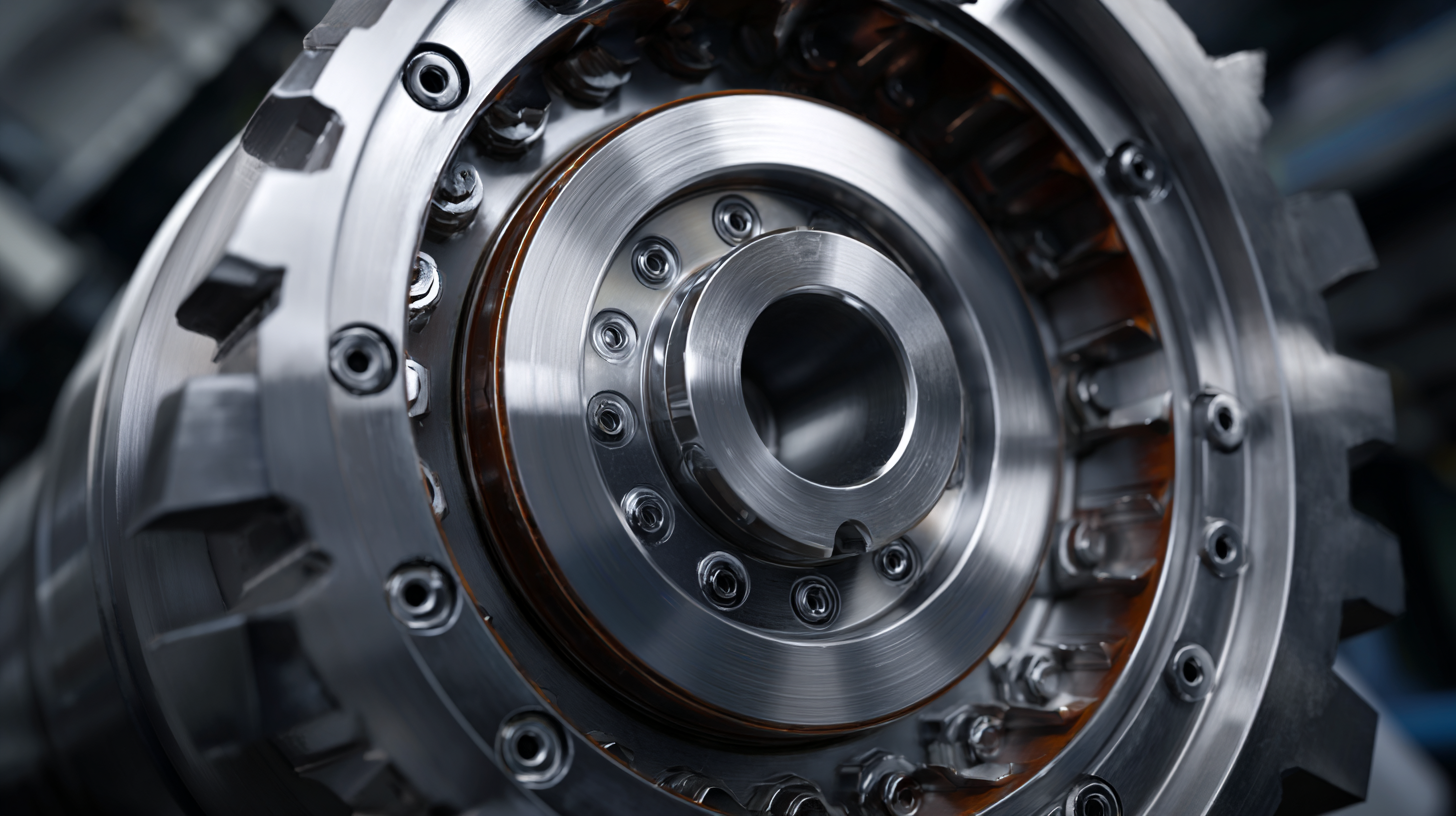
Take the automotive world, for instance. China's reducer bearings are playing a crucial role in making cars more fuel-efficient and boosting overall performance. There’s even a study from Allied Market Research that predicts the automotive bearings segment will grow at a rate of 5.6% annually from 2020 to 2027. What’s really exciting is how these bearings are being used in electric vehicles, helping to cut down on energy loss from friction—definitely a step towards a more sustainable future. And it’s not just cars; industries like construction and manufacturing are leaning heavily on these bearings for their heavy equipment, really reinforcing China’s status as a key player in high-performance bearing solutions. Pretty neat, right?
Comparative Analysis: Best Reducer Bearings vs. Competitors
When you're thinking about how well your machinery performs and how long it lasts, the choice of reducer bearings really matters. We’ve dug into a side-by-side comparison of the top reducer bearings and their competitors, and let me tell you, there are a few standout factors that really make a difference. For starters, those high-performing bearings often come with higher load capacities, better resistance to wear and tear, and less friction. All of this combines to boost efficiency and cut down on downtime—which is definitely a win for any industrial application.
One tip for when you're picking out a reducer bearing: don’t just look at the specs. The manufacturer’s reputation is super important, too. Established brands usually put a lot into research and development, which ends up giving you better products with cutting-edge technology.
Another thing that really sets the best reducer bearings apart is how adaptable they are. Unlike many of their competitors, these bearings can tackle a wide range of operating conditions, from extreme temperatures to varying speeds. This kind of versatility means they can hold up in all sorts of industrial settings without skipping a beat.
Oh, and one last thing: it’s always a good idea to consult with industry experts or do a little deep dive research. You want to make sure the bearing you choose meets your specific operational needs. Choosing the right one for your machinery can make a huge difference in productivity!
Innovative Technologies in Reducer Bearings for Enhanced Performance
You know, innovative tech in reducer bearings is really crucial for boosting the performance and durability of mechanical systems in all sorts of industries. Just recently, I came across some reports saying that the global market for reducer bearings is on track to hit around $1.6 billion by 2025. What’s driving this growth? Well, it's largely thanks to some seriously cool advancements in material science and precision engineering. As businesses increasingly look for better efficiency and reliability, manufacturers are hopping on board with high-performance materials like ceramics and advanced composites. These innovations can actually cut down friction and wear, which can ramp up overall efficiency by as much as 20%. That’s pretty vital, especially in high-speed scenarios.
Another interesting trend is how smart technologies are making their way into reducer bearings. Imagine bearings that are equipped with IoT sensors! They can send real-time data about performance conditions, which is a game changer. This means companies can jump on proactive maintenance and slash unexpected downtimes by about 30%. Those using smart systems are not just boosting their efficiency; they’re also getting more life out of their equipment because they can jump in with timely analytics and interventions.
So, here’s a little tip: if you’re on the hunt for reducer bearings, think about going for models that come with advanced lubrication systems. They really help with heat dissipation. And hey, make sure to pick suppliers who provide data analytics for predictive maintenance. It can save you from potential failures before they even happen, which in turn saves you a bunch of time and money on unexpected repairs.
Case Studies: Success Stories of Reducer Bearing Applications Worldwide
When it comes to engineering, using the right reducer bearings is super important for boosting machine efficiency in all kinds of industries. Companies all over the world are jumping on the bandwagon, and the results are pretty impressive! Take the automotive sector, for example. One major car manufacturer decided to upgrade their assembly line robots with high-performance reducer bearings. This move cut down on mechanical failures by a noticeable margin and really sped things up, making production flow smoother than ever.
And it’s not just cars! In the renewable energy game, a wind turbine manufacturer came up with a clever use of specialized reducer bearings to make their systems way more reliable. The way these bearings are designed means less friction and wear, which ultimately leads to longer stretches between maintenance and better energy conversion efficiency. This whole scenario isn’t just about cool tech—it also saves money. With lower maintenance costs and more uptime, you can bet that profitability takes a nice boost. These success stories really show how the right reducer bearings can change the game and help businesses thrive in different fields.
Future Trends in Reducer Bearing Manufacturing and Export Strategies
You know, the reducer bearing industry is really on the brink of some exciting changes. Manufacturers are starting to embrace advanced tech and sustainable practices more than ever. A report from Market Research Future mentions that the global bearings market is expected to grow at about 5.5% each year from 2020 to 2027. A big part of that growth is coming from sectors like material handling, agriculture, and construction. Companies like WD Bearing Group are leading the charge here, using cutting-edge machining equipment and specialized software to boost product quality and ramp up manufacturing efficiency.
But it’s not just about tech; having a solid export strategy is becoming super important too, especially with the way the global market is shifting. OEMs in various industries are really looking for reliability and performance, and that’s where WD Bearings shines. They’re great at providing tailored solutions that fit exactly what clients need. Plus, recent insights from Research and Markets show that the Asia-Pacific region is set to experience the most growth in bearing exports, thanks to a surge in infrastructure projects and industrial automation. This really drives home the need for strong supply chains and partnerships if you want to stay competitive in the reducer bearing market. WD Bearing Group’s dedication to skilled labor and innovation really matches up with these global trends, helping them meet the ever-changing demands of their clients.
FAQS
: The best reducer bearings are characterized by higher load capacities, improved resistance to wear and tear, and lower friction levels, resulting in enhanced efficiency and reduced downtime.
A well-established manufacturer typically invests in research and development, which leads to advanced technology and superior product quality.
The best reducer bearings can handle a diverse range of operating conditions, including extreme temperatures and varying speeds, ensuring consistent performance in different industrial environments.
It's important to consult with industry experts or conduct thorough research to tailor your choice to the unique needs of your machinery, which can enhance productivity.
The industry is experiencing significant transformations due to advancements in technology and sustainable practices, with a projected market growth at a CAGR of 5.5% from 2020 to 2027.
Key sectors driving demand include material handling, agriculture, and construction.
Export strategies are becoming critical as companies look for reliability and performance in response to global market dynamics, with a focus on robust supply chains and partnerships.
The Asia-Pacific region is anticipated to see the highest growth, driven by increased infrastructure projects and industrial automation.
WD Bearing Group is leveraging advanced machining equipment and specialized software to enhance product quality and manufacturing efficiency, aligning with global shifts in the market.
WD Bearing Group is committed to skilled labor and innovation, enabling them to meet the evolving needs of their clients in the reducer bearing market.