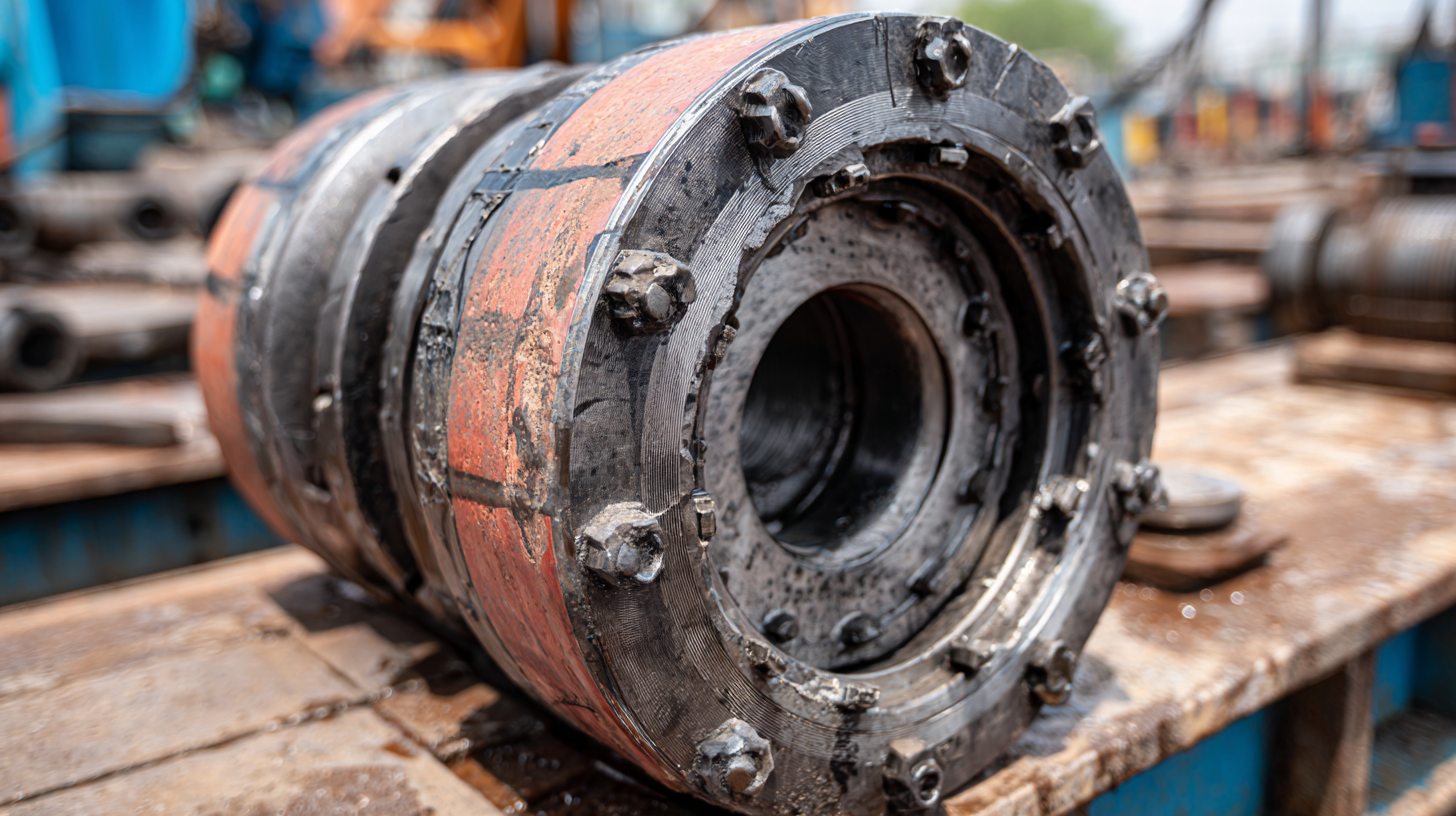
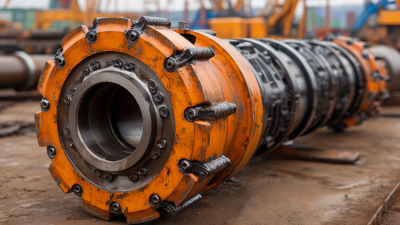
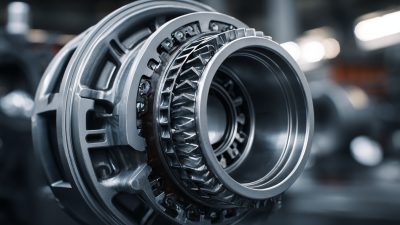
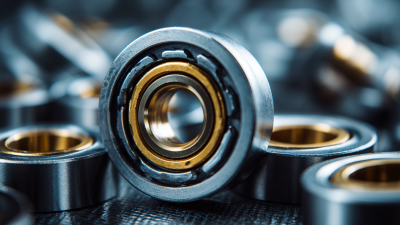
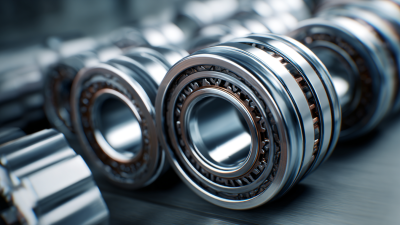
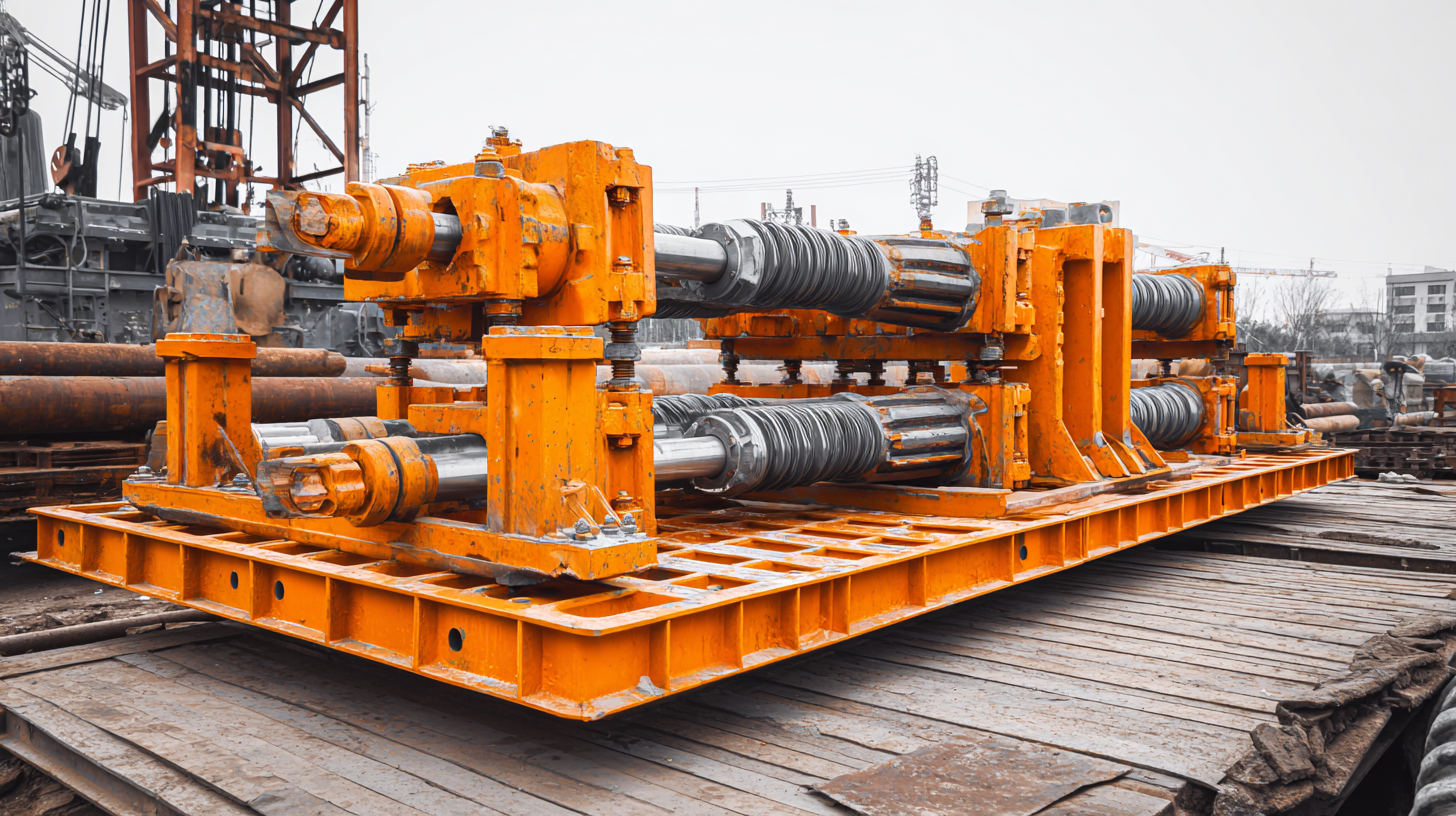
When it comes to drilling operations, you really can't underestimate how important components like Mud Pump Bearings are. These little guys are crucial—they help keep the mud pumps running smoothly and reliably, which is super important for circulating drilling fluids effectively. Since drilling stuff is tough on equipment, the quality of these bearings needs to be top-notch.
WD Bearing Group, for instance, is all about delivering high-quality bearings to various OEMs, whether it’s in construction, agriculture, or other industries. They’ve invested in state-of-the-art machining tools, smart software, and building a talented team to make sure their mud pump bearings can handle the tough conditions of drilling.
Basically, choosing the right mud pump bearing can seriously boost performance, cut down on downtime, and make your drilling operations just run more smoothly overall.
Identifying the Role of Mud Pump Bearings in Drilling Efficiency
When you're out there drilling, you quickly realize how important mud pump efficiency really is. And honestly, the bearings in those mud pumps play a huge role—you can’t overlook them. They basically support the rotating parts, making sure everything runs smoothly and without a hitch. A report from the American Petroleum Institute (API) even says that up to 60% of mechanical failures in drilling equipment come back to bearing problems. That really drives home how crucial it is to have reliable, high-quality bearings to keep things running without issues.
On top of that, how well those bearings perform has a direct impact on your overall drilling productivity. There's this study from the Society of Petroleum Engineers (SPE) which shows that if you keep your bearings in good shape, you could bump up pumping efficiency by around 20%. That’s a big deal because it can help speed up the rate of penetration and cut down on those boring periods where nothing's happening. So, choosing the right bearings for your specific drilling environment—and keeping them in check through regular inspections—is super important. Knowing all this, drilling folks can really boost their operational efficiency and avoid wasting money on equipment repairs or replacements. It’s all about staying on top of those little details that make a big difference in the long run.
Common Types of Mud Pump Bearings and Their Applications
Mud pump bearings might not be something folks think about every day, but trust me, they're pretty darn important when it comes to drilling. These little components keep the mud pump running smoothly and reliably. There are a few main types of mud pump bearings out there, each suited for different jobs during the drilling process. The most common ones you'll hear about are roller bearings, sleeve bearings, and thrust bearings.
Now, roller bearings are kinda the rockstars here—they handle heavy radial loads like champs, making them perfect for those tough, heavy-duty drilling tasks. Sleeve bearings, on the other hand, are simpler and usually used in lighter operations—they’re easy to maintain and don’t usually cause headaches. Thrust bearings, meanwhile, play a crucial role in managing axial loads, helping prevent any misalignment while you're working away.
A quick tip: keeping your mud pump bearings in good shape with regular checks is super important. If you spot signs of wear or damage early on, it’s best to swap them out sooner rather than later—otherwise, you might end up facing costly downtime.
Choosing the right bearing for your specific drilling environment is key, especially if you're dealing with harsh conditions like high temps or corrosive materials. Sometimes, going for bearings made from advanced materials tailored for extreme conditions can really boost performance and lifespan. It’s kind of like investing in quality gear—it pays off in the long run by saving you money and making things run more smoothly.
And hey, when you're picking out bearings for your mud pump, don’t hesitate to chat with a bearing expert. They're the pros and can help make sure you get the right fit and performance—that way, you’re all set for a successful operation.
Understanding the Importance of Mud Pump Bearings in Drilling Operations
| Bearing Type | Material | Load Capacity (lbs) | Applications | Maintenance Frequency (Months) |
| Tapered Roller Bearings | Steel | 5000 | Drilling Rig Applications | 6 |
| Deep Groove Ball Bearings | Stainless Steel | 3000 | Mud Pumps | 12 |
| Spherical Roller Bearings | Bronze | 6500 | Heavy Duty Drilling | 8 |
|
Cylindrical Roller Bearings | Alloy Steel | 5500 | Mud Pump Drivetrain | 5 |
| Thrust Ball Bearings | Carbon Steel | 2000 | Pump Shaft Support | 10 |
Key Factors Affecting Mud Pump Bearing Performance
Mud pump bearings are pretty much the backbone when it comes to making sure drilling runs smoothly and reliably. There are a few key things that really impact how well these bearings perform, so it’s really worth understanding them if you want things to go as planned. For starters, lubrication is a big deal — keeping everything well-lubricated cuts down on friction and wear, which in turn helps the bearings last longer. It’s a good habit to check on the lubricants regularly and top them up when needed — neglecting that can lead to breakdowns, and nobody wants costly downtime.
Another important factor is the quality of the materials used in the bearings. Using high-grade stuff means they can handle the tough conditions out in the field — like crazy high pressure and extreme temperatures. Plus, choosing the right bearing design can make a real difference too. Different setups and clearances can be adjusted depending on what the drilling environment calls for. By keeping an eye on these things — lubrication, material quality, and design — operators can help boost the performance of mud pump bearings, which means more efficient drilling and less money spent on maintenance. It’s all about paying attention to the details to keep everything running smooth as butter.
Preventive Maintenance Strategies for Mud Pump Bearings
Taking care of the mud pump bearings with preventive maintenance is honestly a big deal if you want your drilling operations to go smoothly. It’s all about doing regular checks—looking out for wear and tear, making sure lubrication levels are right, and keeping everything aligned. These little efforts can really add years to how long your bearings last and help you avoid those annoying, unexpected breakdowns. It’s a good idea to set up a maintenance schedule that includes detailed inspections at set intervals—this way, you catch potential issues early before they turn into big problems.
Oh, and a quick tip—make sure you’re using top-notch lubricants that match the specific conditions your mud pumps are working under. Also, don’t forget to clean out any dirt or debris during maintenance—it might seem small, but that stuff can wear down your bearings pretty fast. Keeping a detailed record of all maintenance work helps you spot patterns and performance trends down the line.
Another smart move is to keep an eye on temperature and vibration. If you notice anything unusual—like a spike in either—that’s a signal to check things out immediately. Some folks swear by using vibration monitoring tools to establish a baseline for what’s normal, making it easier to spot when something’s off. And training your team to recognize strange noises or weird pump behaviors can really speed up problem detection, saving you a headache later. Overall, adopting a predictive maintenance approach not only cut down on downtime but also makes your drilling job way more efficient.
Troubleshooting Common Mud Pump Bearing Issues
Mud pump bearings are really key parts when it comes to drilling — they pretty much control how well the mud pumps perform and how long they'll last. That said, they can run into all kinds of issues, which can mess up operations and lead to costly downtime if you're not careful. Getting to know the common problems with these bearings is pretty much essential if you want your drilling process to run smoothly.
One of the most common headaches is not lubricating properly. If you skip on that or use the wrong lubricant, the bearings can wear out way faster or even seize up. So, it’s a good idea to keep a close eye on lubricant levels regularly and always stick to the type recommended by the manufacturer. Also, don’t forget to keep an eye on the bearings’ temperature — if they start overheating, it’s better to catch it early before things get serious.
Tips: Try to set up a routine for lubricating the bearings, following the manufacturer’s guidelines — trust me, a consistent schedule can save you a lot of trouble. And keep an ear out for unusual noises or weird vibrations; these could be signs that something's off, like misalignment or bearing wear. Doing regular visual checks can catch small issues before they turn into big, expensive problems — making sure your drilling stays efficient and effective.
Upgrading Mud Pump Bearings for Enhanced Drilling Operations
Getting those mud pump bearings upgraded is a pretty big deal when it comes to drilling. They’re kind of the unsung heroes—if they’re working well, everything else just runs smoother. Better bearings mean less friction, more load capacity, and they tend to last longer, which is a huge plus for keeping the equipment in good shape. Investing in newer, smarter bearing tech isn’t just about improving performance; it’s about keeping the whole operation running without hiccups. This is especially true out in tough environments where you really can’t afford any surprises or breakdowns.
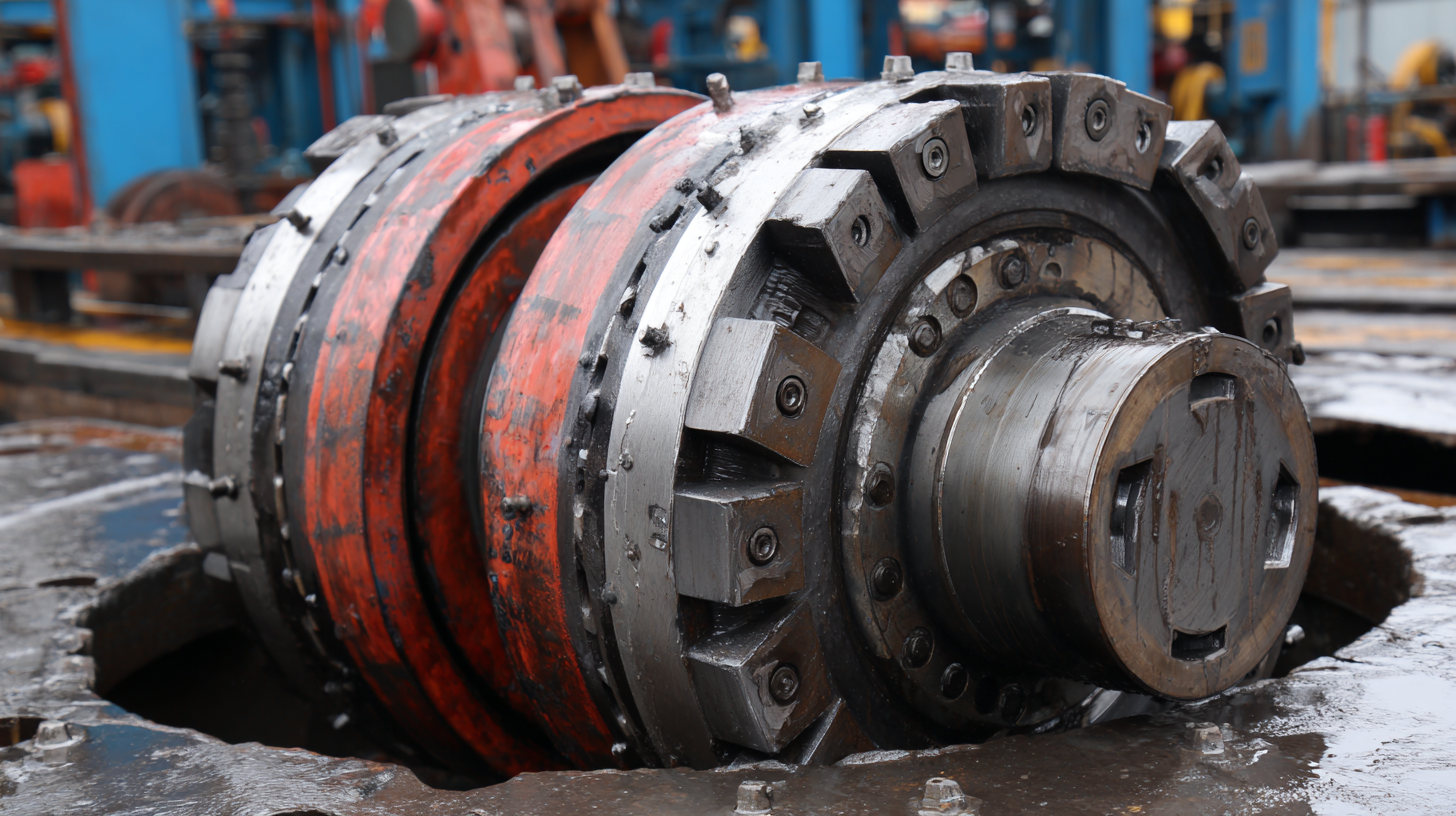
Plus, the latest materials and designs in mud pump bearings do a better job fighting off wear and corrosion, which are common headaches in drilling. Upgrading to these modern solutions doesn’t just boost the pump’s performance—it also makes the whole process safer and more efficient. When you’ve got the right gear, operators can drill more consistently, cut down on maintenance costs, and improve safety on-site. All of this adds up to more successful drilling campaigns, and who doesn’t want that?
FAQS
: Mud pump bearings serve as the support system for rotating components in drilling equipment, ensuring smooth and effective operation, which is critical for the efficiency of mud pumps.
Properly maintained bearings can enhance pumping efficiency by as much as 20%, positively influencing the rate of penetration and reducing non-productive time during drilling operations.
The most common types of mud pump bearings include roller bearings, sleeve bearings, and thrust bearings, each designed for specific drilling applications and conditions.
Regular maintenance is crucial; operators should check for signs of wear and replace bearings at the first indication of damage to avoid costly downtime.
Selection should be based on specific drilling conditions. Specialized bearings made from advanced materials are recommended for extreme environments such as high temperatures or corrosive materials.
Consulting with a bearing expert ensures that the selected bearings meet performance standards and are compatible with the specific mud pump and drilling conditions.
Upgrading to high-performance bearings reduces friction, increases load capacity, extends the lifespan of pumping equipment, and minimizes downtime due to mechanical failures.
Advanced materials and designs provide better wear and corrosion resistance, addressing common challenges in drilling, resulting in enhanced performance and reliability.
Upgraded bearings enhance drilling performance, reduce maintenance costs, improve safety measures on-site, and contribute to more successful drilling campaigns.
Conclusion
Mud pump bearings are pretty essential when it comes to making drilling work smoother and more efficient. Basically, they keep those mud pumps running without a hitch during all sorts of drilling activities. If you really want to get it right, it helps to know the different types of mud pump bearings out there and what they’re best suited for—that way, you pick the right ones that can handle some tough conditions. Things like load capacity, lubrication, and what materials they’re made from really do matter for performance. That’s why operators need to stay on top of preventative maintenance. And if you run into issues—whether it’s troubleshooting common problems or thinking about upgrading—you can keep the drilling process reliable and moving efficiently.
Companies like WD Bearing Group are pretty good at supplying top-notch mud pump bearings designed specifically for the drilling industry. They use advanced manufacturing tech and have skilled folks behind the scenes, which helps them stay ahead. Their focus on quality and innovation means they can meet the varied needs of OEMs across different sectors. All in all, it just highlights how important good mud pump bearings are when you’re trying to optimize drilling operations.