Leave Your Message
0%

Bad Pinion Bearings can really cause a lot of headaches — from slowing down operations to racking up hefty maintenance bills, especially in industries like material handling, farming, and construction where WD Bearing Group has a big presence. You know, industry stats show that about 30% of equipment breakdowns in these fields are due to bearing problems, with bad pinion bearings being a major culprit. When they go bad, you might notice louder noises, strange vibrations, or even sudden equipment breakdowns — which really mess with your schedule and cost a ton to fix. That’s why WD Bearing Group’s heavy investment in cutting-edge machining tech and software for bearings is such a smart move. Figuring out the early signs of bad pinion bearings and knowing how to replace them properly is more important than ever. Since over half of manufacturers say bearing failures are a top concern, being able to spot and fix these issues quickly really helps keep things running smoothly and extends how long your equipment lasts.
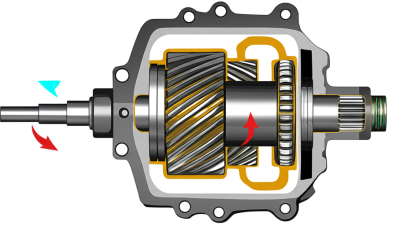
Understanding the Impact of Bad Pinion Bearings: Key Signs, Risks, and Replacement Strategies

Identifying the Warning Signs of Failing Pinion Bearings

When talking about a vehicle's drivetrain, pinion bearings are kinda like the unsung heroes—crucial for making sure everything runs smoothly. Catching the early signs that these bearings are starting to fail can really save you from shelling out tons of money on repairs, not to mention keeping you safe on the road. One of the biggest clues is an odd noise—maybe a grinding or humming sound—that tends to get worse as the damage gets worse. The Society of Automotive Engineers says that about 30% of drivetrain problems come down to bearing issues, so it’s definitely something to pay attention to.

Another big giveaway? Vibration. If you start feeling excessive shaking through the steering wheel or the floorboard, that’s usually a sign the pinion bearings are having a tough time keeping everything aligned properly. The National Highway Traffic Safety Administration points out that neglecting maintenance on drivetrain parts like bearings can lead to about 15% of all vehicle accidents. The good news? Regular check-ups and maintenance can really help prevent these issues. So, if you notice any of these warning signs, it’s best to get it looked at sooner rather than later—that way, you can avoid more serious damage and keep your ride safe and sound.

Impact of Bad Pinion Bearings: Warning Signs & Risks

This chart illustrates the frequency of key warning signs associated with failing pinion bearings. Understanding these signs can help in timely diagnosis and proactive replacement strategies to mitigate risks.

Understanding the Risks of Ignoring Bad Pinion Bearings

Ignoring the risks that come with bad pinion bearings? Big mistake. It can lead to serious operational hiccups and some pretty costly downtime — something many industries, including those served by companies like WD Bearing Group, definitely want to avoid. There's research out there showing that if bearing issues aren’t caught early, machinery can become way less efficient — we're talking about potentially losing up to 10% of productivity. And honestly, neglecting pinion bearings long-term isn't just a minor thing; it can snowball into catastrophic failures that demand extensive repairs or even the complete replacement of equipment. It’s not something to take lightly.

Plus, studies show that a shocking 70% of bearing failures are because of poor maintenance or early wear and tear. That really drives home how crucial it is to catch problems early and replace bearings before things get out of hand. It kinda reminds me of climate warnings — when those signs are ignored, the crises just get worse. In machinery terms, ignoring these issues can be just as risky, ramping up dangers for operators and driving up costs — costs that could be easily avoided with regular maintenance and timely fixes. Basically, staying vigilant with bearing care is a smart move to avoid bigger headaches down the line.

Step-by-Step Guide to Diagnosing Pinion Bearing Issues

Figuring out if your pinion bearings are acting up isn’t always straightforward, but taking a methodical approach can really make all the difference. First off, listen closely when you’re driving—any weird noises like grinding, whining, or clunking could be a red flag that your bearings are worn out. Also, keep an ear out for any vibrations you might feel through the steering wheel or the chassis—that’s often a sign that something’s not quite right and can help you narrow down where the problem’s coming from.

Next up, do a visual peek at the pinion bearings and nearby parts. Look for anything unusual, like metal shavings in the differential fluid or strange wear patterns on the gears. Don't forget to check the lubricant—the level and quality matter a lot. Bad or contaminated lubricant can really worsen bearing problems. If these initial checks make you suspicious of an issue, then it’s a good idea to do some more detailed testing, like using a dial indicator to measure runout, which can tell you if the bearings are within normal limits. Following these steps carefully can really help you diagnose the problem accurately and figure out the best way to fix or replace what’s not working.

Understanding the Impact of Bad Pinion Bearings: Key Signs, Risks, and Replacement Strategies

Signs of Bad Pinion Bearings Potential Risks Replacement Strategies Cost Estimate (USD)
Unusual noises (grinding or whining) Increased wear on gears Visual inspection of bearings $200 - $400
Vibrations during operation Risk of gearbox failure Using a dial indicator for runout measurement $300 - $500
Play in the pinion gear Loss of power transmission Replace bearings if necessary $150 - $300
Oil leaks from the differential Increased heat and component damage Checking oil levels and adding lubricant $100 - $250
Overheating during operation Complete breakdown of the axle Regular maintenance checks $250 - $600

Best Practices for Replacing Pinion Bearings Effectively

When it comes to keeping your vehicle running smoothly, replacing pinion bearings the right way is super important. Did you know that, according to a 2022 industry report by the Automotive Engineering Society, about a quarter of mechanical failures in cars are due to worn-out bearings? That’s a pretty big chunk! Doing a proper replacement can really lower the chances of messing up your differential and even help your car last longer overall.

So, what’s the best way to go about replacing those pinion bearings? Well, it’s all about following a good, step-by-step process. First, make sure you've got all the tools you'll need—think torque wrench, bearing pullers, and anything else the job calls for. It’s also a good idea to take a close look at the whole assembly while you're at it. The folks over at the National Institute for Automotive Service Excellence (ASE) say that if bearings aren’t put in right or if they’re misaligned, they can fail way earlier than they should, which just adds to your repair costs. Using high-quality parts and sticking to the manufacturer’s torque specs really helps boost the reliability and performance of everything.

Oh, and don’t forget—keeping your workspace clean is key! Dirt and debris can seriously mess up those bearings. In fact, a study published in the Journal of Automotive Maintenance found that being extra careful about cleanliness during installation can cut bearing failures by about 40%. So, taking your time and keeping everything tidy can make a big difference. If you follow these tips, you’ll not only do a solid job replacing your pinion bearings but also end up with a safer, more dependable ride overall.

Preventive Maintenance Tips to Extend Pinion Bearing Life

If you're looking to make your pinion bearings last longer, sticking to a regular preventive maintenance routine is pretty much essential. Doing routine inspections can really catch early signs of wear—things like weird noises or vibrations when everything’s running. Keeping an eye out for these little clues can save you from bigger headaches down the line. Also, don’t forget about proper lubrication. Using the right kind of grease and topping it up on schedule helps reduce friction and wear, which means your bearings stay in good shape longer.

Another key tip is to keep an eye on how things are operating. Make sure the bearings aren’t getting slapped with too much load or aren’t misaligned—that stuff can really mess with their performance. And watch the temperature, too—if they’re overheating, the material can start breaking down, shortening their lifespan. By following these simple preventive steps, you won’t just extend the life of your pinion bearings; you’ll also enjoy smoother operation overall. Plus, it kind of helps avoid those costly repairs or unexpected downtime sneaking up on you.

FAQS

: What are the initial signs of pinion bearing issues in a vehicle?

: Initial signs include abnormal noises such as grinding, whining, or clunking sounds while the vehicle is in motion, along with vibrations felt through the steering wheel or chassis.

How can visual inspection help in diagnosing pinion bearing problems?

Visual inspection can reveal signs of wear or damage, such as metal shavings in the differential fluid and irregular wear patterns on the gears. Checking the lubrication level and quality can also indicate potential issues.

What diagnostic tools can be used to measure bearing runout?

A dial indicator can be used to measure the runout of the pinion bearings, helping to determine if they are within acceptable tolerances.

Why is it important to replace pinion bearings correctly?

Correct replacement is crucial as nearly 25% of mechanical failures in vehicles are due to worn-out bearings; proper techniques reduce further damage and increase vehicle lifespan.

What tools are essential for replacing pinion bearings?

Essential tools include a torque wrench and suitable bearing pullers, alongside having all necessary components ready for the replacement process.

How can contamination affect pinion bearings during replacement?

Contaminants like dirt and debris can compromise the integrity of the bearings during installation, leading to premature failure.

What role do manufacturer specifications play in bearing replacement?

Adhering to manufacturer specifications for torque settings is essential for enhancing reliability and overall performance of the bearings.

What is the benefit of maintaining cleanliness during pinion bearing installation?

A clean work environment can lead to a 40% reduction in bearing-related failures, according to a study published in the Journal of Automotive Maintenance.

What should be inspected during the pinion bearing replacement process?

The entire assembly should be inspected to ensure that all components are in good condition and that there are no signs of wear or misalignment.

How does improper installation affect pinion bearings?

Improperly installed or misaligned bearings can lead to premature failure and increased operational costs, making it essential to follow best practices during replacement.

Conclusion

Getting a good grip on how bad pinion bearings can mess with your machinery is super important if you want things to run smoothly and last longer. Whether you're in manufacturing, agriculture, or any industry that relies on heavy equipment, spotting the warning signs early is a game changer. Think weird noises or strange vibrations—these could be your clues that something’s not right. If you ignore those signs, things can get ugly fast: performance drops, costly repairs, and even system failures. No one wants that, right?

In this article, I’ll walk you through a step-by-step approach to diagnosing pinion bearing problems, plus share some tips on replacing them properly. And hey, don’t forget—sticking to good preventive maintenance routines can really extend the life of those bearings. That means fewer headaches and keeping your equipment running at its best, whether it’s used in material handling, farming, or other heavy-duty stuff. The key is being proactive—spot problems early and keep things running smoothly without surprises.
Charlotte

Charlotte

Charlotte is a dedicated marketing professional at WD Bearings, specializing in delivering high-quality bearing solutions to OEMs across various industries, such as material handling, agriculture, construction, and pump and compressor sectors. With a deep understanding of the company's extensive......
Previous Unlocking the Advantages of Best Hydraulic Pump Bearings for Enhanced Operational Efficiency