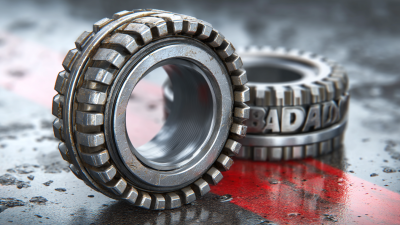
When you're trying to figure out what's wrong with your car, a pretty common culprit is often a Bad Pinion Bearing. The Automotive Engineers Association mentions that about 20% of mechanical issues come from bearing problems, which is quite a chunk. You might notice your ride making weird noises or vibrating a bit more than usual—that's usually a sign you should get it checked out ASAP. Ignoring this kind of thing can really mess up your car, and in the long run, it might end up costing you quite a bit—up to half as much in repairs if you delay fixing it. Getting ahead of these issues by paying attention to early warning signs is the smart move. Regular check-ups could save you a lot of trouble down the line. If your car starts grinding or whining, don’t ignore it. Those sounds are like your vehicle’s way of telling you something’s off. Also, just a heads-up—sometimes, not all mechanics catch these problems right away, so it’s good to stay informed and trust your instincts as a car owner. Understanding what a bad pinion bearing can do helps you make smarter choices if you’re ever dealing with car issues.
Understanding Pinion Bearings: Definition and Functionality
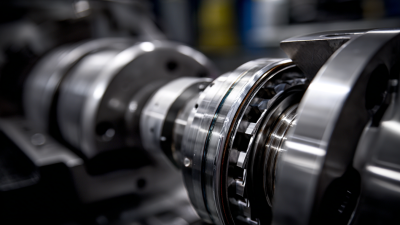
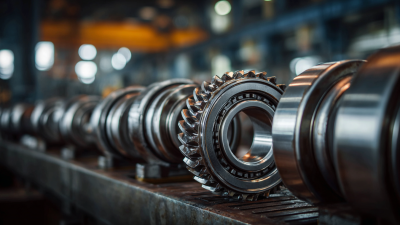
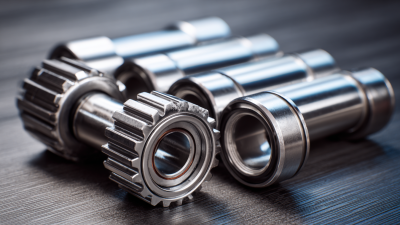
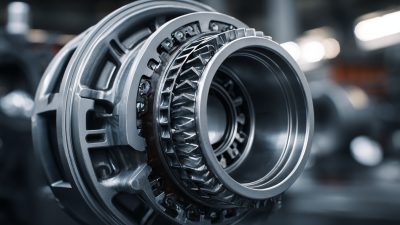
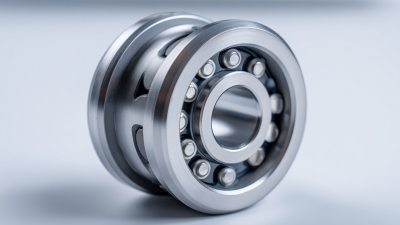
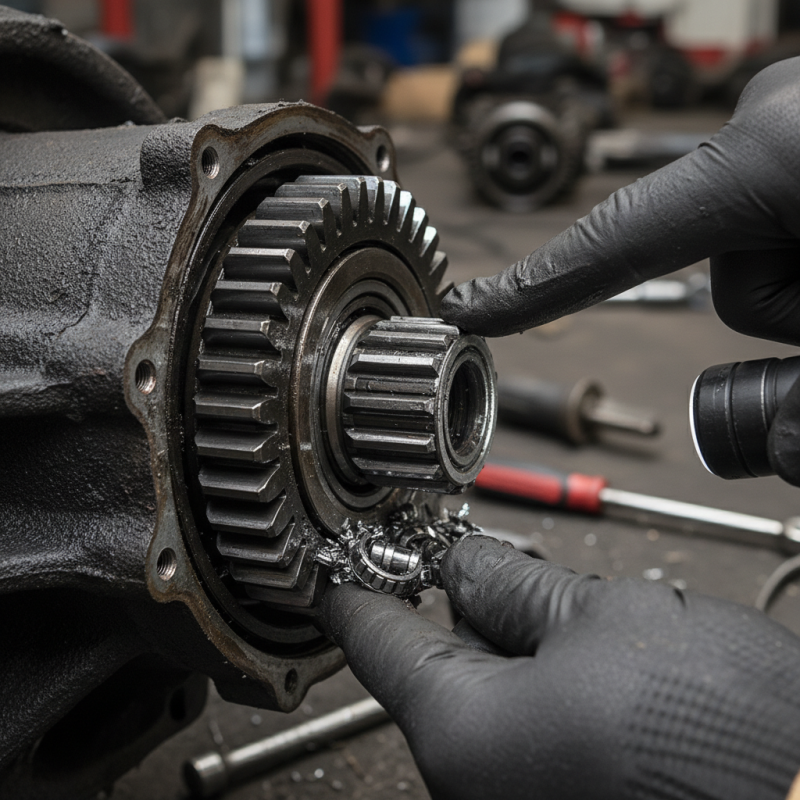
Pinion bearings play a crucial role in your vehicle's drivetrain. They are essential components that help transfer power from the driveshaft to the wheels. A pinion bearing supports the pinion gear, ensuring smooth rotation. When functioning correctly, these bearings allow for seamless driving experiences.
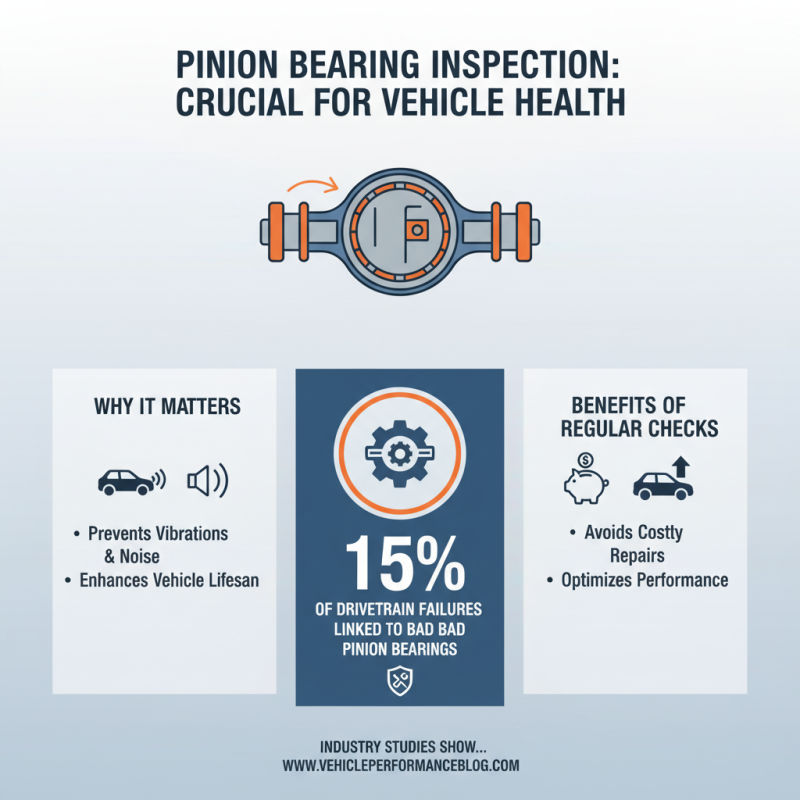
When pinion bearings start to fail, you may notice unusual sounds, such as whining or grinding. This can indicate wear or damage. Vibration during acceleration or deceleration may also signal an issue. It’s essential to pay attention to these symptoms, as ignoring them can lead to bigger problems.
Tip: Regularly inspect your vehicle. Look for metal shavings in the differential fluid. This could indicate bearing wear. It’s best to address issues early to avoid costly repairs.
Lubrication is vital for pinion bearings, but over or under-lubrication can cause problems. Ensure you follow specific guidelines for your vehicle. Too much grease may lead to overheating. Conversely, too little can lead to premature wear.
Tip: Listen to your vehicle. If it starts to produce odd noises, it may signal the need for attention. Don't hesitate to consult a mechanic if unsure.
Common Symptoms of a Failing Pinion Bearing in Vehicles
When it comes to your vehicle's performance, a failing pinion bearing can create significant problems. Common symptoms include unusual noises, vibrations, and difficulty steering. You might notice a grinding or humming sound that increases with acceleration. According to a report by the National Highway Traffic Safety Administration, issues like these lead to over 30,000 accidents annually. Addressing them promptly is crucial.
Vibrations are another red flag. If you feel them through the steering wheel or floorboards, it could signal a bad pinion bearing. The Society of Automotive Engineers states that 40% of driver-reported issues stem from worn bearings. Ignoring these signs can lead to costly repairs down the line.
Visual inspections can also reveal problems. Look for uneven tire wear or leaks in the differential. If you find debris around the bearing, it indicates potential failure. Remember that sometimes, the symptoms may not be obvious. Regular maintenance is vital to catch these issues early.
Common Symptoms of a Failing Pinion Bearing
Industry Standards: How to Measure Bearing Wear and Performance
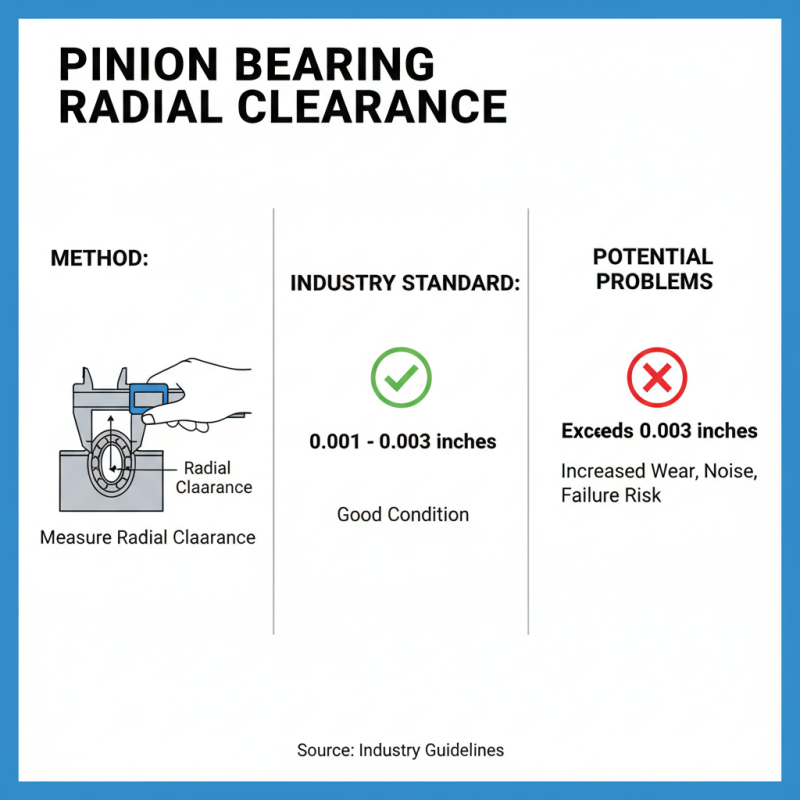
When evaluating bearing wear and performance, industry standards offer reliable guidelines. A common method is measuring the radial clearance in pinion bearings. Typically, a clearance of 0.001 to 0.003 inches indicates good condition. If measurements exceed this range, problems might arise.
Vibration analysis is another important technique. Bearings in good condition often produce vibrations under 0.5 Gs. When levels reach 1.0 G or more, it signals potential failure. Reports show that 70% of bearing failures result from inadequate lubrication, which must be closely monitored.
Temperature readings also play a crucial role in diagnosing issues. Effective bearings usually operate within 160°F to 180°F. If temperatures rise above this threshold, it's time to investigate. Abnormal heat levels can lead to premature wear and even catastrophic failures. Assessing these factors regularly can help ensure better vehicle performance.
Tools and Equipment Needed for Diagnosing Pinion Bearing Issues
When diagnosing pinion bearing issues, having the right tools is essential. Basic tools include a jack and jack stands. These help lift the vehicle safely for better access. A set of wrenches and sockets is critical for removing components. Don't forget screwdrivers, as they are often needed in tight spots. A torque wrench allows for proper reassembly, ensuring everything is tight.
In addition to basic tools, consider a dial indicator. This tool helps measure any play in the pinion bearings. A rubber mallet can assist in gently tapping parts without damage. Always use cleaning supplies to remove old grease. A flashlight or worklight is vital for seeing in dark areas. Lastly, a bearing puller may be necessary to safely remove the old bearings.
Having all the right equipment at hand makes the process smoother. However, mistakes can happen. Some may overlook a crucial tool, affecting the repair quality. Always double-check your toolbox before starting. Reflect on previous experiences to avoid repeating errors. Planning and having supplies ready can save time and frustration.
Repair Options: When to Replace vs. Repack Pinion Bearings
When facing issues with a pinion bearing, it's critical to determine the right repair approach. Repacking may extend the life of the bearing if it’s not severely damaged. However, for heavily worn bearings, replacement is often the best choice. According to a study by the Automotive Research Center, neglecting to replace a faulty pinion bearing can lead to more extensive drivetrain damage, costing over 50% more in repairs.
Tips: Regularly inspect your vehicle’s drivetrain components. Look for unusual noises during operation. Catching issues early can save you money.
Repacking involves cleaning and replacing grease in the bearing. It is a less costly option, usually taking only a few hours. However, if the bearing shows signs of corrosion or wear, it’s time to consider full replacement. Ignoring the state of your pinion bearings could lead to significant mechanical failure. Some drivers report a failure rate of up to
30% in poorly maintained vehicles.
Tips: Trust your instincts. If something feels off, have it checked. Preventing a breakdown is better than dealing with one.
Best Practices for Preventing Pinion Bearing Failures in Vehicles
To prevent pinion bearing failures, regular vehicle maintenance is crucial. A study by the American Society of Mechanical Engineers highlights that poorly maintained vehicles face a 30% higher risk of bearing issues. Inspections should include checking lubrication levels and signs of wear. Many drivers overlook this. Ignoring these signs can lead to costly repairs.
One effective practice is ensuring proper alignment and installation of the pinion bearing. Misalignment can lead to premature failure. According to the National Highway Traffic Safety Administration, even minor misalignments can reduce bearing life by 40%. Drivers should be proactive. Regular checks can save time and money.
Another key aspect is using high-quality lubricants. The Society of Automotive Engineers emphasizes that subpar lubricants can accelerate wear. It is true that many vehicle owners opt for cheaper options. However, this decision often backfires. High-quality oil helps maintain proper temperature, reducing friction. It is essential to choose wisely. Balancing cost with quality can make a significant difference in the lifespan of pinion bearings.
Conclusion
Identifying and fixing a bad pinion bearing is crucial for maintaining your vehicle's performance. Pinion bearings are essential components that support the drive shaft and allow for smooth rotation. Common symptoms of a failing pinion bearing include unusual noises, vibrations, and difficulty in steering, which can lead to more significant issues if left unaddressed. Understanding industry standards for measuring bearing wear can aid in diagnosing problems early on.
To properly inspect pinion bearings, specific tools and equipment are required, and a step-by-step inspection procedure should be followed. Repair options vary; one can choose to replace a bad pinion bearing or repack it, depending on the extent of the damage. Implementing best practices can significantly reduce the risk of future failures, ensuring that your vehicle remains safe and efficient on the road.