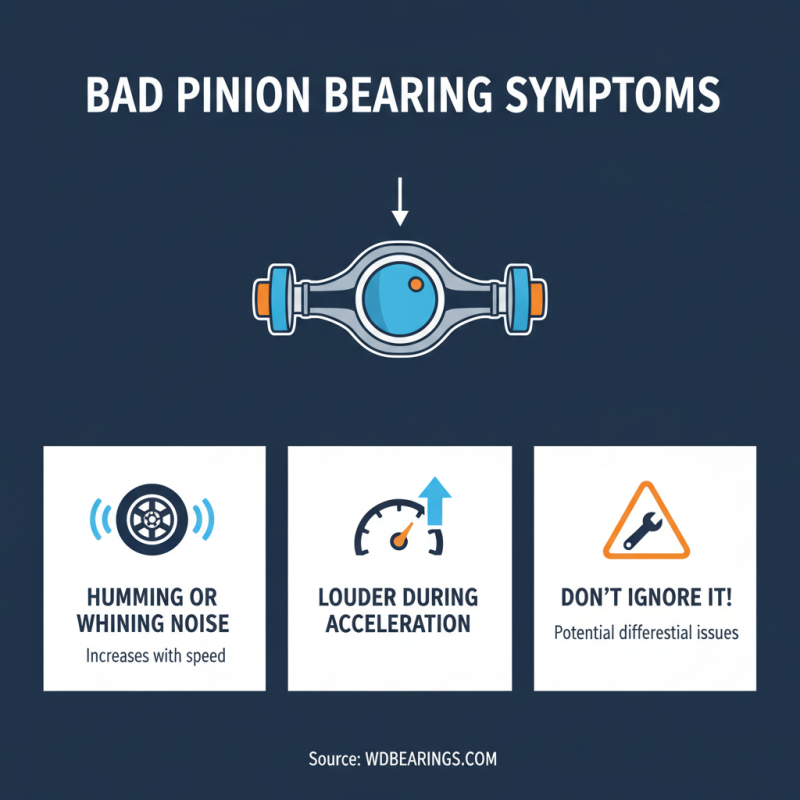
Ever come across a bad pinion bearing? If you have, you probably know it can really mess up how your vehicle runs. According to the folks over at the Society of Automotive Engineers, more than 20% of drivetrain failures are linked to issues with bearings. The pinion bearing, in particular, plays a pretty big role—it keeps the gear assembly stable. When it starts to go bad, the symptoms can pop up pretty fast and bad enough to catch your attention.
You might notice strange noises, vibrations, or even oil leaks—those are usually signs you should pay attention to. Ignoring these warning signs can lead to more serious problems down the line, which might end up costing you a pretty penny to fix. Sadly, a lot of drivers tend to brush off early clues, only to face bigger failures later on.
Taking a little time to understand what these symptoms look like can really save you money and stress in the long run. Regular maintenance checks are a good idea, really. And remember, ignoring these issues doesn’t just cause inconvenience—it can also be dangerous. Keeping an eye on your bearings might seem small, but it can prevent unexpected breakdowns and help keep your rides smooth and safe.
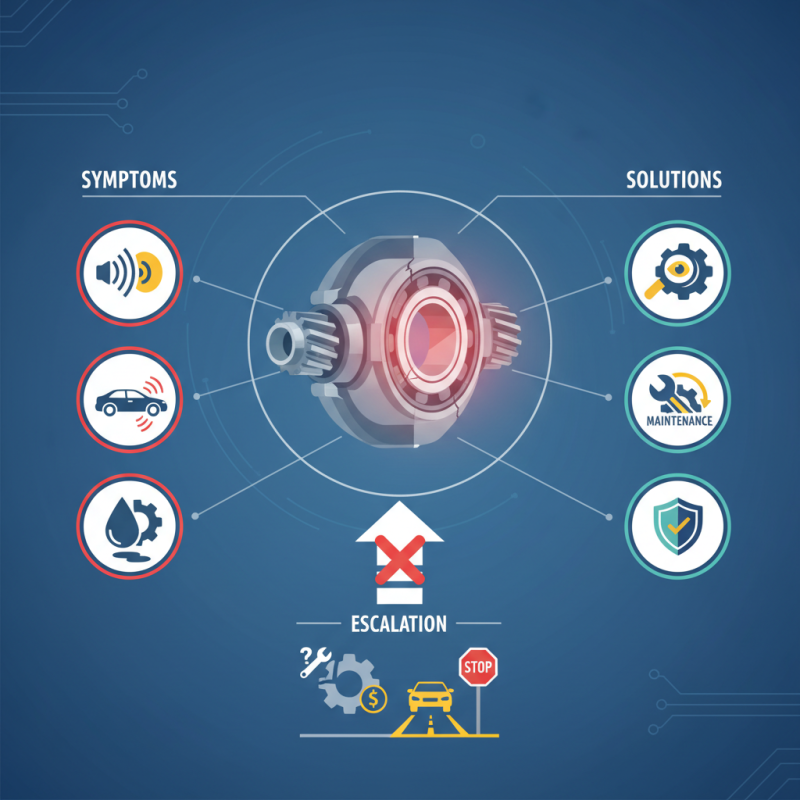
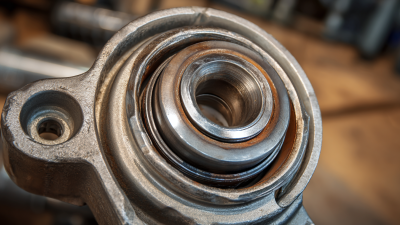
Pinion bearings are crucial components in vehicles. They support the pinion shaft, which engages with the ring gear in the differential. These bearings enable smooth power transfer from the engine to the wheels. When functioning well, they contribute to a quiet and efficient ride. However, like any mechanical part, they can wear out over time.
Common symptoms of a failing pinion bearing include unusual noises. You may hear grinding or whining sounds, especially when accelerating. Vibration in the driveline can also signal trouble. These vibrations may cause uneven wear on tires. If neglected, a bad bearing can lead to costly repairs or complete drivetrain failure.
Maintaining pinion bearings is essential. Regular inspections can help identify early signs of wear. Keep an ear out for any strange noises while driving. Additionally, check for oil leaks around the differential. Addressing issues promptly can save money and inconvenience later on. It’s a small investment in your vehicle's overall health.
Identifying Bad Pinion Bearing symptoms is crucial for vehicle maintenance. One common symptom is a humming or whining noise. This noise often increases with speed, and its source can be difficult to pinpoint. Sometimes, it gets louder during acceleration. If you hear this sound, don't ignore it. It could be a sign ofBad Differential Bearing issues.
Another indication is vibration in the vehicle. If you feel unusual vibrations, especially while driving straight, it might stem from worn bearings. These vibrations often lessen during turns but can cause discomfort. The steering might also feel different. You might question whether it's an alignment issue or something worse, like bearing failure.
Lastly, check for signs of wear or leaks. If you notice oil or grease seeping near the drivetrain, it could indicate a problem. Bad pinion bearings often lead to more extensive damage. If left unchecked, it could escalate and cost significantly. Don't wait until the noise dominates your drive. Regular maintenance can catch Bad Differential Bearing issues before they worsen.
Inspecting pinion bearings for damage is crucial for vehicle performance. Start with a visual inspection. Look for rust, cracks, or unusual wear patterns. If something seems off, it likely is. Rotating the bearing by hand can reveal issues. Listen closely. Unusual noises suggest problems.
Next, check the play in the bearing. Excessive movement can indicate wear. Use a dial indicator to measure this if you have it. If there’s too much play, a replacement may be necessary. Pay attention to any vibrations while driving. They often signal bearing trouble.
Finally, consider the lubricant. Is it dirty or low? These factors can impact pinion bearings. Clean or replace the lubricant as needed. Annoyingly, overlooking these details can lead to severe damage. Regular maintenance often gets put off, but neglecting it costs more in the long run. Stay proactive. Your vehicle will thank you.
Diagnosing noise issues related to pinion bearings can be tricky. A common sign is a whining or grinding noise. This often gets louder during acceleration. You may notice the sound changes with speed. It’s essential to pay attention to these auditory cues. If you hear unusual noises, you should not ignore them.
Visual inspection of the Diff Pinion Bearing is another vital step. Look for signs of wear or damage. Oil leaks around the bearing can also indicate problems. This leakage leads to insufficient lubrication, worsening the noise. It's a mistake to think this is minor. In reality, it might indicate a developing issue that could lead to costly repairs later.
If you suspect problems, get a professional opinion. Sometimes the issue might be more complex than it appears. Simple noise might hint at deeper mechanical failures. Ignoring these details can result in severe complications. Stay proactive with maintenance. Regular checks can help catch problems early and save you time and money.
Pinion bearing failures can significantly impact vehicle performance. Understanding the common causes of these failures is essential. One major reason is poor lubrication. Insufficient lubricant can lead to increased friction. This can ultimately result in overheating and could damage the Pinion Pilot Bearing.
Another cause is misalignment. When pinion gears are not properly aligned, stress increases on the bearings. Over time, this misalignment leads to wear and potential failure. A study showed that 40% of pinion bearing issues stem from alignment problems. Regular inspections and proper installation can help prevent this.
Tips: Always check the lubrication levels. Low levels can cause excessive wear. Pay attention to unusual noises as these could be early warning signs. Be proactive with maintenance to avoid severe damage.
Overloading can also contribute to bearing failures. If the pinion is subjected to excessive loads, it may lead to premature wear. This is often overlooked, but can be easily addressed through proper load management. Inspecting the Pinion Pilot Bearing regularly can ensure it’s functioning optimally.
When it comes to worn pinion bearings, recognizing the problem is the first step. Common symptoms include unusual noises, such as grinding or whining sounds. If you notice these sounds, check for vibrations as well. These vibrations can signal deeper issues. Ignoring them may lead to larger, costlier repairs.
Replacing worn pinion bearings is crucial. The process involves removing the differential and inspecting the gears. A lack of proper lubrication can accelerate wear. Consider using high-quality lubricants to enhance durability. Make sure to clean all components thoroughly before reassembly. An imperfect job can lead to failures soon after.
Always remember to double-check your work. Misalignment is easy to overlook but critical to performance. If you're not sure about your skills, seek professional guidance. A poor installation could damage other transmission parts. Make every effort to ensure everything is correct. This level of detail often makes the difference in longevity and reliability.
Pinion bearings play a critical role in ensuring smooth vehicle operation. Regular maintenance can significantly extend their lifespan. One crucial aspect is lubrication. Check fluid levels frequently. Use the correct type of lubricant. Dirty or inadequate lubricant can lead to premature wear. Even minor leaks can cause major issues, so fix them promptly.
Inspecting your Front Pinion Bearing helps detect early signs of trouble. Listen for unusual noises while driving, like grinding or whining. Pay attention to vibrations as they indicate misalignment. Catching these symptoms early can save you from costly repairs. Don't wait too long.
Regularly check the alignment of the drivetrain. A misaligned pinion can put extra stress on bearings. Also, ensure that mounting bolts are tight. Worn or loose bolts can lead to increased wear. Taking timely action is essential. Be proactive about your vehicle's care to avoid serious issues and enhance the durability of your pinion bearings.
: You can find clothing, electronics, books, and home goods. There are many options available.
Generally, yes. Use secure websites and avoid sharing personal information. But beware of scams.
Shipping times vary. Standard shipping may take a few days to two weeks.
Most retailers offer return policies. Check their guidelines for details and time limits.
Common methods include credit cards, debit cards, and online payment systems. Check each site for options.
After placing an order, you usually receive a tracking number. Use this to follow the shipment's progress.
Contact customer service. They often provide instructions for returns or exchanges on damaged goods.
Sometimes there are extra charges. Check for shipping and handling fees before finalizing your purchase.
Some sites restrict access. Verify if they deliver to your location before ordering.
Read reviews, compare prices, and check return policies. These steps help prevent disappointment.
Bad pinion bearings play a critical role in the overall functioning of a vehicle's drivetrain. When these bearings begin to fail, they can cause various symptoms such as unusual noises, vibrations during operation, and changes in handling dynamics. It's essential to recognize these common signs early to prevent further damage. Checking for wear and tear through visual inspection and listening for unusual sounds during vehicle operation can help diagnose potential issues.
Understanding the common causes of pinion bearing failures, such as lack of lubrication or contamination, is vital for maintenance. Solutions for replacing worn pinion bearings involve following proper procedures to ensure longevity. Additionally, implementing preventive maintenance tips can help extend their lifespan, ultimately keeping your vehicle running smoothly and efficiently. By being proactive in inspecting for bad pinion bearings and addressing any issues promptly, vehicle owners can avoid costly repairs and ensure optimal performance.