Choosing the right Hydraulic Pump Bearing is pretty important if you want your pump to work like a charm. Using good bearings not only reduces wear and tear but also boosts efficiency, helping your equipment last longer. The thing is, with so many options out there, picking the right one can feel kinda overwhelming. That's why it’s smart to understand the specs and what your particular setup needs before making a choice.
When you're shopping around for Hydraulic Pump Bearings, pay attention to the material and design. For tougher jobs, you’ll need bearings made from strong materials that can handle high pressure without breaking a sweat. Do some research on manufacturers—it helps to check out what others say about their reliability. Usually, well-known brands tend to produce better bearings, but it’s always good to double-check their claims.
Picking the wrong one can lead to problems down the line, like early failure. Honestly, a lot of folks forget to consider whether the bearing actually fits their system. Looking back at past experiences can give you some clues on what to avoid or look for next time. At the end of the day, focusing on durability and performance will help keep your hydraulic systems running smoothly without hiccups.
Understanding the Role of Bearings in Hydraulic Pumps
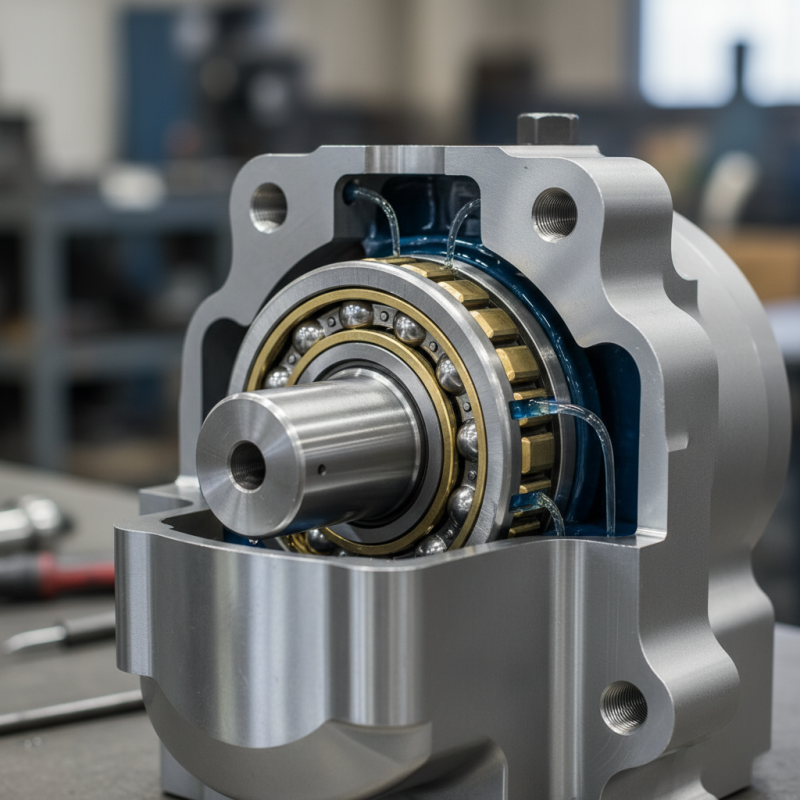
Bearings play a crucial role in the efficiency and longevity of hydraulic pumps. They support the rotating elements and help minimize friction, ensuring smooth operation. A study by the American Society of Mechanical Engineers indicated that nearly 30% of hydraulic pump failures are due to bearing issues. Therefore, selecting the right bearing is essential for reliable pump performance.
When considering bearings for hydraulic pumps, two primary types are available: ball bearings and roller bearings. Ball Bearing Hydraulic Press applications often require specific load ratings to handle the demands. It’s vital to analyze the operating conditions, including load, speed, and temperature. Higher temperatures can lead to lubricant breakdown, affecting the bearing's life.
Maintenance is also key. Regular inspection and monitoring can prevent significant failures. A report by the National Fluid Power Association stresses the importance of lubrication in bearing performance. Proper lubrication leads to a 50% increase in bearing lifespan. Remember, investing time in these areas can pay off in the long run. Efficiency may not come easily, but the right practices can enhance performance significantly.
Essential Tips for Choosing Hydraulic Pump Bearings
This bar chart illustrates the importance of different selection criteria when choosing hydraulic pump bearings. A higher rating indicates greater significance in ensuring the efficiency and durability of hydraulic pumps.
Types of Bearings Used in Hydraulic Systems
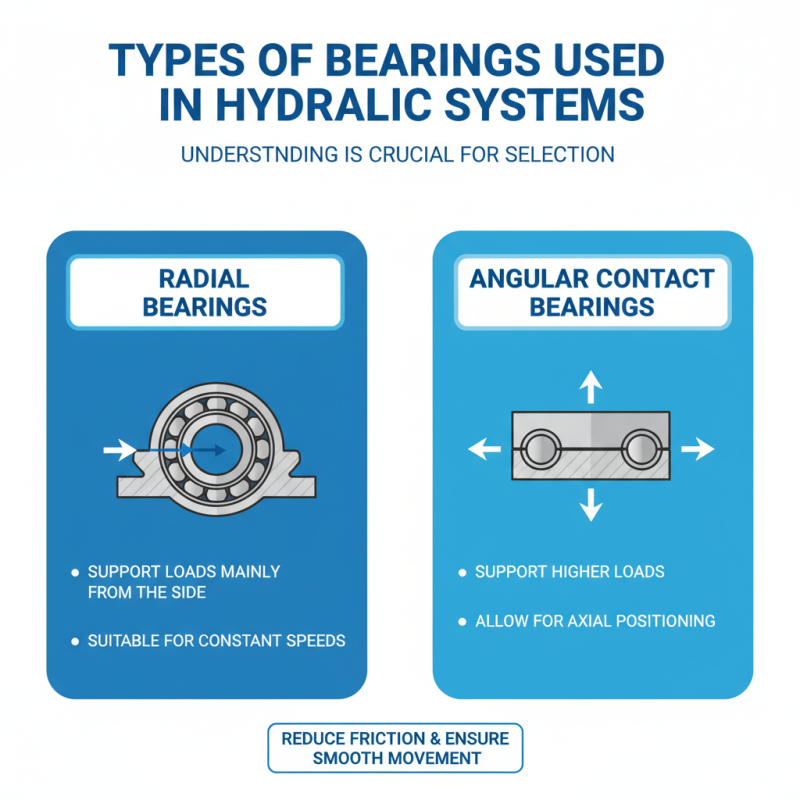
When selecting bearings for hydraulic systems, understanding the types is crucial. Bearings reduce friction and ensure smooth movement. Common types include radial and Angular Contact Bearings. Radial bearings support loads mainly from the side. They suit applications with constant speeds. Angular contact bearings can support higher loads and allow for axial positioning.
The choice of bearing impacts system efficiency. It's vital to consider materials too. Stainless steel bearings resist corrosion in harsh environments. However, they can be more expensive. Plastic bearings might work in lightweight applications but could falter under heavy loads. Remember, a mismatch can lead to increased wear and system failure.
Using a Hydraulic Bearing Puller Machine can simplify the installation and removal processes. It ensures that bearings fit correctly, avoiding misalignment. Misaligned bearings can cause significant issues down the line. So, choosing the right type of bearing and tool is essential for a reliable hydraulic system. Every detail matters when building a system that meets performance expectations.
Key Factors to Consider When Selecting Hydraulic Pump Bearings
When selecting hydraulic pump bearings, several key factors come into play. It is critical to assess the operating environment where the bearings will function. Conditions like temperature, humidity, and exposure to contaminants can significantly impact performance. For instance, bearings used in high-temperature scenarios must withstand thermal stresses, which could lead to premature failure if not properly selected. According to industry reports, improper bearing selection accounts for about 30% of operational failures in hydraulic systems.
Material composition is another essential aspect to consider. Different materials offer varying levels of resistance to wear and corrosion. Steel is popular for its strength, while ceramic bearings provide superior resistance. However, the cost and application specifics should guide your choice. Research indicates that bearings made from advanced composites can enhance durability, extending service life by up to 50% in certain applications.
Lastly, precise sizing matters. Incorrect dimensions can result in misalignment and increased wear. It is often suggested that engineers verify specifications against manufacturer guidelines. This detail can make a vast difference in the efficiency and longevity of hydraulic systems. Data from recent studies show that maintenance costs can increase by 15-20% due to improper sizing techniques. Each choice reflects a balance between performance needs and budget constraints, emphasizing the need for careful consideration in bearing selection.
Material Selection for Hydraulic Pump Bearings
Selecting the right materials for hydraulic pump bearings is crucial. The durability and performance of the bearings often depend on the material used. Common choices include steel, ceramics, and plastics. Steel is strong and provides excellent wear resistance but can corrode. Ceramics, while more expensive, offer superior hardness and resistance to chemicals. Plastics are lighter and resist corrosion, but they might not handle heavy loads well.
When choosing materials, consider the specific application of the hydraulic pump. For high-pressure systems, steel bearings might be preferred. However, if weight is a concern, high-performance plastics could be ideal. Always assess the operating conditions, including temperature and exposure to chemicals.
Tips for effective material selection include analyzing the load requirements and potential environmental impacts. Have a clear understanding of the fluid involved too. Additionally, experimenting with a mix of materials could yield better results, as in the case of hybrid designs. The Hydraulic Cam Follower can significantly benefit from these advancements. Ensuring the right material balance can reduce wear and prolong service life. Experimentation is key; values can differ based on unique operating parameters. Reflect on past projects to improve future selections.
Essential Tips for Choosing Hydraulic Pump Bearings - Material Selection for Hydraulic Pump Bearings
| Material Type | Properties | Applications | Advantages | Disadvantages |
| Steel | High strength, good toughness | Hydraulic pumps in high-pressure systems | Durable and cost-effective | Susceptible to corrosion without treatment |
| Stainless Steel | Corrosion-resistant, good strength | Food processing and chemical industries | Resistance to rust and staining | Higher cost compared to regular steel |
| Bronze | Low friction, excellent wear resistance | Marine and submerged applications | Long service life and durability | Higher initial cost |
| Polymer | Lightweight, resistant to corrosion | Low-load applications | Reduced weight and lower noise | Limited load-bearing capacity |
Lubrication and Maintenance Practices for Bearings
Lubrication is crucial for hydraulic pump bearings. Proper lubrication minimizes friction and wear. It also helps in maintaining optimal operating temperatures. Regularly check the lubricant levels in your Mud Pump Bearing. Too much or too little can lead to issues. Using the wrong type of lubricant can also cause significant problems. Always refer to manufacturer guidelines for recommendations.
Maintenance practices are essential for prolonging the life of bearings. Inspect Mud Pump Bearings often for signs of damage or wear. Listen for unusual noises during operation; they can indicate problems. Clean the bearings regularly to remove dirt and debris. Ensure that seals are intact to prevent contamination. Timely replacement of worn components is vital. Delaying can lead to more extensive damage and costly repairs.
Don't overlook the environment where your hydraulic pumps operate. High temperatures and contamination can adversely affect bearing performance. Consider ambient conditions when selecting lubricants. You may need to adjust lubrication intervals based on environmental factors. Regular training for personnel can enhance maintenance practices. Reflect on these aspects to ensure your mud pump bearing operates efficiently.
Common Challenges in Hydraulic Pump Bearing Selection
When selecting bearings for hydraulic pumps, challenges are often encountered. The continuous rotation and pressure can cause increased wear and failure. According to a recent industry report, nearly 30% of hydraulic pump failures stem from improper bearing selection. This selection process necessitates an understanding of load capacity, material, and lubrication conditions.
Common challenges include identifying the right bearing materials. For example, steel bearings might not withstand corrosive environments. While some materials offer higher durability, they also influence cost and availability. The right choice balances these factors, yet many manufacturers compromise on material quality to save on costs. This often leads to premature failure.
Another issue is calculating bearing life accurately. Industry data suggests that incorrect calculations can lead to overestimating longevity by up to 40%. This miscalculation can have serious operational repercussions, pushing maintenance schedules and increasing downtime. Proper training and experience are essential for engineers to navigate these choices effectively. An ongoing reliance on outdated methods can exacerbate these issues. Regular reviews and updates on technologies are crucial in enhancing reliability.
Best Practices for Testing and Evaluating Bearing Performance
Testing and evaluating hydraulic pump bearings is crucial for optimal performance. Start by visually inspecting the bearings for any signs of wear or damage. Look for unusual wear patterns, rust, or debris. Each of these indicators can reveal underlying issues. A simple visual inspection may save time and prevent bigger problems later.
Next, consider vibration analysis as a method to assess bearing health. High vibrations can indicate misalignment or imbalance in the pump. Using a vibration meter, you can pinpoint abnormal frequency patterns. This data can guide you in making necessary adjustments or replacements. Regular monitoring is essential, as it helps establish a baseline for normal operation.
Additionally, pay attention to lubrication quality and quantity. Insufficient or contaminated lubricant can lead to premature bearing failure. Perform regular oil analysis to check for contaminants and degradation. Finding the right lubricant and maintaining it properly can enhance bearing lifespan. Reflecting on these practices can lead to improvements, identifying aspects you may have overlooked.
FAQS
: Consider the operating environment, including temperature, humidity, and contamination exposure.
The material affects durability and performance, influencing wear resistance and corrosion resistance.
Common materials include steel, ceramics, and plastics, each with unique benefits and drawbacks.
High temperatures can induce thermal stresses, leading to premature failure if the bearings aren’t suitable.
Incorrect sizing can result in misalignment and increased wear, which can affect operational efficiency.
Steel offers strength and excellent wear resistance, making it a solid choice for many applications.
Ceramics are more expensive, which may not be justifiable for every application.
Testing different material combinations can yield better performance under specific operational conditions.
It can account for about 30% of operational failures in hydraulic systems.
Reflecting on prior experiences helps identify what works, improving decision-making for future projects.
Conclusion
Choosing the right hydraulic pump bearing is crucial for ensuring optimal performance and longevity of hydraulic systems. Understanding the role of bearings in these pumps and the various types available is essential for making informed decisions. Key factors to consider include load capacity, speed, and operating conditions, alongside proper material selection that can withstand harsh environments.
Additionally, lubrication and maintenance practices play a significant role in extending the life of hydraulic pump bearings. It is important to be aware of common challenges in bearing selection, such as compatibility and reliability issues. Finally, implementing best practices for testing and evaluating bearing performance can help in identifying the best options for specific hydraulic applications, ultimately enhancing system efficiency and reliability.