Leave Your Message
0%

You know, when it comes to hydraulic systems, their overall efficiency really depends a lot on the parts inside—especially the Hydraulic Pump Bearing. I was chatting with John Smith, this expert over at HydroTech Solutions, and he mentioned, ‘A properly functioning Hydraulic Pump Bearing can really make your pump last way longer.’ Honestly, it’s pretty eye-opening.

These bearings are like the unsung heroes supporting the rotating bits. They cut down on friction, so everything runs a lot smoother. But here’s the thing—lots of industries tend to forget how important regular maintenance is. That oversight can lead to unexpected downtime, which nobody wants. Sometimes, the wear and tear on these bearings sneaks up on you until it’s almost too late.

Getting a good handle on the ins and outs of Hydraulic Pump Bearings is pretty important. Stuff like load capacity and proper lubrication really matters. When you're making decisions about maintenance or upgrades, being informed can make a big difference—helping things perform better and last longer. So, it’s worth taking a step back, thinking about current practices, and seeing where you might be able to improve things a bit.
What is a Hydraulic Pump Bearing and How Does It Work?

What is a Hydraulic Pump Bearing? Definition and Overview

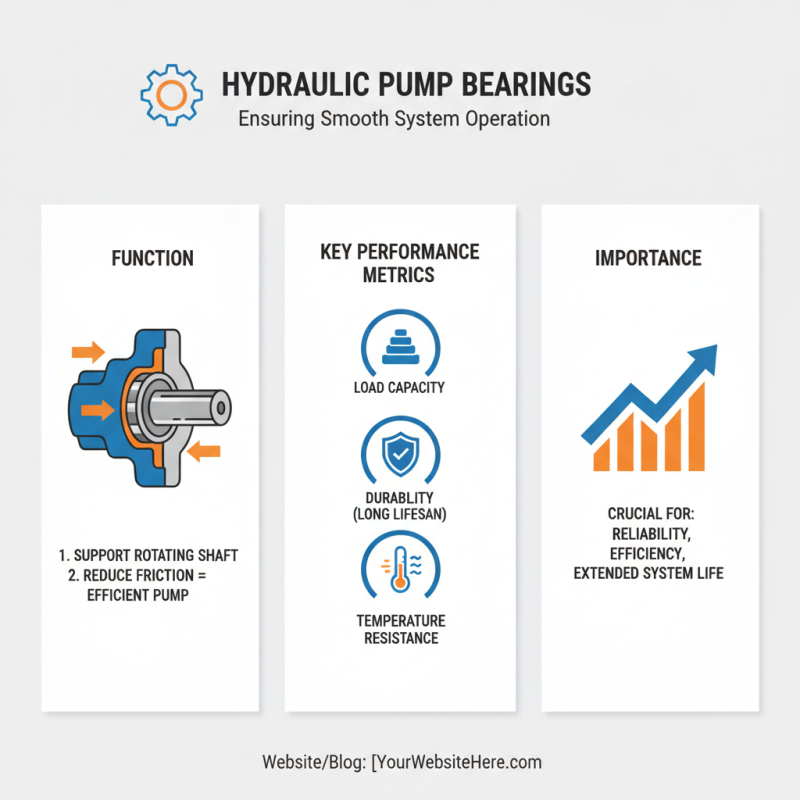
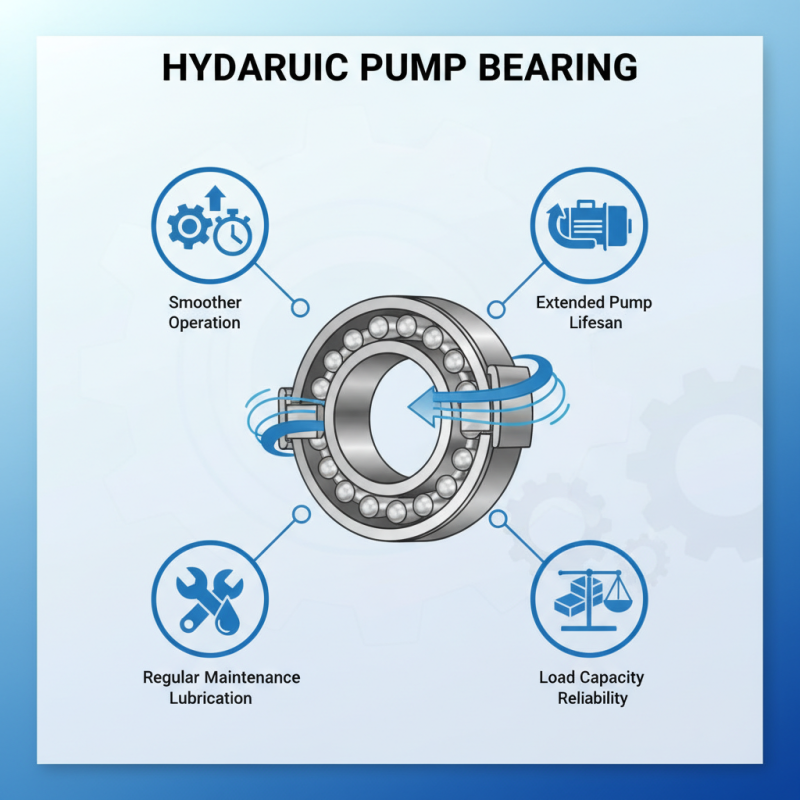
A hydraulic pump bearing is a crucial component in hydraulic systems. It supports the rotating shaft of the hydraulic pump, enabling smoother operation. The bearing reduces friction, minimizing wear and heat buildup. This enhances the pump's efficiency and longevity.

According to industry reports, nearly 30% of hydraulic pump failures are linked to bearing issues. These failures often stem from lubrication problems or contamination. Regular maintenance, such as checking oil levels and cleaning surfaces, can mitigate these issues. Yet, many operators overlook the importance of these tasks.

Unexpected failures can disrupt operations. Replacing bearings is costly and time-consuming. In manufacturing, downtime can lead to significant losses. The value of proactive maintenance cannot be overstated. Balancing performance with upkeep remains a challenge for many in the industry. It requires ongoing attention and resources.

The Role of Hydraulic Pump Bearings in Fluid Power Systems

Hydraulic pump bearings play a crucial role in fluid power systems. These components help reduce friction between moving parts, ensuring smooth operation of the pump. A well-functioning bearing allows fluid to flow efficiently, which is essential for hydraulic systems. When bearings wear down, they can cause leaks and reduce performance.

The design of hydraulic pump bearings is essential. Materials used should withstand high pressure and temperature. Common choices include steel or specialized composites. Proper lubrication is critical, as it minimizes wear and helps maintain performance. However, users often overlook bearing maintenance. This neglect can lead to costly repairs or system failures.

Tips: Always check the bearing for signs of wear. Regular inspections can extend the life of your hydraulic systems. Use quality lubricants appropriate for your specific application. Keeping an eye on temperatures can also prevent overheating issues. Never underestimate the importance of these small parts; they are vital to overall system efficiency.

Types of Hydraulic Pump Bearings: Standard vs. Custom Designs

What is a Hydraulic Pump Bearing and How Does It Work?

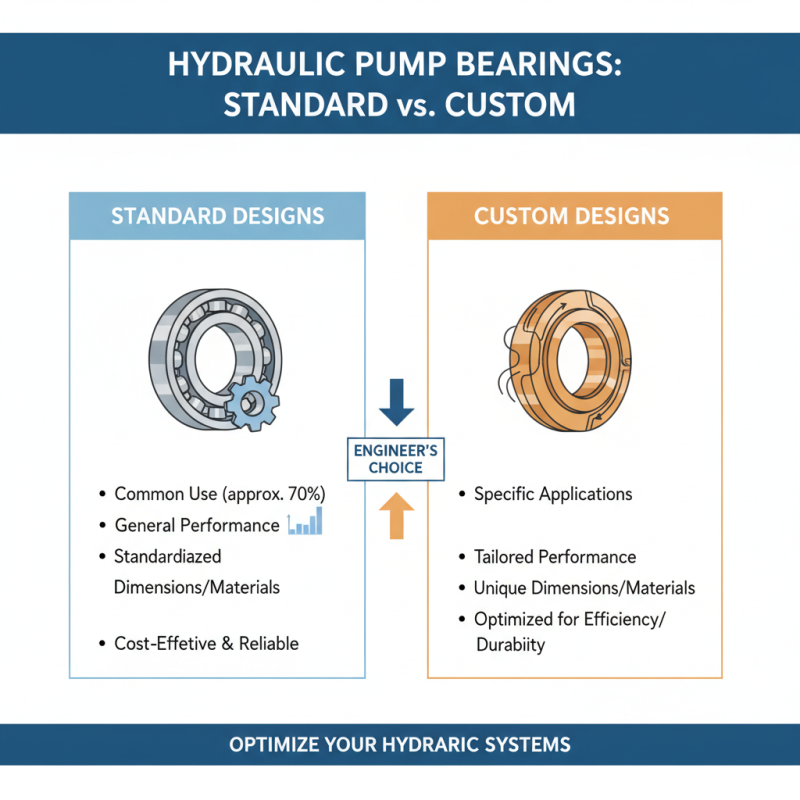
Hydraulic pump bearings play a crucial role in ensuring the efficient operation of hydraulic systems. Understanding the distinction between standard and custom designs is vital for engineers. Standard hydraulic pump bearings are commonly used and designed to meet general performance criteria. These bearings often come with standardized dimensions and materials, facilitating easier procurement and replacement. Reports indicate that approximately 70% of hydraulic systems utilize standard designs due to their cost-effectiveness and reliability.

On the other hand, custom hydraulic pump bearings address specific needs. They are tailored to unique operational conditions and performance requirements. For instance, custom designs may incorporate specialized seals or materials for higher temperature tolerance or corrosion resistance. Industry data shows that the demand for custom bearings has risen by 25% over the past five years. However, they often come with longer lead times and higher costs. Companies must weigh the benefits of enhanced performance against these potential drawbacks.

Deciding between standard and custom bearings requires careful consideration. Not all applications need custom solutions, yet overlooking specific requirements may lead to inefficiency. For example, a standard bearing might fail prematurely in an application exceeding its defined limits. Evaluating both options ensures optimal performance and longevity in hydraulic pump operations.

Materials Used in Hydraulic Pump Bearings: Performance and Longevity

Hydraulic pump bearings play a crucial role in various applications, including construction and manufacturing. The effectiveness of these bearings greatly depends on the materials used. Common materials include stainless steel, bronze, and certain plastics. Each has its unique strengths and weaknesses. For example, stainless steel offers high corrosion resistance but may suffer under high loads.

Research indicates that bearings made with advanced polymers outperform traditional materials in harsh environments. These polymers exhibit better wear resistance, potentially doubling the life of a bearing. However, they might not handle extreme pressures as effectively. A striking study from the Journal of Fluid Mechanics revealed that using hybrid materials can increase longevity by 30%.

Lubrication is also a key factor in bearing performance. The right lubrication minimizes friction and heat generation. Unfortunately, failure to maintain proper lubrication can lead to premature failure. Studies show that over 40% of bearing failures are due to inadequate lubrication. In high-demand situations, the choice of material and maintenance practices directly impacts overall performance and longevity. Understanding these aspects is vital for optimal hydraulic pump operation.

How Hydraulic Pump Bearings Improve Efficiency and Reduce Wear

Hydraulic pump bearings play a crucial role in enhancing efficiency and minimizing wear in hydraulic systems. They support rotating shafts, reducing friction during operation. Properly designed bearings can significantly extend the lifespan of a hydraulic pump. Efficient bearings ensure that mechanical elements move smoothly, leading to improved performance.

One of the key ways hydraulic pump bearings boost efficiency is through their materials. High-quality bearings use advanced materials that withstand pressure and temperature fluctuations. This helps maintain optimal performance levels in demanding environments. Additionally, bearings with effective sealing help prevent contaminants from entering the system. Contaminants can cause unnecessary wear, which ultimately affects efficiency.

Tips: Regular maintenance of hydraulic systems is essential. Check the bearings for signs of wear or damage. Ensuring proper lubrication in bearings can avoid premature failure. Remember, small adjustments can lead to better performance. Always observe your system's operating conditions closely to identify any issues early on.

Key Performance Metrics for Hydraulic Pump Bearings in Applications

What is a Hydraulic Pump Bearing and How Does It Work?

Hydraulic pump bearings are crucial for the smooth operation of hydraulic systems. They support the rotating shaft and reduce friction, allowing the pump to operate efficiently. Key performance metrics for these bearings include load capacity, durability, and resistance to temperature fluctuations.

Load capacity reflects how much weight a bearing can handle. A bearing with insufficient load capacity can fail prematurely. Durability determines the bearing's lifespan. It’s vital to choose bearings that can withstand harsh conditions. Temperature resistance is also vital. High temperatures can cause bearing materials to degrade, leading to system failures.

Tip: Regularly check the bearings for signs of wear. Listen for unusual noises, and monitor the temperature. This can help prevent unexpected breakdowns.

Select bearings based on specific application needs. Don't assume one size fits all. Each hydraulic system may have different requirements. Overlooking the right bearing can lead to poor performance. Stay informed about advancements in material technology and design. Always consider how each metric aligns with your operational conditions. Balancing cost and quality is essential, but watch for trade-offs.

Maintenance Practices for Hydraulic Pump Bearings to Ensure Reliability

Hydraulic pump bearings are crucial for efficient operation. They support the rotating shaft and reduce friction. However, without proper maintenance, these bearings can suffer from wear and tear. Regular inspections are essential to identify any signs of damage early. Look for unusual noises or vibrations. Even small issues can lead to bigger problems.

Cleanliness is vital in maintaining hydraulic pump bearings. Contaminants can accelerate wear. Regularly check and replace the oil or fluid used in the system. Ensure that it is free from dirt and debris. Lubrication is another important factor. It reduces friction and heat. Too little oil can cause overheating, while too much can lead to leaks. Finding the right balance is key.

Monitoring operating temperatures can help prevent failures. Excessive heat can indicate issues with the bearing or pump. Consider keeping a log of performance metrics. This practice allows you to spot trends over time. Don't ignore early warning signs. Taking action early can improve reliability and extend the life of your hydraulic pump bearings.

What is a Hydraulic Pump Bearing and How Does It Work? - Maintenance Practices for Hydraulic Pump Bearings to Ensure Reliability

Bearing Type Material Load Capacity (kN) Temperature Range (°C) Lubrication Method
Roller Bearing Steel 35 -20 to 80 Grease
Ball Bearing Stainless Steel 25 -30 to 100 Oil
Magnetic Bearing Composite 50 Active Control
Sleeve Bearing Bronze 20 -20 to 120 Oil

FAQS

: What is the main purpose of the product?

: The product aims to enhance daily convenience and improve personal efficiency.

How should I use the product effectively?

Follow the user manual closely. Ensure you understand each step for optimal use.

What are the common issues users face?

Users often report difficulties with setup. Some find instructions unclear or confusing.

Can I operate the product without prior experience?

Yes, but some background knowledge helps. Learning curves can vary among individuals.

What maintenance is required for longevity?

Regular cleaning is essential. Check for updates periodically to ensure the best performance.

What should I do if I encounter a problem?

Refer to the troubleshooting section first. If issues persist, contacting support may be necessary.

Are there any safety precautions I should follow?

Yes, avoid misuse. Make sure to keep the product in a safe environment to prevent accidents.

How long can I expect the product to last?

Lifespan varies based on usage. Users often need to replace components sooner than expected.

Is there a warranty available?

Yes, a limited warranty is included. Review the terms carefully to understand coverage details.

How can I provide feedback?

Use the feedback form or customer service. Honest feedback helps improve future versions.

Conclusion

A Hydraulic Pump Bearing is a crucial component in fluid power systems, designed to support the rotating shaft of hydraulic pumps while minimizing friction and wear. It plays a vital role in ensuring efficient operation of these systems, contributing to overall performance and longevity. Hydraulic pump bearings can be categorized into standard and custom designs, tailored to meet specific application requirements. The materials used in their construction significantly impact their performance and durability, with a focus on reducing wear over time.

Additionally, hydraulic pump bearings improve efficiency by optimizing the fluid flow within the system, leading to enhanced energy use and reduced operational costs. Key performance metrics include load capacity, rotational speed, and temperature resistance, which are essential for assessing their effectiveness in various applications. Regular maintenance practices are critical for ensuring the reliability and longevity of hydraulic pump bearings, allowing for sustained high performance in hydraulic systems.
Ethan

Ethan

Ethan is a seasoned marketing professional with a deep expertise in the field of bearings, particularly within the OEM sector. He plays a pivotal role in promoting WD Bearings, a company renowned for its exceptional products that cater to various industries such as material handling, agriculture,......
Previous Unlocking the Advantages of Best Hydraulic Pump Bearings for Enhanced Operational Efficiency