Picking the right Cyl Roller Bearing is actually pretty important if you want things to run smoothly across different projects. Brands like SKF and Timken have a decent variety, but honestly, figuring out which one fits best can feel kinda tricky. Every project’s got its own quirks, so it’s worth taking the time to consider what really needs to be met.
First off, you gotta get a handle on the load capacity. These bearings come in all sorts of sizes and ratings, so think about how much weight and pressure they’ll be dealing with. Once you’ve got that sorted, it’s easier to narrow down the options to what’s actually suitable.
Also, don’t forget to think about where the bearing will be working. Things like temperature, humidity, and exposure to dirt or other contaminants can really impact how long a bearing lasts. It’s worth giving some thought to how these conditions will affect performance. Checking out online reviews, guides, or chatting with experts can also help you make a smarter choice. At the end of the day, making an informed decision means better performance and longer-lasting results. Trust me, it’s worth the effort!
Understanding Cylindrical Roller Bearings: An Overview
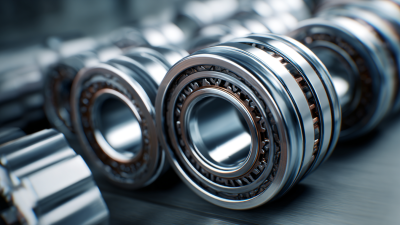
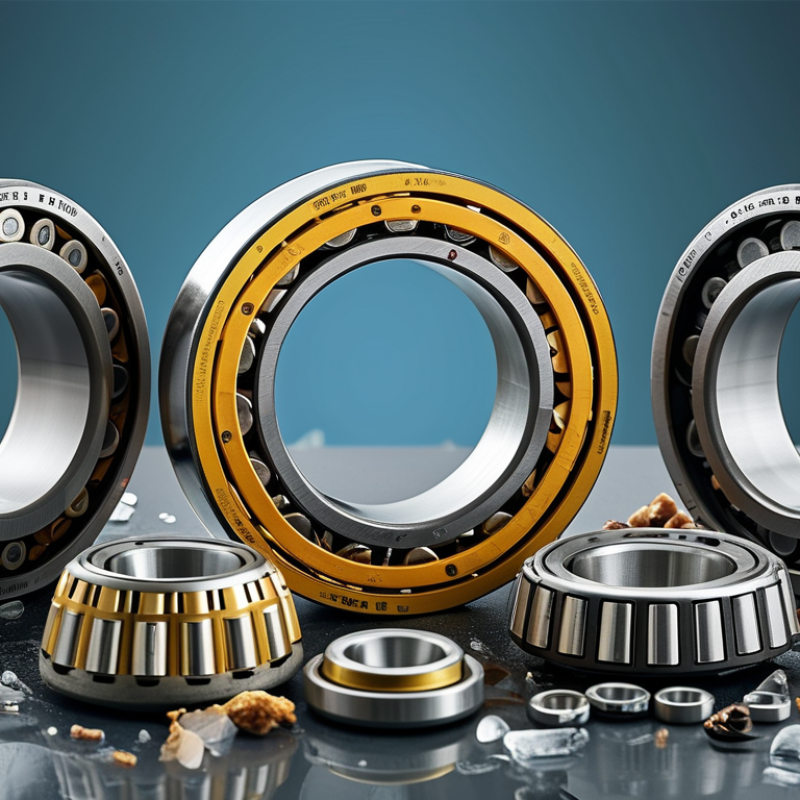
Cylindrical Roller Bearings are crucial in various applications. They can withstand high loads and allow for efficient rotation. Their design features a set of cylindrical rollers, which reduces friction and enhances performance. When you understand their structure, you can better choose the right type for your needs.
Tip: Assess the load conditions first. This is key in selecting the right bearing. A properly rated bearing, such as a Nu Roller Bearing, can significantly improve machinery efficiency. Rollers that are too small or too large may lead to failure. Look for specifications that match your load and speed requirements.
Consider the environment where the bearing will operate. High temperatures or exposure to contaminants can affect performance. Regular maintenance and monitoring are essential. Sometimes, even small adjustments can lead to significant improvements. Remember that investing time in selecting the right cylindrical roller bearing pays off in the long run.
Key Factors to Consider When Selecting a Cylindrical Roller Bearing
When selecting a cylindrical roller bearing, several key factors should be considered. Load capacity is crucial. Rolling bearings often have to support heavy weights. According to a report by the International Bearing Industry Association, more than 60% of failures in industrial settings stem from incorrect load ratings. Therefore, assessing the static and dynamic load capacities is essential.
Another factor is speed. The rotational speed affects bearing performance significantly. Higher speeds generate heat, which can lead to premature failure. It’s suggested to choose bearings that can handle the required speeds for your application. Additionally, lubrication plays an important role in bearing longevity. Your choice of lubricant should match the operating environment. According to Machinery Lubrication, studies show that improperly lubricated bearings can experience a 30% reduction in lifespan.
Additionally, the material of the bearing must not be overlooked. Materials affect durability and overall performance. Steel is common, but newer materials like ceramics provide advantages in certain conditions. It is crucial to reflect on your specific needs. Each application is different and requires careful consideration of all these aspects for the best outcomes.
Types of Cylindrical Roller Bearings and Their Applications
Cylindrical roller bearings are vital in various industrial applications. Understanding their types can help in selecting the right one. A popular choice is the standard cylindrical roller bearing. It features a high load capacity and excellent radial rigidity. This type is often used in heavy machinery and automotive applications, as it can withstand significant stress.
Another variant is the needle roller bearing. This bearing is compact and lightweight. It is designed for applications where space is limited. Commonly found in gearboxes and transmissions, needle bearings provide efficient motion and reduce friction. According to a recent industry report, needle roller bearings can improve performance by up to 25% in certain applications.
There's also the taper roller bearing. It accommodates both radial and axial loads, making it versatile. These bearings are crucial in applications like conveyor systems and the automotive sector. However, the complexity of their design can lead to improper installation. This could cause premature failure. The right choice, such as a Road Roller Bearing, depends on specific needs. Consider load requirements, space constraints, and operating conditions when selecting.
How to Choose the Right Cyl Roller Bearing for Your Needs?
| Type | Features | Applications | Load Capacity | Speed Limit (RPM) |
| Single Row | Simple design, high radial load capacity. | Electric motors, automotive, gearboxes. | High radial loads. | Up to 5000 RPM |
| Double Row | Increased load capacity, compact design. | Machine tools, printing machines. | Very high radial loads. | Up to 3000 RPM |
| Multi-Row | Extremely high load capacity for heavy-duty applications. | Steel mills, large industrial machinery. | Maximal radial and axial loads. | Limited; typically below 1500 RPM |
| Cylindrical Roller Thrust | Designed for thrust load applications, high rigidity. | Elevators, marine applications. | High axial loads. | Up to 2000 RPM |
Load Capacity and Performance Ratings in Bearing Selection
When selecting a cylindrical roller bearing, understanding load capacity and performance ratings is crucial. Bearings are rated based on their ability to withstand radial loads, which are essential for stability and performance. For example, according to a 2021 industry report, cylindrical roller bearings can bear radial loads ranging from 10,000 N to over 2,000,000 N, depending on their design and size. This variance often results in confusion during selection.
Performance ratings, including calculated life and reliability, are equally vital. The basic dynamic load rating (C) indicates the load at which the bearing can operate reliably for a million revolutions. Many manufacturers offer detailed performance data, yet users often overlook these figures. A study showed that improper load estimation leads to premature bearing failure in nearly 25% of cases. It’s essential to match the load capacity closely with operational demands.
However, not all applications require the maximum load rating. Several factors, such as speed, temperature, and lubrication method, can impact bearing performance. Choosing a bearing that exceeds requirements may seem safe but could lead to inefficiency. Checking the load conditions and understanding real-world performance can yield better insights for optimal selections.
Material Considerations for Durability and Performance
When selecting a cylindrical roller bearing, material considerations play a vital role in ensuring durability and performance. The right material can significantly impact the lifespan of the bearing. Generally, high-quality steel is a preferred choice. Steel offers excellent strength, heat resistance, and wear resistance. However, its weight may impact certain applications. Alternative materials, such as ceramics, provide lighter options and enhanced corrosion resistance, potentially boosting overall performance.
A report from the Bearing Market Research group highlights that nearly 30% of bearing failures are attributed to material inadequacies. This statistic underlines the importance of careful material selection in preventing costly downtimes. For specific applications, such as robotics or aerospace, using advanced materials can yield substantial performance improvements. For instance, Crossed Roller Bearings often require superior materials to enhance load capacity and precision.
It's essential to acknowledge that not all industrial applications will benefit equally from upgraded materials. Cost considerations loom large, and sometimes it may be tempting to opt for cheaper materials. This compromise can lead to higher maintenance costs in the long run. Understanding the operational environment and load requirements is paramount. Carefully balancing performance needs against cost can lead to a more effective bearing choice.
Sizing and Fit: Ensuring Correct Installation of Bearings
Choosing the right cylindrical roller bearing involves careful consideration, especially regarding sizing and fit. Proper installation is crucial for optimal performance. If a bearing is too tight or too loose, it can lead to premature failure. The fit must accommodate the intended application while supporting expected loads and movements.
Measuring the shaft and housing accurately is essential. Use calipers for precise dimensions. Remember, the tolerance levels of the fitting affect functionality. Underestimating these can result in alignment issues, causing increased friction or wear. Some might overlook thermal expansion, but it can significantly impact fitting. A snug fit is necessary, but not excessively tight.
Inadequate installation can also lead to misalignment, affecting the bearing’s life. Ensure all surfaces are clean before placement. Consider using appropriate lubricants to facilitate smoother operation. Regular checks post-installation can help identify potential issues early. Reflection on the installation process can reveal areas for improvement. Always prioritize accuracy and attention to detail.
Maintenance Tips for Prolonging Bearing Lifespan
When it comes to maintaining Angular Roller Bearings, regular upkeep is crucial for their longevity. Regular lubrication keeps the bearings operating smoothly and reduces friction. Use the appropriate grease or oil to ensure optimal performance. Lubrication intervals depend on application and load. Monitor the condition frequently to avoid issues.
Another important aspect is cleanliness. Contaminants can cause premature wear and damage. Always keep the surrounding area clean and perform routine inspections. If dirt gets into the bearings, it can lead to costly failures. Dust covers or seals can provide an added layer of protection.
Lastly, check alignment and installation. Misalignment can lead to increased wear and failure. Take time to ensure proper installation to avoid mistakes that may seem minor. Small misalignments matter in the long run. Paying attention to these details can make a significant difference in the lifespan of your Angular Roller Bearings.
Innovative Cross-Roller Bearings for Enhanced Precision and Durability in Humanoid Robotics Applications
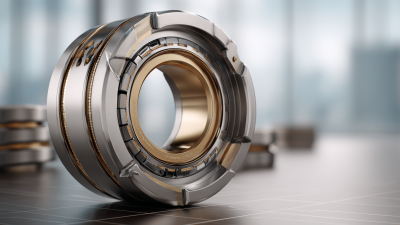
Innovative cross-roller bearings are revolutionizing the field of humanoid robotics by providing enhanced precision and durability in robotic joint applications. These advanced components, characterized by their unique design with rollers arranged perpendicularly in V-shaped raceways, allow for exceptional flexibility and stability in movement. By utilizing state-of-the-art separators, these bearings can efficiently manage multi-directional loads, including radial and axial pressures as well as overturning moments, thereby ensuring reliable and accurate operation in robotic systems.
The high rigidity and precision of cross-roller bearings enable robots to perform delicate tasks with remarkable accuracy, making them a crucial addition to the assembly of advanced robotic technologies. Their compact design is particularly advantageous in applications where space is limited, optimizing the overall structure of humanoid robots. Additionally, the innovative lubrication techniques employed in these bearings significantly reduce friction, leading to lower wear and extended service life. This results in reduced maintenance needs, allowing for continuous operation and improved efficiency in robotic applications.
As the demand for advanced humanoid robotics continues to grow, the importance of high-quality, precision-engineered cross-roller bearings becomes increasingly evident. Their unique features not only enhance the performance of robotic joints but also contribute to the evolution of robotics by enabling more sophisticated and lifelike movements.
FAQS
: They are vital in various industrial applications, particularly in heavy machinery and automotive sectors.
Needle roller bearings are compact, lightweight, and efficient. They reduce friction and are ideal for tight spaces.
Improper installation can lead to premature failure, increasing wear and causing costly repairs.
Regular lubrication is crucial for smooth operation and reducing friction. Use the right grease or oil.
Contaminants can cause wear and damage. Keeping the area clean helps avoid costly failures.
Misalignment leads to increased wear and potential failure. Small alignment issues can have major effects over time.
Monitor lubrication levels, cleanliness, and overall condition frequently to avoid issues.
Lubrication intervals vary based on application and load, so monitor conditions regularly.
Yes, they can enhance performance by up to 25% in certain applications, according to industry reports.
Minor mistakes during installation can lead to significant long-term issues, increasing maintenance costs.
Conclusion
Cyl Roller Bearings are essential components in various mechanical applications, known for their ability to handle heavy loads and provide high-speed performance. When selecting a Cyl Roller Bearing, it is important to consider key factors such as load capacity, material durability, sizing, and maintenance practices. Understanding the different types of Cyl Roller Bearings and their specific applications can also inform your choice, ensuring optimal performance for your machinery.
To ensure longevity and reliability, attention must be paid to the installation fit and ongoing maintenance routines. Adequate lubrication and regular inspections can significantly prolong the lifespan of Cyl Roller Bearings, making them a cost-effective solution in the long run. By carefully analyzing these aspects, you can choose the right Cyl Roller Bearing that meets your operational needs effectively.