You know, the world of Bearing And Power Transmission is constantly changing, which can make picking the right solutions feel a bit overwhelming at times. I recently came across a report from the International Bearing Association (IBA), and it’s pretty exciting — they say the bearing market might hit around $25 billion by 2026. That just underscores how crucial it is to choose the right components. Experts in the field keep stressing that aligning your product choices with your operational needs is more important than ever.
Take John Williams, for example — he's a senior analyst over at Bearing Solutions Ltd. He points out, “Choosing the right Bearing And Power Transmission parts really makes a difference when it comes to efficiency.” And honestly, that’s where the rubber hits the road, right? But here’s the thing — a lot of companies tend to overlook whether their parts actually work well together. Skipping that check can lead to all sorts of problems, from inefficiencies to extra costs.
Looking at some data from a 2022 market analysis, it turns out only about 40% of businesses say their power transmission systems are performing at their best. That’s kinda worrying, honestly. It makes you wonder if they’re really doing enough to evaluate their choices, thinking about both what they need now and what they might need down the line. The industry isn’t just about picking random components; it’s really about creating a solid strategy that boosts both performance and durability over time.

Understanding the Basics of Bearings and Power Transmission Solutions
When selecting Bearings And Power transmission solutions, it is essential to grasp the fundamentals. Bearings reduce friction and ensure smooth movement between parts in machines. They come in various types, each suited for specific applications. For instance, roller bearings excel in heavy-load conditions, while ball bearings are ideal for high-speed operations. Understanding load ratings is crucial. An insufficient rating can lead to premature failure.
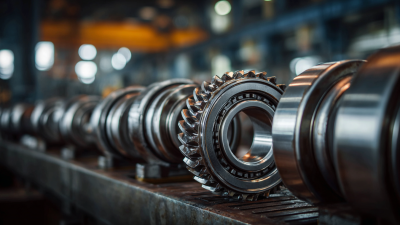
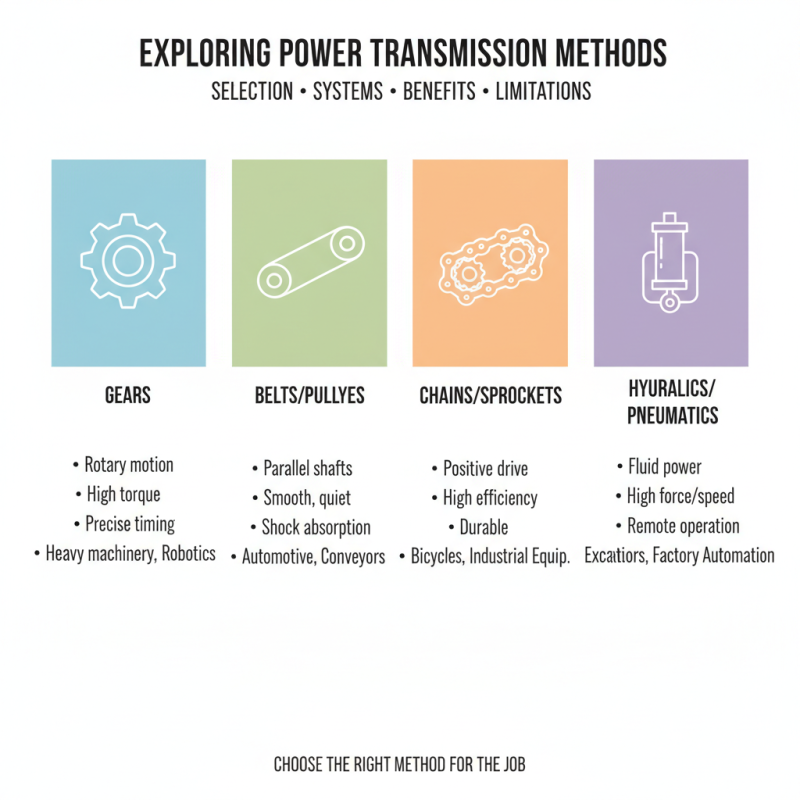
Power transmission solutions encompass gears, belts, and chains. Each provides unique benefits depending on the application. Gears offer mechanical advantage in compact spaces. In contrast, belts are versatile and often quieter. However, poor alignment can cause excessive wear. Chains, while robust, require regular lubrication.
Choosing the right component is a balancing act. It's vital to analyze operational conditions thoroughly. Environmental factors like temperature and moisture can impact performance. Be mindful of the installation process as well. Improper setup may lead to quick failure, even with quality parts. Engaging with experts and referencing reliable resources will enhance decision-making.
Identifying Your Operational Needs for Bearings and Power Transmission
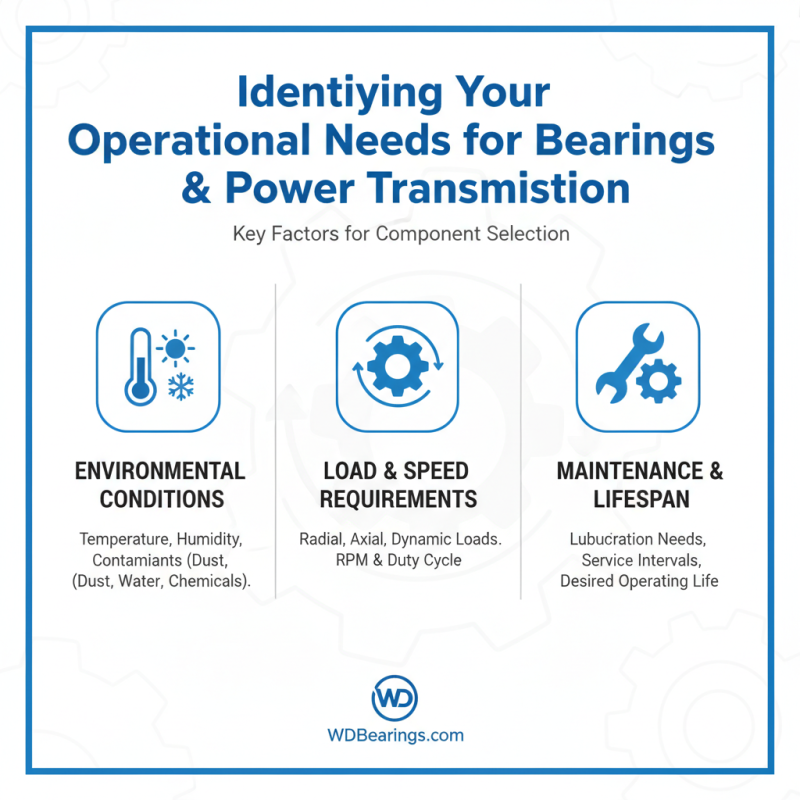
Choosing the right Bearings And Power transmission solutions begins with understanding your operational needs. Start by assessing the environment where these components will be used. Temperature, humidity, and exposure to contaminants can significantly impact performance. For example, a high-temperature setting may require specialized bearings that can withstand extreme conditions.
Next, consider the load and speed requirements of your application. Different bearings support varying loads, and some are designed for high-speed operations while others excel under heavy loads. Think about the duration of use as well. Continuous operation might necessitate more robust options, while intermittent use can allow for lighter selections.
Don’t overlook the importance of regular maintenance and serviceability. Some solutions may require more frequent checks and replacements. This could affect overall efficiency. Bear in mind that making the right choice involves trial and error. It might take time to find the perfect match for your bearings and power transmission needs. Reflect on past failures or inefficiencies to guide future decisions.
Types of Bearings: An Overview of Common Options Available
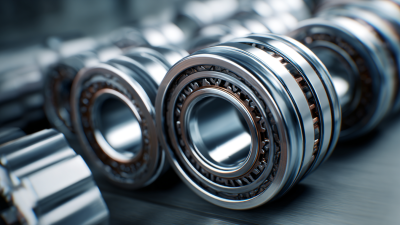
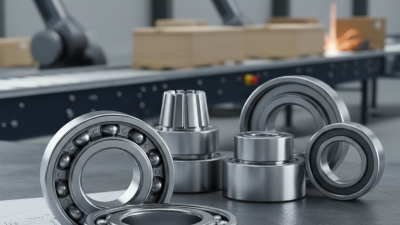
When selecting a bearing, it's important to understand the various types available. Each type has unique features and benefits. For example, ball bearings are versatile and great for low-friction applications. They excel in high-speed use. Conversely, roller bearings are designed to handle heavier loads, making them ideal for industrial machinery.
Plain bearings offer a simpler design and are effective in applications where space is limited. They are prevalent in automotive engines. Thrust bearings manage axial loads effectively, which is crucial in applications like gearboxes. Understanding these differences is vital in optimizing Bearing Power Transmission systems.
However, not every application fits a specific bearing type perfectly. Some designs may require a combination of bearings to achieve desired performance. It’s essential to assess the environment, load, and speed before making a choice. Sometimes, a bearing may underperform due to mismatches in specifications. Reflecting on these factors can lead to better decision-making in your power transmission solutions.
Types of Bearings: An Overview of Common Options Available
Key Factors to Consider When Selecting Bearings and Transmission Systems
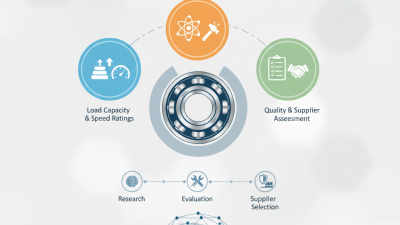
When selecting bearings and power transmission systems, several key factors influence the decision. First, consider load capacity. Bearings must withstand the maximum loads expected in operation. A report from the International Journal of Engineering states that improper load handling reduces lifespan.
Material selection is crucial. Steel and ceramic provide different performance benefits. Steel offers durability, while ceramics are lighter and resist corrosion. Industry data suggest that ceramic bearings can last up to three times longer than traditional materials in harsh environments.
Tip: Always evaluate your environment. Humidity and temperature extremes affect material performance. Choose bearings designed for specific conditions.
Finally, assess the speed and precision required for your application. High-speed operations need precise tolerances to avoid premature failure. A recent study highlighted that 25% of mechanical failures stem from insufficient precision in bearing selection.
Tip: Conduct thorough testing before finalizing choices. Small mistakes can lead to costly downtime. Proper analysis goes a long way in ensuring efficiency.
2026 How to Choose the Right Bearing and Power Transmission Solutions? - Key Factors to Consider When Selecting Bearings and Transmission Systems
| Factor | Description | Example Values |
| Load Capacity | Maximum load the bearing can handle without failure. | 10,000 N - 100,000 N |
| Speed Rating | Maximum operational speed of the bearing. | 1,000 RPM - 10,000 RPM |
| Material | Type of material used for bearing construction. | Steel, Ceramic, Composite |
| Environmental Conditions | Conditions under which the bearing will operate. | Temperature: -40°C to 120°C, Humidity: 0% to 100% |
| Lubrication Type | Method of lubrication for the bearings. | Grease, Oil, Solid Lubricants |
| Mounting Type | Method for installing the bearing into the housing. | Press-fit, Slip-fit, Tapered |
Evaluating Manufacturer Certifications and Product Quality Standards
When selecting bearing and power transmission solutions, evaluating manufacturer certifications is crucial. Reliable certifications indicate adherence to quality standards. The International Organization for Standardization (ISO) provides frameworks that help in assessing manufacturer capabilities. According to the 2021 Machinery Standards Report, over 70% of leading manufacturers comply with ISO 9001. This standard ensures that products meet stringent quality management criteria.
In addition to ISO, manufacturers may pursue additional certifications, like ISO/TS 16949. This applies specifically to the automotive industry. It's important to consider these specialized certifications when evaluating suppliers. They can reinforce a commitment to quality in Bearing And Transmission components. Quality matters; subpar products can lead to reduced efficiency or costly breakdowns.
However, relying solely on certifications isn't enough. Some manufacturers may acquire them without fully embodying the required practices. Research by the American Society of Mechanical Engineers (ASME) highlights that nearly 30% of certified companies still face quality compliance issues. Engaging with suppliers directly, asking about their processes, and examining product samples can offer deeper insights. Continuous improvement should be a shared goal in the industry.
Best Practices for Maintenance and Longevity of Bearing Systems
When it comes to maintaining bearing systems, regular care is essential for optimal performance. Proper lubrication is critical. It reduces friction, preventing wear and tear. Choose lubricants recommended for your specific application. Over-lubrication can be as damaging as under-lubrication. Monitor levels closely and apply accordingly.
Inspection routines should be rigorous. Regularly look for signs of damage or abnormal wear. Check for heat buildup, noise, and vibrations. These might indicate issues. Early detection can save you from costly repairs. Training staff on recognizing these signs can enhance overall system reliability.
Tip: Implement a schedule for routine inspections.
Environment affects bearing longevity. Dust, moisture, and temperature fluctuations can degrade performance. Keep bearings clean and protected from contaminants. Seals can provide an extra layer of protection. However, they need checking and replacing when worn out.
Tip: Use covers and enclosures for additional protection.
Consider future application needs when selecting bearings. Features impacting longevity can include load capacity and speed ratings. An incorrect selection can lead to premature failure. Take the time to research and discuss with experts. Their insights can help guide you to the most effective choices.
Conclusion
Choosing the right bearing and power transmission solutions is critical for achieving operational efficiency and longevity in machinery. The fundamentals of understanding various bearing types and power transmission methods are essential for aligning with your specific operational needs. An overview of common bearings reveals their applications, while exploring different transmission methods highlights their unique functionalities.
When selecting these components, it's important to consider key factors such as load requirements, speed, and environmental conditions. Additionally, assessing manufacturer certifications and product quality standards ensures reliability. Finally, implementing best practices for maintenance will promote the durability of bearing systems, ultimately enhancing performance. By focusing on these aspects, businesses can make informed decisions regarding bearing and power transmission solutions that support their operational goals.