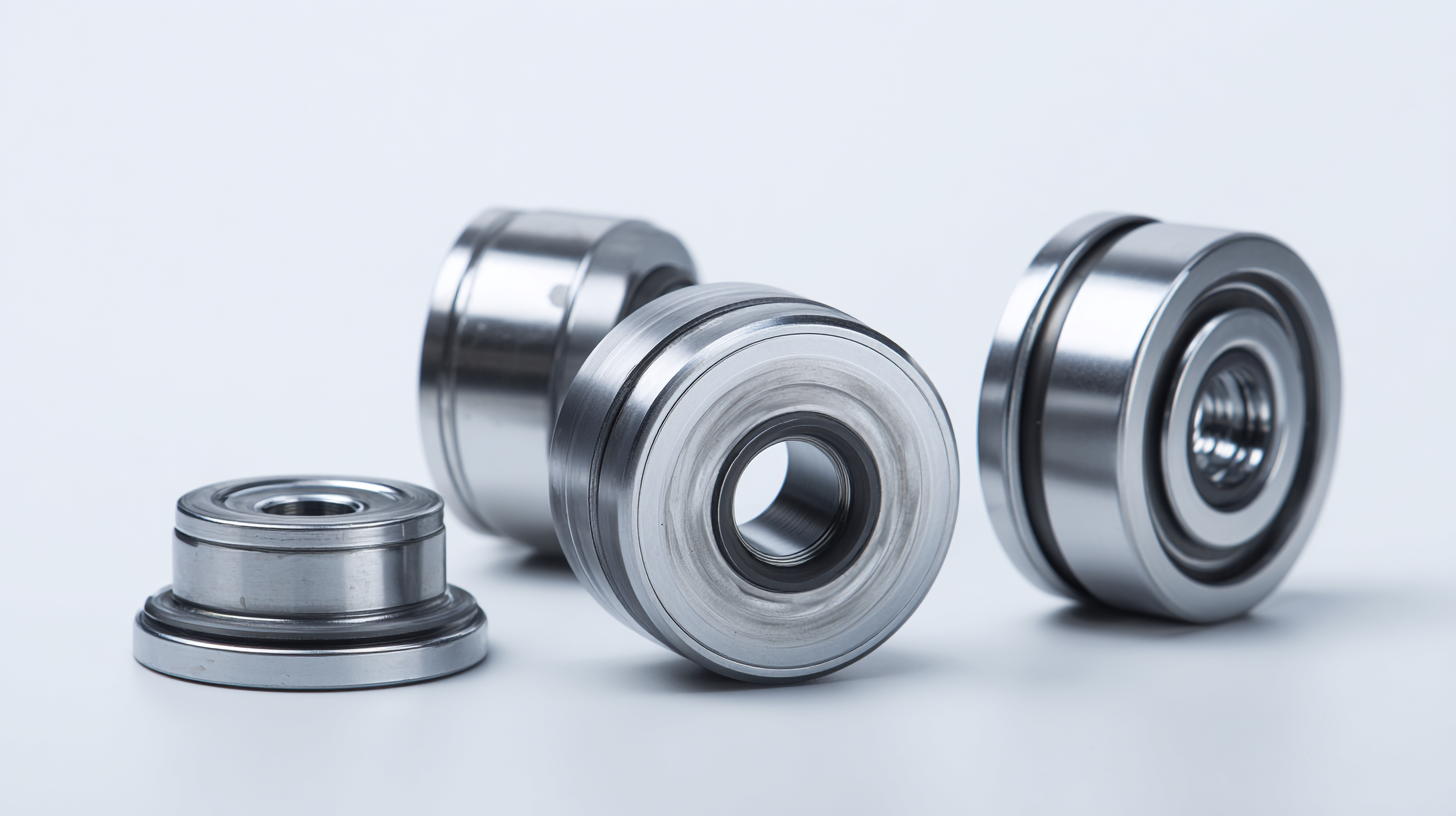
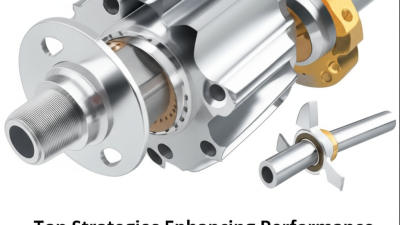
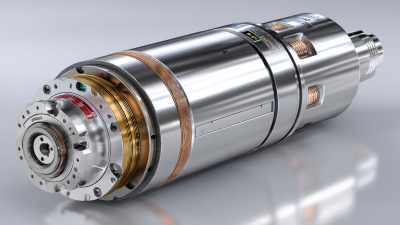
Looking ahead to 2025, the world of global manufacturing is set to go through some pretty exciting changes, especially when it comes to Follower Bearings. At WD Bearing Group, we’re proud to be recognized as a leader in bearing solutions. We’re always pushing forward, delivering top-notch Follower Bearings to a bunch of OEMs across different industries—think material handling, agriculture, construction, and more. Our focus on innovation keeps us investing in the latest machining tech, smart bearing software, and a talented team to keep up with what the market needs. In this blog, we’ll dive into what the future holds for Follower Bearings, including industry trends, tech breakthroughs, and how companies like ours are helping shape the future. By understanding where Follower Bearings are headed, we can better get ready for the ups and downs in this ever-evolving space.
Innovations in Follower Bearings: Impact on Manufacturing Efficiency
You know, innovations in follower bearings are really shaking up the manufacturing world. They're helping us work more efficiently and get things done faster. As things get more complicated, there's definitely been a spike in the need for high-performance parts like these bearings. They’re actually crucial for making sure machinery moves and positions things just right—basically, they keep everything running smoothly and cut down on unnecessary wear and tear. Thanks to new materials and precise engineering, manufacturers can now create follower bearings that handle heavier loads and tougher conditions, which boosts the overall reliability of the system.
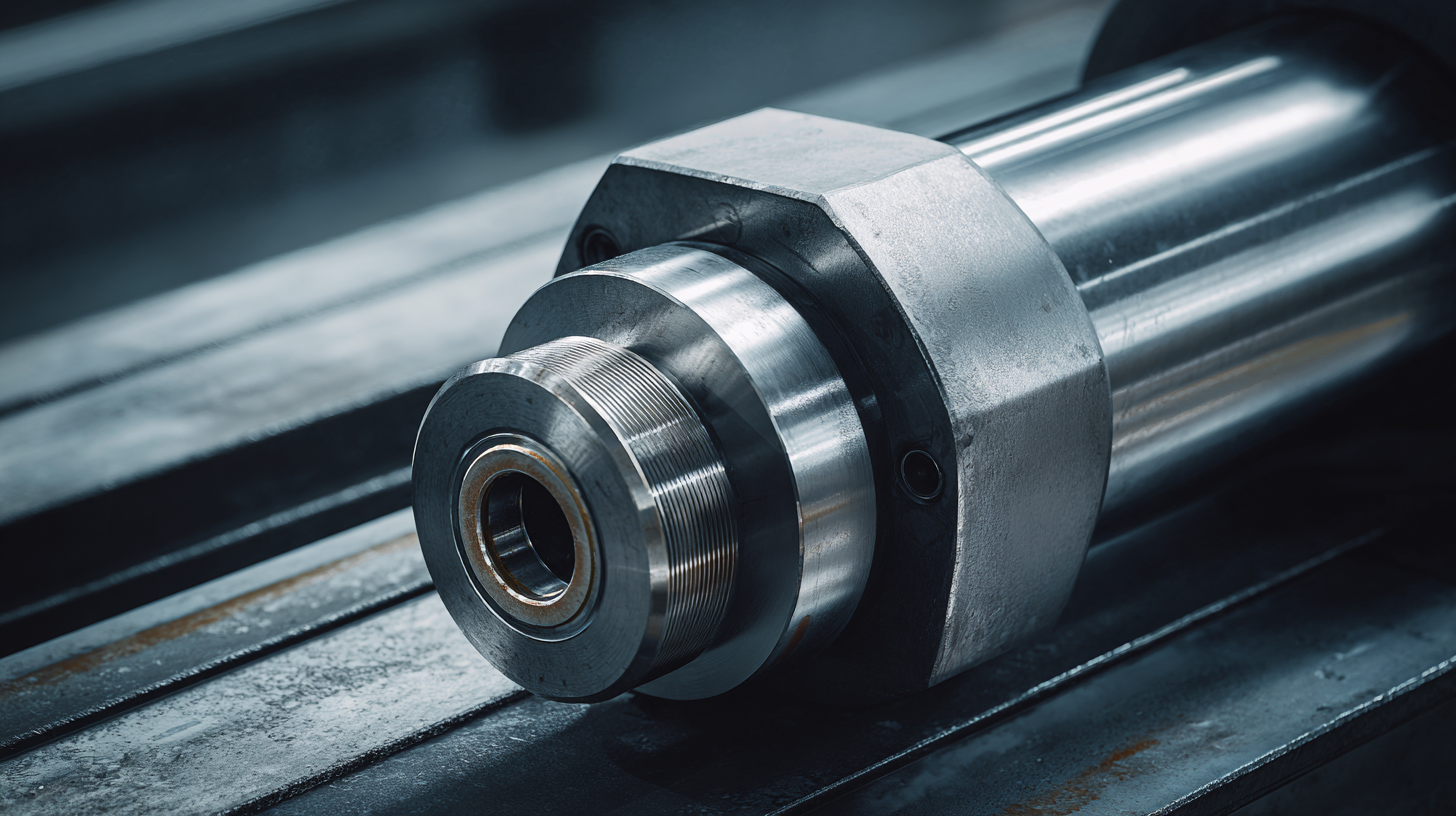
And here’s the cool part—integrating smart tech and IoT into these bearings is totally changing the game. Now, companies can monitor their equipment in real-time, catching issues before they turn into big problems. This predictive maintenance means less downtime and a longer lifespan for machines. As more manufacturers jump on these cutting-edge solutions, they’re better positioned to stay competitive and streamline their production lines. It’s really exciting to see how these advancements are pushing manufacturing toward smarter, more durable systems for the future.
The Role of After-Sales Services in Enhancing Customer Satisfaction
You know, in today’s fast-changing world of global manufacturing, after-sales service has really started to stand out as a key part of making customers happy. Companies are pouring a lot of resources into cutting-edge tech and new ways of making stuff, but it’s just as important — maybe even more so — to give great support after people buy their products. Things like quick maintenance, helpful troubleshooting, and proper training don’t just keep products running smoothly; they help build a real relationship between a brand and its customers.
Plus, having solid after-sales support can actually set a brand apart from the crowd. People don’t just care about the product anymore — they care about the whole experience. Fast responses, personalized help — that kind of stuff can turn someone who’s trying out your product once into a loyal fan. This kind of thing not only keeps customers coming back but also boosts how people see your brand, which is a big plus for long-term success. As manufacturing keeps evolving, those companies that put a strong emphasis on after-sales support are probably going to have the upper hand when it comes to keeping their customers happy and coming back for more.
The Role of After-Sales Services in Enhancing Customer Satisfaction
Cost Analysis: Balancing Repair Expenses and Equipment Lifespan
In today's fast-changing world of manufacturing, really getting a handle on the costs associated with follower bearings is super important if you want to keep things running smoothly. I came across an industry report from the International Federation of Robotics that said repairs and replacements for machinery can make up as much as 20% of a company's total maintenance budget. That kinda puts things into perspective, huh? It really highlights how crucial it is to find a good balance between fixing things and letting equipment run its course, especially when it comes to follower bearings—they’re pretty much the backbone of machine performance.
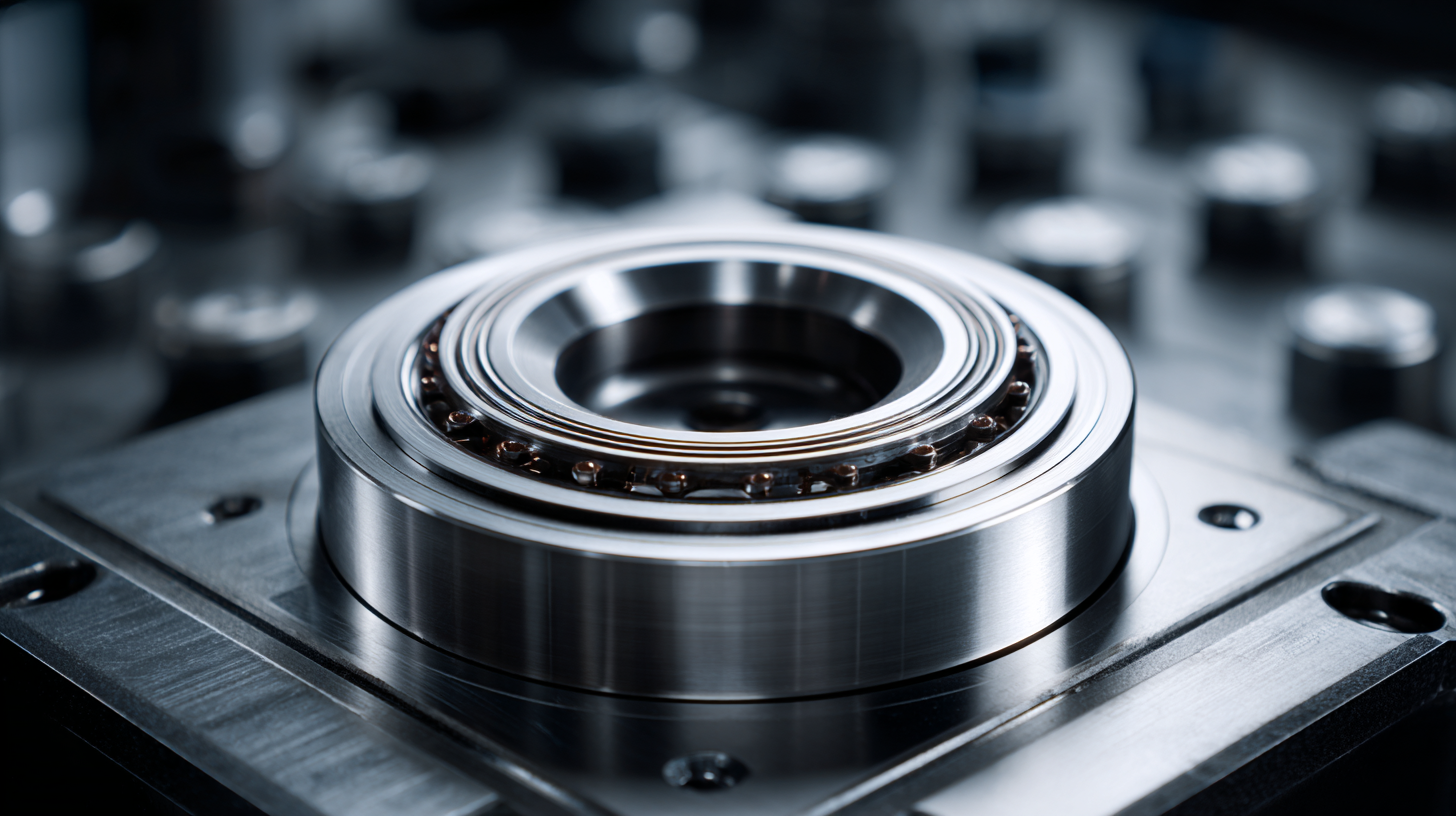
And here’s something else: the Precision Bearing Institute did a study that suggests doing regular maintenance and fixing stuff early can actually extend the life of bearings by up to 30%. That’s a big deal because it means fewer breakdowns and less downtime, which costs a fortune. If manufacturers invest in routine check-ups and use some of the newer diagnostic tech out there, they can save a good chunk of change and get more done. Plus, with all these smart tech things like IoT sensors becoming pretty common, monitoring follower bearings in real-time could really cut down repair costs even more and help machines last longer. It’s pretty exciting stuff — definitely pointing towards a more sustainable way of manufacturing in the future.
Future Trends in Maintenance Strategies for Follower Bearings
Hey, you know, the way we handle maintenance for follower bearings isn’t standing still—it's actually changing pretty quickly, kinda in step with global manufacturing trends. As the competition gets tougher out there, OEMs are really focusing on being both efficient and reliable. These days, they're turning to cool tech like predictive maintenance and real-time monitoring to keep things running smoothly. By diving into data analytics, companies can catch issues before they even happen, which means less downtime and a longer life for their parts.
At WD Bearing Group, we totally get how important follower bearings are across tons of industries – from farming and construction to material handling. That’s why we’re always pushing to get better. We’ve invested in the latest machining gear and specialized bearing software to make sure our products perform at the highest level and are super reliable. Our team, packed with skilled pros, is ready to shift and adapt our maintenance approaches as the industry evolves—making sure we’re always on top of the latest trends. In the end, it’s all about providing tailored solutions for our clients’ changing needs and helping them stay ahead of the game.
The Future of Follower Bearings in Global Manufacturing Trends - Future Trends in Maintenance Strategies for Follower Bearings
| Trend Category | Description | Impact on Maintenance | Projected Adoption Year |
| Predictive Maintenance | Utilizing data analytics and IoT for real-time monitoring. | Reduces unplanned downtime and maintenance costs. | 2025 |
| AI Integration | Artificial intelligence enhanced diagnostics and fault detection. | Improves accuracy in maintenance decisions. | 2026 |
| Sustainability Practices | Focus on eco-friendly materials and processes. | Encourages long-term cost savings and environmental responsibility. | 2027 |
| 3D Printing | Additive manufacturing for custom and on-demand parts. | Speeds up the supply chain and reduces inventory costs. | 2025 |
| Remote Monitoring | Cloud-based systems enabling off-site tracking and management. | Enhances responsiveness to maintenance needs. | 2024 |
Integrating Technology: Smart Solutions for Follower Bearing Systems
You know, the way technology is now being woven into follower bearing systems really marks a big shift in how manufacturing is shaping up worldwide. I mean, follower bearings have always been like the unsung heroes, helping machinery move smoothly and stay precisely in place. But nowadays, with industries really pushing towards automation and digital solutions, it’s clear that we need smarter, more connected follower bearing setups. Things like advanced sensors and IoT tech are popping up in these systems, making it possible to keep an eye on everything in real time and crunch performance data on the fly. This change not only cuts down on unexpected downtimes but also helps plan maintenance better, saving a ton of money and keeping operations running smoothly.
And it’s not just about sensors and connectivity. With AI and machine learning coming into play, companies are starting to do predictive maintenance — kind of like giving machines a health check before something actually breaks. By analyzing data from those smart sensors, manufacturers can spot problems early and prevent messy disruptions in production. This tech stuff really helps them make smarter decisions about their equipment, which means better product quality and more reliability. As manufacturing continues to evolve around the world, these clever, smart solutions in follower bearing systems are going to be key players. They’re going to drive innovation, boost competitiveness, and support more sustainable practices across the board.
Global Manufacturing: Adapting Follower Bearings to Evolving Markets
You know, as global manufacturing keeps evolving at a pretty fast clip, follower bearings are really starting to play a more crucial role. Companies are constantly looking for ways to boost efficiency and cut down on costs, and that’s sparked a big surge in demand for innovative bearing solutions. I recently came across a report from MarketsandMarkets that said the worldwide bearing market might hit around $98.5 billion by 2026 — and it’s growing at about 7% annually. This growth is mainly driven by more companies adopting automation and smart manufacturing tech, which means they need reliable, precision parts like follower bearings that can handle higher loads without breaking a sweat.
On top of that, with the market always shifting and regulations getting stricter, customization of these bearings is becoming more and more vital. I found a study from Grand View Research mentioning that the custom bearing segment could reach $20 billion by 2025. That’s mainly because different industries—like automotive, aerospace, and robotics—have very specific needs. So, for businesses wanting to stay ahead in a competitive, global scene, investing in advanced follower bearing tech that offers better performance and flexibility isn’t just a nice-to-have anymore—it’s a must for long-term success.
FAQS
: Machinery repairs and replacements can account for up to 20% of a manufacturer's total maintenance costs.
Proactive maintenance and timely repairs can extend the lifespan of bearings by as much as 30%.
Routine inspections can reduce the frequency of breakdowns and minimize costly downtimes, leading to significant cost savings and enhanced productivity.
IoT sensors enable real-time monitoring of follower bearings, which can drive down repair costs and optimize equipment lifespan.
Maintenance strategies are evolving to include advanced technologies, such as predictive maintenance and real-time monitoring systems, to enhance efficiency and reliability.
Manufacturers can leverage data analytics to anticipate potential failures before they occur, which helps in reducing downtime.
Follower bearings are critical in various sectors, including agriculture, construction, and material handling.
WD Bearing Group invests in cutting-edge machining equipment and specialized bearing software to meet high standards of performance and reliability.
Integrating advanced technologies can reshape maintenance practices, leading to increased efficiency and the ability to provide tailored solutions to clients' evolving needs.
Continuous improvement allows manufacturers to adapt maintenance strategies to align with future trends and enhance overall operational performance.