Leave Your Message
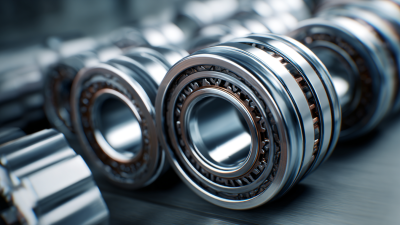
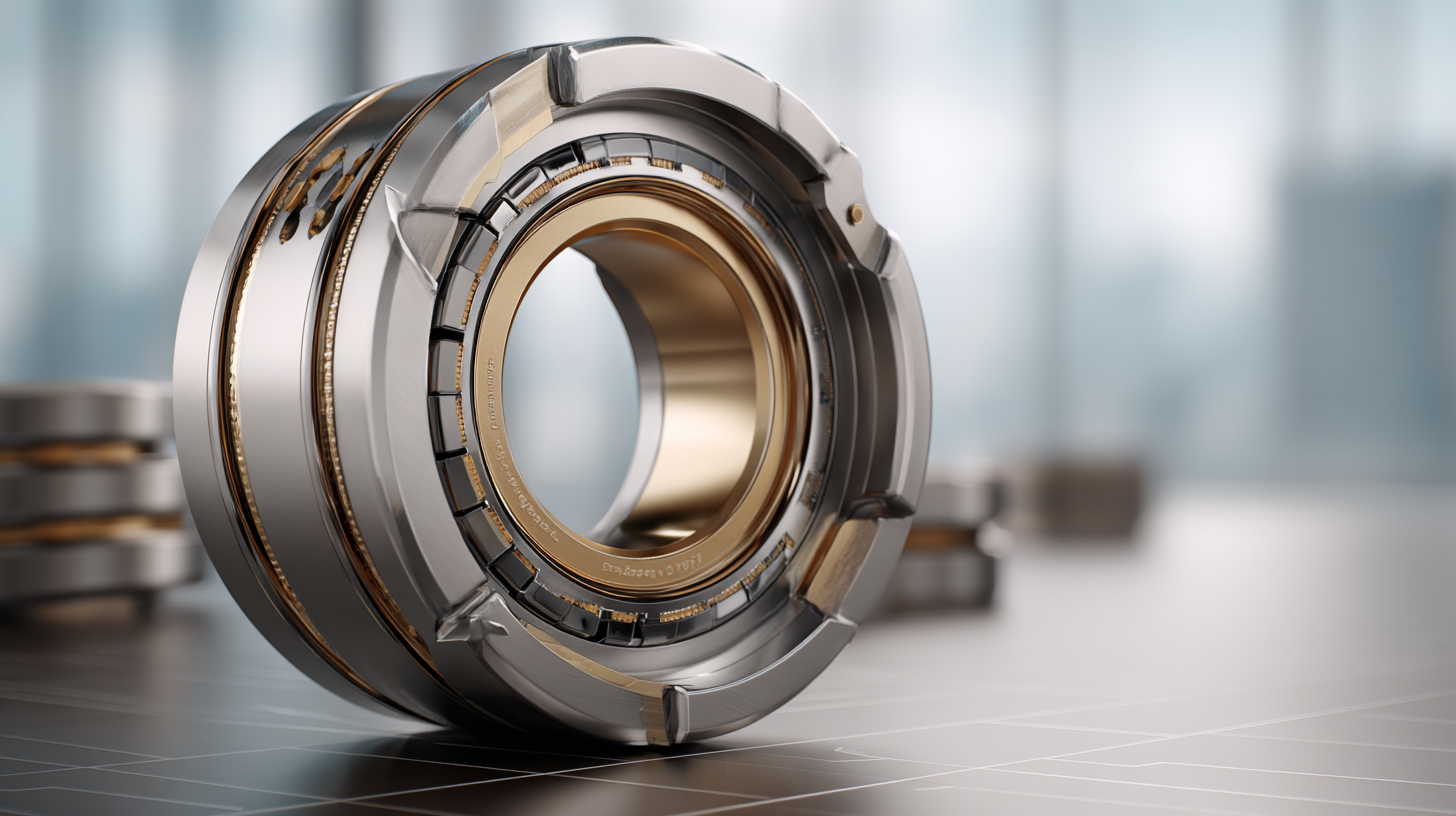 As the world keeps moving more and more towards renewable energy, the importance of advanced tech like Cyl Roller Bearings really starts to stand out. These bearings play a huge role in making everything run smoother and more reliably, whether you're talking about wind turbines or solar setups. Companies like WD Bearing Group are right there at the forefront of this shift, offering top-notch bearings that are crucial for all kinds of systems. They've invested in high-tech machining gear and smart software to make sure they meet the needs of OEMs across industries like construction, agriculture, and materials handling. Basically, WD Bearings isn’t just keeping up—they’re helping shape the future of renewable energy. Looking ahead, it’s pretty exciting to see how new innovations in Cyl Roller Bearings can boost sustainability and make renewable energy systems more efficient and dependable than ever before.
Looking ahead, the future of Cylindrical Roller Bearings in renewable energy is really heading into exciting territory. Things are changing fast, especially with a big push for more efficiency and sustainability. The global market for bearings is booming — it’s expected to grow from around 46.8 billion USD in 2024 to a whopping 162.5 billion USD by 2033. With such rapid growth, manufacturers are really stepping up their game, coming up with smarter, more durable designs that can handle all sorts of environmental challenges without turning into energy hogs.
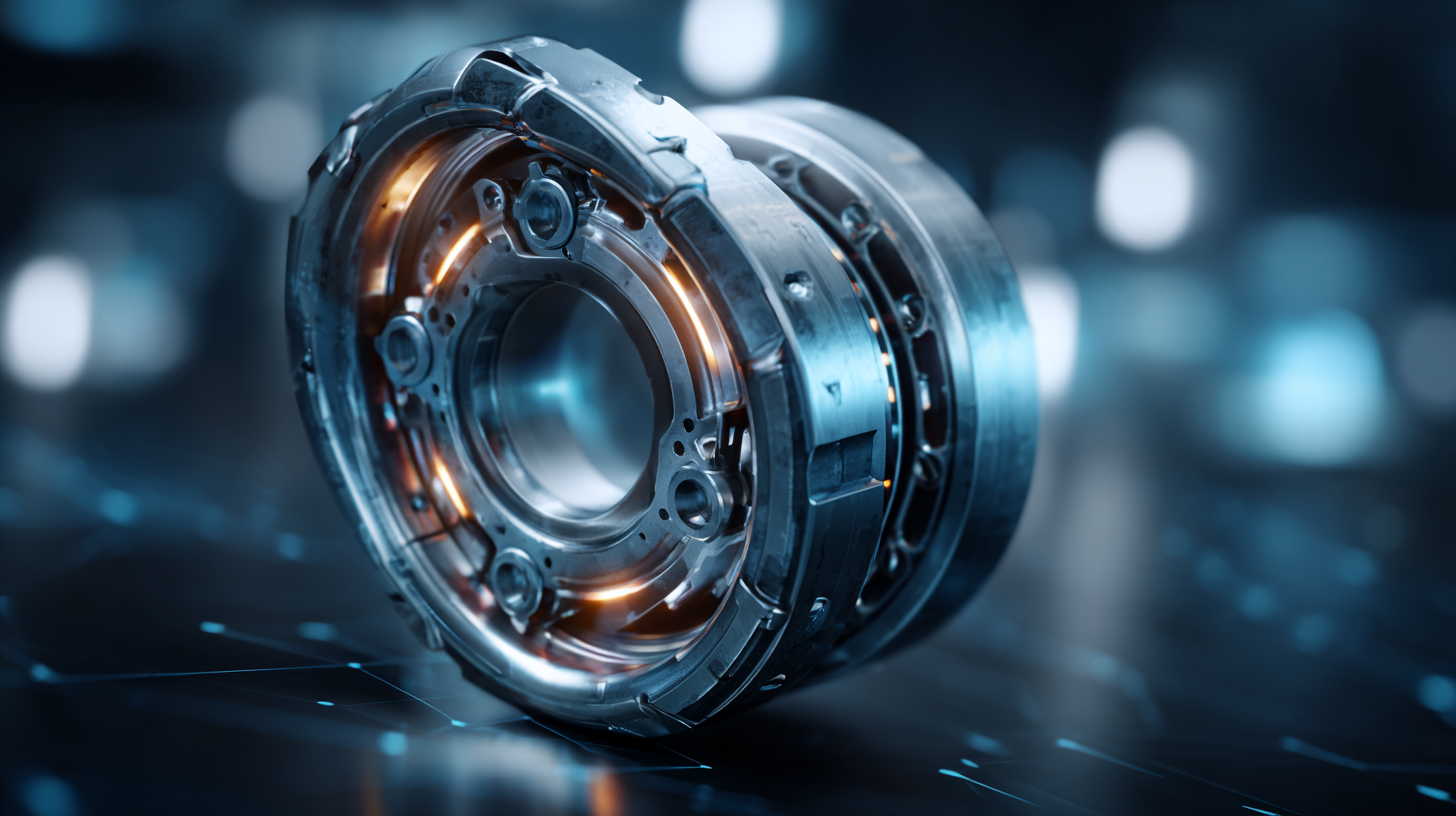
One of the coolest trends right now is the rise of smart bearings. These new models come with sensors embedded right in them, so they can keep tabs on how they’re performing in real time. That way, maintenance can be predicted before something actually breaks, saving a lot of hassle and money. Plus, people are exploring lightweight materials to cut down energy use even more—think wind turbines and solar panels. As the industry pushes toward cleaner energy solutions, developing special bearings just for these applications is becoming super important. They’re key in making operations run smoother, more efficiently, and helping us move toward a greener, more sustainable future.
In the quest for enhanced industrial efficiency, high-precision tapered roller bearings play a pivotal role, providing the necessary reliability and performance to meet evolving market demands. The WD tapered roller bearings exemplify this innovation with their flexible designs that cater to both inch and metric systems, ensuring global interchangeability. Their unique cup and cone assembly maximizes the axial and radial load handling capabilities while maintaining ultra-low friction, vibration, and noise levels—key factors that contribute to smoother operations within various machinery.
One of the standout features of WD tapered roller bearings is their ability to offer higher radial load capacity alongside single-direction axial load capacity, enabling them to perform exceptionally well even under challenging conditions. The through-hardened steel construction provides superior strength and durability, with the option of VIM/VAR steel for applications requiring advanced resistance to fatigue and wear. Additionally, the design includes paired and stacked arrangements with minimized clearance ranges, optimizing the performance of bearing pairs and enhancing overall system stability. With outer diameters reaching up to 762 mm and improved raceway surface roughness for higher speeds, WD bearings ensure that industries can operate at peak efficiency while reducing maintenance costs and downtime.
: The emerging trends focus on enhanced efficiency, sustainability, and the integration of smart technologies, including sensors for real-time performance monitoring.
The global bearings market is projected to increase from USD 46.82 billion in 2024 to USD 162.57 billion by 2033.
They must withstand harsh operational conditions, including extreme temperatures and variable loads, particularly in wind energy systems.
WD Bearing Group supplies high-quality bearings and invests in advanced machining capabilities to meet the standards required for optimal performance in renewable energy applications.
They enhance load resistance, wear resistance, and allow for the production of complex geometries tailored to operational requirements in renewable energy systems.
It enables real-time performance monitoring, facilitates predictive maintenance, reduces downtimes, and improves overall efficiency of energy systems.
Lightweight and sustainable materials are being investigated to minimize energy consumption in renewable energy systems.
Predictive maintenance reduces the likelihood of failures by allowing for real-time monitoring and timely interventions before issues arise.
The adoption of sustainable materials and manufacturing processes helps minimize the environmental impacts associated with bearing production.
Specialized bearings are crucial for optimizing operational efficiency and supporting the transition towards cleaner energy solutions.
So, I recently read this article called "The Future of Cyl Roller Bearing Technology in Renewable Energy Applications," and honestly, it’s pretty fascinating. It dives into how Cyl Roller Bearings are changing and why they’re so crucial for making different industries, especially renewable energy, more efficient. What’s really interesting is how they’re starting to incorporate smart tech—think real-time monitoring systems that help keep everything running smoothly. Plus, there’s a big push toward using more sustainable, eco-friendly materials in making these bearings, which is a huge plus. Researchers are also breaking new ground with manufacturing techniques that boost performance, so it’s all about making these parts better and more reliable.
The article also touches on some of the hurdles they face, especially when it comes to wind energy. But there’s a lot of innovation going on, and those advancements are essential to keep up with the ever-growing demand for smarter, greener energy solutions.
Now, speaking of industry support, WD Bearing Group has its hands in quite a few sectors—agriculture, construction, you name it. They’re really committed to investing in new tech and talented people, which puts them right at the forefront of this whole transformation. Developing better Cyl Roller Bearings will be a game-changer, especially for the future of smart grids, making energy management more efficient and sustainable. Honestly, it’s exciting to think about how all these advancements will shape the energy landscape down the line.