You know, in today’s fast-paced world of machinery and equipment, it’s super important to have reliable and efficient components. Let’s talk about one crucial part: the Cylinder Roller Bearing. It's really essential for ensuring smooth operation in all kinds of applications. With sectors like material handling, agriculture, construction, and automotive booming, it’s clear that there's a growing need for fresh alternatives to the usual Cylinder Roller Bearings. Here at WD Bearing Group, we totally see this demand and are all in on exploring cutting-edge options that boost performance and durability. With our cool investments in advanced machining equipment and some pretty neat professional bearing software, we’re dedicated to delivering amazing bearing solutions that are just right for what OEMs need. In this blog, we’re going to dive into the latest updates on alternatives to Cylinder Roller Bearings and show you how WD Bearing Group is ready to tackle the challenges that modern engineering throws our way.
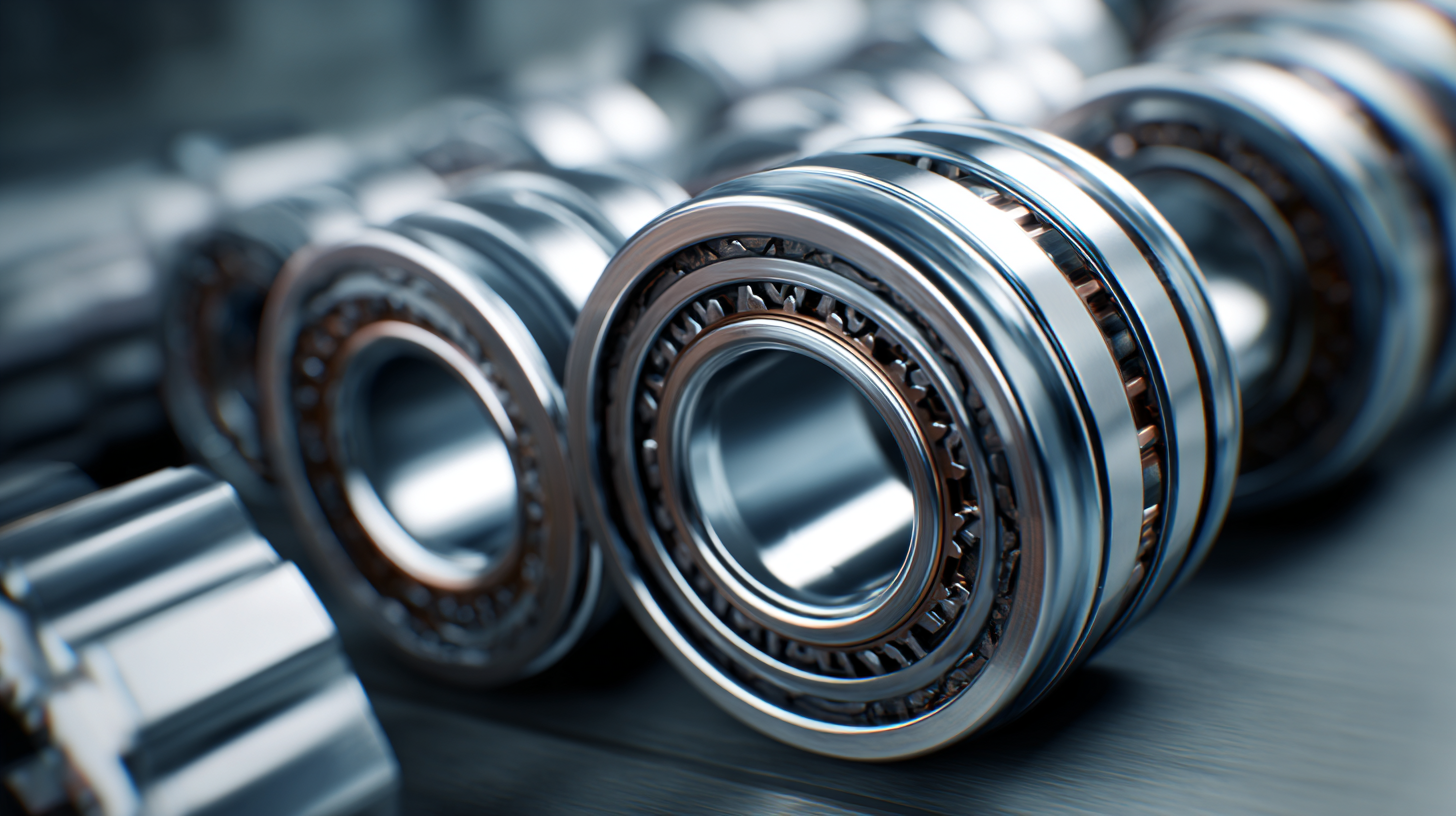
Understanding Cylinder Roller Bearings and Their Common Applications
You know, cylinder roller bearings are super important in all sorts of heavy-duty applications. They really amp up load capacity and durability, which is crucial. You’ll often find them in areas like material handling, agriculture, and construction. These tough little guys can handle some serious weight while keeping everything running smoothly. In fact, there’s this report out there from Markets and Markets that predicts the global bearing market will hit a whopping $130 billion by 2025, largely thanks to the growing demands in industrial sectors. This really underscores how vital it is to choose the right types of bearings, like cylinder roller bearings, to keep machinery performing at its best.
At WD Bearing Group, we totally get how crucial high-quality bearings are for industrial operations. Our products often lend a hand to OEMs across various industries, from pumps to gearboxes and electric motors. Reliability and performance? That’s our jam! We’re always investing in cutting-edge machining equipment and professional bearing software because we’re committed to bringing you innovative bearing solutions. Oh, and a recent study from Research and Markets showed that the push for automation and efficiency is gonna really fuel the need for high-performance bearings, putting us right at the forefront of this exciting trend.
Key Factors to Consider When Choosing Alternatives for Bearings
So, when you're looking into alternatives for cylinder roller bearings, there are a few things you really wanna keep in mind that could make a big difference in how well they perform. First off, think about what the bearing is made of. Like, using advanced materials—ceramics or maybe some hybrid designs— can really up the game in terms of wear resistance and keeping friction low. This is super handy, especially when you're working with high loads or speeds. Also, don't forget to check out the environment where the bearing will be used, since some materials might shine in specific temperature ranges or in places with corrosive elements.
Another thing to keep on your radar is load capacity. You need bearings that can handle both radial and axial loads well. Take the time to figure out what your application truly needs and make sure the alternative bearing can either meet or beat those specs. And hey, the design and setup of the bearing itself can also play a key role in how it performs and how much maintenance it’ll need.
Tip 1: Make sure to crunch the numbers on how long you expect the bearing to last based on the conditions it’s gonna be under—loads and speeds included. This way, you'll dodge those annoying premature failures.
Tip 2: Don’t hesitate to chat with manufacturers about custom solutions; sometimes, getting a bearing tailored just for your application can give you the edge you need.
Tip 3: Keep a close eye on how the alternative bearings are doing in your setup. Catching any issues early can save you a lot of hassle down the line—and you can tweak things as needed.
Top Innovative Materials for Enhanced Bearing Performance
Alright, let’s talk about alternatives for cylinder roller bearings. You know, innovative materials really shake things up when it comes to boosting performance and durability. One standout material is advanced ceramics, like silicon nitride. These bad boys come with some serious perks—they’re lighter and have way better wear resistance than your typical steel bearings. Plus, they can handle high temperatures like champs, which is super important for those high-speed applications where heat can be a real issue.
Then there are polymer composites. They mix the lightweight feel of polymers with killer mechanical properties. This combo not only cuts down on friction and wear but also ramps up efficiency across various applications. And get this: they’ve got great corrosion resistance, which means they’ll stick around longer, even in tough environments. As industries are pushing for greener options, bio-based and recyclable polymers are starting to grab the spotlight. They’re not just effective; they’re eco-friendly too! So, with all these cool materials coming into the mix, the future of cylinder roller bearings isn’t just about swapping out parts—it’s about rethinking how we achieve top-notch performance through advanced material science.
Comparative Analysis of Conventional vs. Alternative Bearing Solutions
Alright, so when you're looking at bearing solutions for industrial applications, it really pays off to compare the good old Cylindrical Roller Bearings with some of the newer alternatives out there. Traditional bearings have been around forever and are pretty much the go-to choice because they handle heavy loads and high speeds like a champ. They’re built for reliability and can last a long time, which is why you see them all over manufacturing and machinery. But, let’s be real—sometimes these classic options aren’t the best when it comes to energy efficiency and adapting to the latest tech.
Now, on the flip side, there are some pretty cool bearing solutions like magnetic or composite bearings that come with their own set of perks. Magnetic bearings are awesome because they get rid of mechanical contact, which means way less friction and wear. This can seriously stretch out their service life and cut those pesky maintenance costs. And then you’ve got composite materials, which are lightweight and resistant to corrosion, giving you some real flexibility in design and better performance in tough situations. So, by weighing up the pros and cons of both conventional and alternative bearing solutions, businesses can make smart choices that fit their needs, ultimately boosting performance and ramping up productivity!
Maintenance Tips for Long-Lasting Bearing Life and Efficiency
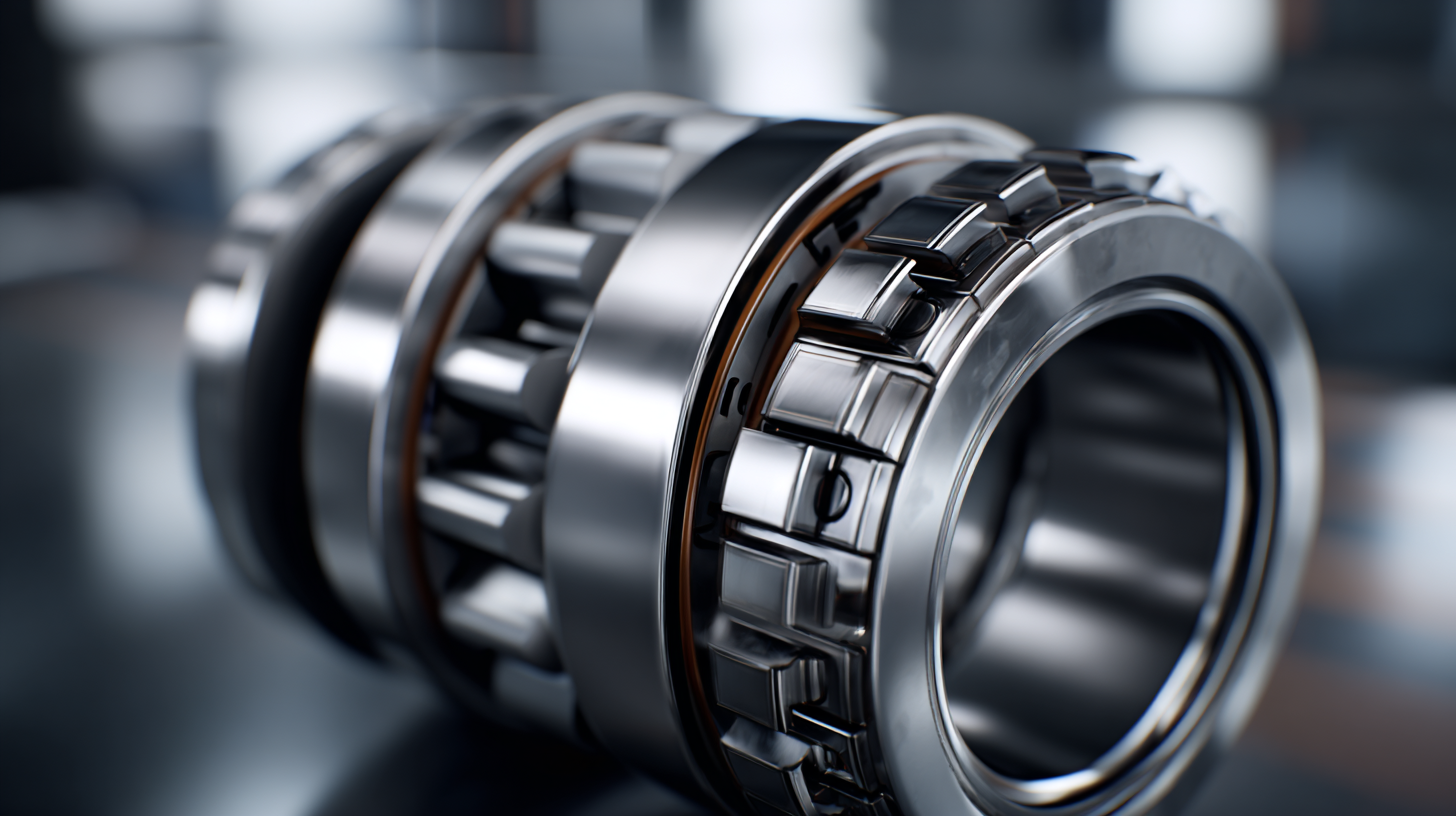
When we talk about keeping your cylinder roller bearings in top shape, a little proactive maintenance goes a long way. Honestly, just staying on top of things can really boost how well your bearings work and help you dodge those annoying and costly downtimes. By putting together a solid maintenance schedule, you can really extend the life of those bearings and avoid any nasty surprises down the road. And hey, using some of those fancy digital monitoring tools out there can give you a peek into how your bearings are doing in real-time. This way, you can tackle potential issues before they turn into big problems.
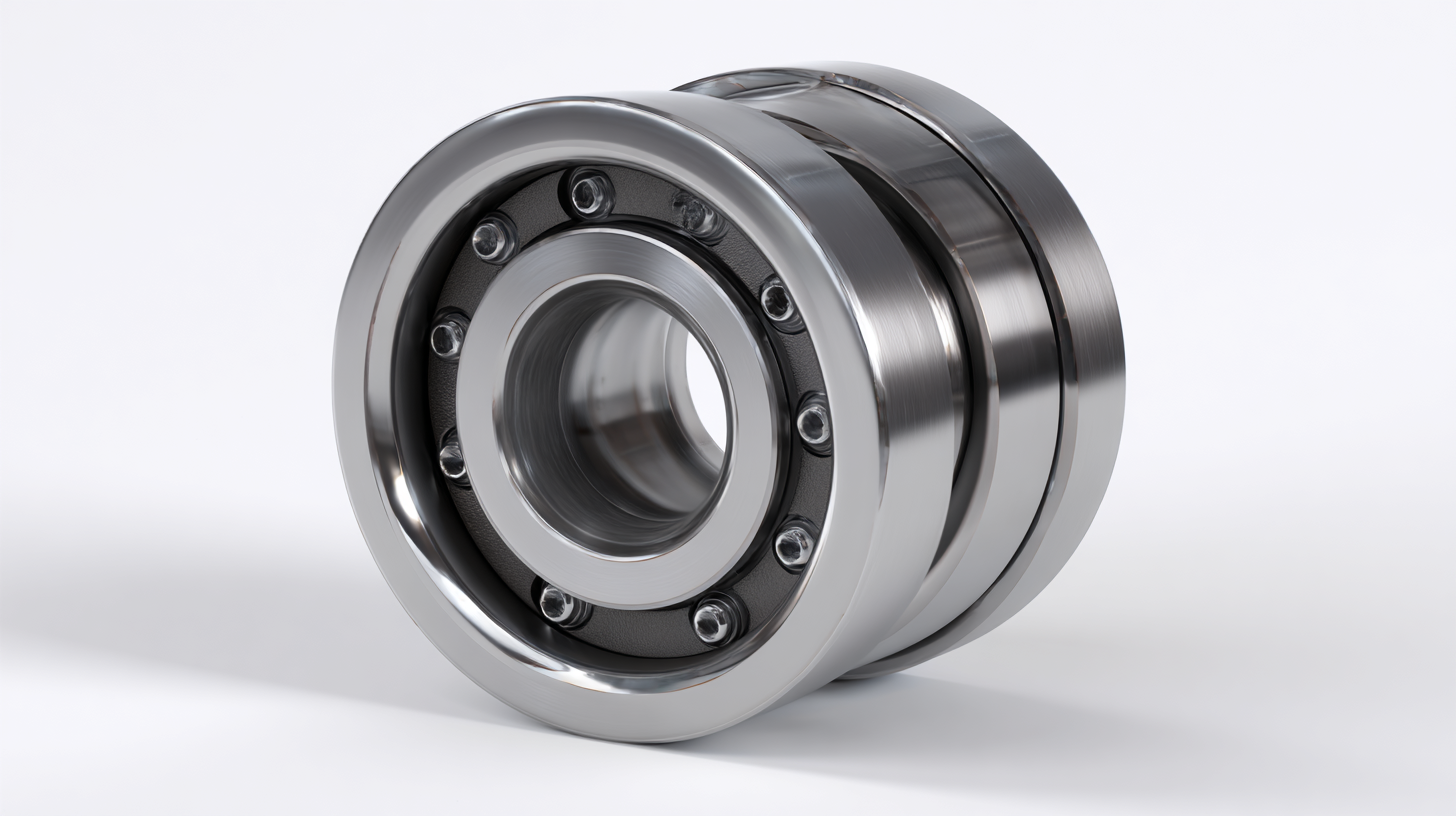
Now, let’s not forget how key lubrication and the environment are for your bearings to perform their best. The kind of lubricant you choose can seriously affect how long your bearings last and how well they function. Keeping things well-lubricated means less friction and wear, so everything runs smoother, no matter the load. Plus, keeping your work area clean and free from gunk does wonders for those bearings, ensuring they stay reliable and perform like champs throughout their lifespan. With these handy maintenance tips, you’ll not only keep things running smoothly but also get the most bang for your buck when it comes to your bearing investments.
Future Trends in Bearing Technology and Alternative Options
You know, over the past few years, the bearing industry has really started to change gears, embracing some pretty innovative materials and designs. It’s fascinating how this is shaping the future of bearing technology! I came across a report from MarketsandMarkets that says the global bearing market could hit a whopping $100 billion by 2026. That’s huge! And it’s all driven by the push to find alternatives to those traditional cylinder roller bearings we’ve been using forever. There’s been a growing demand for machinery that’s not only more efficient but also uses less energy. So, manufacturers are getting curious about other materials, like ceramic and composite bearings, which can really boost performance and last longer.
Here’s a little tip: when you’re weighing your options, make sure you’re looking at solutions that really fit your specific needs. For example, ceramic bearings are awesome because they resist wear and corrosion like champs, making them perfect for tough environments. Plus, they can cut down on friction, which means you’ll save on energy costs and maintenance in the long run.
Looking forward, it’s also exciting to see smart technology making its way into bearing systems. The whole Internet of Things (IoT) thing is really taking off! It’s allowing real-time monitoring and predictive maintenance, which not only helps bearings last longer but also boosts the reliability of the equipment overall. According to a report from Grand View Research, the smart bearings market is set to grow at over 8% every year from 2022 to 2030. That’s a solid indication that everyone’s moving toward smarter, data-driven solutions in the bearing world.
So here’s a tip for you: if you can, think about investing in smart bearing technology. It can help nip maintenance issues in the bud, which means less downtime and way better productivity. Look for bearings that have built-in sensors for operational analytics; it’ll really help you make more informed decisions when it comes to maintenance and when to replace parts.
Maximizing Efficiency: The Essential Role of High-Precision Cylindrical Roller Bearings in Modern Machinery
In today’s competitive industrial landscape, maximizing machinery efficiency is paramount. High-precision cylindrical roller bearings play a critical role in achieving this goal by minimizing friction, enhancing load capacity, and improving overall performance under demanding conditions. According to recent industry reports, machinery failures due to bearing issues account for approximately 40% of unplanned downtimes, highlighting the need for robust and reliable bearing solutions.
Cylindrical roller bearings manufactured with premium VIM steel and optimized heat treatment processes offer superior strength and durability. With the unique rib and raceway design, these bearings are engineered to withstand aggressive radial loads while ensuring optimal lubrication flow-through. The logarithmic roller profile minimizes raceway undercut, significantly improving radial load capacity. Data from Bearings Market Analysis indicates that bearings designed for high-performance applications experience a 20-30% increase in lifespan compared to standard options.
Furthermore, by utilizing specialized clearance control, these bearings maintain superior rotation characteristics even under high speeds and eccentric loading conditions. The ability to customize designs, including the choice of robust materials—such as 100Cr6 and GCr15—and various cage options, allows manufacturers to meet specific application demands efficiently. With a standard production range of ID 20mm to OD 200mm and low minimum order quantities for OEMs, high-precision cylindrical roller bearings are pivotal in reducing maintenance costs and enhancing machine uptime across diverse industries.
FAQS
: Cylinder roller bearings are essential components used in heavy-duty applications such as material handling, agriculture, and construction. They provide enhanced load capacity and durability, allowing machinery to operate efficiently under high loads.
Proactive maintenance is key to extending the life of cylinder roller bearings. Implementing a strategic maintenance schedule, using advanced digital condition monitoring technologies, and ensuring proper lubrication can significantly enhance their performance and prevent costly downtimes.
Lubrication is crucial for optimal bearing performance as it reduces friction and wear. Proper lubrication ensures smoother operation under various load conditions, which enhances durability and functionality.
Future trends in bearing technology include the adoption of innovative materials such as ceramic and composite bearings, which offer superior performance and longevity. Additionally, the integration of smart technology is becoming prominent, allowing for real-time monitoring and predictive maintenance.
Maintaining clean operational environments free of contaminants protects the integrity of bearings. This helps ensure smoother performance and enhanced reliability throughout their service life.
Smart bearing technology allows for real-time monitoring and predictive maintenance, which can improve overall equipment reliability and lifespan. It helps businesses address maintenance issues proactively, reducing downtime and enhancing productivity.
The bearing market is projected to grow significantly, with a shift toward high-performance bearings driven by automation and efficiency solutions. The increasing demand for superior materials and designs is shaping the industry's future.
When considering alternative bearing options, it is important to prioritize those that align with operational requirements, such as wear resistance, corrosion resistance, and reduced friction for enhanced efficiency and lower maintenance costs.
Condition monitoring technology provides real-time insights into the operational status of bearings, allowing for predictive maintenance that identifies potential issues before they escalate, thereby enhancing performance and extending bearing life.