Leave Your Message
0%

Getting hold of Differential Bearingsin the global market can be quite the challenge, but honestly, it can also be pretty rewarding if you know what to look for. Industry veteran John Smith from Bearing Solutions International points out, "Quality sourcing is really the key to boosting how well Differential Bearings perform." That’s a good reminder of why it’s so important to really understand how supply chains work worldwide.

When you're in the process of sourcing Differential Bearings, there’s a lot to consider. The quality of the materials used and how they’re manufactured makes all the difference in how well these bearings work and how long they last. On top of that, finding dependable suppliers is super important. Trust isn’t built overnight, so transparency and a solid reputation are definitely things to watch out for.

Of course, slipping up on sourcing can lead to delays and cost overruns, which nobody wants. It’s worth investing some time into researching and carefully evaluating your options. Sometimes, it’s tempting to overlook smaller suppliers, but don’t dismiss them too quickly — they might surprise you with some pretty innovative solutions. All in all, nailing down the right Differential Bearings takes a good mix of diligence, patience, and a touch of gut instinct.
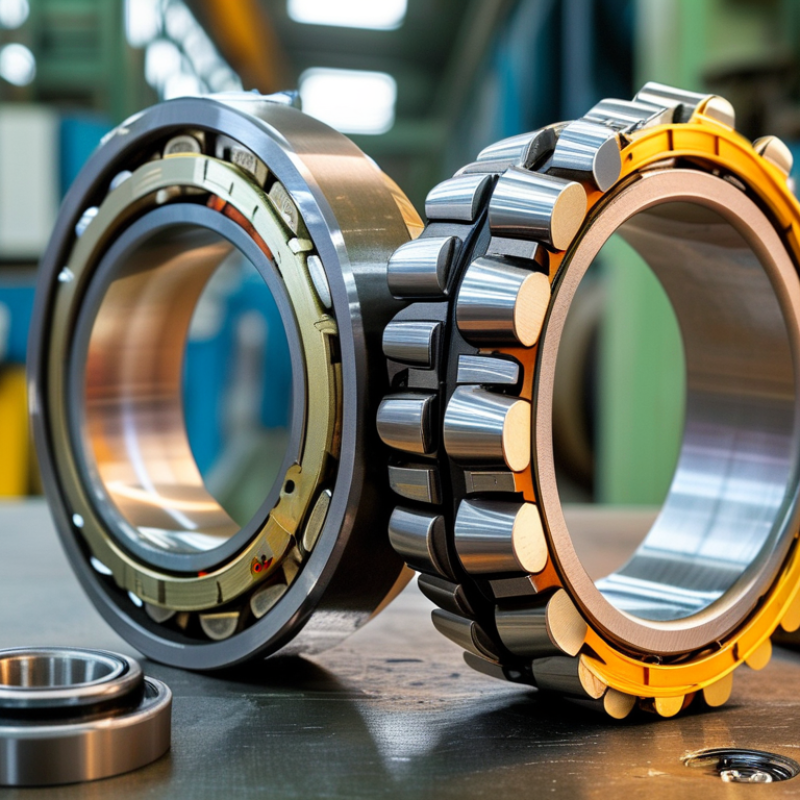
Essential Tips for Sourcing Differential Bearings Globally

Understanding Differential Bearings and Their Applications

Differential bearings play a critical role in various mechanical systems. They facilitate smooth rotation and provide essential support mechanisms. Understanding their applications helps in selecting the right type for your project. Common uses include automotive differentials and industrial machinery, where precise alignment is crucial.

When sourcing differential bearings globally, consider factors like material quality and load capacity. Not all suppliers meet stringent standards. Researching manufacturer credentials can reveal expertise and reliability. Additionally, always verify product specifications to ensure compatibility with your systems.

Less experienced buyers may overlook the importance of lubrication in bearing performance. Proper lubrication extends lifespan but can be easily neglected. Investigating different lubrication methods can uncover valuable insights. Missteps in selection can lead to operational failures, emphasizing the need for careful examination. Prioritizing quality sourcing will ultimately enhance performance and reliability in your applications.

Key Factors to Consider When Sourcing Differential Bearings

When sourcing differential bearings globally, it’s essential to consider a few key factors. Quality assurance is paramount. Verify the manufacturing standards of your potential suppliers. Many manufacturers may claim high standards, but without rigorous testing and certifications, these claims can be hollow. A Bad Differential Bearing can lead to significant failures in performance and safety.

Another important aspect is the supplier's reputation. Research their track record. Look for reviews or testimonials from past clients. It’s beneficial to connect with industry experts who can provide insights. Ensure that you have multiple sources of information. This can highlight any red flags you might miss otherwise.

Cost is a significant factor, but it shouldn't eclipse quality and reliability. While low prices can be attractive, they often raise questions about the durability of the bearings. The initial savings can lead to higher costs later if you encounter problems with a Bad Differential Bearing. Balance cost with verifiable quality to make a sound decision.

Identifying Reliable Manufacturers for Global Sourcing

When sourcing differential bearings globally, identifying reliable manufacturers is crucial. The right manufacturer can greatly influence product quality and supply chain efficiency. It is essential to conduct thorough research on potential partners. Look for certifications that ensure quality management and manufacturing standards are met. Exploring reviews and ratings from industry professionals can help you gauge a manufacturer’s reputation.

Here are some tips to consider. Verify the manufacturer’s production capacity. Understanding their output can prevent future supply issues. Evaluate communication efficiency. Rapid responses often indicate a customer-focused approach. Don’t hesitate to ask for references or case studies demonstrating their reliability.

It’s vital to visit manufacturing sites if possible. Seeing operations firsthand provides insights that documents cannot convey. Consider cultural differences, which may affect business practices. Fostering strong relationships can mitigate misunderstandings. Engaging in dialogue about expectations can lead to adjustments that benefit both parties. Remember, sourcing is not merely transactional; it's about building trust over time.

Evaluating Quality Standards in Differential Bearings

When sourcing differential bearings globally, assessing quality standards is paramount. Differentiating between various suppliers requires a keen eye on their manufacturing processes. Inadequate quality can lead to significant operational issues. For instance, a poorly made B16 Differential Bearing can cause equipment failure, leading to high repair costs and downtime.

Quality assurance practices vary by region and manufacturer. Look for certifications that demonstrate adherence to international standards. Audit the supplier's facilities if possible. Check for their testing methods and material certifications. This due diligence helps ensure that you are selecting reliable products.

It's also essential to consider customer feedback. But be cautious, as reviews can sometimes be biased. Seek out independent assessments. Understanding common issues with differential bearings can guide your expectations. Remember, even reputable suppliers have occasional quality lapses. A careful evaluation process can mitigate these risks and lead to better sourcing decisions.

Comparing Cost-Effectiveness from Different Suppliers

When sourcing differential bearings globally, cost-effectiveness is crucial. Recent industry reports show that prices can vary significantly across suppliers. The cost per unit for Axle Differential Bearings can range from $5 to $25, depending on material quality and supplier reputation. Buyers must analyze not only the price but also long-term performance and durability. Cheaper options might save money upfront but could lead to higher maintenance costs later.

Evaluating suppliers involves checking their material sourcing and manufacturing processes. A study by the International Bearing Association emphasizes that lower-quality bearings often fail within a year. Investing in reliable suppliers pays off in reduced downtime and replacement costs. Functional testing and certifications should also be verified.

Global supply chains can introduce delays. Ensuring timely delivery is as important as price. Suppliers may offer competitive prices but lack efficiency in logistics. Flexibility in sourcing and building relationships with multiple suppliers can mitigate risks. Gathering data on lead times and order fulfillment can streamline sourcing decisions.

Cost-Effectiveness of Differential Bearings by Supplier

This chart illustrates the cost-effectiveness of differential bearings sourced from different global suppliers. The data is based on average unit prices and estimated shipping costs, allowing buyers to make informed decisions based on budget considerations.

Navigating International Shipping and Import Regulations

Navigating international shipping and import regulations can be complex. When sourcing differential bearings globally, understanding customs laws is essential. Each country has unique rules that govern what can be imported. Failure to comply can lead to significant delays or fines.

Documentation is crucial for hassle-free shipping. Ensure all paperwork accurately reflects the contents being shipped. This includes invoices, certificates of origin, and any required safety standards. Missing documents can complicate the process. Working closely with customs brokers can provide valuable insights.

Consider the costs associated with shipping. Duties and taxes vary significantly between regions. Research potential tariffs on Differential Side Bearing imports to avoid surprises. Sometimes, lower upfront costs can lead to higher expenses later. Reflect on your supply chain strategy. A small oversight in regulation might delay production, impacting overall efficiency. Balancing cost and compliance is key.

Establishing Long-Term Relationships with Bearing Suppliers

Building long-term relationships with bearing suppliers is essential for success. It fosters trust and reliability. Companies thrive when they establish strong partnerships with their suppliers. This approach leads to better quality products and services. Effective communication is a key factor here.

Tips for selecting the right supplier include researching their reputation. Look for ratings and reviews. Attend industry trade shows to meet potential suppliers face-to-face. Doing so allows you to gauge their capabilities directly. Building rapport can take time, so patience is crucial.

Additionally, be transparent about your needs. Share your challenges and goals openly. A good supplier will appreciate your honesty. They may offer tailored solutions that fit your specifications better than generic options. Remember, the goal is a mutually beneficial relationship, which takes effort from both sides. Investing in these connections will pay dividends over time.

FAQS

: What should I prioritize when sourcing differential bearings?

: Quality assurance is paramount. Verify manufacturing standards and certifications to avoid poor performance.

How can I check a supplier's reputation?

Research their track record. Look for reviews or testimonials. Connect with industry experts for insights.

Is cost the only factor in sourcing bearings?

No, cost shouldn’t eclipse quality. Low prices can indicate durability issues, leading to higher long-term costs.

Why is it important to compare costs from different suppliers?

Prices vary significantly across suppliers. Analyze long-term performance instead of just the upfront cost.

What role does shipping play in sourcing bearings?

Timely delivery is crucial. Suppliers may offer low prices but could lack efficiency in logistics.

How can I ensure compliance with shipping regulations?

Understand customs laws and ensure all documentation is accurate to avoid delays and fines.

What should I consider regarding shipping costs?

Duties and taxes vary by region. Research potential tariffs on imports to avoid unexpected expenses.

Why is testing and certification of bearings important?

Lower-quality bearings often fail quickly. Verifying quality helps minimize downtime and replacement costs.

What can cause delays in sourcing bearings internationally?

Global supply chains and customs regulations can complicate timely delivery. Build relationships with multiple suppliers to mitigate risks.

Why might I need to reflect on my supply chain strategy?

Oversight in regulations can delay production. Balancing cost and compliance is key for efficiency.

Conclusion

Differential bearings are crucial components widely used in various mechanical applications, particularly in automotive systems. Sourcing these bearings globally requires a comprehensive understanding of their functionality and the key factors influencing procurement decisions. Factors such as material quality, design specifications, and supplier reliability are essential for ensuring the performance and longevity of differential bearings.

To successfully navigate the global market, it's important to identify trusted manufacturers and evaluate their quality standards. Additionally, comparing the cost-effectiveness of different suppliers can significantly impact purchasing decisions. Moreover, being aware of international shipping logistics and import regulations is vital for a seamless sourcing experience. Ultimately, establishing long-term relationships with reliable bearing suppliers can lead to better terms and consistent product availability, proving advantageous for businesses reliant on high-quality differential bearings.
Lila

Lila

Lila is a dedicated marketing professional at WD Bearings, where her expertise plays a crucial role in showcasing the company's robust offerings across various industries, including material handling, agriculture, construction, pumps and compressors, gearboxes, and electric motors. With a profound......
Previous How to Choose the Right Cyl Roller Bearing for Your Needs?