Keeping your Cam Rotor Pump Bearings in good shape is super important if you want your system to last longer and work efficiently. Since these bearings are such a key part of how the pump runs, knowing the right maintenance tips can save you from costly downtime and help extend the life of your equipment. They’re built to handle tough conditions—like fluid pressure and constant use—but if you don’t give them the proper care, they can wear out pretty quickly over time.
In this guide, I’ll walk you through some essential maintenance tips to keep your pump bearings running smoothly. Regular checks, proper lubrication, and keeping an eye on how the pump’s performing are all basic but really important steps that can make a big difference. It’s also good to learn how to spot the signs that bearings might be wearing out and know when it’s time to replace them—doing this early can help you avoid bigger issues down the road. By sticking to these simple maintenance habits, you’re not just protecting your investment, but also making sure everything keeps running without a hitch.
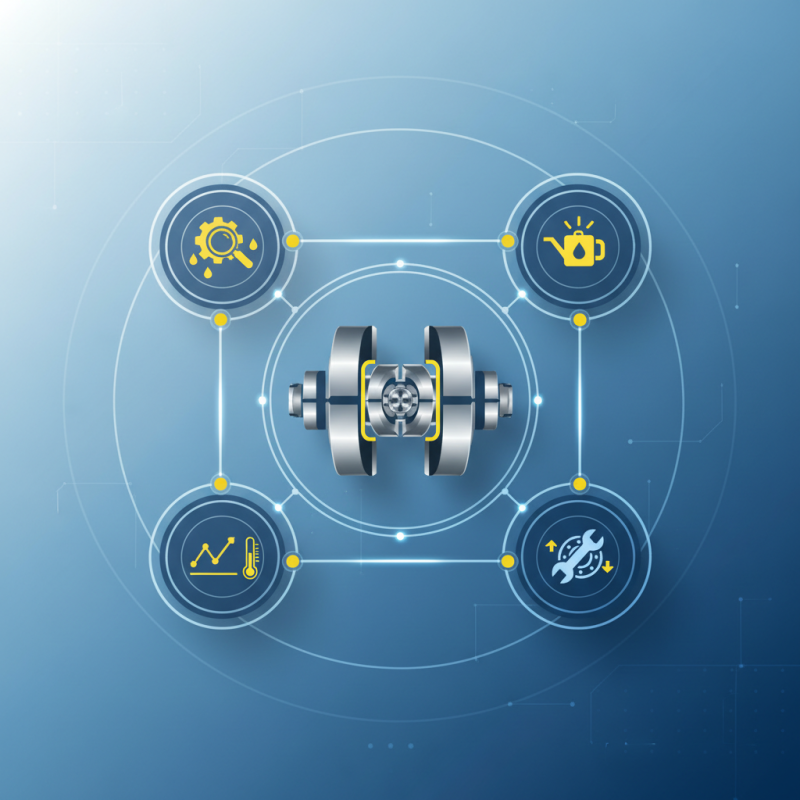
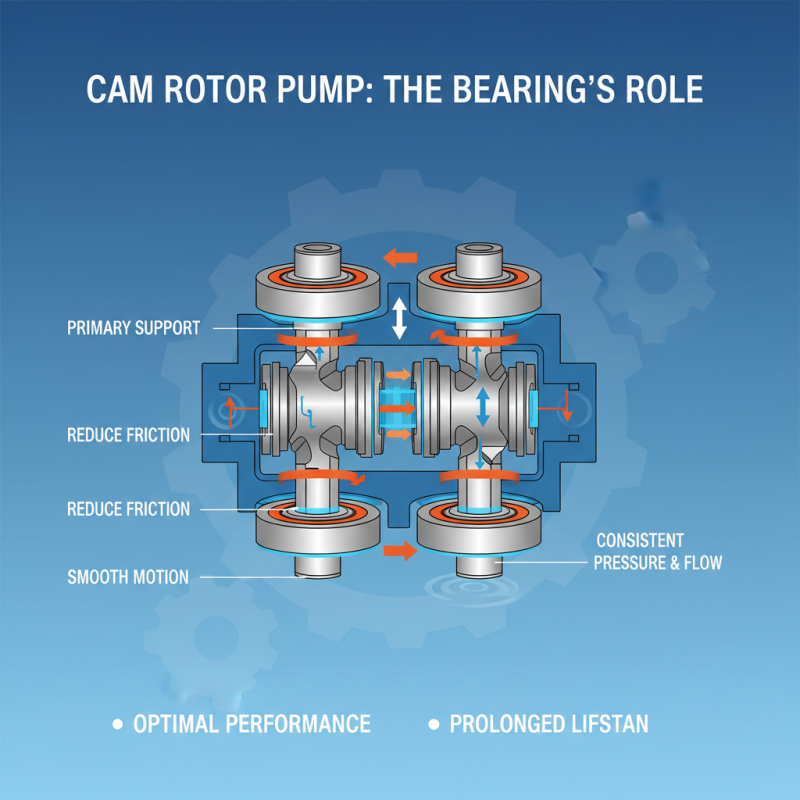
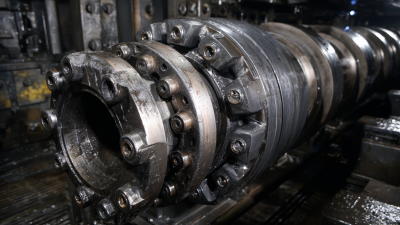
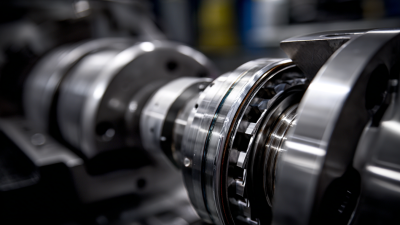
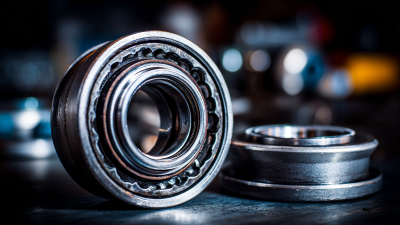
Bearings play a crucial role in the functionality of cam rotor pumps, acting as the primary support mechanism for rotating components. These bearings ensure smooth motion and diminish friction between the moving parts, which is essential for maintaining optimal performance and prolonging the pump’s lifespan. By efficiently managing the load and providing stability, bearings contribute significantly to the overall reliability of the pump’s operation, permitting it to maintain consistent pressure and flow rates.
To ensure the longevity and efficiency of cam rotor pump bearings, regular maintenance is vital. Here are some essential tips: first, inspect the bearings routinely for signs of wear or damage. Look for irregularities in the surface, which could indicate overheating or lack of lubrication. Second, ensure proper lubrication is applied according to the manufacturer's guidelines, as inadequate lubrication can lead to increased friction and premature bearing failure. Lastly, monitor operating temperatures and vibrations; excessive heat or unusual vibrations can signal impending issues with the bearings, allowing for timely intervention.
By understanding the essential role of bearings in cam rotor pumps and implementing solid maintenance practices, operators can enhance the performance and reliability of their systems, ultimately leading to improved efficiency and reduced downtime.
Cam rotor pump bearings play a critical role in ensuring the smooth operation of the pump. However, several common issues can arise, impacting their performance and longevity. One prevalent problem is inadequate lubrication, which can lead to increased friction and heat generation. Over time, this can cause wear and potential failure of the bearings. Regularly checking the lubrication levels and ensuring the right type of lubricant is used are essential steps in preventing this issue.
Another common challenge is contamination, which can occur from dirt, dust, or other particles entering the bearing housing. Contaminants can compromise the structural integrity of the bearings and impede their functionality. Implementing proper sealing and filtration methods is vital to protecting the bearings from external contaminants. Regular inspections can help identify any signs of contamination early on, allowing for timely maintenance to avoid more significant problems down the line. By being aware of these common issues, operators can take proactive measures to maintain the optimal performance of cam rotor pump bearings.
Maintaining cam rotor pump bearings is essential for ensuring optimal performance and longevity of the equipment. One of the key practices involves regular inspection and lubrication. Bearings should be checked for wear and tear, which can lead to inefficiencies and operational failures. Implementing a lubrication schedule that uses the appropriate grease or oil helps to minimize friction and reduces the risk of overheating. Regular monitoring of lubrication levels and condition is crucial, as contaminated or insufficient lubricants can lead to premature bearing damage.
Another important maintenance practice is to maintain a clean operating environment. Debris or contaminants can cause significant wear to the bearings, so it’s vital to implement proper sealing and filtration systems. Additionally, cleaning around the pump and ensuring any cooling systems are functioning properly protects the bearings from excessive heat. Regular maintenance checks that include alignment adjustments and vibration analysis can also identify potential issues before they become critical, helping to maintain the efficiency and reliability of the cam rotor pump bearings.
This chart illustrates the key maintenance practices for cam rotor pump bearings based on the frequency of maintenance activities performed over a year. Understanding these practices is vital for ensuring optimal performance of the bearings.
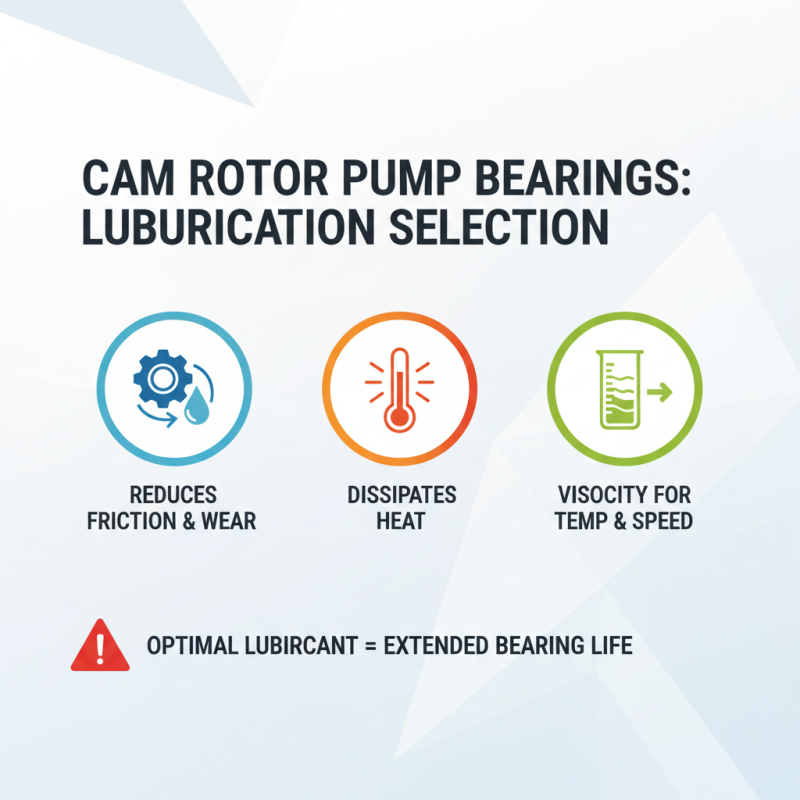
Selecting the right lubrication is crucial for ensuring optimal performance of cam rotor pump bearings. Lubrication not only reduces friction and wear but also dissipates heat generated during operation, which is vital for maintaining the integrity of the components. When choosing a lubricant, consider the viscosity grade that is suitable for the operational temperatures and speeds specific to the application. A lubricant with too high or too low a viscosity can lead to inadequate lubrication, resulting in premature bearing failure.
Additionally, the type of lubricant—be it oil, grease, or synthetic—plays a significant role in the performance of the bearing. Each type has unique properties that can enhance or inhibit bearing functionality based on the operating environment. For example, synthetic lubricants often provide better thermal stability and resistance to oxidation, making them a favorable choice in extreme conditions. Regularly assessing the condition of the lubricant by monitoring for contamination and degradation will further ensure that the bearings perform at their best, extending their lifespan and reliability in service.
Wear and tear in cam rotor pump bearings can significantly impact a pump's overall performance and efficiency. Early signs of deterioration include unusual noises such as grinding or whirring sounds, which can indicate that the bearing surfaces are beginning to fail. According to the Hydraulic Institute's standards, a well-maintained pump should operate quietly, and any audible irregularities may signal the need for immediate inspection and potential maintenance.
Another critical sign of bearing wear is an increase in temperature. A rise in operating temperature beyond the manufacturer's specifications often points to inadequate lubrication or excessive friction due to wear. The American Society of Mechanical Engineers reports that elevated temperatures can accelerate material degradation, possibly leading to catastrophic failure if not addressed promptly. Additionally, visual inspections can reveal discoloration or pitting on the bearing surfaces, further confirming the presence of wear and necessitating action. Regular monitoring of these indicators is essential for maintaining optimal performance and prolonging the lifespan of cam rotor pump bearings.
| Aspect | Description | Signs of Wear | Recommended Actions |
|---|---|---|---|
| Lubrication | Proper lubrication is essential to minimize friction. | Increased noise or overheating. | Regularly check and replace lubricant. |
| Alignment | Ensure correct alignment of the pump to reduce stress on bearings. | Vibration or uneven wear patterns. | Adjust alignment if misaligned. |
| Temperature Monitoring | Regular monitoring of operating temperature can prevent overheating. | Unusually high temperature readings. | Investigate and rectify heat sources. |
| Visual Inspection | Regular visual inspections for signs of wear and damage. | Cracks, chips, or discoloration of bearings. | Replace damaged bearings immediately. |
| Cleaning | Periodically clean bearings to remove contaminants. | Accumulation of debris or dirt. | Use appropriate cleaning agents and tools. |
Regular inspection and timely replacement of bearings in cam rotor pumps are crucial for ensuring optimal performance and longevity of the equipment. Start by establishing a routine inspection schedule that allows for checking the bearings for signs of wear, such as unusual noises, friction, or excessive play. Keep an eye out for any discoloration or surface damage, as these may indicate overheating or contamination issues. Early detection of potential problems can save significant maintenance costs and prevent unexpected failures.
When it comes to replacing bearings, following best practices is essential. Always use appropriate tools to avoid damaging the bearing or surrounding components during removal and installation. Ensure that the replacement bearings are compatible with your existing system specifications. During installation, maintain proper alignment and secure the bearings accurately to prevent misfits that could lead to premature wear.
Tips for maintaining cam rotor pump bearings include keeping the lubrication system well-maintained, as proper lubrication is vital for reducing friction and wear. Regularly monitor the lubricant's condition and levels, replacing it as needed to ensure optimal performance. Lastly, consider operating the pump within the recommended limits and avoid overloading, which can extend the life of the bearings and enhance overall efficiency. By adhering to these practices, you can significantly improve the reliability and performance of your cam rotor pump.
Creating a maintenance schedule for cam rotor pump bearings is essential for ensuring optimal performance and longevity of the equipment. A well-structured maintenance schedule should include regular inspections, lubrication, and adjustments, tailored to the specific operational conditions of the pump. It is advisable to perform visual inspections on a monthly basis to check for signs of wear, misalignment, or corrosion. This proactive approach helps in identifying potential issues before they escalate into significant problems.
Lubrication is another critical component of the maintenance process. Establishing a clear protocol for periodic lubrication based on the manufacturer’s recommendations can help maintain the bearings in peak condition. Additionally, creating a log to track lubrication dates, types of lubricants used, and running hours can enhance accountability and ensure that no important maintenance steps are overlooked. By incorporating these elements into a maintenance schedule, operators can effectively minimize downtime and extend the service life of cam rotor pump bearings.
: Bearings act as the primary support mechanism for rotating components, ensuring smooth motion and reducing friction, which is essential for optimal performance and the longevity of the pump.
Regular maintenance is crucial to ensure the longevity and efficiency of the bearings, preventing operational failures and prolonging the pump's lifespan.
Signs of wear or damage include irregularities on the surface of the bearings, which may indicate overheating or inadequate lubrication.
Proper lubrication should be applied according to guidelines, using the correct type of grease or oil, and lubrication levels should be regularly monitored to prevent increased friction and premature bearing failure.
Debris, contaminants, and excessive heat can significantly impact bearing performance, so maintaining a clean operating environment is essential.
Regular maintenance checks that include vibration analysis can help identify potential issues with bearings before they become critical.
Implementing proper sealing and filtration systems, as well as keeping the area around the pump clean, can help protect the bearings from contaminants.
Bearings should be inspected routinely to check for signs of wear, damage, and lubrication condition to ensure optimal performance.
Excessive heat or unusual vibrations can signal impending issues with the bearings, allowing for timely intervention before major failures occur.
Effective bearing maintenance enhances the performance and reliability of cam rotor pumps, leading to improved efficiency and reduced downtime.
Maintaining the Cam Rotor Pump Bearing is crucial for ensuring optimal performance of the entire pump system. The article discusses the essential role bearings play in the functionality of cam rotor pumps and highlights common issues such as wear and misalignment that can arise. Key maintenance practices, including regular lubrication, inspection, and timely replacement of worn bearings, are emphasized to prevent costly failures.
Selecting the right lubrication is vital for enhancing the performance and longevity of the Cam Rotor Pump Bearing. The article also points out signs of wear and tear, such as unusual noises or vibrations, that indicate the need for maintenance. Finally, creating a structured maintenance schedule ensures that all bearing-related tasks are carried out systematically, thus boosting the reliability and efficiency of cam rotor pumps.