Picking the right materials for your operations isn't just a detail—it's actually a pretty big deal when it comes to boosting efficiency and keeping things running smoothly. When we talk about Material Handling Bearings, it’s especially true. The global bearing market is expected to hit around $106.2 billion by 2026, and a big chunk of that growth is coming from the material handling side of things. Choosing the right bearings—those that can handle heavy loads, high speeds, and all kinds of environmental conditions—can really make a difference in how long your equipment lasts and how reliably it performs.
At WD Bearing Group, we genuinely take pride in offering top-notch Material Handling Bearings that are customized to fit what OEMs in different industries—like agriculture, construction, or pumps and compressors—actually need. We’re always investing in the latest machining tech and professional bearing software, which helps us deliver solutions that are precisely engineered. You know, studies show that selecting the proper bearings can cut down downtime by as much as 30%. That’s a pretty huge perk and just goes to show how important it is to make smart choices about bearing performance, especially in material handling settings.
In this article, we’re sharing ten key tips to help you pick the right Material Handling Bearings so you can keep your operations running smoothly and ensure your equipment lasts longer. Let’s dive in!
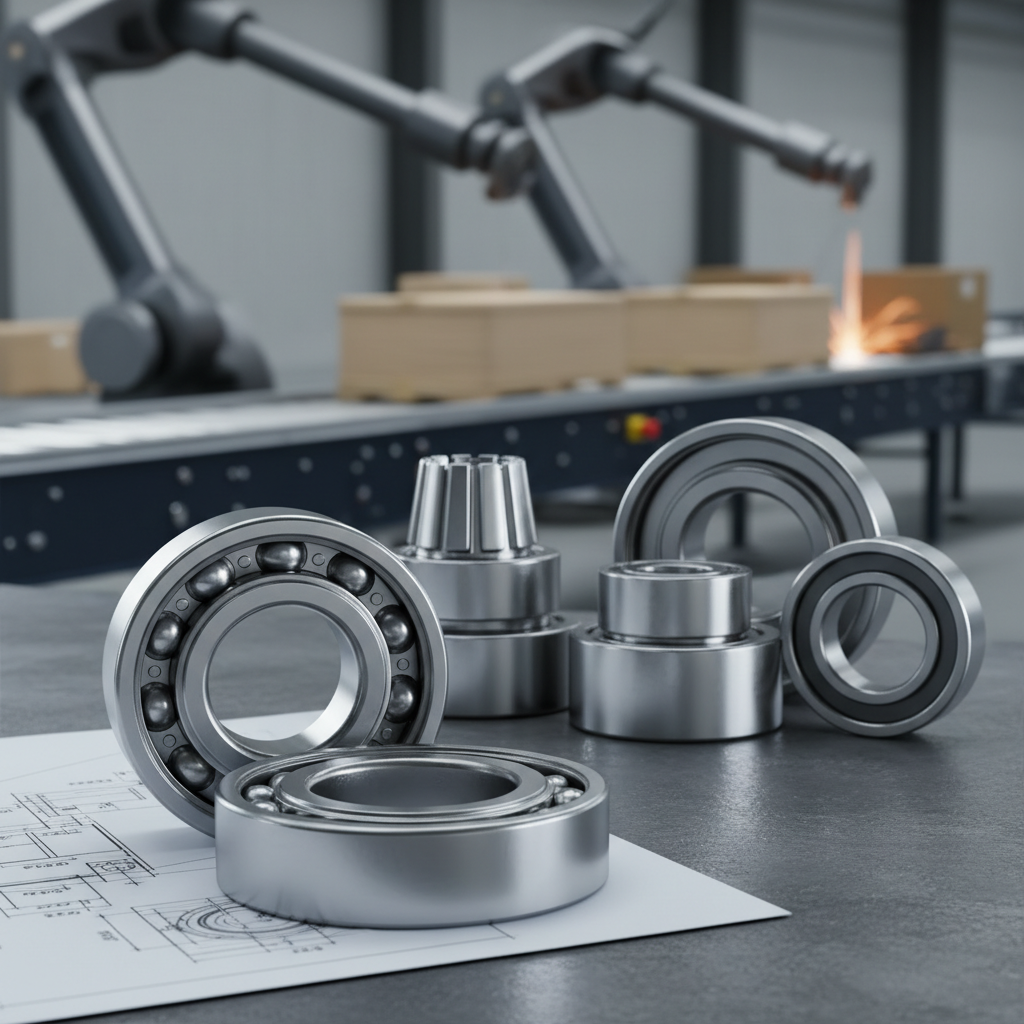
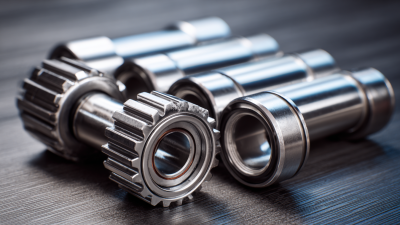
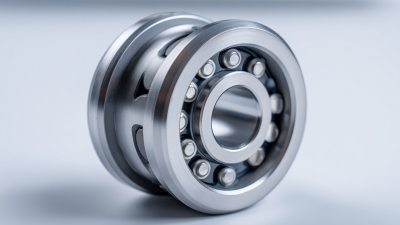
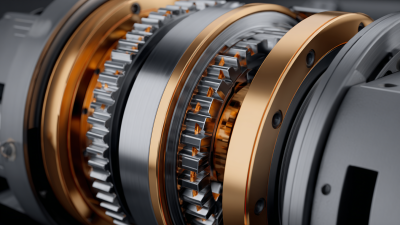
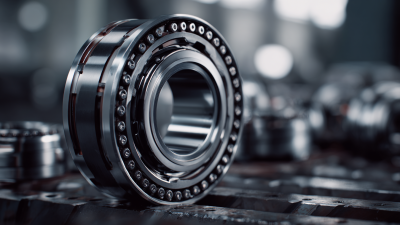
When selecting the right material handling bearing, understanding the different types available is crucial. Bearings play a vital role in various material handling applications, ensuring smooth motion and reducing friction in machinery. Common types of bearings include deep groove ball bearings, roller bearings, and spherical bearings, each designed for specific performance needs. Deep groove ball bearings, for instance, are ideal for supporting radial and axial loads, offering versatility across numerous applications. Roller bearings, on the other hand, are suitable for heavier loads and can handle high shock and impact loads effectively.
Moreover, the choice of bearing material significantly influences performance and durability. Common materials include steel, ceramic, and plastic, each with its inherent properties. Steel bearings are known for their strength and longevity, while ceramic bearings offer higher resistance to wear and corrosion, making them suitable for harsh environments. Plastic bearings provide lightweight solutions and are often used in applications where moisture or chemical exposure is a concern. As the global bearings market continues to expand, understanding these distinctions will help businesses make informed decisions, ultimately enhancing efficiency and system reliability.
When selecting material handling bearings, evaluating load capacity and performance requirements is crucial. Load capacity determines how much weight a bearing can support and operate effectively under various conditions. It's essential to assess both static and dynamic load limits to ensure that the bearing can withstand the maximum expected loads without compromising performance. Overloading a bearing can lead to premature failures, resulting in costly downtimes and repairs.
Equally important are the performance requirements tied to the specific application. Factors such as speed, temperature, and environmental conditions can influence bearing performance. For instance, high-speed applications may require bearings with lower friction coefficients, while harsh environments may necessitate the use of corrosion-resistant materials. Additionally, understanding the operational cycles and frequency of use will help in selecting bearings that can sustain the required performance over time, thus enhancing productivity and longevity in material handling operations.
| Tip Number | Tip Description | Load Capacity (lbs) | Material Type | Performance Feature |
|---|---|---|---|---|
| 1 | Determine the maximum load capacity needed | 5000 | Steel | High load resistance |
| 2 | Consider environmental factors | 3000 | Stainless Steel | Corrosion resistance |
| 3 | Evaluate the speed of operation | 2000 | Plastic | Lightweight and fast |
| 4 | Assess the friction levels required | 4000 | Bronze | Low friction properties |
| 5 | Review maintenance requirements | 6000 | Ceramic | Low maintenance |
| 6 | Check compatibility with existing systems | 3500 | Nylon | Flexible under load |
| 7 | Understand noise levels in operation | 2500 | Composite | Silent operation |
| 8 | Consider temperature limitations | 7000 | Titanium | High temperature resistance |
| 9 | Estimate costs vs. budget | 1500 | Alloy | Cost-effective with durability |
| 10 | Seek expert recommendations | 8000 | Hybrid | Best of both worlds |
When selecting the right material handling bearing, the choice of material is critical to ensuring bearing durability and performance. Key factors influencing this selection include the operating environment, load capacity, and resistance to wear and corrosion. According to a recent report by Research and Markets, the global bearing market is projected to reach $100 billion by 2027, driven by advancements in material technology that enhance the longevity and efficiency of bearings in harsh conditions.
WD Bearing Group, with its extensive expertise in supplying OEMs across various industries, understands the importance of these material factors. We continuously invest in cutting-edge machining equipment and professional bearing software, allowing us to develop bearings that withstand the unique challenges of material handling, agriculture, and construction. For example, bearings made from high-performance polymers or advanced steel alloys can significantly reduce friction and wear, resulting in longer service life and decreased maintenance costs. In fact, studies show that using superior materials can extend the lifespan of bearings by up to 50%, reinforcing the need for thoughtful material selection in bearing applications.
Lubrication plays a crucial role in the longevity and performance of material handling bearings. Proper lubrication reduces friction between moving parts, which in turn minimizes wear and tear. This is especially important in environments where bearings are subjected to heavy loads and harsh conditions. By ensuring that bearings are adequately lubricated, companies can significantly extend their operational lifespan and reduce the risk of unexpected failures that could result in costly downtimes.
In addition to lubrication, regular maintenance is essential for maintaining bearing integrity. Scheduled inspections allow for early detection of potential issues such as misalignment or contamination. Implementing a maintenance plan that includes both lubrication and inspections helps in identifying wear patterns and replacing bearings before they fail. By investing in both lubrication and maintenance protocols, organizations can enhance the reliability of their material handling systems and optimize overall efficiency.
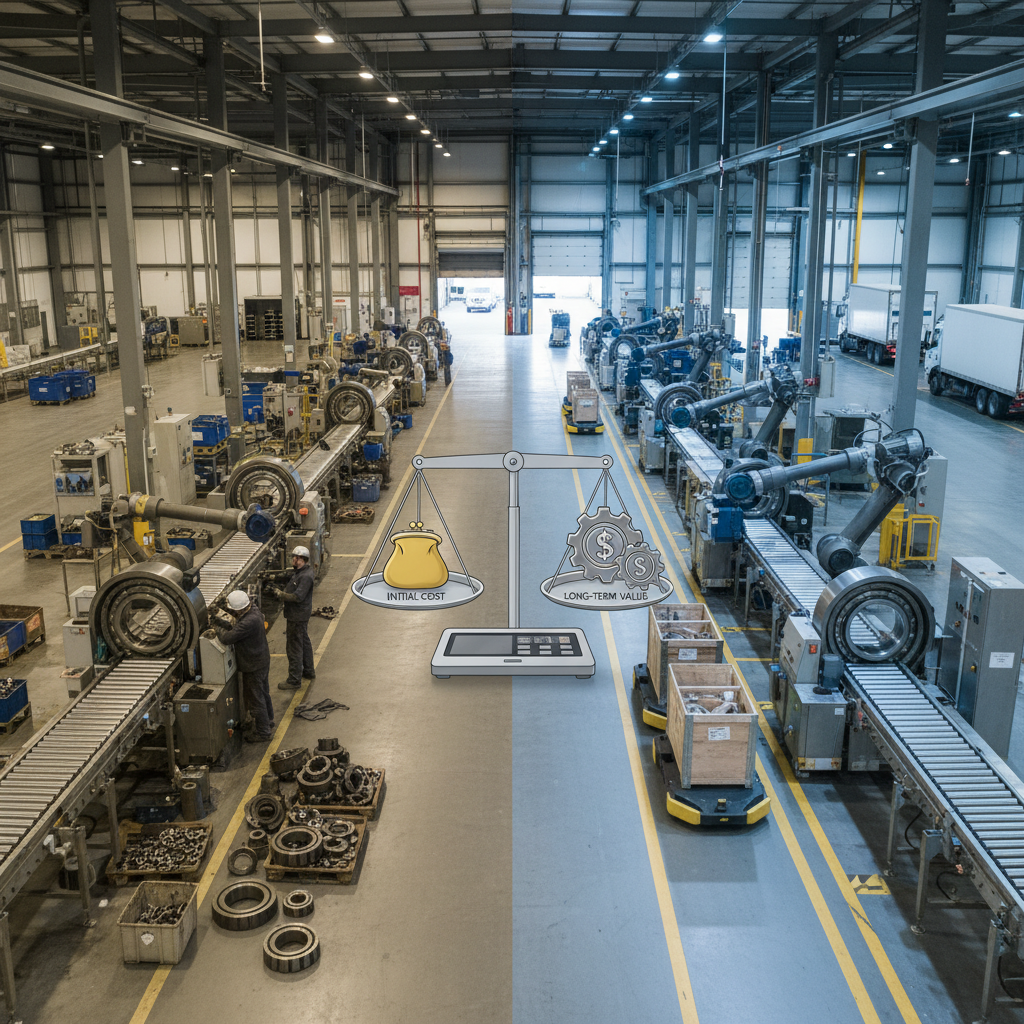
When selecting bearings for material handling applications, the decision often boils down to cost versus quality. According to a 2022 report by the International Bearing Association (IBA), over 30% of companies reported that selecting cheaper bearings led to increased maintenance costs and reduced operational efficiency. These hidden costs can outweigh initial savings, particularly in industries where downtime is costly. For instance, in manufacturing environments, the average cost of downtime can range from $500 to $4,000 per hour, depending on the type of machinery involved.
On the quality side, high-grade bearings can significantly enhance performance and longevity. The same IBA report highlighted that premium bearings exhibited a 25% longer lifespan compared to standard options in rigorous environments. Notably, bearings manufactured with advanced materials like ceramic composites showed up to 50% less wear under high-load conditions. By investing in higher-quality bearings, companies not only reduce the frequency of replacements but also improve overall machine efficiency, making it a prudent long-term strategy that ultimately leads to better profitability. Therefore, when weighing cost against quality, the long-term benefits of investing in quality bearings can lead to substantial returns on investment.
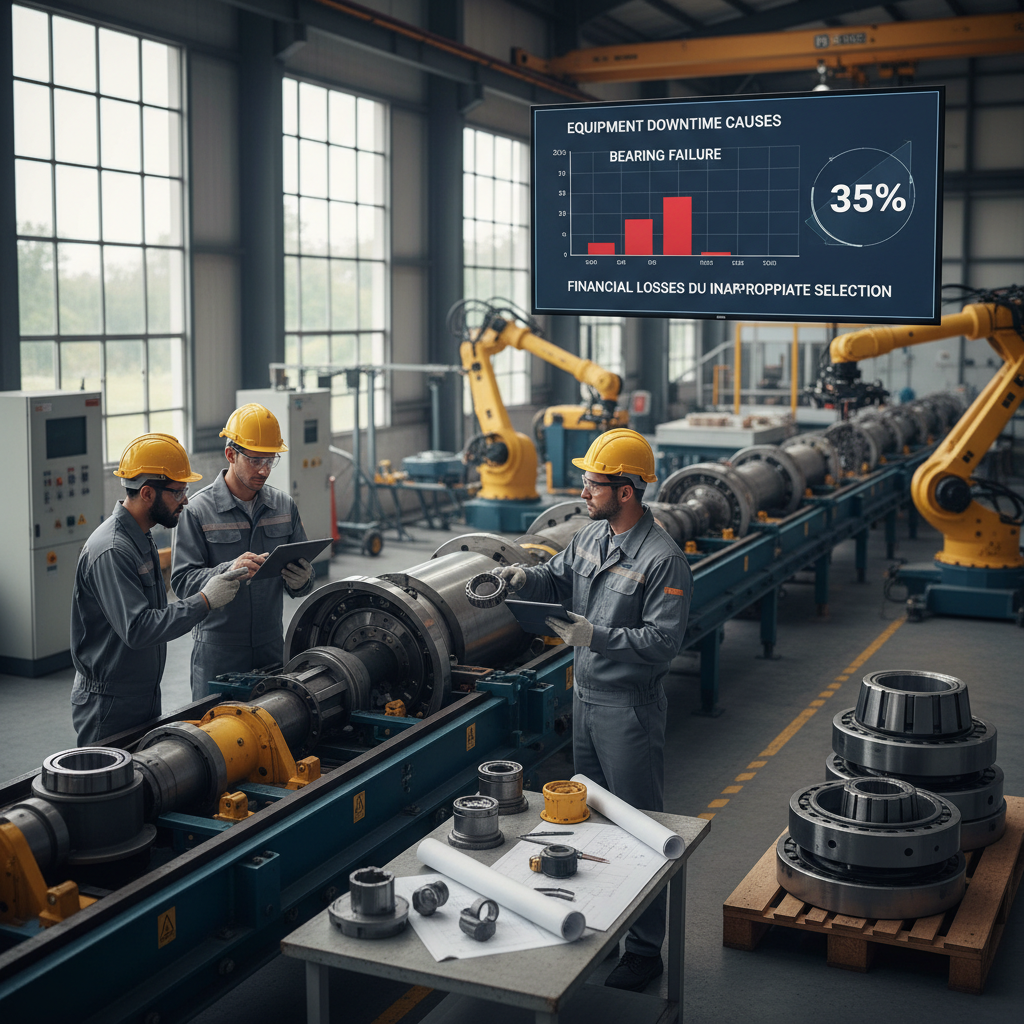
When selecting material handling bearings, assessing supplier credentials and product support is crucial for ensuring reliability and longevity. According to a report from the Material Handling Industry of America, inappropriate bearing selection can lead to up to 35% of equipment downtime, resulting in significant financial losses. Therefore, it’s essential to verify that suppliers have a proven track record in the industry, backed by testimonials and case studies demonstrating their product quality and customer service effectiveness.
Furthermore, look for suppliers that offer comprehensive technical support and warranty options. A survey conducted by the Bearing Specialists Association found that 70% of end-users prioritize after-sales support when choosing a bearing supplier. This includes access to knowledgeable engineers who can assist in product selection, installation, and maintenance. By collaborating with suppliers that provide robust product support and demonstrate a commitment to innovation and quality, companies can enhance their operational efficiency and reduce long-term costs associated with bearing failures.
: When evaluating bearing load capacity, it is crucial to assess both static and dynamic load limits to ensure that the bearing can effectively support the maximum expected loads under various conditions without compromising performance.
Overloading a bearing can lead to premature failures, resulting in costly downtimes and repairs.
Performance requirements, such as speed, temperature, and environmental conditions, can significantly influence the type of bearing needed. For example, high-speed applications may require bearings with lower friction coefficients.
Selecting cheaper bearings can lead to increased maintenance costs and reduced operational efficiency, which may outweigh initial savings, especially in industries where downtime is costly.
In manufacturing environments, the average cost of downtime can range from $500 to $4,000 per hour, depending on the type of machinery involved.
High-grade bearings can exhibit a 25% longer lifespan compared to standard options in rigorous environments, according to a 2022 report by the International Bearing Association (IBA).
Bearings manufactured with advanced materials, such as ceramic composites, can show up to 50% less wear under high-load conditions, enhancing their longevity.
Investing in higher-quality bearings can reduce the frequency of replacements and improve overall machine efficiency, leading to better profitability in the long run.
Understanding operational cycles and frequency of use can help in selecting bearings that can sustain the required performance over time, enhancing productivity and longevity in material handling operations.
Balancing cost and quality is important because while cheaper bearings may have lower initial costs, higher-quality bearings provide long-term benefits that translate into reduced maintenance and improved operational efficiency.
When selecting the right Material Handling Bearing, it's crucial to understand the various types available and their specific applications. Evaluating load capacity and performance requirements ensures that the chosen bearing can withstand operational demands. Factors influencing material selection, such as environmental conditions and required durability, play a significant role in longevity. Additionally, proper lubrication and maintenance practices are essential for maximizing bearing life.
Cost versus quality is a critical consideration; businesses must make informed decisions to balance expenditure with performance. Lastly, assessing supplier credentials and product support can provide peace of mind, as reputable suppliers offer assurance of product reliability. Companies like WD Bearing Group, which specialize in providing bearings across multiple industries, emphasize investment in advanced technology and skilled personnel to meet the diverse needs in material handling and beyond.