You know, in today’s fast-paced world of machinery and engineering, picking the right Ball Bearing Transmission is super important if you want to boost performance and make things last longer. With industries like material handling, agriculture, and construction really booming, it’s wild to think that the global ball bearing market could hit around $18 billion by 2026! That’s a lot, right? This growth is mainly fueled by the rising need for precision and reliability in our equipment. WD Bearing Group, which is one of the big players supplying high-quality bearings to OEMs across various sectors, really stresses how crucial it is to choose the right transmission for your specific needs. They’ve been investing heavily in cutting-edge machining technologies and are keen on developing a skilled workforce. This dedication means that WD Bearings is all about providing solutions tailored to boost operational efficiency and cut down on downtime—definitely a way to stay ahead in today’s competitive manufacturing game!
Choosing the Right Ball Bearing: Understanding Load Ratings and Styles
Choosing the right ball bearing transmission can be a bit tricky, and really getting a grip on load ratings and styles is super important. So, what are load ratings? Basically, they're all about how much weight or force a bearing can handle while still performing at its best. You’ve gotta make sure the bearing you pick can cope with the specific demands of your application, or it could lead to some serious issues down the road. A higher load rating means it can support heavier loads, which is pretty critical when you’re dealing with all kinds of varying forces and pressures.
Now, on top of load ratings, the style of the ball bearing plays a huge part in how well it performs. Each style—like deep groove, angular contact, and thrust ball bearings—has its own job and is built for different scenarios. For example, deep groove ball bearings are your go-to for high-speed and radial load applications, while Angular Contact Bearings are perfect for situations where you need to juggle combined loads. Knowing these differences helps you pick a bearing that not only meets those load needs but also boosts the efficiency and lifespan of your whole transmission system.
Load Ratings for Ball Bearings
The Role of Material Selection in Ball Bearing Performance and Longevity
You know, when it comes to picking a ball bearing transmission, choosing the right material is super important for both performance and durability. Seriously, the materials we opt for not only boost how well they function but can also make a big difference in how long they last. There’s this report from the International Journal of Engineering Research & Technology that says using top-notch materials can actually extend a bearing’s lifespan by as much as 30% compared to the usual ones. Pretty wild, huh? This really shows how crucial it is to go for bearings made from strong materials like high-carbon chrome steel or even ceramic, especially in tough fields like construction and agriculture.
At WD Bearing Group, we're all about recognizing that the performance of our bearings is tied directly to the materials we choose. That's why we put a lot into getting the latest machining equipment and using professional bearing software to make sure our products meet the high standards that OEMs expect across different industries. Take material handling as an example: when you pick the right materials, it can really ramp up load capacity and cut down on friction, making everything run a whole lot smoother. Plus, with our skilled team on board, we’re able to carefully select and test materials to create reliable ball bearing transmissions that can handle the ups and downs of dynamic environments.
Exploring Precision Standards: How Tolerance Levels Impact Transmission Efficiency
So, when you’re picking out a ball bearing transmission, it’s super important to get a grasp on precision standards and how those tolerance levels can really affect how efficient the transmission is. Basically, tolerance levels just refer to how much variation is acceptable in the sizes and performance of the ball bearings themselves. According to a report from the American Society of Mechanical Engineers (ASME), if you go for tighter tolerances, you usually get a bump in efficiency for your transmission systems. For example, bearings that meet precision standards like ABEC 7 or P4 might boost efficiency by up to 15% compared to those made with looser tolerances. And trust me, that efficiency boost is crucial when you’re dealing with high-speed operations and trying to cut down on energy loss.
But hold on, there’s more! You can’t overlook how tolerance levels affect vibrational characteristics too. Studies in the industry have shown that lower tolerance levels tend to result in smoother operation and less noise, which in turn can really help extend the lifespan of your transmission system. Like, one ResearchGate article pointed out that using precision tolerances could actually reduce operational vibrations by about 20%! So not only do you get a quieter operation, but you also gain a lot more reliability, especially in tough environments. So yeah, when you’re on the hunt for a ball bearing transmission, keep an eye on those precision standards and tolerance levels to snag the best performance and longevity out there.
Assessing Ball Bearing Maintenance and Replacement Cycles for Optimal Function
Choosing the right ball bearing transmission can be a bit tricky, but one thing's for sure: keeping an eye on maintenance and replacement schedules is super important if you want everything to run smoothly. Did you know that around 30% of bearing failures happen because of poor maintenance? Wild, right? Regular check-ups and knowing when to swap out those bearings can really help them last longer. In fact, a study by the American Bearing Manufacturers Association (ABMA) found that if you set up a solid maintenance plan, you could see a return on investment (ROI) as high as 150%. That's pretty impressive when you think about saving downtime and boosting productivity!
Now, let’s talk about how often you should be doing these maintenance checks. It all depends on where and how you're using the bearings. For example, if they're in a high-temp setting or carrying a heavy load, you're gonna want to inspect them more often—some folks even suggest checking them every 500 hours or so. Plus, data from the International Organization for Standardization (ISO) shows that replacing bearings once they hit their calculated fatigue life can make them 60% more effective compared to those that are kept around too long. So, if you take these bits of advice into account, you'll keep your ball bearing transmission running reliably and efficiently, no matter the conditions!
Evaluating Supplier Certifications: Ensuring Quality in Chinese Manufacturing
So, when you're picking out a ball bearing transmission, it's super important to really get a handle on those supplier certifications, especially if you're looking to source from China. You know, certifications like ISO 9001 are pretty big deals—they show that a supplier has a solid quality management system in place. It gives you confidence that they’re following international standards. This kind of stuff really cuts down on the chances of getting defective ball bearings, which is exactly what you want to avoid, right?
And don’t forget to keep an eye out for those industry-specific certifications too! Things like AAR (that’s the Association of American Railroads) and CE (Conformité Européenne) can really reinforce a supplier's dedication to quality and safety. By focusing on suppliers that are certified, you’re not just ticking boxes; you’re making sure you get products that meet your technical needs, plus you get some extra support when it comes to compliance and traceability. Trust me, those certifications can have a huge impact on how well your ball bearing transmission performs and lasts, so it’s definitely something to prioritize when you're going through your options.
Trends in Ball Bearing Technology: Innovations Driving Industry Standards
You know, in recent years, the ball bearing industry has really been going through some exciting changes. I mean, with all the technological advancements we’ve seen, it’s like they’re completely rewriting the rulebook. Take materials science, for example. The new ceramic and hybrid ball bearings? They’re pretty impressive! These materials not only cut down on friction and wear but also boast better resistance to corrosion and extreme temperatures. This makes them perfect for heavy-duty applications, especially in sectors like aerospace and automotive manufacturing—pretty cool, right?
And let's not forget about smart bearing technology. It’s like the next big thing! Picture this: integrating IoT sensors into ball bearings lets companies keep tabs on performance metrics—things like temperature and vibration. This means they can do predictive maintenance before anything goes wrong, which seriously reduces downtime and boosts efficiency. As industries keep moving towards automation, combining traditional ball bearing designs with this smart tech is probably going to set a new standard. It’s all about ramping up productivity and making processes smoother across the board. Exciting times ahead!
Maximize Efficiency with UC Series Insert Ball Bearings: A Comprehensive Guide to Their Benefits and Applications
Maximize Efficiency with UC Series Insert Ball Bearings: A Comprehensive Guide to Their Benefits and Applications
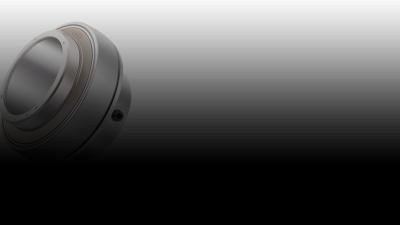
In today's competitive industrial landscape, efficiency is paramount, and the UC Series insert ball bearings stand out as a reliable solution for businesses seeking to optimize performance. These bearings, featuring a unique self-aligning design, are engineered to compensate for shaft deflection and misalignment— critical factors that can lead to premature wear and equipment failure. According to a recent industrial machinery report, nearly 30% of bearing failures result from misalignment issues, highlighting the importance of utilizing bearings that can adapt to operational variances.
The UC Series offers an easy installation process, allowing for quick mounting through set screws without the need for additional components, thus significantly reducing installation time. This feature is particularly advantageous in sectors like agriculture and light industrial environments, where machinery downtime can lead to substantial productivity losses. Moreover, with a high load capacity to withstand both radial and axial forces, these bearings are designed to endure heavy-duty applications, making them an ideal choice for conveyors and various agricultural machinery.
Corrosion resistance is another critical aspect that sets the UC Series apart. With optional surface treatments such as galvanizing or blackening, these bearings are well-suited for harsh environments where moisture and contaminants are prevalent. Industry data indicates that equipment failure due to corrosion accounts for over 25% of maintenance costs in heavy industries. Therefore, investing in UC Series insert ball bearings not only streamlines maintenance procedures but also drives down both downtime and replacement costs, enhancing overall operational efficiency.
FAQS
: Material selection is crucial as using high-quality materials can increase bearing lifespan by up to 30% compared to standard alternatives, enhancing functionality and durability.
Durable materials such as high-carbon chrome steel or ceramic are recommended for demanding applications in industries like construction and agriculture.
Approximately 30% of bearing failures are due to inadequate maintenance schedules. Regular inspection and timely replacements can significantly extend bearing lifespans.
Implementing a proactive maintenance plan can yield a return on investment (ROI) of up to 150% by minimizing downtime and enhancing productivity.
Bearings in these environments require more frequent checks, with some experts recommending inspections every 500 hours of operation.
Ceramic and hybrid ball bearings reduce friction and wear, enhance resistance to corrosion, and withstand extreme temperatures, making them ideal for high-load applications.
Smart bearing technology integrates IoT sensors to provide real-time monitoring of performance metrics, enabling predictive maintenance and improving operational efficiency.
Bearings replaced after reaching their calculated fatigue life outperform those used beyond this threshold by 60%.
Significant trends include advancements in materials science, particularly ceramic and hybrid bearings, and the integration of smart technology for enhanced monitoring and maintenance.
WD Bearing Group invests in advanced machining equipment and professional software, coupled with a highly skilled workforce to meticulously select and test materials for reliable product performance.