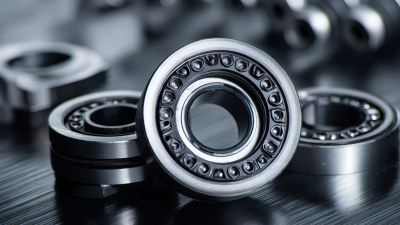
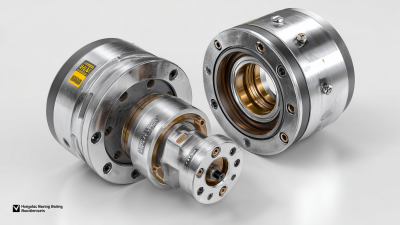
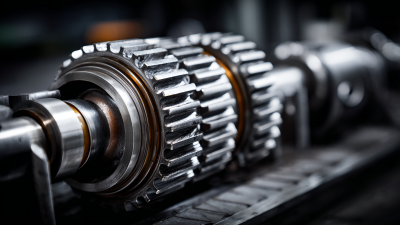
In today's fast-changing world of industrial machinery, the importance of ball bearings in machines really can’t be overstated. They play a key role in boosting performance and making things run more smoothly across a bunch of different industries. If you look at the numbers, the global bearing market is actually expected to grow from about $83 billion in 2020 to over $112 billion by 2028 — all because there's a rising demand for reliable, high-quality parts in machinery.
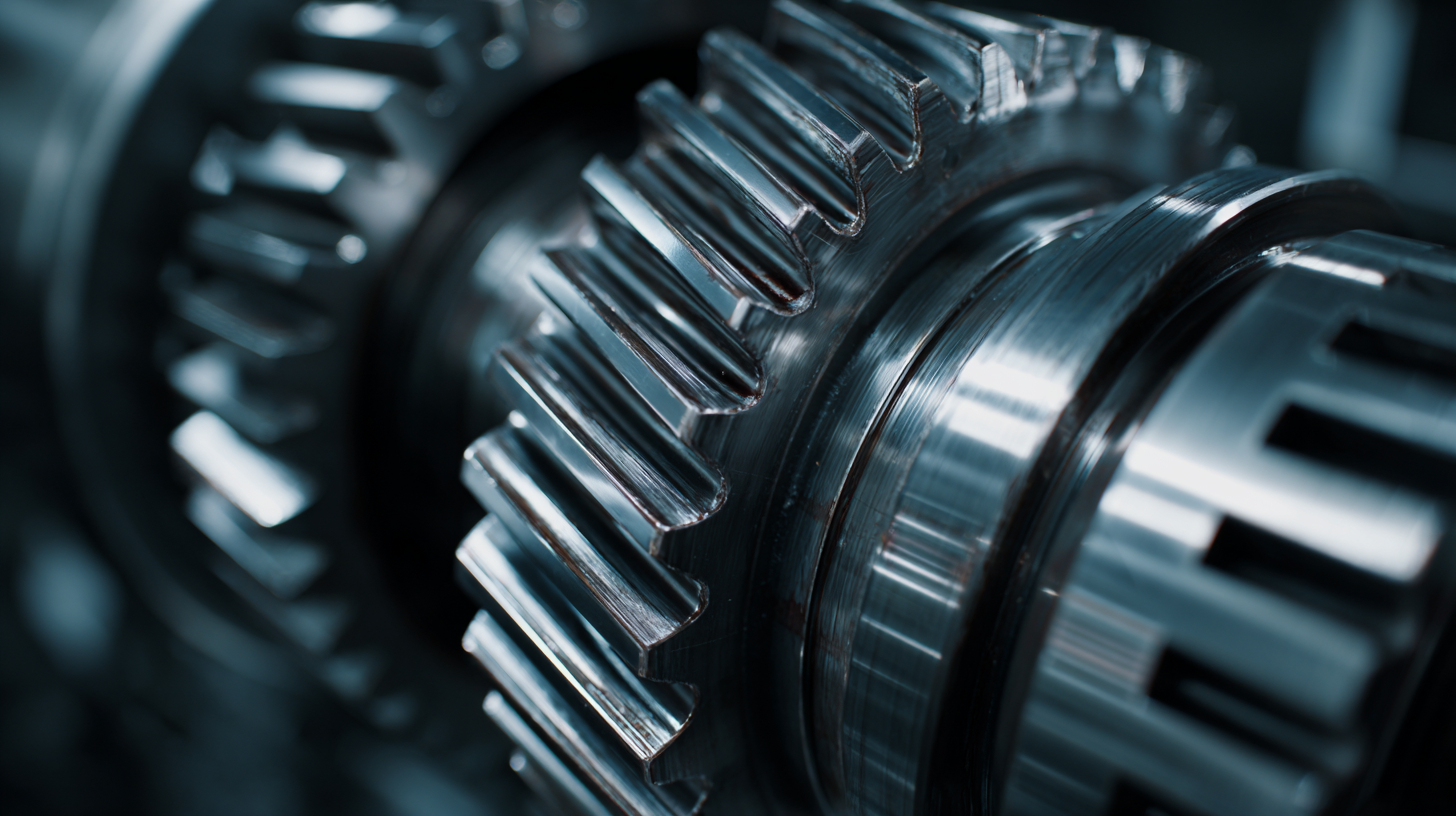
At WD Bearing Group, we’re proud to be a big part of this, providing top-notch bearings to original equipment manufacturers (OEMs) in fields like material handling, agriculture, and construction. We're constantly investing in cutting-edge machining tools and advanced bearing software to make sure our products meet the toughest standards, especially as technology keeps evolving. By helping machines perform better with quality ball bearings, we’re not just improving efficiency — we’re helping industries get more done and stay ahead. Bearings really are a tiny but mighty piece of modern engineering, after all.
The Role of Ball Bearings in Reducing Friction and Energy Loss in Machinery
You know, ball bearings might seem like tiny parts, but they actually do a huge job in modern machines. They help reduce friction and save energy, which is pretty awesome. Basically, they create a super smooth surface for moving parts to slide on, so there's less contact and resistance when things are running. Because of that, machines work more efficiently and tend to last longer — since there's less wear and tear over time.
Plus, ball bearings are a real game-changer when it comes to saving energy. Take motors and engines, for example — with less friction, they don’t have to work as hard to get the job done. That’s especially important nowadays, with all the focus on being eco-friendly and saving costs. When machines face less resistance, they can run faster and perform better, which in turn boosts productivity and makes manufacturing a whole lot smoother.
Key Statistics: Energy Savings of Up to 30% with Optimized Ball Bearing Use
You know, when it comes to designing machinery that actually works well and doesn’t drain so much energy, ball bearings have become pretty much essential these days. They really make a difference in making equipment run smoother and cut down on energy costs. Some recent studies mention that using optimized ball bearings can save up to 30% of energy—pretty impressive, right? I read a detailed report from the American Society of Mechanical Engineers, and it says that high-quality ball bearings reduce friction significantly, which means machines glide along more effortlessly. That not only helps them last longer but also plays into the bigger picture of sustainability and reducing environmental impact.
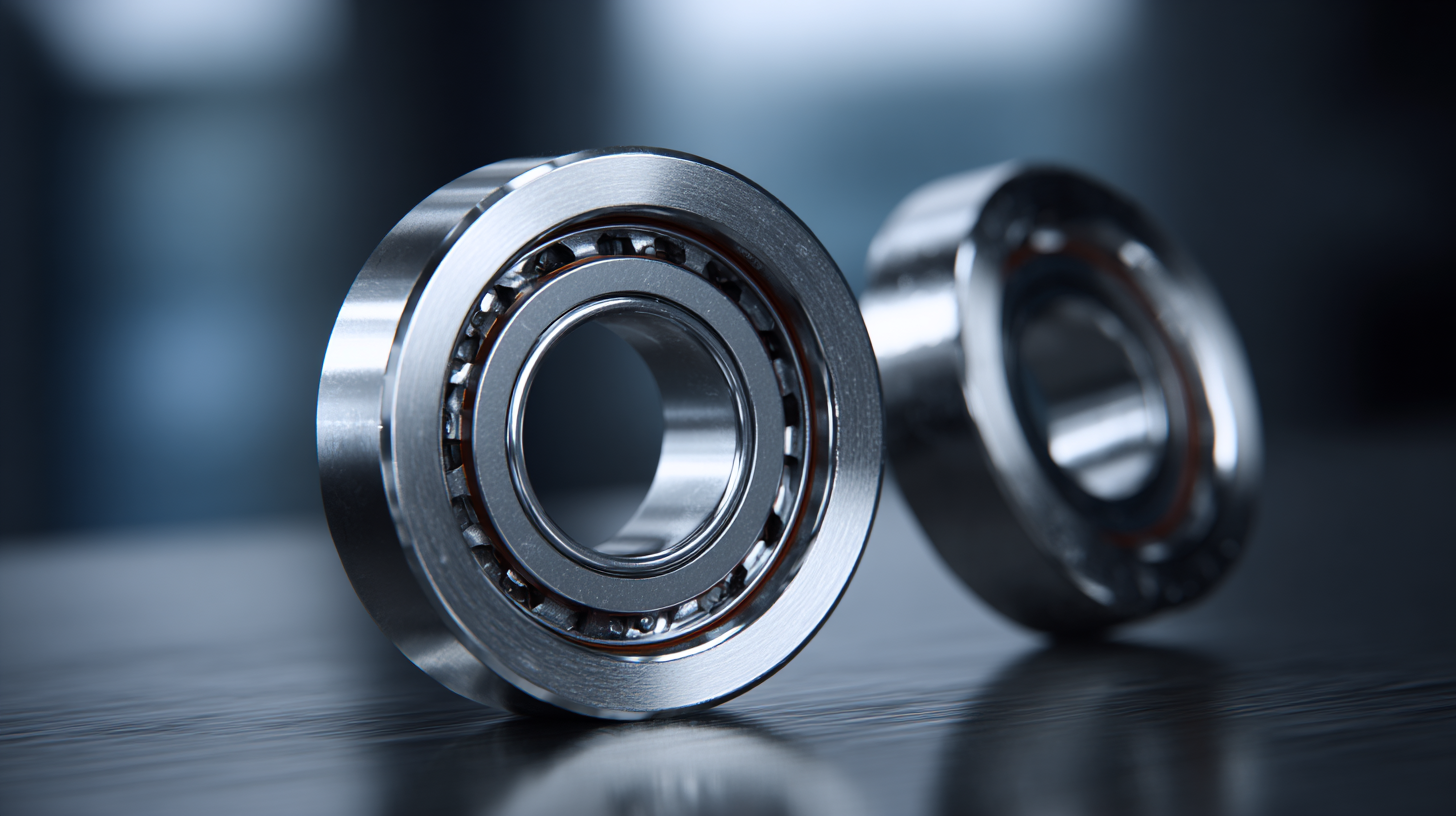
There’s this example from the 2022 Machinery Efficiency Report that really caught my eye. It talked about a car manufacturing plant that upgraded to some really advanced ball bearing tech. The result? They managed to cut their energy costs by almost a quarter—that’s huge! Plus, the report pointed out that these precision-engineered bearings can handle heavier loads and are super reliable, so the machines don’t need constant fixing and can stay at top performance longer. All in all, it’s pretty clear that ball bearings are a must-have for companies looking to boost productivity without bloating their energy bills. They’re game-changers, no doubt about it.
Innovations in Ball Bearing Design that Boost Performance Metrics in Industries
Lately, there’s been quite a bit of buzz around how ball bearing designs are evolving. These innovations really push performance to the next level across different industries. It’s not just about getting things to run more smoothly—though that’s definitely part of it—but also about making machinery last longer and work more reliably, even in tough conditions. For example, using new materials and smarter construction methods in bearing design helps spread out the load more evenly and cut down on friction. That means bearings can last longer and require less maintenance, which is a real win.
Quick tips if you want to get the most out of your bearings:
- First, keep an eye on how and where they’re working—any unexpected stress or harsh environment can mess things up and lead to early failure.
- And don’t overlook advances in lubrication—things like phase change materials can really help with heat management and make bearings last even longer, especially if you’re dealing with high-performance machinery.
Plus, the bearing market is growing fast, mainly because there’s more demand for custom designs in areas like auto manufacturing and industrial automation. As these industries keep changing, it’s super important to stay on top of innovations—think electric vehicles and such.
These new developments are crucial because they help meet the modern needs for efficiency and sustainability in machinery today.
Comparative Analysis: Ball Bearings vs. Other Bearing Types in Machine Efficiency
When you're looking into how well machines work, the type of bearings you choose can really make a difference. Among all the options out there, ball bearings tend to stand out—mainly because they do a better job at spreading out loads and cutting down on friction. This means they usually perform smoother and last longer, especially when things are moving at high speeds or require precision. Basically, their design helps the machinery run more seamlessly, wasting less energy and extending its lifespan.
At WD Bearing Group, they’re really big players in providing top-quality ball bearings to OEMs across a bunch of industries—think material handling, farming, construction, you name it. They keep pushing the envelope by investing in the latest machining tech and bearing software, making sure their products hit those high industry standards.
Plus, their team is super skilled, so they don’t just deliver reliable parts—they give solutions that are designed to be efficient and perfect for specific needs. Picking ball bearings from WD can seriously boost your machinery’s performance and efficiency, setting a pretty high bar in the industry.
Case Studies: Real-World Examples of Enhanced Performance through Ball Bearings
When it comes to making machines run more smoothly, ball bearings are pretty much a game-changer. If you look at various case studies, it’s clear that using advanced ceramic balls—made from materials like silicon, alumina, and zirconia—really boosts how efficiently things work. These materials are not only lightweight but also tough as nails when it comes to heat and wear and tear. You’ll find these high-quality ball bearings everywhere—think about their role in big sectors like manufacturing, grinding, and even valve mechanics. It just goes to show how important upgrading to better bearings can be.
The market for ceramic balls is actually growing quite a bit right now, and that’s mostly because industries like automation and manufacturing are demanding more. By 2032, experts expect the global ball bearing market to expand significantly, with growth rates that reflect how essential these components are becoming for improved machine performance. As companies keep pushing for innovation, switching over to ceramic balls—known for being inert yet active—seems to be a clear sign of how engineering solutions are evolving. And with more investment in R&D, the whole game is set to change even more, proving just how crucial ball bearings are in today’s machinery scene.
Unlocking Efficiency with Ball Bearings in Machines
This chart illustrates the performance efficiency of machines equipped with ball bearings compared to those without them. The data indicates that machines using ball bearings achieve an efficiency rate of 85%, significantly higher than the 60% efficiency of machines lacking ball bearing technology.
The Future of Ball Bearings: Trends Shaping Efficiency and Productivity in Manufacturing
As manufacturing keeps moving forward, ball bearings are becoming more and more essential when it comes to making machinery run smoother and more efficiently. Thanks to new materials and tech tricks, folks in the industry are now focusing on lighter, tougher ball bearings that cut down on friction and boost performance. You’ve probably noticed the buzz around ceramic and hybrid bearings—these are really gaining popularity because they can handle higher speeds and last longer, which is a big deal for those high-performance setups.
On top of that, as automation and smart factories become the norm, there's a lot of excitement about intelligent bearings. These bad boys come with sensors that keep tabs on how they're doing in real time. This means companies can do predictive maintenance—catching issues before they turn into costly problems—and keep their machines running with minimal downtime. Plus, with data analytics playing a bigger role, being able to check bearings’ health remotely is changing the game when it comes to making smarter decisions and running things more efficiently. All these tech advances just go to show that ball bearings are still at the heart of pushing manufacturing productivity to the next level.
FAQS
: The use of optimized ball bearings can lead to energy savings of up to 30%.
High-quality ball bearings reduce friction and energy loss during operation, enhancing machinery longevity and supporting sustainability efforts across various industries.
The automotive manufacturing plant reduced its energy costs by nearly 25% after upgrading to advanced ball bearing technology.
Ball bearings offer distinct advantages over roller and plain bearings, particularly in high-speed and precision applications due to their superior load distribution and reduced friction characteristics.
WD Bearing Group continuously invests in advanced machining equipment and professional bearing software to meet the highest industry standards, supported by a skilled team.
Advanced ceramic balls made from materials like silicon and zirconia significantly enhance operational efficiency due to their lightweight, exceptional thermal resistance, and durability.
The global ball bearing market is projected to expand significantly by 2032, reflecting a compound annual growth rate driven by increased demand in automation and manufacturing industries.
Ceramic balls are characterized by their inert and active functionalities, making them effective in a wide range of applications and appealing to companies seeking to innovate and improve product offerings.
Conclusion
Ball bearings might not be the first thing you think of, but honestly, they're pretty darn important when it comes to making machines run smoothly. They help cut down on friction and save energy—that’s a big deal! When industries get smart about using ball bearings, they can even slash their energy costs by up to 30%. Talk about a win. And it’s not just about sticking with the old; companies like WD Bearing Group are constantly pushing the boundaries with new designs, which means these little components are becoming more and more essential across all sorts of fields—think material handling, farming, construction, you name it.
If you look at the comparisons out there, it’s clear that ball bearings tend to do a better job at keeping machines efficient compared to other types of bearings. And with all the ongoing innovations, it’s exciting to see how future trends will boost productivity even more. These tech improvements aren’t just about better performance—they also show WD Bearing Group’s commitment to investing in the best equipment and talented folks to provide top-notch bearing solutions. It’s pretty inspiring stuff, honestly.