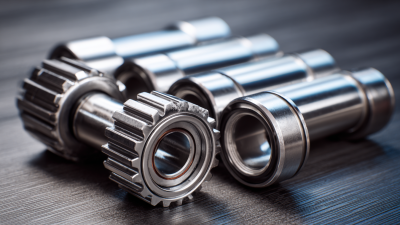
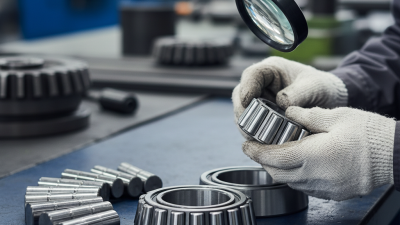
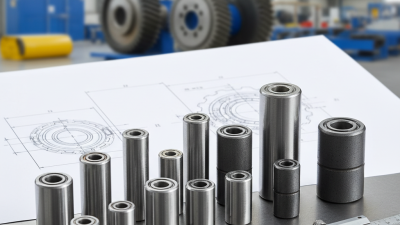
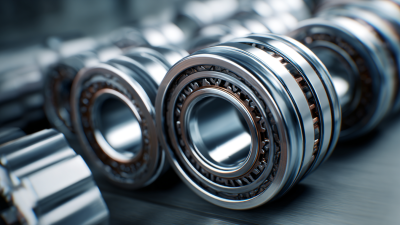
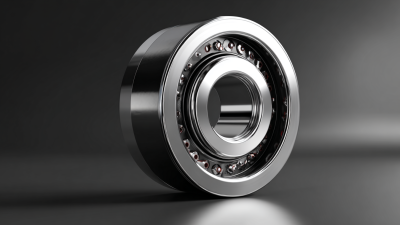
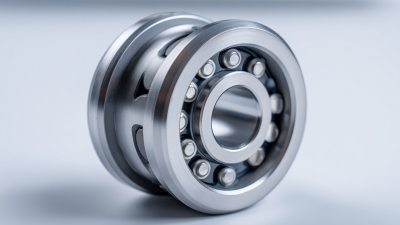
In the competitive world of engineering parts, Cylindrical Bearing Rollers really stand out as crucial for both quality and performance. Industry expert John Smith puts it simply: "Choosing the right cylindrical bearing rollers can seriously make or break how well a machine runs." His insights highlight just how important these components are across different applications—they help the machinery move smoothly and cut down on friction, which is a big deal.
For global buyers on the hunt for trustworthy suppliers, it’s not always straightforward. Variations in quality can cause mechanical failures, leading to extra costs and headaches. Take low-quality rollers, for example—they tend to wear out faster and tank the efficiency of the equipment. Paying close attention to materials and manufacturing details is really essential if you want to avoid those pitfalls.
Of course, with so many options out there, not everything on the market measures up to strict standards. Savvy buyers need to check out the expertise and reputation of suppliers—they really make a difference. Top-notch production tools and techniques can set apart the best manufacturers from the rest. As markets keep changing, staying informed is key to snagging the best cylindrical bearing rollers around. Thinking through these challenges carefully can help you make smarter purchasing decisions in the long run.
Introduction to Cylindrical Bearing Rollers and Their Applications
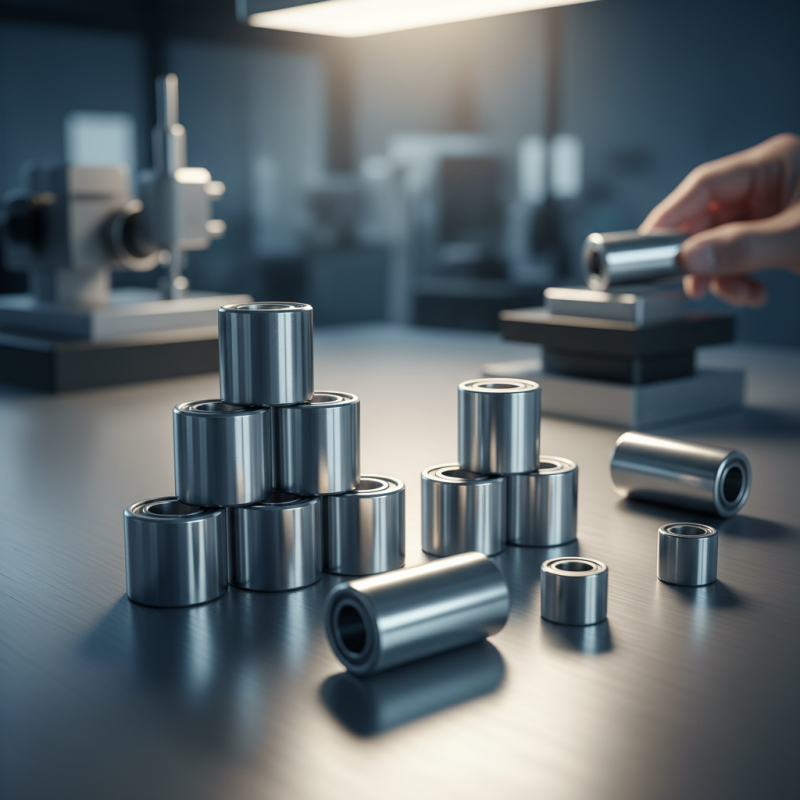
Cylindrical bearing rollers play a vital role in various industrial applications. They reduce friction and support loads in rotating machinery. These components are essential in sectors like automotive, aerospace, and manufacturing. Reports indicate that the demand for Cylindrical Rollers is projected to grow at a CAGR of 5.2% from 2023 to 2028. This growth reflects the increasing need for efficient machinery.
The design of Cylindrical Rollers allows for high load capacity and durability. They typically feature a larger surface area compared to other bearings. This enables them to distribute loads more evenly, leading to extended service life. However, choosing the right cylindrical rollers can be challenging. Different applications require specific roller dimensions and material properties. Misalignment or incorrect sizing can lead to premature wear or failure.
Cylindrical rollers are often subject to harsh environments. Factors like temperature, lubrication, and load conditions must be considered. For instance, in high-speed applications, inadequate lubrication can drastically shorten roller life. Manufacturers recommend regular maintenance checks. Despite their effectiveness, not all cylindrical rollers perform equally well under stress. Understanding these nuances is critical for optimizing performance in your machinery.
Top Cylindrical Bearing Rollers for Global Buyers Seeking Quality
| Type | Material | Diameter (mm) | Length (mm) | Load Capacity (kN) | Applications |
| Cylindrical Roller Bearing | Chrome Steel | 30 | 62 | 80 | Motor Parts |
| Needle Roller Bearing | Stainless Steel | 25 | 48 | 70 | Automotive Applications |
| Cylindrical Roller Bearing with Flanges | Alloy Steel | 40 | 80 | 100 | Industrial Machinery |
| Full Complement Cylindrical Roller Bearing | Carbon Steel | 50 | 100 | 120 | Construction Equipment |
| Single Row Cylindrical Roller Bearing | Bronze | 20 | 38 | 60 | Electric Motors |
Key Factors to Consider When Selecting Quality Cylindrical Bearing Rollers
When selecting quality cylindrical bearing rollers, several key factors come into play. First, check the material used in production. High-grade steel or durable composites often indicate better performance and longevity. Employing advanced manufacturing techniques can further enhance durability. Additionally, consider the dimensions and load capacities. These specifications must match the application requirements for optimal efficiency.
Another crucial aspect is the lubrication type. Some cylindrical rollers perform well under specific lubricants. Regular maintenance of these rollers is vital to ensure smooth operation and to mitigate wear. Users often overlook this detail. Ensuring compatibility with existing machinery is equally important. Many face issues due to incorrect sizing, leading to costly repairs.
Finally, customer reviews can offer invaluable insights. Feedback from other users helps identify potential problems or advantages. However, be cautious about one-off incidents. Balanced, honest reviews can guide quality assessments effectively. Always question what you read. After all, even well-rated products might not fit every application perfectly. Cam Rollers are a prime example of components that must be evaluated carefully.
Top Cylindrical Bearing Rollers: Quality Comparison
Top Manufacturers of Cylindrical Bearing Rollers in the Global Market
Cylindrical bearing rollers play a vital role in various industries. Their excellent load capacity and high precision make them a preferred choice among manufacturers. Companies around the world invest in these components to ensure operational efficiency and durability. High-quality cylindrical rollers can significantly improve the performance of machinery. Yet, not all manufacturers maintain the same standards.
Leading manufacturers prioritize experience and innovation. They focus on producing reliable products, such as Yoke Rollers, that meet specific industry needs. However, the quality can vary. Some firms may cut corners to reduce costs, potentially jeopardizing performance. Buyers must conduct thorough research before selecting a supplier. They should look for manufacturers with proven quality, expertise, and a strong reputation in the market. This scrutiny helps prevent the pitfalls associated with low-quality products.
The diversity in manufacturing processes can be overwhelming. Variations in material quality and precision can lead to inconsistencies in end products. Understanding these nuances is crucial for global buyers. Proper due diligence can reveal insights into the manufacturing capabilities of different companies. Engaging with niche industry experts and seeking reviews can provide valuable information. Choosing the right cylindrical bearing rollers requires careful consideration to ensure optimal results and long-term success.
Comparative Analysis of Materials Used for Cylindrical Bearings
Cylindrical bearings are essential in various applications, from automotive to industrial machinery. The choice of material plays a critical role in their performance and longevity. Common materials include steel, ceramic, and polymer. Each has unique properties that make them suitable for different environments.
Steel bearings are well-known for their strength and durability. They excel in heavy-load situations but may suffer from corrosion. Ceramic materials are lighter and resistant to wear. They are ideal for high-speed applications but can be more brittle. Polymer options offer flexibility and resistance to chemicals. However, they may not handle heavy loads as effectively as metal counterparts.
Selecting the right material involves trade-offs. Steel offers robustness but lacks corrosion resistance. Ceramics provide durability but at a higher cost. Polymers are lightweight but may require more frequent replacements. Understanding these nuances is vital for buyers aiming to make informed decisions. Balancing performance and cost-effectiveness is not always straightforward. Each application will have distinct demands that must be carefully considered.
Performance Metrics: Measuring Quality in Cylindrical Bearing Rollers
When selecting cylindrical bearing rollers, understanding performance metrics is crucial. These metrics provide insights into the reliability and efficiency of the rollers. Key indicators include load capacity, friction coefficients, and noise levels. Higher load capacity signifies better performance under pressure. However, manufacturers often employ different testing methods, leading to variability in reported figures.
Friction is another vital aspect. It directly affects energy consumption. Low friction levels can enhance machinery efficiency. Yet, achieving optimal friction is not always straightforward. The balance between durability and performance can be elusive. Some rollers may perform well initially but deteriorate over time. Regular assessments can help identify these issues early.
Noise is often an overlooked metric but can indicate potential failures. High noise levels can disrupt operations and suggest misalignment or wear. Buyers should seek rollers with consistent noise performance across various conditions. Performance metrics should guide selections, but awareness of the testing methods behind them is equally important. This understanding will lead to better-informed decisions in the quest for quality cylindrical bearing rollers.
Future Trends in Cylindrical Bearing Roller Technology and Innovation
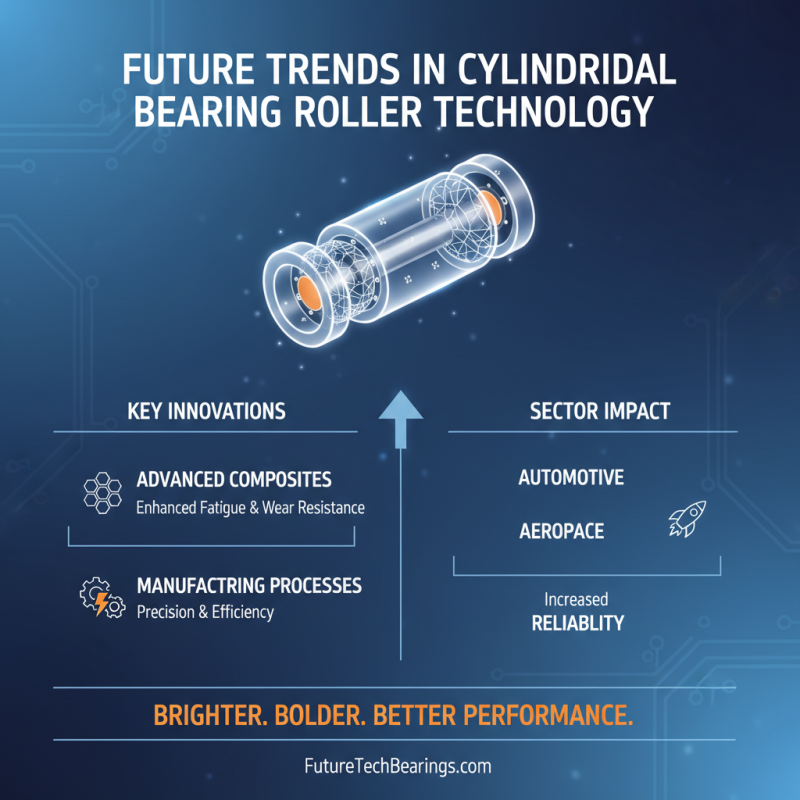
The future of cylindrical bearing roller technology is bright. Innovations in materials and manufacturing processes are paving the way for better performance. For instance, the use of advanced composites can enhance resistance to fatigue and wear. These components are crucial in sectors like automotive and aerospace, where reliability is paramount.
Tips: Consider the application of your cylindrical bearing rollers. Different industries may require specific load capacities and resistance to environmental factors. Choosing the right type can lead to improved efficiency and longevity.
Moreover, digital technologies are playing a significant role in this evolution. Smart manufacturing techniques, like 3D printing, allow for customized designs. This customization can help meet unique specifications and reduce lead times. However, the challenge lies in ensuring quality control during production.
Tips: Always verify the manufacturing standards of any supplier you consider. A focus on quality can prevent long-term issues and unexpected costs.
Global Supply Chain Dynamics for Cylindrical Bearing Rollers
The global supply chain for cylindrical bearing rollers is complex. It requires a deep understanding of sourcing, manufacturing, and logistics. Buyers must evaluate suppliers based on their reliability and product quality. Understanding the nuances of international trade can prove beneficial in navigating this landscape.
Quality is paramount in selecting cylindrical bearing rollers. Buyers should insist on transparency from suppliers. Documentation of material certifications and quality assurance processes is essential. Inspections conducted at various stages of production also contribute to reliability. However, discrepancies can arise. Not all suppliers maintain the same standards. This variability can impact performance, leading to concerns over durability and functionality.
The dynamics of global supply chains are always shifting. Factors such as tariffs, transportation costs, and geopolitical tensions play a significant role. Buyers need to stay informed about these developments. Relying on a single supplier can be risky. Diversifying suppliers may mitigate some risks, yet it introduces new challenges. The goal should be to find a balance that favors both quality and dependability. Striking that balance is an ongoing journey in the world of cylindrical bearing rollers.
FAQS
: High-grade steel or durable composites typically offer better performance and longevity.
Proper lubrication ensures smooth operation and reduces wear, but users often neglect this detail.
Load capacities must match application requirements for optimal efficiency and performance.
Key metrics include load capacity, friction coefficients, and noise levels, which reflect reliability and efficiency.
Yes, high noise levels may suggest misalignment or wear and disrupt operations.
Advanced manufacturing methods enhance durability, but quality control is crucial to avoid long-term issues.
Look for balanced feedback and be cautious of one-off incidents affecting overall perceptions.
Technologies like 3D printing allow for custom designs but require strict quality control.
No, different testing methods can lead to variability in reported performance figures.
Always check sizing and specifications to avoid costly repairs due to incorrect matches.
Conclusion
Cylindrical Bearing Rollers play a crucial role in various industrial applications, offering enhanced load-carrying capacity and reduced friction over traditional bearing types. Selecting quality cylindrical bearing rollers involves understanding key factors such as material composition, performance metrics, and the specific requirements of the application. In an increasingly competitive global market, top manufacturers are known for their innovative approaches to design and technology, which contribute to the overall performance and durability of these components.
As the industry evolves, emerging trends in cylindrical bearing roller technology focus on advancements in materials and manufacturing processes, leading to improved reliability and efficiency. Additionally, understanding global supply chain dynamics helps buyers navigate sourcing options effectively, ensuring access to high-quality cylindrical bearing rollers that meet their operational needs. Ultimately, staying informed about these aspects is essential for making educated purchasing decisions in the fast-paced world of engineering and manufacturing.