In today’s competitive world of industry, everyone’s really focused on getting better performance and making things last longer. One key part that’s really leading the way in this push for innovation is the Cylindrical Roller Bearing. These bearings are designed for top-notch performance and outshine the old-school types in many ways. You’ll find them being used all over—from aerospace to heavy machinery—because they offer some pretty great advantages. For one, they can handle bigger loads, reduce friction, and are generally more reliable. All this means they tend to last longer and keep maintenance costs down, which is a big plus.
As companies look for ways to make their operations smoother and more efficient, picking the right bearing can really make a difference. The special shape of Cylindrical Roller Bearings helps spread out stress more evenly, giving manufacturers an edge when it comes to efficiency and durability. By using these advanced bearings, businesses don't just boost how well their machines run—they also help their equipment last longer, protecting their investments from wear and tear.
At the end of the day, choosing Cylindrical Roller Bearings isn’t just about performance; it’s a smart move towards building more durable and reliable machinery. As industries keep evolving, jumping on board with these innovative bearing solutions is pretty much essential if you want to stay ahead of the competition in an ever-changing market.
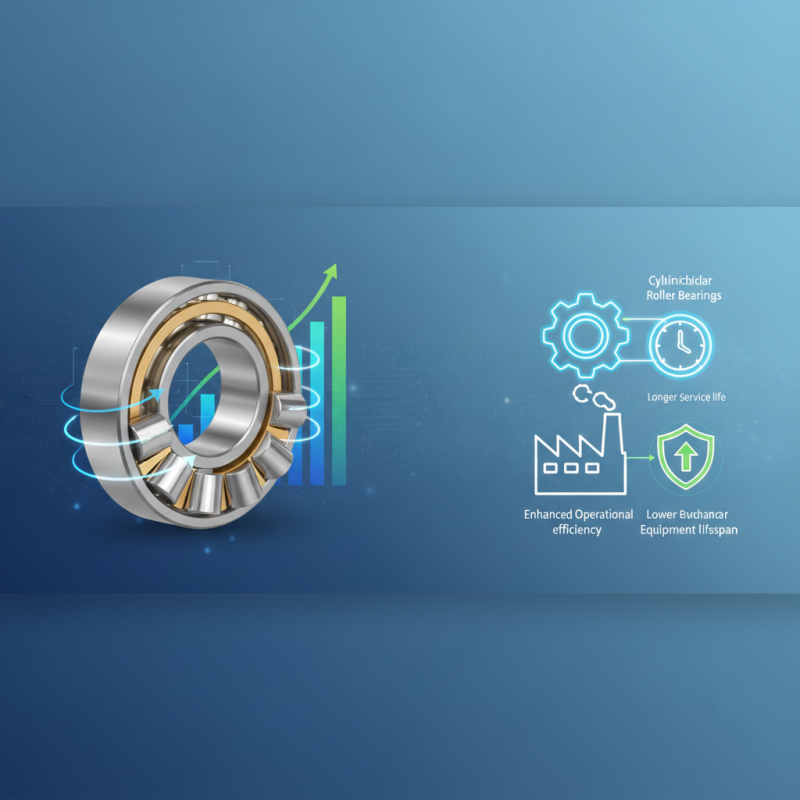
Cylindrical Roller Bearings: An Overview of Features and Benefits
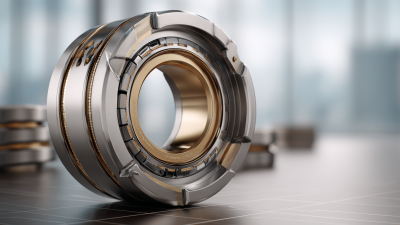
Cylindrical roller bearings are engineered to accommodate both radial and axial loads, making them an excellent choice for applications requiring high performance and reliability. Their design features rollers aligned in a cylinder shape which helps to distribute the load evenly across the bearing surface. This unique arrangement reduces stress on the contact points, allowing for enhanced durability under heavy load conditions. The ability to handle high speeds while maintaining low friction is a significant advantage, making cylindrical roller bearings ideal for various industries, including automotive, manufacturing, and aerospace.
In addition to their load-bearing capabilities, cylindrical roller bearings offer superior resistance to wear and tear, significantly extending the lifespan of machinery. The rollers are typically longer than they are wide, enabling greater surface contact and reducing the likelihood of deflection or deformation. This design not only improves the efficiency of the machinery but also minimizes maintenance needs, resulting in lower operating costs. Furthermore, many configurations, such as single-row and multi-row designs, provide flexibility in application, ensuring that these bearings can meet the diverse needs of different systems and environments.
Understanding the Design and Functionality of Cylindrical Roller Bearings
Cylindrical roller bearings are engineered for high load capacityand enhanced performance in various applications. Their design consists of Cylindrical Rollers that are strategically arranged to minimize friction and wear. This unique configuration allows them to accommodateheavy radial loads while handling limited axial loads, making them ideal for scenarios such as electric motors, gearboxes, and various industrial machinery. The line contact between the rollers and the raceway ensures an even distribution of loads, which significantly increases the bearing's lifespan and functionality under heavy-duty operations.
The functionality of cylindrical roller bearings is defined by their ability to reduce operational noise and vibrations. This is largely attributed to the precise design of the raceways and rollers that achieve a tight fit, providing stability and reliability. Furthermore, the open design allows for better lubrication and heat dissipation, critical factors that contribute to the overall efficiency of machinery. Whether used in high-speed applications or heavy load environments, cylindrical roller bearings stand out for their durability, making them an essential component in the modern industrial landscape.
Key Advantages of Using Cylindrical Roller Bearings in Machinery
Cylindrical roller bearings are an excellent choice for enhancing the performance and durability of machinery. One of the key advantages of these bearings is their ability to accommodate heavy radial loads while maintaining a compact design. This makes them especially useful in applications where space is limited but strength is paramount. Additionally, the rolling motion of cylindrical rollers reduces friction, resulting in less heat generation and improving overall efficiency. This characteristic is particularly beneficial in high-speed machinery, where lower temperatures can lead to extended operational life.
Tips for maintaining cylindrical roller bearings include ensuring proper lubrication and regular inspection for signs of wear. Proper lubrication minimizes friction and prevents overheating, while inspections can catch potential issues before they escalate. It's also important to ensure that the bearings are installed correctly, as improper alignment can lead to premature failure.
Furthermore, cylindrical roller bearings excel in vibration resistance, making them suitable for demanding applications where shock loads are common. Their sturdy construction allows them to withstand fluctuating forces without compromising performance. By choosing these bearings, manufacturers can not only improve the durability of their machines but also reduce maintenance costs and downtime.
Advantages of Cylindrical Roller Bearings
Applications of Cylindrical Roller Bearings in Various Industries
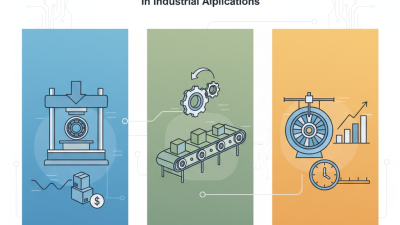
Cylindrical roller bearings (CRBs) have become a cornerstone in various industries due to their superior load-carrying capacity and exceptional durability. These bearings are widely utilized in applications that require high radial loads and moderate axial loads, making them ideal for heavy machinery and transportation sectors. According to a report by MarketsandMarkets, the global cylindrical roller bearing market is projected to reach USD 12.68 billion by 2025, growing at a CAGR of 6.8% from 2020 to 2025. This growth underscores the increasing reliance on CRBs in industries including automotive, aerospace, and energy.
In the automotive industry, cylindrical roller bearings play a crucial role in the performance of engines and gear systems. Their ability to absorb shock loads and minimize friction contributes to improved fuel efficiency and enhanced engine life. Additionally, in the aerospace sector, where reliability and precision are vital, CRBs are used in landing gears and turbine engines, underlining their importance in critical applications. Furthermore, the renewable energy sector, particularly wind energy, benefits significantly from cylindrical roller bearings, where they are employed in turbine gearboxes. A market analysis indicates that the adoption of CRBs in wind turbines can improve operational reliability and reduce maintenance costs, thus supporting the growth of sustainable energy sources.
Factors Influencing the Performance and Durability of Cylindrical Roller Bearings
Cylindrical roller bearings are essential components in various machinery, and their performance and durability are significantly influenced by several key factors. One of the primary elements is the design and geometry of the bearing itself. The rolling elements' shape and the raceway's profile play crucial roles in determining load distribution and stress handling. A well-optimized design reduces friction and wear, leading to improved efficiency and longer service life. Additionally, the flange configuration can affect axial load capacity and overall stability under varying operational conditions.
Another important factor is the material composition of cylindrical roller bearings. High-quality steel or advanced composite materials offer superior strength, resistance to fatigue, and enhanced performance under high temperatures. The choice of lubricant is equally critical, as it impacts heat dissipation and minimizes wear between moving parts. Proper lubrication reduces the likelihood of premature failure and extends the operating lifespan of the bearings. Conditions such as operating speeds, environmental factors, and load types must also be considered, as they directly influence the bearing's performance and durability in real-world applications.
Why Choose Cyl Roller Bearings for Enhanced Performance and Durability - Factors Influencing the Performance and Durability of Cylindrical Roller Bearings
| Factor | Description | Impact on Performance | Impact on Durability |
| Material | Quality of steel and heat treatment | High-quality materials improve load capacity and speed | Durability increases with better fatigue resistance |
| Design | Geometry and profile of rollers | Optimized design enhances load distribution | Reduces wear and extends service life |
| Lubrication | Type and quality of lubrication used | Proper lubrication minimizes friction, enhancing performance | Prevents corrosion and prolongs bearing life |
| Assembly Precision | Accuracy of bearing installation | Precision ensures optimal contact and performance | Improper assembly can lead to premature failure |
| Operating Conditions | Temperature, load, and environment | High loads and temperatures can reduce efficiency | Extreme conditions can accelerate wear and shorten life |
Maintenance Tips for Extending the Life of Cylindrical Roller Bearings
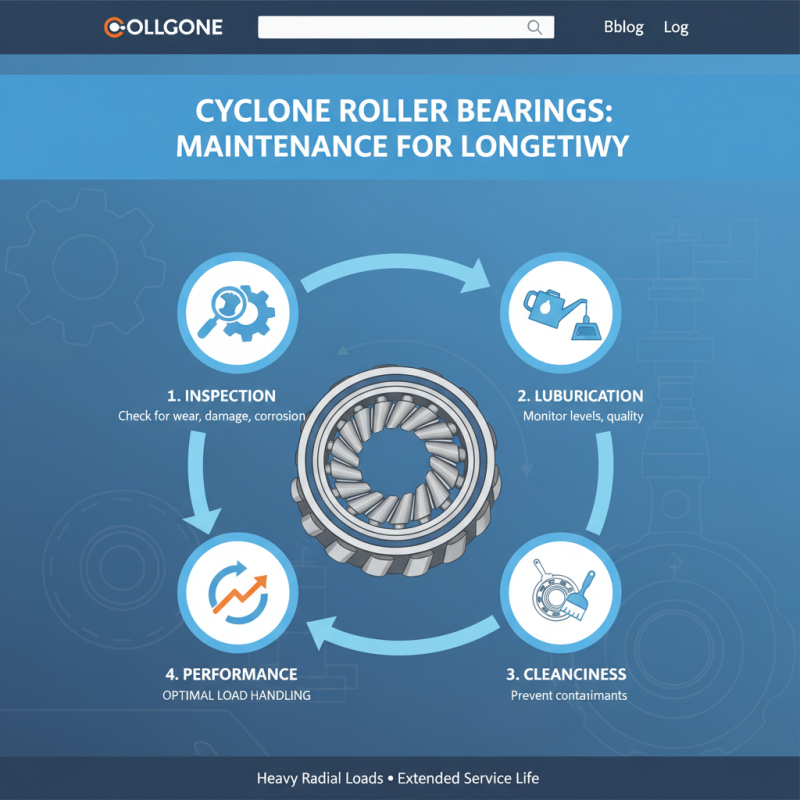
Cylindrical roller bearings are renowned for their ability to handle heavy radial loads, but their performance and longevity depend significantly on proper maintenance. Regular inspection is vital to ensure that these bearings function optimally. It is essential to check for signs of wear, such as surface damage or corrosion, and to monitor lubrication levels. Contaminants can severely impact performance, so keeping the bearing environment clean is crucial.
Another key aspect of maintenance is proper lubrication. Using the right type of lubricant and ensuring it is applied correctly can dramatically extend the life of cylindrical roller bearings. It is important to replace the lubricant according to the manufacturer's recommendations and to avoid over-lubrication, which can also lead to issues such as overheating. Additionally, paying attention to the operating temperature can help in identifying potential problems early, allowing for timely interventions that prevent more severe damage down the line. By following these maintenance tips, users can significantly enhance the performance and durability of their cylindrical roller bearings.
Comparative Analysis: Cylindrical Roller Bearings vs. Other Bearing Types
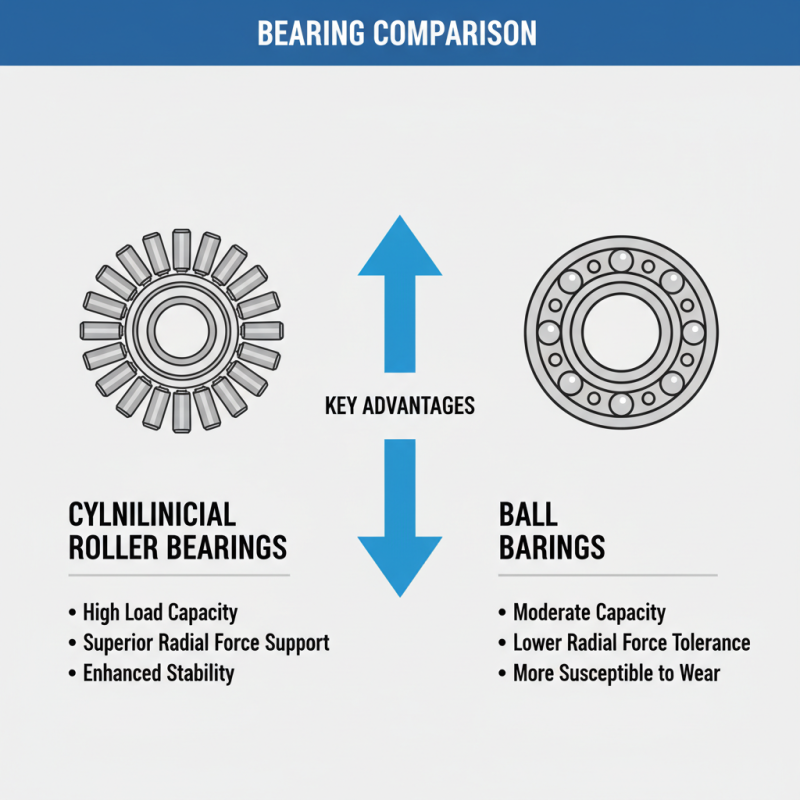
Cylindrical roller bearings stand out in the realm of mechanical components due to their unique design and structural advantages. Unlike traditional ball bearings, cylindrical roller bearings feature rollers that are aligned parallel to the shaft. This design allows them to support heavier loads and handle greater radial forces, making them particularly effective in high-stress applications. In contrast, other bearing types, such as ball bearings, often exhibit more susceptibility to wear and fatigue under similar conditions. A comparative analysis reveals that cylindrical roller bearings not only demonstrate superior load-carrying capacity but also often provide better stability during operation.
When selecting bearings for specific applications, it's essential to consider the type of load and environment they will encounter. For environments exposed to shock loads or where alignment may be less than perfect, cylindrical roller bearings are frequently the optimal choice. Tips for ensuring the longevity of these bearings include maintaining proper lubrication to minimize friction, regularly inspecting for any signs of wear, and ensuring correct alignment during assembly. Additionally, for applications where space is limited, exploring variations in cylindrical roller bearing designs can help achieve desired performance without compromising on available space.
Maximizing Efficiency: Insights from the 2023 Industry Report on High-Precision Tapered Roller Bearings in Machinery
In the fast-paced world of machinery, efficiency is paramount, and the 2023 industry report on high-precision tapered roller bearings sheds light on achieving optimal performance. These bearings are recognized for their flexibility in design and exceptional load capacity, making them invaluable in various applications that require rigid stability. The innovative cup and cone assembly in tapered roller bearings maximizes both axial and radial loads while reducing friction, vibration, and noise—a crucial benefit for operations seeking to enhance durability and performance.
As industries strive to maintain operational excellence under increasingly challenging conditions, the adaptability of these bearings becomes essential. With the ability to accommodate both metric and inch specifications, they ensure seamless integration across different machinery setups. Their superior radial load capacity and support for single-direction axial loads further bolster their efficacy. Moreover, features such as minimized clearance when mounting bearing pairs and enhanced raceway surface roughness contribute to improved speed and overall functionality. By harnessing the full potential of tapered roller bearings, manufacturers can achieve significant advancements in operational stability and efficiency, ultimately driving productivity in their respective fields.
FAQS
: Cylindrical roller bearings are widely utilized in applications that require high radial loads and moderate axial loads, making them ideal for heavy machinery and transportation sectors.
The design and geometry influence load distribution and stress handling, reducing friction and wear, which leads to improved efficiency and a longer service life.
High-quality steel or advanced composite materials are commonly used, as they offer superior strength, resistance to fatigue, and enhanced performance under high temperatures.
Proper lubrication minimizes wear between moving parts and aids in heat dissipation, which reduces the likelihood of premature failure and extends the bearings' operating lifespan.
Regular inspections, monitoring lubrication levels, keeping the bearing environment clean, using the correct lubricant, and managing operating temperatures are vital maintenance practices.
They are heavily relied upon in the automotive, aerospace, and renewable energy sectors, particularly in applications such as engines, landing gears, and wind turbine gearboxes.
Operating speeds, environmental factors, and load types directly influence the performance and durability of cylindrical roller bearings in real-world applications.
Lubrication should be replaced according to the manufacturer’s recommendations to ensure optimal performance and prevent potential issues.
Contaminants can severely impact the performance of cylindrical roller bearings, making it crucial to maintain a clean environment around them.
Monitoring operating temperatures and checking for signs of wear, such as surface damage or corrosion, can help in identifying potential problems early on.
Conclusion
Cyl Roller Bearings are essential components designed to enhance performance and durability in various machinery applications. Their unique design features allow for high load capacity and efficient operation, making them ideal for industries ranging from automotive to industrial machinery. The functionality of Cyl Roller Bearings ensures minimized friction and improved reliability, which directly contributes to extended service life.
The key advantages of using Cyl Roller Bearings include superior performance under heavy loads and the ability to handle both radial and axial forces effectively. However, factors such as lubrication, alignment, and operating conditions significantly influence their performance and durability. Regular maintenance practices, including proper lubrication and inspection, are vital for maximizing the lifespan of these bearings. When compared to other bearing types, Cyl Roller Bearings often emerge as a preferred choice due to their robustness and efficiency in demanding environments.