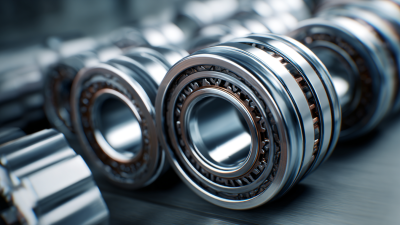
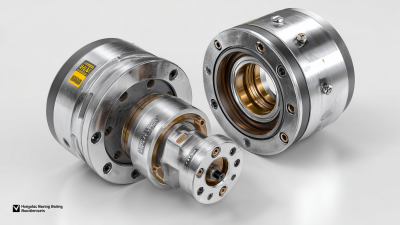
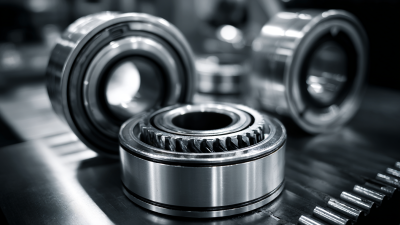
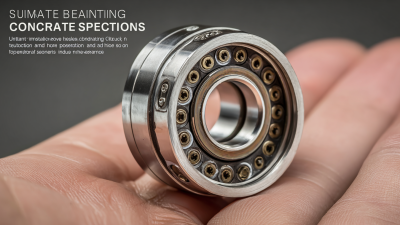
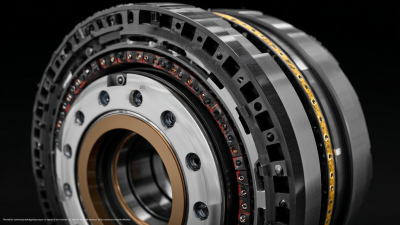
Hey there! In today’s fast-paced industrial world, picking the right parts for your business isn’t just important—it’s absolutely key if you want to boost your efficiency and ensure you’re around for the long haul. When we're talking about rotary applications, choosing top-notch Cylindrical Bearing Rollers can really make a difference in how well things run and how reliable they are. Here at WD Bearing Group, we’re all about providing the best bearings out there, designed for a bunch of different industries like material handling, agriculture, construction, pumps, compressors, gearboxes, and electric motors. We’re constantly pushing for innovation—just look at how we invest in cutting-edge machining equipment, top-notch bearing software, and our amazing team of skilled pros. In this blog, I’m excited to share seven solid reasons why going for the best Cylindrical Bearing Rollers is super important for meeting your business needs. It’s all about keeping your operations strong and sustainable!
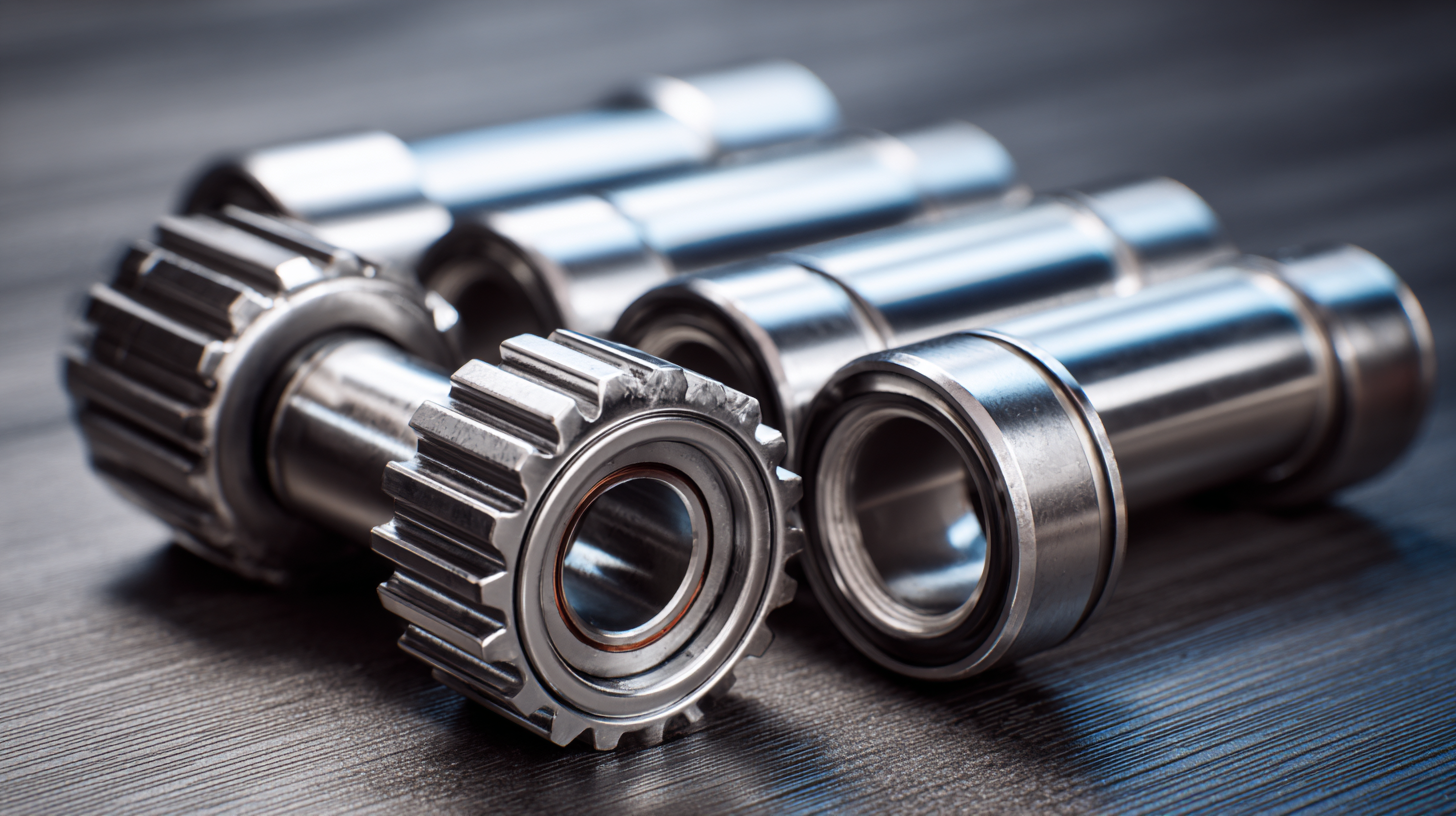
Factors Influencing the Selection of Cylindrical Bearing Rollers in Manufacturing
Choosing the right cylindrical bearing rollers for manufacturing can be a bit complex since there are so many important factors to think about. These elements can really impact how well everything runs. Just to put it in perspective, the global bearings market is expected to balloon from about $46.82 billion in 2024 to a whopping $97.10 billion by 2031! That’s a clear sign that there's a huge demand out there, especially with the automotive and industrial sectors thriving. And if we zoom into India, their bearings market is looking at surpassing $6,714.8 million by 2032, which is pretty impressive with a compound annual growth rate of 13.5%. This kind of growth really highlights how crucial it is to pick quality bearing rollers that can handle the busy vehicle fleets and the ever-evolving manufacturing scene.
One of the first things you should think about is how well cylindrical bearing rollers fit the specific machinery you’re working with. Different applications come with their own unique needs regarding load and speed, and that’s often determined by how the bearings are designed and what materials are used to make them. Plus, there are some cool tech advancements out there—like automated cutting tools—that can really ramp up machining efficiency and help bring down costs. And if we take it a step further, using innovative methods like the tunable Q-factor wavelet transform for detecting faults in taper roller bearings can seriously help manufacturers dodge equipment failures. This way, they can keep production lines running smoothly and ensure everything stays reliable for the long haul!
Understanding Load Capacity and Its Impact on Performance in Bearing Applications
Hey there! So, when it comes to picking cylindrical bearing rollers for your business, getting a grip on load capacity is super important. Basically, load capacity is all about how much weight or force a bearing can handle without breaking a sweat, all while keeping everything running smoothly. This really affects how long your machinery lasts and how well it performs. You know, having a higher load capacity can make a world of difference, especially in high-demand situations. It helps cut down on those annoying breakdowns and downtime, which is totally a win, right?
Now, here’s the thing: different jobs need different load capacities depending on what you’re up against in the field. If you end up pushing your cylindrical bearing rollers too hard, they might start to warp, and that’s when the real issues kick in. So, it’s super essential to pick rollers that not only fit your current needs but can also handle whatever you throw their way down the road. Thinking ahead like this helps keep everything running smoothly and efficiently, which is definitely good news for your bottom line.
Material Choices: The Role of Steel, Ceramic, and Composite in Lifespan and Efficiency
So, when you're thinking about cylindrical bearing rollers, the material you pick really matters for how long they'll last and how well they'll work. A lot of folks go with steel bearings because they’re pretty tough and can handle a good amount of load, which makes them great for heavy machinery. But, here’s the catch: they can rust and need some TLC to keep them in good shape. 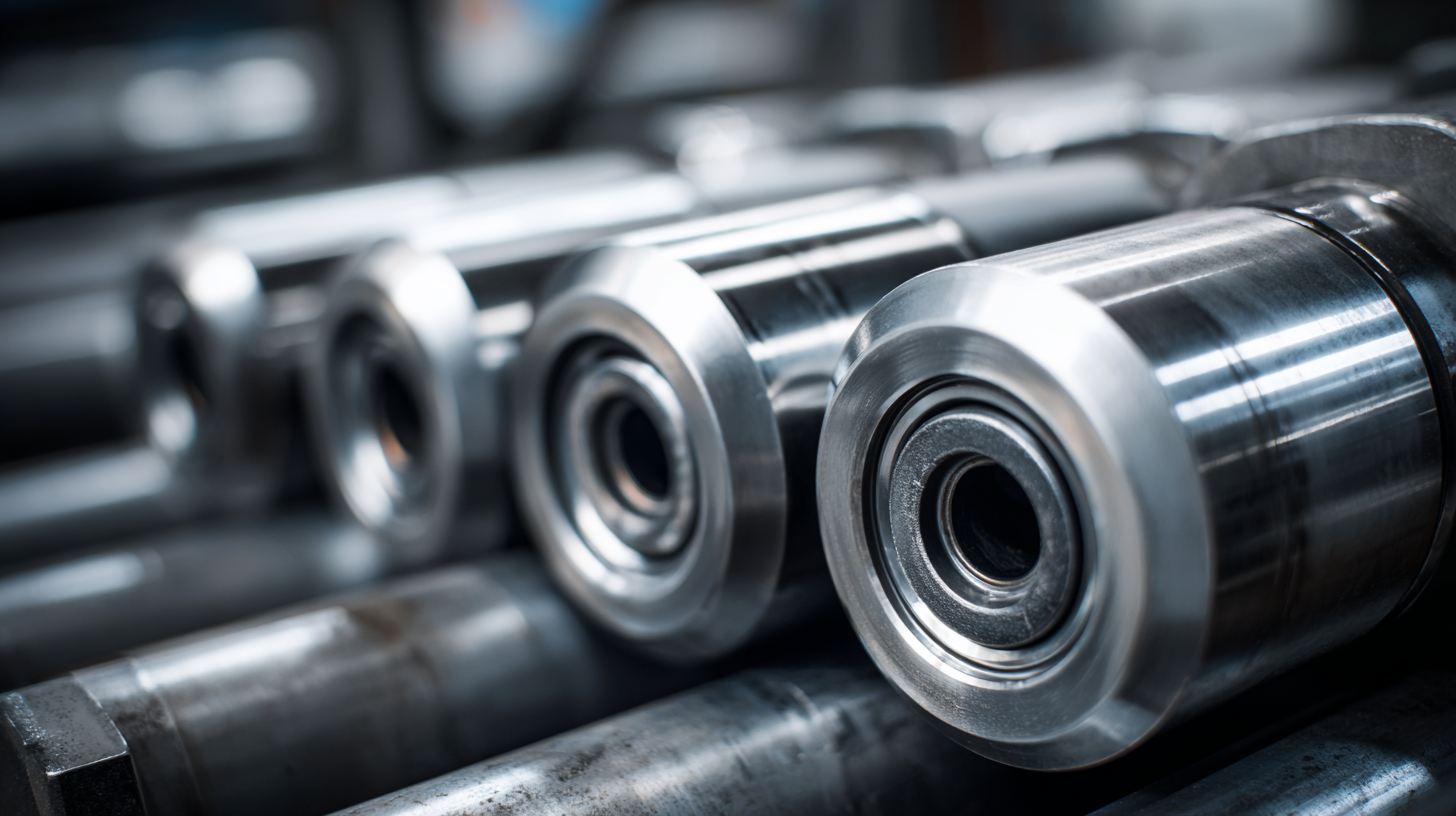 On the flip side, you have ceramic bearings—they're awesome when it comes to resisting wear and corrosion. Plus, they're lighter, which can really boost your machine’s performance. If you’re dealing with high-speed setups, these are a game changer because they help reduce friction.
Now, if you want something that won't break the bank but still performs well, composite materials might be worth a look! They give you a nice mix of what steel and ceramic offer but tend to be lighter and less affected by temperature changes, which is pretty neat. This makes them a solid pick for all sorts of applications, especially in aerospace and automotive fields. When choosing materials, think about what your specific needs are—this will really help you get the best efficiency and longevity out of your machines.
A couple of extra tips: Always check out the operating environment when you're deciding on bearing materials. For instance, if moisture is an issue, definitely go for the corrosion-resistant options. And don’t forget to chat with your suppliers about how the materials hold up under different temperatures and loads to really get the most out of them. Picking the right material not only helps your machinery last longer but also keeps productivity up!
Cost-Benefit Analysis: Evaluating Long-term Savings with High-Quality Bearings
So, if you're on the hunt for the best cylindrical bearing rollers for your business, it's a good idea to take a close look at the costs and benefits. You know, doing a cost-benefit analysis can really highlight some serious long-term savings when you go for high-quality bearings. Sure, the upfront cost for premium options might hit your wallet a bit harder at first, but think about it—these high-quality bearings are built to last. They cut down on maintenance expenses and those annoying downtimes. Fewer breakdowns mean your team can stay productive and efficient, and that can do wonders for your profit margins!
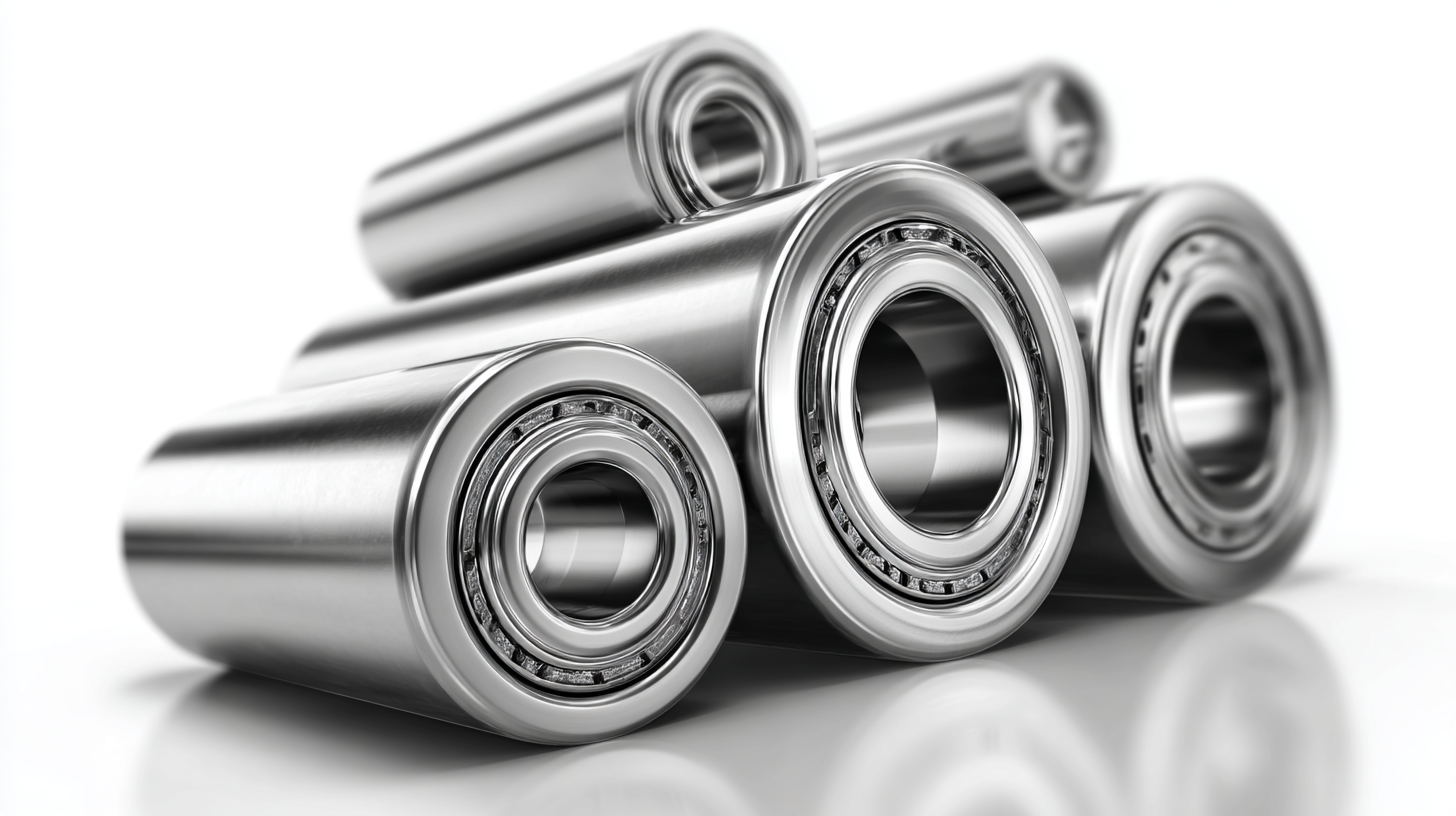
Plus, these top-notch cylindrical bearing rollers usually perform like champs, no matter the conditions they face. This kind of durability not only stretches out their service life but also keeps the need for replacements at bay. And let’s be real—fewer repairs mean more savings over the long haul. By opting for the best choices out there, companies can dodge those sneaky hidden costs that come with settling for low-quality stuff, which helps keep everything running smoothly for years down the line.
Industries Benefiting from Advanced Bearing Technology: A Statistical Overview
You know, these days, it’s pretty tough to get ahead in industries like material handling, agriculture, construction, and automotive. That’s why so many companies are turning to advanced bearing technology to step up their game and drive efficiency and productivity. I recently came across a report from the International Bearing Industry Association that projects the global bearing market is set to skyrocket to $100 billion by 2025, growing at a solid rate of 6.5% each year. This really highlights just how important it is to choose high-quality cylindrical bearing rollers for your business needs.
At WD Bearing Group, we’re all about providing top-notch solutions tailored to these industries. Our bearings have earned a reputation for being reliable and durable, which is super important when you're dealing with heavy-duty tasks. Companies that have embraced advanced bearing technologies are finding that they can cut maintenance costs by as much as 30%! That’s a real game-changer and shows how worthwhile it is to invest in high-quality bearing products. With our commitment to continually upgrade our machining equipment and invest in professional software, we make sure our OEM partners receive only the best components that can handle the tough demands of today’s machinery.
7 Compelling Reasons to Choose the Best Cylindrical Bearing Rollers for Your Business Needs
| Industry | Advantage of Cylindrical Bearings | Benefits (%) | Application Examples |
| Automotive | Increased Load Capacity | 25% | Wheel Bearings, Transmission |
| Manufacturing | Reduced Friction | 30% | Conveyor Systems, Robotics |
| Aerospace | Enhanced Durability | 20% | Engine Components, Landing Gear |
| Construction | High Precision | 15% | Excavators, Loaders |
| Electronics | Noise Reduction | 18% | Hard Drives, Motors |
| Energy | Improved Performance | 22% | Wind Turbines, Generators |
Maintenance Practices: Enhancing the Lifespan of Cylindrical Bearing Rollers
If you want your cylindrical bearing rollers to last and work their best, it’s super important to stay on top of maintenance. Think of regular inspections as your first line of defense; they help catch any wear and tear, misalignment, or contamination before they blow up into major problems. By regularly checking for any signs of damage or odd behavior, your maintenance team can jump on issues before they turn into expensive failures. Plus, keeping good records of these inspections can help you plan ahead for potential downtime and know when it’s time to swap things out.
Now, let’s not forget about lubrication! Choosing the right lubricant and using just the right amount can really help reduce friction and extend the life of those rollers. Sticking to a consistent lubrication schedule is key, and making sure you’re using quality lubricants that match your machinery’s operating conditions is a must. It’s also a good idea to train your employees on the best lubrication practices to avoid problems like over-lubrication or under-lubrication—both of which can lead to early failures. By focusing on these maintenance strategies, you can boost the performance and lifespan of your cylindrical bearing rollers, keeping your operations running smoothly and saving on costs.
Optimizing Performance: The Impact of High-Precision Cylindrical Roller Bearings on Modern Machinery
High-precision Cylindrical Roller Bearings are transforming modern machinery, enabling enhanced performance under demanding conditions. The unique characteristics of these specialized bearings are essential for optimizing machinery efficiency and reliability. Crafted from premium VIM steel and employing in-house heat treatment methods, these bearings boast exceptional durability and extended life cycles even in the harshest environments. Their optimized rib and raceway design significantly improves load capacity and lubrication flow, making them ideal for applications facing aggressive radial loads.
Customization is at the heart of today’s bearing technology. These cylindrical roller bearings can be tailored to meet specific operational requirements, whether through varied designs, cage materials, or precision ratings. With options like 100Cr6, PA12, and GCr15, users can select the materials that best suit their operational needs. Coupled with advanced surface treatments such as CorroFree720 and nickel plating, these bearings are equipped to tackle corrosion and wear, ensuring optimal performance in diverse applications.
Moreover, specialized clearance control techniques facilitate smoother rotation under high speed and eccentric loads. As manufacturers look to enhance machinery capabilities, these customizable bearings stand out, allowing for a level of precision and adaptability that meets the ever-evolving demands of modern industrial applications. By integrating high-precision cylindrical roller bearings, businesses can significantly improve operational efficiency, reduce maintenance costs, and drive productivity in their machinery.
FAQS
: The main factors include compatibility with specific machinery requirements, the ability to handle varying loads and speeds, the design and materials used, and advancements in technology that enhance machining efficiency and fault detection.
The global bearings market, valued at USD 46.82 billion in 2024, is projected to reach USD 97.10 billion by 2031, driven by advancements in automotive and industrial sectors.
High-quality bearings can lead to significant long-term savings by reducing maintenance costs and downtime, minimizing breakdowns, and ultimately enhancing productivity and profit margins.
Although the initial investment may be higher for premium bearings, their durability and reliability reduce hidden costs associated with frequent replacements and repairs, providing better overall value.
Essential maintenance practices include regular inspections to identify wear and tear, proper lubrication using suitable lubricants, and training employees on best lubrication practices.
Proper lubrication significantly reduces friction, which prolongs the life of the rollers, and maintaining a consistent lubrication schedule helps prevent premature failure due to over-lubrication or under-lubrication.
By conducting regular inspections to detect early signs of damage or irregular operation, companies can address potential issues promptly, preventing costly failures.
Technological advancements, such as automated cutting tools and innovations in fault detection, can enhance machining efficiency and optimize production lines, reducing the risk of equipment failures.
The bearings market in India is projected to exceed USD 6,714.8 million by 2032, with a compound annual growth rate (CAGR) of 13.5%.
Keeping accurate records can help businesses forecast potential downtime and plan for necessary replacements, ultimately aiding in smoother operations and better resource management.