Leave Your Message
0%

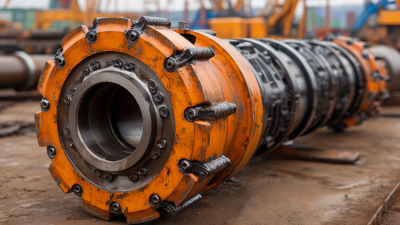
Picking the right Mud Pump Bearing is a pretty big deal when it comes to keeping drilling operations running smoothly. I came across a report by MarketWatch that expects the global mud pump market to hit around $3.2 billion by 2025. That really shows just how important it is to use quality parts like bearings to avoid hiccups and keep costs down.

John Smith, who’s pretty much a go-to guy in the mud pump world, once said, "High-quality bearings are basically the backbone of a reliable mud pump." That really paints the picture—it’s all about choosing the right bearing for your specific needs. Skimping on quality can lead to more downtime and messy operational issues. But if you get a good Mud Pump Bearing, it can seriously boost performance and save you a ton on maintenance in the long run.

In this fast-moving industry, it’s crucial to understand what makes a good Mud Pump Bearing tick. Things like how much load it can handle, how resistant it is to wear, and what kind of lubrication it needs are all super important. Ignoring these details could spell trouble. Taking the time to get these factors right will help keep your drilling runs smooth, safe, and as efficient as possible—with fewer surprises along the way.
Why Choose the Right Mud Pump Bearing for Your Needs?

Understanding Mud Pumps and Their Importance in Drilling

Why Choose the Right Mud Pump Bearing for Your Needs?

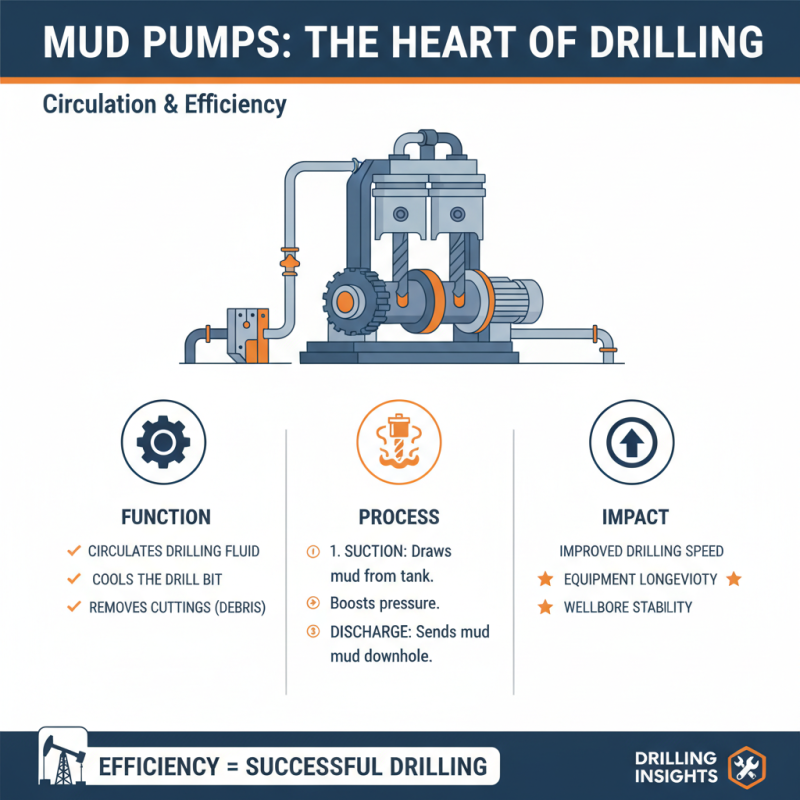
Mud pumps play a pivotal role in the drilling industry. These pumps circulate drilling fluid, also known as mud, through the drill bit to cool it and remove debris. The efficiency of mud pumps directly affects the overall success of a drilling operation. Understanding how mud pumps work is essential for anyone involved in drilling projects.

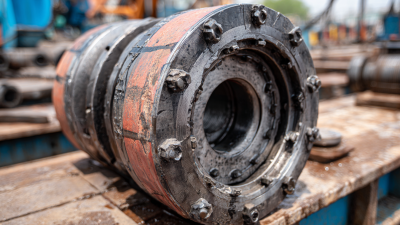
Choosing the right components, like the Gear Pump Bearing, is crucial for the pump's performance. Bearings endure intense conditions and must withstand high pressures. A faulty bearing can lead to pump failure, resulting in downtime and increased costs. The selection requires knowledge about the specific operational environment.

Many operators overlook the impact of bearings or choose based on price alone. This approach can be risky. High-quality bearings may have a higher upfront cost, but they often lead to long-term savings. Investing in the right bearing ensures your mud pump runs smoothly and efficiently. Reflecting on past experiences can help guide better decisions in the future.

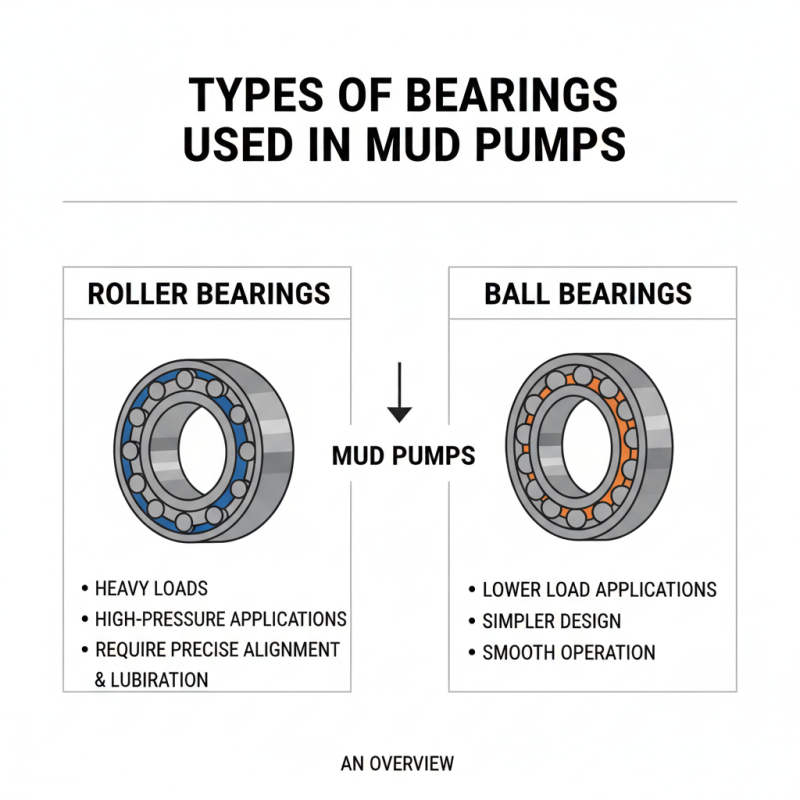
Types of Bearings Used in Mud Pumps: An Overview

Why Choose the Right Mud Pump Bearing for Your Needs?

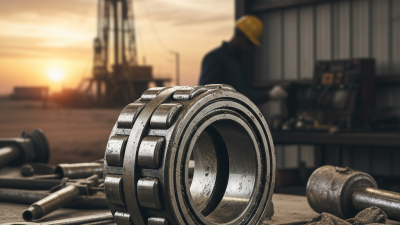
When selecting bearings for mud pumps, understanding the types is crucial. There are generally two main categories: roller bearings and ball bearings. Roller bearings can carry heavy loads, making them suitable for high-pressure applications. They provide strength and robustness but require precise alignment and lubrication. Conversely, ball bearings have a simpler design. They are ideal for lower load applications and offer smooth operation.

Choosing the right type can affect pump efficiency. For example, some pumps need durable bearings due to harsh operating conditions. If the bearing fails, it may lead to costly downtimes. It's essential to consider the environment where the pump operates. Dust and mud exposure can wear out bearings quickly. Regular maintenance can mitigate these risks, but not all facilities invest the necessary time.

Not every application fits a single bearing type. Sometimes, decisions must weigh between cost and performance. Inadequate research may lead to suboptimal choices. This can trap operators in a cycle of frequent repairs. Reflecting on past experiences can guide future decisions, ultimately improving the pump's lifespan and efficiency.

Factors to Consider When Choosing Mud Pump Bearings

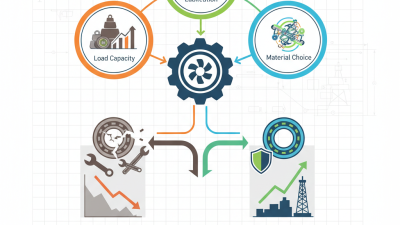
Choosing the right mud pump bearing is crucial for optimal performance. Various factors influence this decision. One key aspect is the load capacity, which directly affects the pump's efficiency. Engineers often overlook this, leading to premature failures. Ensuring that the bearing can handle expected loads will extend its lifespan.

Material selection plays another vital role. Bearings made from high-quality materials can resist corrosion and wear. This durability is imperative in harsh environments, yet not all manufacturers provide reliable options. Conducting thorough research is essential to identify trustworthy sources.

Operating temperature is also a significant consideration. Bearings must maintain performance across a range of temperatures. Some may fail under extreme heat or cold. This inconsistency can disrupt operations and lead to costly downtime. Understanding the specific demands of your application will guide you in making a more informed choice.

Why Choose the Right Mud Pump Bearing for Your Needs? - Factors to Consider When Choosing Mud Pump Bearings

Bearing Type Load Rating (kN) Speed (RPM) Material Seal Type Operating Temperature (°C)
Single Row Ball Bearing 25 3000 Steel Rubber -20 to 100
Double Row Angular Contact Bearing 35 2500 Ceramic Metal Shield -20 to 150
Self-Aligning Ball Bearing 30 2000 Stainless Steel Labyrinth -20 to 120
Thrust Ball Bearing 40 1500 Aluminum Touch Seal -10 to 130

The Role of Material Selection in Bearing Performance

The selection of materials for mud pump bearings significantly affects their performance and durability. Using high-quality materials can lead to improved resistance to wear and corrosion. For instance, a report from the Society of Tribologists and Lubrication Engineers indicates that bearings made from stainless steel often outperform those made from standard alloy steels in harsh environments. This is crucial for applications where durability is non-negotiable.

Piston Pump Bearings are particularly notable in this context. Their manufacturing materials need to withstand extreme pressures and temperatures. A study published by the American Society of Mechanical Engineers reveals that the right material can enhance bearing life by up to 30%. Engineers often face challenges when rating materials for specific applications. The complexity of environmental factors and operational loads makes decision-making critical. A common pitfall is the assumption that all materials perform similarly under pressure. Recognizing variances in material strength and compatibility with lubricants is essential for optimal performance.

In many cases, industry experts emphasize the importance of specific coatings or treatments, which can further improve lifespan. However, applying coatings requires careful consideration of the intended application. Not all environments are suitable for every type of coating. The decision to use a specific material must also align with budget constraints and maintenance requirements. Ultimately, a thoughtful approach to material selection will yield the best results for mud pump bearings.

Maintenance Tips for Prolonging Mud Pump Bearing Life

Selecting the right mud pump bearing is crucial for efficiency. Maintaining these bearings ensures your operation runs smoothly. According to industry reports, over 30% of equipment failures stem from inadequate bearing maintenance. To prolong the life of mud pump bearings, consider these maintenance tips.

Regular lubrication is key. Ensure that the lubrication points are easily accessible. Use quality lubricants tailored for mud pump applications. Replace the grease at recommended intervals. Keeping an eye on temperature is important. If the bearing runs hotter than usual, inspect for contamination or inadequate lubrication. This could save you from costly breakdowns.

Inspect mud pump bearings frequently. Look for signs of wear, such as discoloration or unusual noise. Replace bearings that show any signs of damage. Proper alignment is also essential. Misalignment can lead to premature failure. If using a Cam Rotor Pump Bearing, ensure precise installation to minimize wear. Regular inspections and precise maintenance can significantly extend bearing life, reducing downtime and increasing productivity.

Common Problems with Mud Pump Bearings and Solutions

Mud pump bearings are vital components in the drilling industry. They often face several recurring problems that can lead to costly downtime. One of the most common issues is premature wear. Studies indicate that nearly 30% of mud pump failures result from inadequate lubrication and contaminants. Proper maintenance practices can help mitigate these issues. Regular inspections and the use of high-quality lubricants are crucial.

Another prevalent problem involves overheating. Overheating can damage bearings and lead to drastic failures. Research shows that 40% of bearing failures are attributed to thermal fatigue. Implementing better cooling systems and ensuring optimal operating conditions are essential. This can dramatically extend the lifespan of the bearings and reduce operational costs.

Vibration issues also plague mud pump operations. Excessive vibrations are often a signal of misalignment. Approximately 25% of pump repairs stem from misalignment-induced vibration problems. Regular alignment checks can help ensure smooth operation. Adjustments, however, may require a skilled technician to minimize errors. Addressing these issues will not only enhance performance but also improve overall efficiency in mud pump operations.

Cost vs. Quality: Making the Right Choice in Bearing Selection

When selecting a bearing for mud pumps, the debate between cost and quality often arises. Many operators opt for lower-cost options to save upfront. However, industry statistics show that these choices can lead to higher downtime and maintenance costs. Studies indicate that 30% of equipment failures are attributed to inadequate bearing performance. Investing in higher-quality bearings can ultimately reduce total operating costs over time.

The importance of choosing the right Hydraulic Pump Bearing cannot be overstated. Bearings that are manufactured using superior materials tend to have longer lifespans. For instance, bearings made from high-grade steel show a 15% increase in durability compared to their cheaper counterparts. While initial price points can be daunting, the long-term savings are evident. A well-chosen bearing can save thousands in repair costs and extend the life of your equipment.

Furthermore, the application requirements play a critical role in bearing selection. Not all bearings are created equal; their specifications must meet the operational demands of the mud pump. Neglecting this can lead to frequent breakdowns. Thus, it’s crucial to weigh the benefits of quality against immediate expenses. Consider all aspects before making a decision.

Cost vs. Quality in Mud Pump Bearings

This chart illustrates the performance scores of mud pump bearings across three categories: Low Cost, Mid Range, and High Quality. The data shows a clear correlation between the cost of bearings and their performance, emphasizing the importance of selecting the right bearing for your needs.

FAQS

: Why is material selection important for bearing performance?

: Material selection significantly influences bearing performance and durability. High-quality materials enhance resistance to wear and corrosion.

What materials are commonly used for mud pump bearings?

Stainless steel is often preferred for its superior performance in harsh environments over standard alloy steels.

How can the right material affect bearing life?

The right material can enhance bearing life by up to 30%, especially under extreme pressures and temperatures.

What challenges do engineers face when selecting materials?

Engineers struggle with various environmental factors and operational loads. Misjudging material performance under pressure is common.

Why are coatings or treatments important for bearings?

Specific coatings can improve lifespan, but their suitability varies by environment. Not all coatings fit every application.

How should cost be considered in bearing selection?

Opting for cheaper bearings may reduce upfront costs but lead to higher downtime and maintenance expenses over time.

What statistics highlight the risks of inadequate bearing performance?

Around 30% of equipment failures stem from insufficient bearing performance, emphasizing the need for quality selection.

How does operational demand influence bearing choice?

Bearings must meet specific operational demands. Neglecting these can result in frequent equipment breakdowns.

What long-term benefits come from investing in quality bearings?

Higher-quality bearings tend to last longer, potentially saving thousands in repair costs and extending equipment life.

What should one consider before choosing a bearing?

Weigh quality benefits against costs. Reflect on material specifications and the application requirements before making a decision.

Conclusion

Choosing the right Mud Pump Bearing is crucial for the efficiency and longevity of drilling operations. Understanding the function and importance of mud pumps helps in selecting appropriate bearings, as different types provide varying levels of performance. When choosing a Mud Pump Bearing, factors such as load capacity, operational environment, and compatibility with the pump materials should be considered. Material selection plays a significant role in bearing performance, influencing factors like durability and wear resistance.

To ensure a long service life for Mud Pump Bearings, proper maintenance is essential. Regular inspections and lubrication can prevent common issues that may arise, such as overheating or wear. Balancing cost and quality is also key in bearing selection; investing in high-quality bearings can save costs in the long run by reducing failures and maintenance requirements. Understanding these aspects helps in making informed decisions that enhance drilling efficiency and operational effectiveness.
Lila

Lila

Lila is a dedicated marketing professional at WD Bearings, where her expertise plays a crucial role in showcasing the company's robust offerings across various industries, including material handling, agriculture, construction, pumps and compressors, gearboxes, and electric motors. With a profound......
Previous Top Cylindrical Bearing Rollers for Global Buyers Seeking Quality?