In the tough world of drilling, choosing the right Mud Pump Bearing is a pretty big deal if you want your equipment to run smoothly and stay reliable. Did you know that the global market for mud pumps is projected to hit aroundUSD 4 billion by 2025? Yeah, that’s according to Grand View Research — shows just how much people need better, more efficient drilling solutions, whether it's for construction, agriculture, or other industries.  WD Bearing Group is really leading the charge here, providing top-notch bearings that are customized to fit the needs of OEMs. They’re constantly investing in the latest machining tech and cutting-edge software, plus they’ve got a team of experts who really know their stuff. Thanks to that, their products are built to last and perform like crazy. This guide is here to help you figure out how to choose the right mud pump bearing for your drilling projects, so you can boost your efficiency and keep your equipment in great shape.
Understanding the Essential Functions of Mud Pump Bearings in Drilling
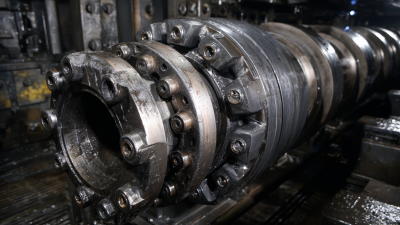
Mud pump bearings might not be the flashiest part of drilling, but let me tell you, they’re pretty much the unsung heroes behind smooth operations. These little guys support the rotating bits of the pump, helping to cut down on friction and wear and tear as things run. When everything’s working right, a good bearing keeps the mud pump humming along smoothly, which is super important for steady drilling and avoiding unnecessary stoppages. And yeah, keeping them well-lubricated is key – it keeps things cool, reduces heat buildup, and helps those bearings last longer, making the whole process more efficient.
Choosing the right mud pump bearing isn’t just a toss-up, though. There are a bunch of things to think about — like how much load they need to handle, what materials they’re made from, and the rough conditions down there in the field. Drilling environments can be pretty tough — high pressure, abrasive mud, you name it — so bearings have to be tough enough to handle all that. Understanding what’s needed helps engineers pick the best fit for their specific setup. When that’s done right, it boosts the reliability of the mud pumps and keeps the drilling job running smoothly. At the end of the day, it all adds up to better results for the project.
Key Factors to Consider When Selecting Mud Pump Bearings
When you're picking out mud pump bearings for drilling, there are a few key things you really want to keep in mind to make sure they perform well and last a good long time. For starters, the load-bearing capacity is a big deal. The American Petroleum Institute (API) recommends that these bearings should handle heavy axial and radial loads that come with drilling — we're talking often over 60,000 pounds. It’s also worth considering the material of the bearings; options like ceramic or high-performance plastics can make a huge difference in tough conditions, boosting durability when it counts.
Another thing to watch out for is the operating temperature. Industry reports have shown that bearings exposed to higher temps tend to wear out faster, which can lead to early failures. So, it’s smart to go with bearings that can handle temperatures above 200°F—that way, you won’t have to worry so much about them breaking down when the environment gets really intense.
A few tips? Always double-check the manufacturer’s specs to make sure the bearings will suit your specific mud pump model. And don’t forget, regular maintenance and inspections can really extend the life of your bearings, saving you time and money down the line. Investing in high-quality bearings that are suited to your drilling conditions isn’t just a good idea — it’s a game changer for keeping everything running smoothly and reliably during the whole drilling process.
Different Types of Mud Pump Bearings and Their Applications
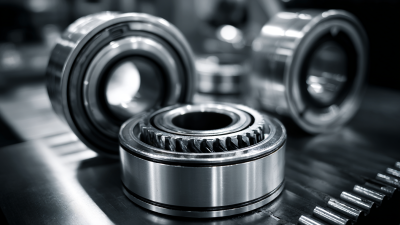
When it comes to drilling, choosing the right mud pump bearing is pretty important if you want things to run smoothly and last longer. There are actually a bunch of different types of mud pump bearings out there, each suited for specific jobs. For example, roller bearings are super common in heavy-duty drilling because they handle high radial loads like a champ. They can support a lot of weight without creating too much friction, which makes them a go-to choice for many mud pump setups.
On the flip side, ball bearings are typically used when precision and speed matter most. They’re great when you need high rotational speeds, but they usually can’t handle as much radial load as roller bearings. So, you’ll mostly see them in lighter-duty mud pumps or situations where efficiency and controlling temperature are really important. There are also specialized bearings like tapered roller bearings that can manage both axial and radial loads, making them pretty versatile for more complex drilling rigs. Overall, understanding which bearing is right for which application can really help operators boost drilling performance and cut down on maintenance costs — it’s all about making smarter choices based on what you need.
Comparing Performance: Open vs. Sealed Mud Pump Bearings
When you're trying to pick the right mud pump bearing for drilling, it’s pretty important to understand the difference between open and sealed bearings. Open bearings are easier to maintain and cool, no doubt about that. But on the flip side, they can be more vulnerable to dirt, drilling fluids, and all that environmental stuff kicking around. Sealed bearings, however, do a better job at keeping out contaminants, and because of that, they tend to last longer in tough conditions. In fact, industry reports suggest sealed ones can last about 20-30% longer than open bearings—definitely making them the go-to for heavy-duty drilling jobs.
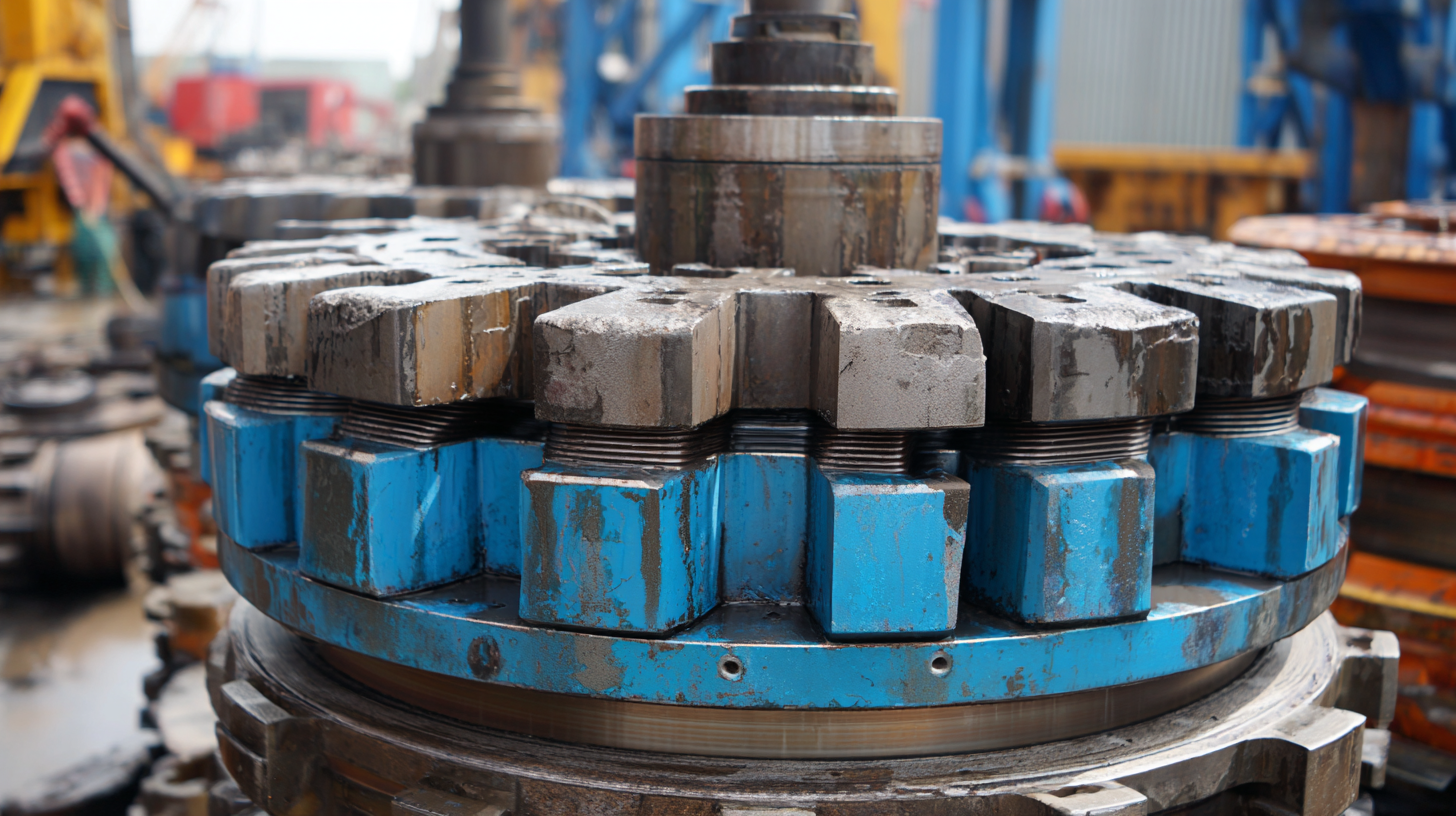
Performance-wise, sealed bearings are pretty impressive—they hold up well even under super high pressures and extreme temperatures, especially when using fancy drilling fluids. Speaking of advancements, the use of innovative materials like green-synthesized zinc oxide nanoparticles has shown some cool results, boosting the lubricating qualities of water-based mud systems. All these upgrades not only make the drilling process smoother but really highlight how choosing the right bearing type can make a big difference in how efficient and cost-effective your operation can be. So yeah, picking the right bearing isn’t just about what's easier—it’s about long-term performance and saving some bucks in the process.
Maintenance Tips for Longevity of Mud Pump Bearings
Taking good care of mud pump bearings is super important if you want them to last and perform well during drilling. Honestly, making it a habit to check them regularly is key — you wanna catch any issues early on. Keep an eye out for things like unusual noises, vibrations, or if there's too much play in the parts. The sooner you notice and fix these little problems, the better — otherwise, you might end up with pricey repairs or, worse, downtime that delays the whole operation.
And don’t forget about lubrication — it’s pretty much the heartbeat of these bearings. Using the right lubricant as recommended by the manufacturer, and sticking to the reapplication schedule is a must. Also, double-check that your lubrication system is working properly because not enough lubrication can really cut down the bearing’s lifespan. Oh, and keeping the area clean and free of dirt or debris is a big help, too. Contaminants sneaking in can mess things up, especially in the tough drilling environment, so it’s worth staying on top of it.
Ultimate Guide to Choosing the Right Mud Pump Bearing for Your Drilling Needs - Maintenance Tips for Longevity of Mud Pump Bearings
| Bearing Type | Load Rating (kN) | Material | Temperature Range (°C) | Maintenance Interval (Hours) | Estimated Lifespan (Years) |
| Single Row Ball Bearing | 15.0 | Chrome Steel | -20 to 120 | 500 | 5 |
| Tapered Roller Bearing | 20.0 | Steel-Alloy | -30 to 150 | 600 | 6 |
| Spherical Roller Bearing | 30.0 | Cylindrical Steel | -40 to 130 | 800 | 7 |
| Deep Groove Ball Bearing | 10.0 | Stainless Steel | -20 to 100 | 300 | 4 |
|
Angular Contact Bearing | 25.0 | Special Alloy | -30 to 160 | 400 | 5 |
Common Issues and Solutions for Mud Pump Bearing Failures
Mud pump bearings might not be the most glamorous part of drilling, but trust me, they’re absolutely crucial. If they fail, it can cause major downtime and, of course, spike your costs. The folks over at the International Association of Drilling Contractors (IADC) say that almost 30% of unexpected maintenance on mud pumps is due to bearing issues. And if you're wondering what usually causes these problems, it’s often stuff like not enough lubrication, misalignment, or contamination — all pretty common, but serious if ignored. Bad lubrication especially is a killer; a study from the Society of Petroleum Engineers (SPE) found that using poor lubrication can cut the bearing’s lifespan in half. That’s pretty eye-opening, right?
To avoid these headaches, it’s a good idea to stick to a regular maintenance routine. Using top-notch lubricants specifically designed for mud pumps can really make a difference and help your bearings last longer. Also, don’t forget routine checks — especially with laser alignment tools — to catch any misalignments early on before they turn into big problems. The American Petroleum Institute (API) actually highlights that tackling these issues head-on can cut downtime by about 20%, which is a huge boost to the overall efficiency of your drilling. Bottom line? Knowing what causes these issues and how to fix them can save you a lot of frustration and money down the line.
FAQS
: Mud pump bearings support the rotating parts of the pump, reducing friction and wear, which ensures smooth operation and consistent drilling performance.
Proper lubrication minimizes heat generation and prolongs the lifespan of the bearings, contributing to overall operational efficiency in drilling activities.
Key factors include load capacity, material composition, and operating temperature range to ensure optimal performance and longevity under harsh drilling conditions.
Mud pump bearings should be rated to withstand heavy axial and radial loads, typically exceeding 60,000 pounds as per the American Petroleum Institute (API) standards.
It is advisable to select bearings that can operate effectively at temperatures surpassing 200°F to prevent degradation and premature failures.
Regular inspections can identify early signs of wear or damage, while proper lubrication and cleanliness can prevent contaminants from entering the bearings, significantly prolonging their lifespan.
Irregularities like excessive play, unusual noises, or vibrations should be addressed promptly to prevent further damage or costly repairs.
Using manufacturer-recommended lubricants and adhering to specified reapplication intervals ensures that the bearings receive the appropriate care, enhancing their performance and durability.
Materials such as ceramic or high-performance polymers are recommended for enhanced durability under extreme drilling conditions.
Investing in high-quality bearings tailored to specific drilling conditions results in improved efficiency and reliability throughout the drilling process, minimizing downtime and operational costs.
Conclusion
Looking for the ultimate guide on picking the right mud pump bearing for your drilling projects? Well, you've come to the right place. This guide dives into why these bearings are so important—they're key players in keeping your drilling operation smooth and efficient. Basically, they support loads and help cut down friction, which is super important for good mud circulation. We also go over what you should think about when choosing a bearing—things like how much weight it needs to handle, what materials work best together, and the conditions you're dealing with out there.
Plus, we break down the different types of mud pump bearings out there—exploring what makes open bearings different from sealed ones, and which might be better for specific jobs. You'll also find handy maintenance tips to help your bearings last longer and some advice on troubleshooting common issues. Whether you're in construction, manufacturing, or just into pumps in general, this guide is packed with useful info. And of course, WD Bearing Group is here to support you with top-notch, high-quality mud pump bearings made to fit your exact drilling needs—because, let’s be honest, having reliable parts makes all the difference.