Leave Your Message
0%

When you're thinking about keeping your vehicle running smoothly, there's one tiny but important part you might overlook — the Differential Bearing. This little component is actually pretty crucial because it helps transfer power from the driveshaft to the wheels, making turns feel seamless and acceleration much smoother. That being said, with so many options out there, picking the right differential bearing can feel pretty overwhelming—whether you're a car enthusiast or just someone trying to get the job done.

By 2025, knowing what to look for—like specs and how each bearing fits your specific needs—will be super helpful in making a smart choice. Things like load capacity, what materials it’s made of, and the design details really matter in how well it performs and how long it lasts. Plus, you gotta make sure it works with your particular vehicle model and driving style. This guide’s here to give you some useful tips on picking out the right differential bearing — so your car runs reliably and efficiently for the long haul. Whether you’re swapping out an old, worn-out one or just want to upgrade for better performance, making the right call is key to keeping everything running smoothly.
2025 How to Choose the Right Differential Bearing for Your Vehicle

Understanding Differential Bearings: Types and Functions

2025 How to Choose the Right Differential Bearing for Your Vehicle

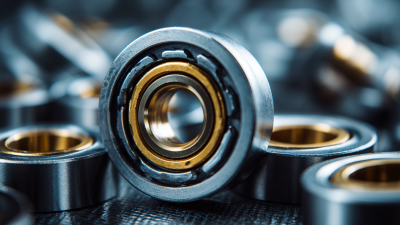
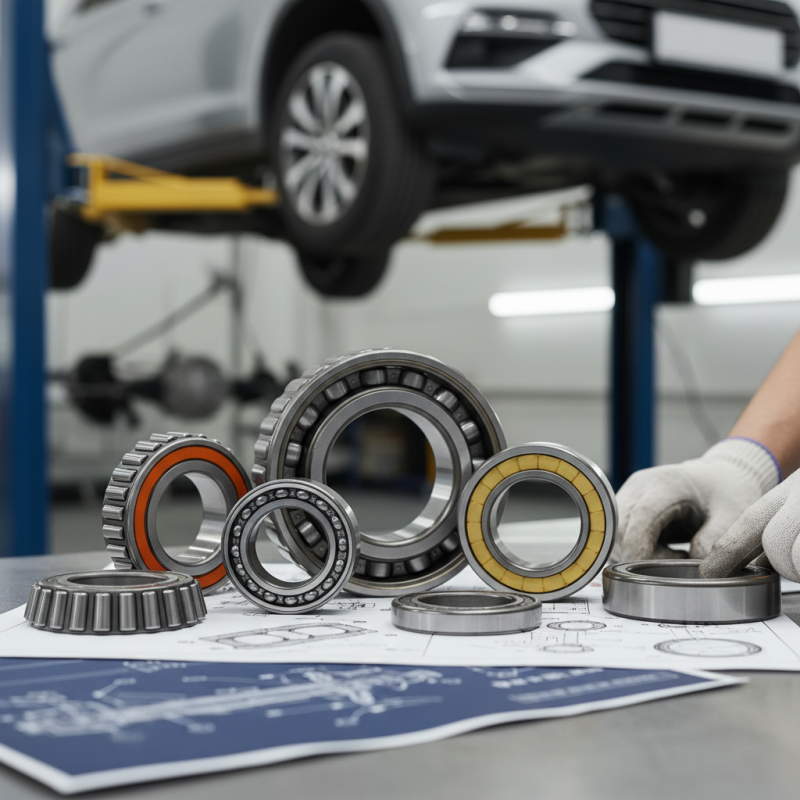
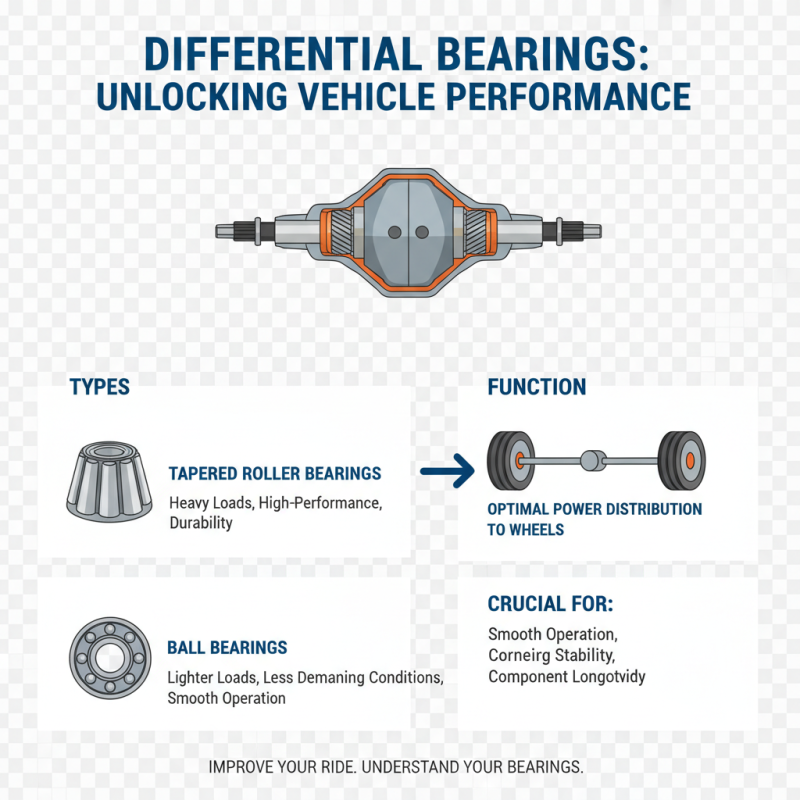
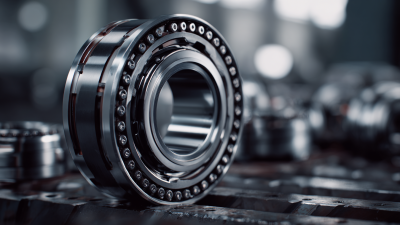
Differential bearings are crucial components in a vehicle’s drivetrain, ensuring smooth operation and optimal power distribution to the wheels. Understanding the types and functions of these bearings can significantly influence the performance and longevity of your vehicle. There are typically two major types of differential bearings: tapered roller bearings and ball bearings. Tapered roller bearings are designed to handle heavy loads and are excellent for high-performance applications, while ball bearings are more suited for lighter loads and less demanding conditions.

When selecting differential bearings, consider the specific requirements of your vehicle, including the weight, expected performance, and driving conditions. It’s vital to ensure that the bearing you choose matches the specifications of your differential to maintain effectiveness and safety.

Tips: Always inspect the condition of your current bearings before replacement, looking for signs of wear or damage. Contacting a professional mechanic for advice can help you make an informed decision. Additionally, ensure proper lubrication during installation, as this contributes significantly to the longevity of differential bearings.

Key Factors to Consider When Choosing a Differential Bearing

2025 How to Choose the Right Differential Bearing for Your Vehicle

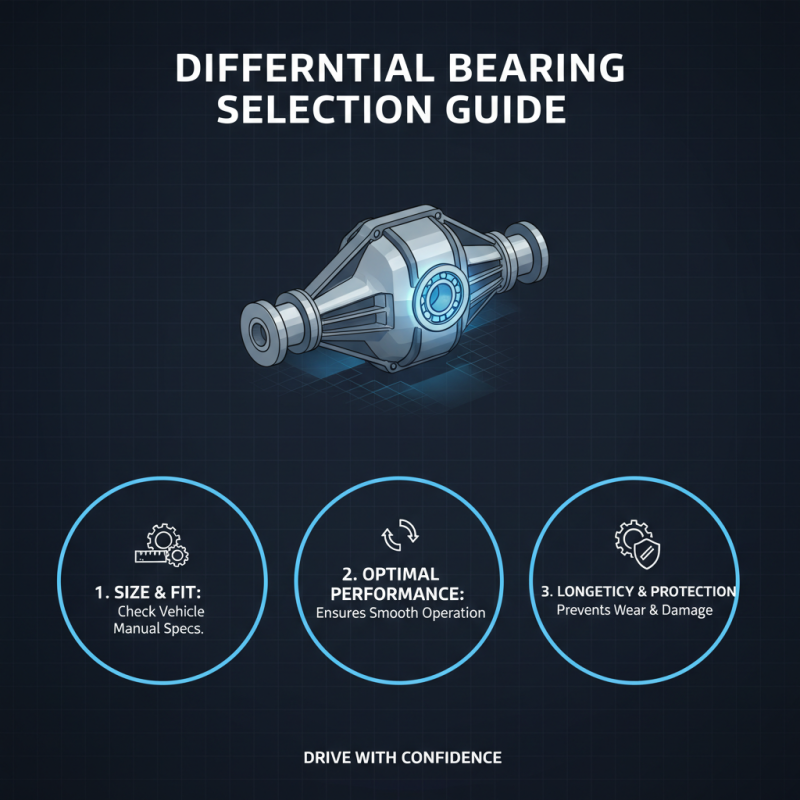
When choosing a differential bearing for your vehicle, several key factors should be taken into account to ensure optimal performance and longevity. Firstly, the size and fit of the bearing are crucial. It’s essential to verify the specifications provided in your vehicle’s service manual, as different models may require unique sizes or types of bearings. Ensuring a perfect fit not only allows for smooth operation but also prevents premature wear and potential damage to surrounding components.

Another vital factor is the bearing material and design. Bearings come in various materials, such as steel or ceramic, each offering distinct advantages in terms of durability and heat resistance. Selecting a high-quality bearing designed to withstand the specific loads and stresses faced by your vehicle can greatly enhance reliability. Additionally, consider the type of lubrication used in the bearing; proper lubrication reduces friction and heat, promoting extended service life. Evaluating these aspects will contribute significantly to the overall effectiveness of your vehicle's differential system.

Compatibility Considerations for Your Vehicle’s Differential System

When selecting the right differential bearing for your vehicle, understanding compatibility with your differential system is critical. According to a report from the Automotive Engineering Society, around 35% of vehicle failures related to drivetrain issues stem from inadequate bearing selection or installation. This high percentage underscores the importance of ensuring that the bearings you choose align perfectly with the specifications of your vehicle’s differential system. Factors such as the bearing size, load ratings, and material properties need to be meticulously matched to the manufacturer’s recommendations to avoid premature wear or catastrophic failure.

Additionally, compatibility extends beyond just size and specifications; it also involves understanding the type of differential system in your vehicle. Various differential types, such as open, limited-slip, or locking differentials, place unique stresses on bearings. A report from the Society of Automotive Engineers indicates that mismatched bearings can lead to a 50% increase in maintenance costs over the vehicle's lifespan. Hence, it's vital to analyze the operational environment and expected load conditions of your differential system. By paying attention to these compatibility considerations, vehicle owners can ensure optimal performance and longevity of their drivetrain components.

The Role of Load Rating in Differential Bearing Selection

When selecting a differential bearing for your vehicle, understanding the load rating is crucial. Load ratings, which are usually specified in terms of dynamic and static load capacities, indicate the maximum loads the bearing can endure during its operation. According to the American Bearing Manufacturers Association (ABMA), a bearing's dynamic load rating is typically more critical for applications involving continuous movement, while the static load rating is essential for stationary loads. For differential applications, the dynamic load rating must account for the weight of the vehicle and the forces experienced during acceleration, cornering, and braking.

Failing to choose bearings with appropriate load ratings can lead to premature wear and potential failure of the differential system. A study conducted by the Journal of Mechanical Design highlights that selecting bearings with inadequate load ratings can reduce their lifespan by up to 50%. It's essential to refer to the manufacturer's specifications and consider factors such as vehicle weight, driving conditions, and expected loads when making your selection. Proper load rating assessment ensures that the differential operates efficiently and reliably, ultimately enhancing the vehicle's overall performance.

Material Differences: Choosing the Right Bearing for Performance

When selecting the right differential bearing for your vehicle, one of the most critical factors to consider is the material from which the bearing is made. Different materials exhibit varying levels of strength, resistance to wear, and temperature tolerance, all of which play a significant role in the performance of your vehicle. For instance, high-carbon steel is commonly used for its durability and ability to withstand heavy loads. However, for applications where weight is a concern or where reduced friction is paramount, ceramic or composite materials may be preferable due to their lightweight properties and exceptional temperature resistance.

Another important aspect of material selection is the environment in which the vehicle operates. Bearings used in off-road or extreme conditions should ideally be made from materials that offer excellent corrosion resistance, such as stainless steel or specialized coatings that provide additional protection against environmental factors. Additionally, bearings designed for high-performance racing applications might utilize advanced materials that can handle the intense pressures and rapid temperature changes associated with competitive driving. By understanding these material differences and their implications on performance, you can make a more informed choice that aligns with your vehicle's specific requirements and your driving style.

2025 How to Choose the Right Differential Bearing for Your Vehicle

This chart presents the performance ratings of different differential bearing materials, providing insights into their suitability for various vehicle applications. Steel bearings offer solid performance, while ceramic materials excel in durability. Polymer bearings provide lightweight options, and hybrid bearings offer a balanced performance.

Signs of Wear: Knowing When to Replace Your Differential Bearing

Differential bearings play a crucial role in the smooth operation of your vehicle, and recognizing the signs of wear can save you from significant mechanical issues down the road. One of the most common indicators that a differential bearing needs replacement is an unusual noise coming from the rear end of the vehicle. If you hear a grinding or whirring sound, especially during turns or acceleration, it may signal that the bearings are failing. Additionally, vibrations felt in the vehicle while driving can indicate that the differential bearings are not functioning properly, leading to an uneven distribution of power and torque.

Another critical symptom to look out for is fluid leakage from the differential, which can cause the bearings to operate without proper lubrication, leading to excessive wear. If you notice puddles or spots of oil beneath your vehicle, it is essential to inspect the differential seals and bearings. Regular inspection of the differential housing for signs of wear, such as worn gears or metal shavings in the fluid, can also provide insight into the condition of your bearings. Keeping an eye out for these signs will help ensure that your vehicle remains in optimal condition and that potential problems are addressed before they escalate.

Tips for Installation and Maintenance of Differential Bearings

When it comes to the installation of differential bearings, precision and proper techniques are paramount. Start by ensuring that all components are clean and free of debris to prevent any contamination that could harm the bearings. It is advisable to use a suitable lubricant during the installation process to allow for smooth operation and to protect the bearing surfaces. Furthermore, always follow the manufacturer's specifications regarding torque settings to ensure that the bearings are tightened correctly. This precaution helps to avoid premature wear and potential failure of the bearing.

Maintaining differential bearings is equally crucial for the longevity and performance of your vehicle. Regular inspection should be part of your maintenance routine. Look for any signs of wear or damage, such as unusual noises or vibrations while driving, which could indicate that the bearings need replacement. Additionally, ensure that the differential housing is sealed correctly to keep contaminants out and prevent lubrication loss. Periodically check the lubricant levels and change the fluid as recommended, to ensure optimal lubrication and cooling of the bearings. Following these installation and maintenance tips will contribute to the durability and reliability of your vehicle’s differential system.

2025 How to Choose the Right Differential Bearing for Your Vehicle - Tips for Installation and Maintenance of Differential Bearings

Bearing Type Load Capacity (lbs) Material Recommended Lubricant Installation Difficulty (1-5) Maintenance Frequency (months)
Tapered Roller Bearing 1500 Steel Lithium Grease 3 12
Ball Bearing 800 Chrome Steel Synthetic Oil 2 6
Cylindrical Roller Bearing 1200 Alloy Steel High-Performance Grease 4 10
Spherical Roller Bearing 1800 Carbon Steel Multi-Purpose Grease 5 8

FAQS

: What factors should I consider when selecting differential bearings for my vehicle?

: It's important to consider compatibility with your differential system, including bearing size, load ratings, and material properties, ensuring they align with the manufacturer's recommendations.

How does the type of differential system affect bearing selection?

Different differential types, such as open, limited-slip, or locking differentials, place unique stresses on bearings, making it essential to analyze the specific requirements of your differential system.

What are the potential consequences of using mismatched bearings in a differential system?

Mismatched bearings can lead to premature wear, catastrophic failure, and a significant increase in maintenance costs, potentially up to 50% over the lifespan of the vehicle.

Why is material selection important when choosing differential bearings?

The material affects strength, wear resistance, and temperature tolerance, impacting the overall performance of your vehicle under varying operational conditions.

What materials are commonly used for differential bearings, and when should they be chosen?

High-carbon steel is often used for durability under heavy loads, while ceramic or composite materials may be chosen for applications where weight and reduced friction are critical.

How can environmental factors influence my choice of differential bearings?

If operating in off-road or extreme conditions, it's advisable to select bearings made from corrosion-resistant materials, such as stainless steel or those with protective coatings.

What are the warning signs that differential bearings need to be replaced?

Common indicators include unusual noises (grinding or whirring) from the rear end, vibrations during driving, and fluid leaks from the differential.

How can fluid leakage affect the performance of differential bearings?

Fluid leakage can lead to insufficient lubrication, causing excessive wear on the bearings and potentially resulting in mechanical failure.

What are some key maintenance practices for monitoring differential bearings?

Regular inspection of the differential housing for wear signs, including worn gears or metal shavings, can provide important insight into the bearings' condition.

Why is it essential to address potential issues with differential bearings early?

Early detection of wear or damage can prevent larger mechanical problems, ensuring your vehicle operates smoothly and reducing the likelihood of costly repairs.

Conclusion

Selecting the right differential bearing is crucial for ensuring the optimal performance and longevity of your vehicle's differential system. Understanding the various types and functions of differential bearings is the first step, as it allows you to assess which type best matches your vehicle's needs. Key factors to consider include load rating, compatibility with your vehicle, and material differences, all of which play a significant role in the bearing's performance under various conditions.

Recognizing the signs of wear is also essential in maintaining your differential bearing, as timely replacement can prevent further damage and costly repairs. Additionally, proper installation and maintenance practices can enhance the lifespan of your differential bearings, ensuring reliable operation for years to come. With careful consideration of these factors, you can confidently choose the right differential bearing for your vehicle.
Lila

Lila

Lila is a dedicated marketing professional at WD Bearings, where her expertise plays a crucial role in showcasing the company's robust offerings across various industries, including material handling, agriculture, construction, pumps and compressors, gearboxes, and electric motors. With a profound......
Previous Unlocking the Advantages of Best Hydraulic Pump Bearings for Enhanced Operational Efficiency