In today's industrial world, picking the right components for your machinery is more important than ever if you want things to run smoothly and last longer. Among these parts, the Acbb Bearing really makes a difference—impacting everything from how efficiently your equipment works to how much you end up spending on maintenance. But honestly, choosing the right Acbb Bearing can feel pretty overwhelming with all the options out there and the specific needs of each application.
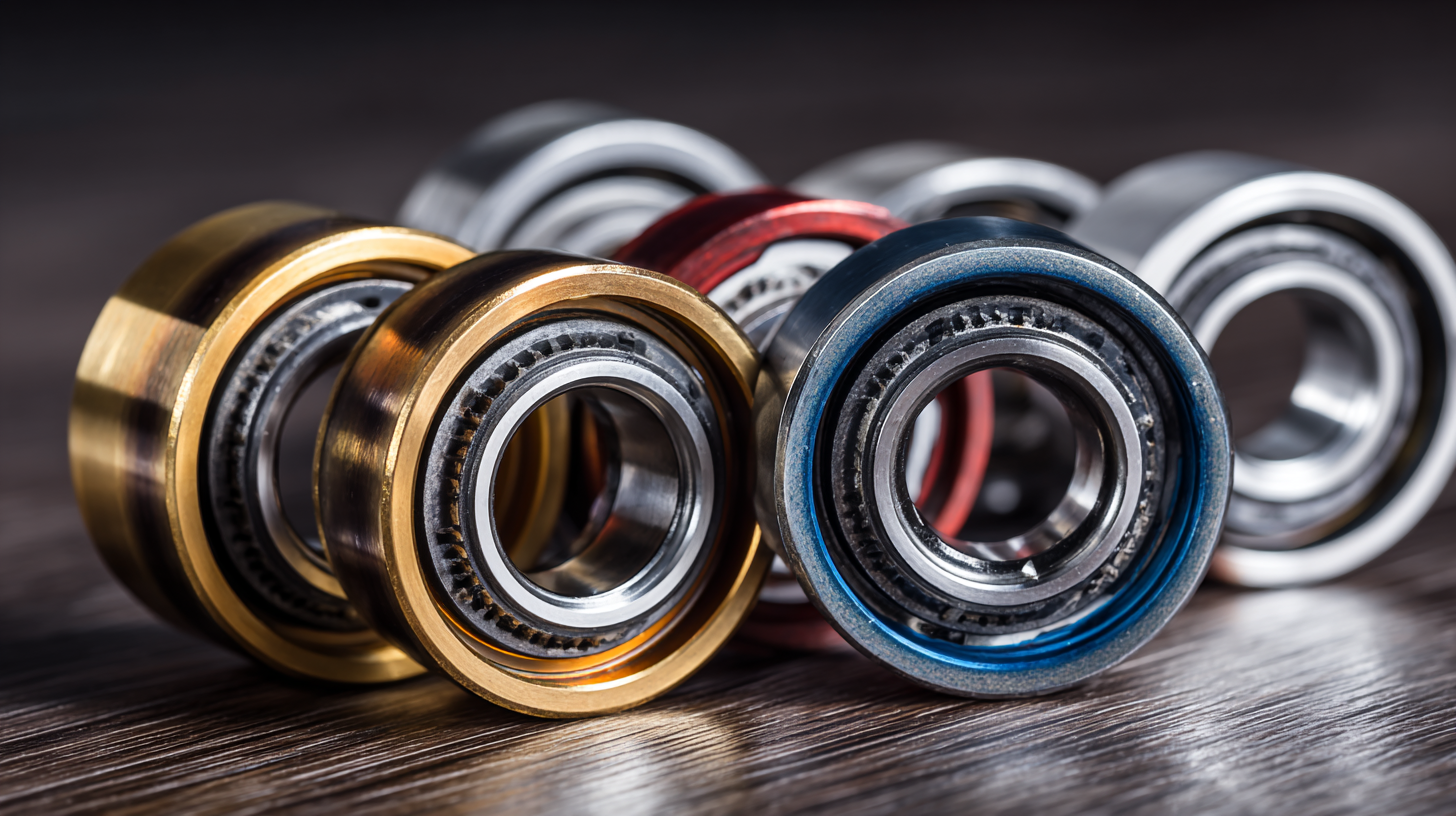
At WD Bearing Group, we totally get how tricky this can be. We supply bearings to OEMs across all kinds of industries—think material handling, agriculture, construction, and more. Thanks to our focus on innovation, along with top-notch machinery and a talented team, we’re proud to be a trusted partner in helping you find the perfect bearing. This guide’s here to walk you through the key things to consider when picking out the right Acbb Bearing for your industrial setup. Our goal? Help you make smarter, more confident decisions for your operations.
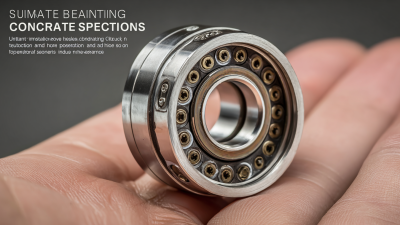
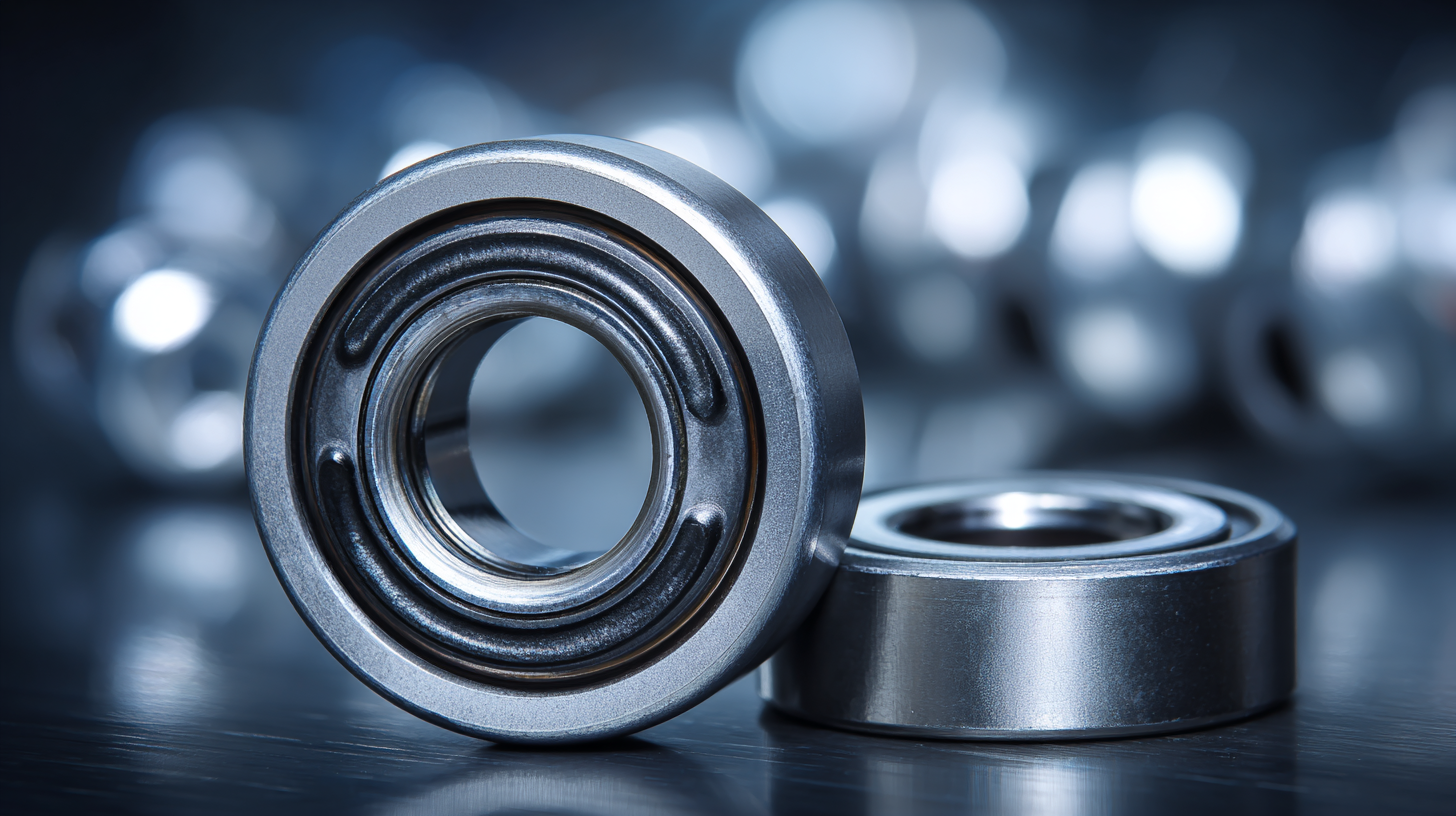
When you're trying to pick the right Acbb bearing for your industrial setup, it helps to really get a grasp on the different types out there and what makes each one special. Acbb bearings are usually sorted by their design and what kind of work they’re built for. You'll come across options like deep groove ball bearings, Angular Contact Bearings, and self-aligning ones—each suited to specific loads and speeds. For example, deep groove ball bearings are pretty much the all-rounders; they handle both radial and axial loads, so they’re often seen in a wide variety of machinery.
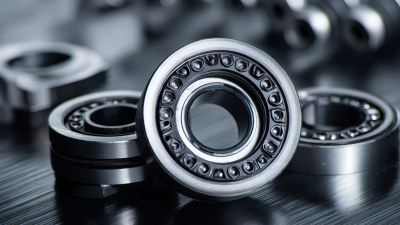
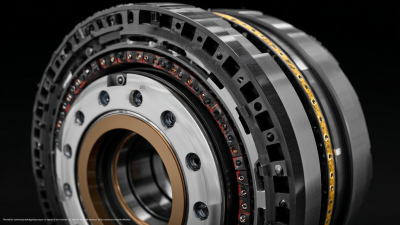
Then there's the angular contact bearing, which is built to cope with higher speeds and changing axial loads—think of it as the go-to for precision stuff, like machine tools. And self-aligning bearings? They're pretty nifty with two rows of balls and a rounded outer ring, kind of like having a built-in adjustment feature that helps them handle misalignment with minimal fuss or wear. Getting a grip on these differences really helps you make smarter choices—making sure your equipment runs smoothly and lasts longer. It’s all about understanding what’s best for your specific needs, rather than just guessing what might work.
When you're choosing Acbb bearings for your industrial setup, there are a few key things you definitely wanna keep in mind to make sure you're getting the best bang for your buck—with good performance and a long lifespan. First off, it's super important to think about the load your equipment will be under. These bearings come in all sorts of sizes and load capacities, so understanding whether your machinery will be experiencing radial or axial loads can really help you pick the right type. You want a bearing that can handle the stress without slowing down your operation or wasting energy.
Also, take a closer look at the working conditions—things like temperature, speed, and the environment. If your machinery runs at high speeds or gets pretty hot, you'll want to go for bearings made from materials that can handle that kind of heat and movement. Don’t forget about lubrication, either. Some setups might need sealed bearings to keep out dirt and contaminants, while others might do just fine with grease for easy maintenance. By thinking through these factors, you’re more likely to pick Acbb bearings that really boost your equipment’s reliability and performance. It’s all about finding that sweet spot where everything works smoothly and lasts longer—trust me, it’s worth the extra thought!
When you're choosing the right Angular Contact Ball Bearings (ACBB) for industrial projects, it's really important to pay attention to their load capacity and performance ratings. The dynamic load rating, which basically shows how much load the bearing can handle while spinning, is a key point here. According to the ABMA (American Bearing Manufacturers Association), these ratings can vary quite a bit depending on the design—usually somewhere between 1,200 to 2,500 N. Getting a good grip on these numbers helps engineers pick the right bearing for the job without any guesswork.
On top of that, how much load a bearing can handle also depends on things like what materials it's made of and how well it's lubricated. SKF Group’s research shows that with proper lubrication, you can actually boost load capacity by up to 30%. That’s a pretty solid reminder of why good maintenance really pays off. Oh, and don’t forget to think about both axial and radial loads in your application. Striking the right balance there can help avoid early failures, which means less downtime and fewer headaches down the line. If you take the time to evaluate these performance factors and stay updated on industry insights, your operation’s efficiency and reliability will seriously thank you.
When you're dealing with industrial stuff, keeping your ACBB bearings in good shape is super important if you want things to run smoothly and save some cash. One of the biggest tips? Make sure you’re lubricating them properly. Using the right kind and amount of lubricant really helps cut down on friction and wear — and honestly, that can make your bearings last way longer. It’s also a good idea to check on lubrication regularly, especially since things like high temperatures or dusty environments mean you might need to grease them up more often.
Another key thing to watch out for is how your bearings are actually doing during operation. Keep an eye on their temperature and vibrations. Too much heat might mean they’re not getting enough lubricant or they’re misaligned, while weird vibrations could be a sign they’re starting to wear out or get damaged. Doing regular inspections can help catch problems early, so you can fix them before they turn into bigger issues and cause you more downtime. If you follow these simple maintenance tips, you’ll give your ACBB bearings a good shot at performing well and lasting longer — which means they’ll hold up better for whatever industrial project you’ve got going on.
When you're choosing Acbb bearings for industrial stuff, it’s really important to make the right call to get good performance and keep costs in check. A pretty common mistake? Folks often overlook the bearing load ratings. According to a report by the American Bearing Manufacturers Association (ABMA), if you pick the wrong size bearings, it can lead to early failures. That’s a big deal because, guess what? It can cost industries up to 5% of their yearly revenue just on maintenance and downtime. So, always double-check that the bearing’s dynamic and static load ratings match or are even higher than what your specific setup needs.
Another thing I see often — people forget how crucial lubrication is. Machinery Lubrication magazine points out that proper lubrication can actually boost bearing lifespan by up to 60%. But surprisingly, lots of users underestimate how environment factors—like heat or dirt—can mess with lubrication’s effectiveness. Picking the right lubricant based on your conditions and sticking to a regular maintenance routine can really save you from expensive breakdowns and keep things running smoothly.
And lastly, a lot of folks tend to overlook how important it is for bearings to actually match with the other parts around them. A study by ISO points out that if bearings aren’t compatible, it can cause misalignment and faster wear, which shortens their lifespan. To steer clear of these issues, it’s a good idea to check the manufacturer’s specs and make sure the bearing sizes fit well with the rest of your system parts.
cbb bearings available for industrial applications?
Deep groove ball bearings are versatile and can handle both radial and axial loads, making them suitable for a wide range of machinery applications.
Angular contact bearings are engineered for higher speeds and varying axial loads, which makes them essential for precision applications like machine tools.
Self-aligning bearings have two rows of balls and a common sphere in the outer ring, allowing them to adjust and minimize wear in cases of misalignment.
It's important to assess load requirements, operating conditions (temperature, speed, and environment), and lubrication type to ensure optimal performance and longevity.
Proper lubrication reduces friction and wear, significantly extending the life of the bearings. The right type and amount of lubricant should be used, based on operational conditions.
Monitoring temperature and vibration levels helps detect potential issues; excessive heat may indicate poor lubrication or misalignment, while abnormal vibrations can suggest wear or damage.
Lubrication checks should be scheduled regularly and may need to be more frequent in higher temperature or dustier environments to ensure the bearings operate effectively.
Neglecting maintenance can lead to increased wear, damage, and ultimately equipment failure, resulting in costly downtime and repairs.
Sealed bearings can prevent contamination, making them ideal for environments where dust or moisture could interfere with performance, while others may benefit from easy maintenance through grease lubrication.
Hey there! If you’re trying to pick the right Acbb Bearing for your industrial setup, our 'Ultimate Guide to Choosing the Perfect Acbb Bearing' has got you covered. We dive into all the different types out there—so whether you're working in agriculture, manufacturing, or material handling, you'll find relevant info. It’s super important to really get what your industry needs—like load capacity, performance ratings, and all that—so you make a smart choice from the start. We also talk about stuff like environmental conditions and how well a bearing will play nice with your machines.
Plus, the guide shares some handy tips on maintenance. Making sure your bearings last longer means better performance and less downtime—who doesn’t want that? And we don’t shy away from pointing out common mistakes to watch out for when you're picking bearings; it can really save you a headache down the line. At WD Bearing Group, we use the latest tech and have a team of pros who are all about providing top-quality Acbb Bearings that suit whatever your needs might be. No matter your industry, we’re here to help you get it right from the get-go!