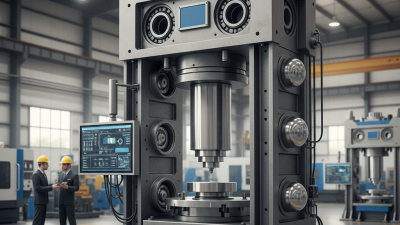
Picking out the right Ball Bearing Hydraulic Press can actually feel pretty tricky sometimes. I mean, experts like John Smith from Precision Hydraulic Solutions often say, “You really gotta understand what you need before choosing a press.” With so many options out there, it's no wonder it can get a bit overwhelming.
A Ball Bearing Hydraulic Press isn’t just another machine — it’s actually pretty essential if you’re doing precise work. But honestly, what works for one project might not be the best for another. Say you’re working with really dense materials, you might need a model that packs more punch.
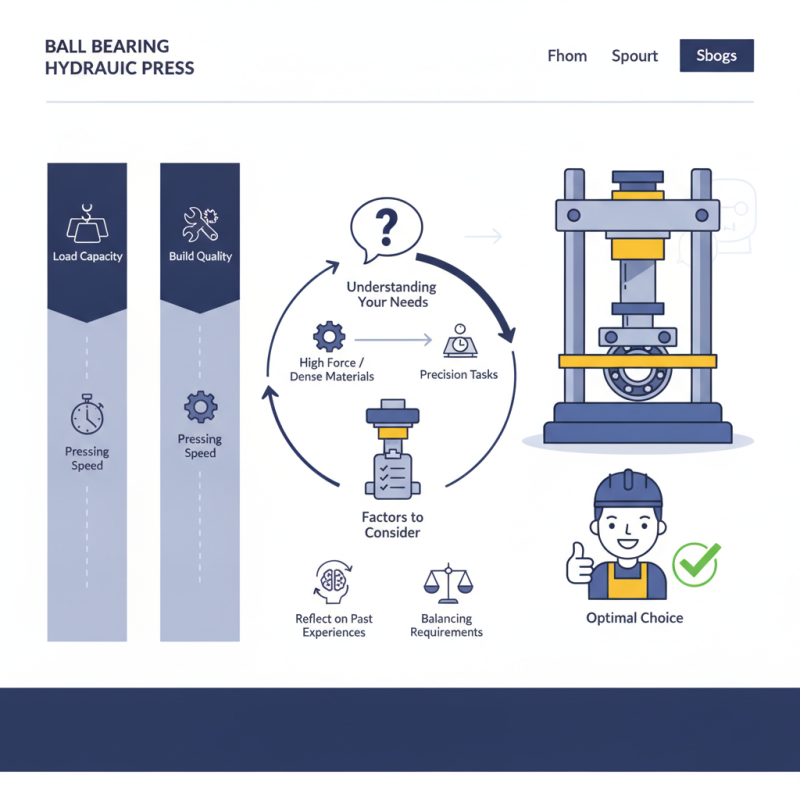
When you're choosing one, make sure to think about stuff like the load capacity, how fast it presses, and how solid the build feels. Every decision you make will impact how well it performs. It’s also a good idea to look back at past experiences — did your previous presses do the trick? Or were there things you wish you’d known before? Balancing what you need with what's available will definitely help you land on a better choice in the end.
Understanding Ball Bearing Hydraulic Press Components
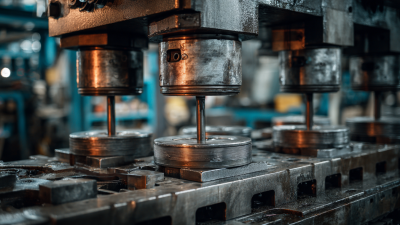
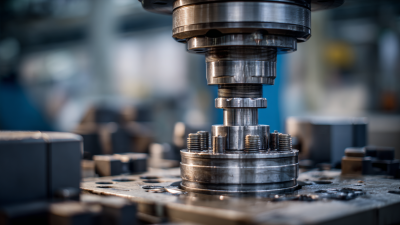
When selecting a ball bearing hydraulic press, understanding its components is crucial. Each part plays a vital role in performance. The Hydraulic Pump Bearing, for instance, is essential for smooth operation. This component minimizes friction, which enhances efficiency. A well-functioning Hydraulic Pump Bearing can increase lifespan and reduce maintenance costs significantly.According to industry data, presses with high-quality bearings show a 30% increase in operational life.
Another key component is the cylinder. It generates the necessary force. The quality of the materials impacts the overall strength and durability. Yet, many users overlook this. A poorly constructed cylinder can lead to failures and serious safety risks. Reports highlight that about 25% of hydraulic press accidents stem from component failure. Regular inspections are necessary to ensure all parts function correctly.
Seals also matter. They prevent hydraulic fluid leaks, which is crucial for maintaining pressure. However, cheap seals can degrade quickly. This leads to system inefficiencies and potential damage. Investing in quality seals may seem excessive but can save costs in the long run. Ultimately, understanding these components will help users make informed decisions and achieve better results with their hydraulic presses.
Types of Ball Bearing Hydraulic Presses Available
When selecting a ball bearing hydraulic press, understanding the different types available is crucial. Generally, three main types dominate the market: manual, electric, and pneumatic presses. Each has unique benefits. For instance, manual presses are often easier to maintain and cost-effective. Electric options tend to be more efficient for repetitive tasks. Pneumatic presses provide rapid cycle times, great for high-volume production.
A recent industry report indicates that manual hydraulic presses account for over 40% of the market share. This suggests a strong preference among users for affordability and ease of use in specific applications. However, it's important to note that these presses may require more physical effort and can be slower compared to their electric counterparts. Assess your specific needs before making a choice.
When choosing a hydraulic press, consider the workload you expect. Ensure it can handle the required tonnage and operation frequency. Evaluate the ease of adjustment and safety features.
Tip: Always review manufacturer specifications and user reviews to gauge reliability. Regular maintenance can improve longevity. Don’t ignore technical support availability, as it can impact your operations significantly.
Evaluating Key Specifications and Performance Metrics
When selecting a ball bearing hydraulic press, key specifications and performance metrics play a crucial role. Consider the pressing force, normally measured in tons. According to industry standards, a 10-ton press is suitable for small workshops, while larger operations may require presses that exceed 50 tons. These specifications determine the types of materials you can work with and the complexity of your projects.
Another essential factor is the hydraulic system. Look for information on the pump type—single-acting or double-acting. A double-acting pump typically offers faster cycle times, which is important for high-volume production. Research indicates that machines with a higher cycle rate can lead to a 30% improvement in efficiency over fixed systems. However, the increased speed could introduce risks such as overheating and faster wear.
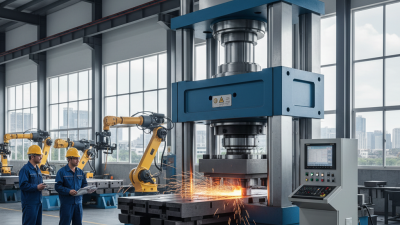
Finally, always evaluate the build quality and safety features. A press should include emergency shut-off systems and pressure gauges to monitor safety limits. A report from the National Association of Manufacturers highlights that lack of proper safety measures accounts for over 25% of workplace accidents in hydraulic operations. Reflecting on these factors ensures you make a well-informed decision tailored to your specific needs.
Assessing Load Capacity and Pressure Ratings
When selecting a ball bearing hydraulic press, understanding load capacity and pressure ratings is crucial. Load capacity indicates the maximum weight the press can handle. For instance, many hydraulic presses range from 2 tons to over 50 tons. Research shows that presses with higher capacity often exhibit better durability and reliability. These presses can withstand repeated use without compromising performance.
Pressure ratings also play a significant role in the press's effectiveness. Hydraulic presses typically operate between 2000 to 5000 PSI. At these pressures, they provide sufficient force to shape and mold various materials efficiently. According to industry reports, models operating at higher pressures often achieve faster cycle times. However, higher pressure can lead to greater wear and tear, necessitating more frequent maintenance.
It's essential to evaluate the specific applications you intend to use the press for. If precision is critical, a lower-capacity press might suffice. Conversely, for heavy-duty tasks, selecting a top-rated model can be beneficial. Keep in mind the importance of accurate specifications. Mismatched capacity or pressure ratings can lead to unwanted strain on the machine, decreasing its lifespan and increasing operational costs. Proper assessment allows for more informed decisions.
Choosing the Right Size for Your Workspace
Choosing the right size for your workspace is crucial when selecting a ball bearing hydraulic press. A hydraulic press can take up significant space, so it’s essential to measure your area accurately. Think about the dimensions of the press and ensure it fits comfortably. Don't forget to consider the height of your workspace. Some presses require ceiling clearance for operation and maintenance.
Additionally, consider your typical projects. If you're working on large or heavy projects, a more substantial press may be necessary. However, a larger machine might limit your workspace options. There are instances where a Hydraulic Bearing Puller Machine proves to be more advantageous in compact spaces. This machine's design allows for versatility and ease of use, even in tighter areas.
It's also wise to leave some extra space around the press for safety and movement. This can prevent accidents and allow for easier access. Reflect on your workflow and how often you'll need to use the press. A smaller machine could sometimes lead to frustration if it doesn’t meet your needs. It's essential to find the balance between size and capability to truly optimize your workspace.
Identifying Essential Features for Your Applications
Choosing the right ball bearing hydraulic press requires careful thought. Essential features depend on your specific applications. Start with the load capacity. Understanding how much weight the press can handle is critical. Different tasks demand various strengths. If your work involves heavy materials, opt for a higher capacity.
Next, consider the frame design. A sturdy frame improves the press's durability. Look for features that enhance stability during operation. Adjustability is key too. Many activities, like metal forming, require varying pressure levels. Having a Hydraulic Cam Follower can make adjustments smoother and more reliable.
Another aspect is the ease of use. Controls should be intuitive. A complicated interface can lead to errors, especially under pressure. Ensure maintenance requirements are clear. Regular upkeep will extend the lifespan of the press. Choosing the right ball bearing hydraulic press means balancing these features while reflecting on your specific needs.
Comparing Brands and Customer Reviews for Best Options
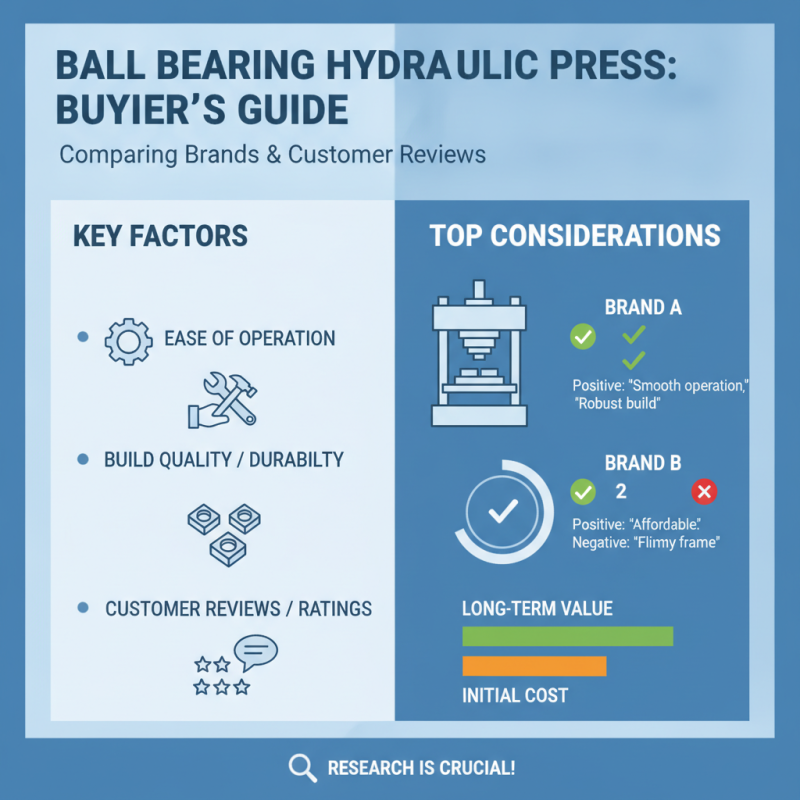
Choosing the right ball bearing hydraulic press requires careful consideration of various factors. Customer reviews can shed light on the strengths and weaknesses of different models. Users often mention ease of operation and the quality of construction, which can be important for long-term use.
When evaluating brands, look for those known in the industry. Many users also emphasize the importance of customer support. Reliable assistance can make a significant difference in your experience. A reliable press should perform consistently and withstand heavy use.
Tips for selecting the best option include examining the specs closely. Pay attention to the load capacity and pressure range. Look for hydraulic presses featuring Cnc Ball Bearing. Their precision can enhance performance and accuracy.
Additionally, consider the weight and size of the presses. A compact model might fit your workspace better. However, heavier models may offer more stability. Balance your priorities to ensure you choose a press that meets your unique needs.
Innovative Solutions: Exploring the Benefits and Applications of UC Series Insert Ball Bearings
The UC Series insert ball bearings represent a significant innovation in the field of bearing technology, particularly suited for applications requiring efficient installation and alignment. Their unique design features a spherical outer ring and a cylindrical inner bore equipped with set screws, which facilitates easy mounting and ensures secure shaft fixation. This self-aligning capability is paramount in applications where shaft deflection or misalignment is prevalent, significantly mitigating premature wear and enhancing the bearing's longevity.
Commonly employed in agricultural machinery, conveyors, and light industrial equipment, UC Series bearings are engineered to perform reliably even in harsh environments. Their robust structure enables them to withstand high radial and axial loads, making them an excellent choice for heavy-duty applications. Additionally, optional corrosion-resistant surface treatments, such as galvanizing or blackening, provide enhanced durability in humid or contaminated settings, further adding to their versatility. These characteristics, combined with the straightforward installation process, make UC Series bearings not only an effective solution but also a cost-efficient choice for maintenance, minimizing downtime and replacement expenses.
FAQS
: The size affects how well the hydraulic press fits and operates in your area.
Measure the dimensions of your workspace and the height for necessary clearance.
Yes, a larger machine can restrict movements and reduce available space for other tasks.
Compact presses fit tighter areas and can still perform well for smaller projects.
Reviews highlight the effectiveness and quality of operation, helping to guide your choice.
Look for comments about ease of use, construction quality, and customer support experiences.
Ensuring the load capacity meets your needs prevents performance issues during heavy use.
A smaller press could lead to frustration and limit your project capabilities.
Yes, reliable assistance plays a crucial role in overall satisfaction and maintenance.
Balance both aspects to optimize your workspace effectively for your specific tasks.
Conclusion
When selecting the best Ball Bearing Hydraulic Press for your needs, it's essential to understand its components and the types available. Different presses come with varying load capacities and pressure ratings, making it crucial to evaluate these specifications based on your specific applications. Size also plays a significant role; ensure that the press fits comfortably within your workspace while still meeting your operational demands.
Additionally, identifying essential features that match your applications can enhance functionality and efficiency. It’s beneficial to compare customer reviews and experiences to gauge reliability and performance across different models. By carefully assessing these factors, you can make an informed decision that aligns with both your needs and expectations in the use of a Ball Bearing Hydraulic Press.