Leave Your Message
0%

Choosing the right Diesel Engine Bearing is actually pretty important if you want your engine to perform well and last a long time. Diesel engines are known for being tough and efficient, but to really get the most out of them, all the parts need to work together smoothly. Bearings are a big deal here—they support the engine's spinning parts and help reduce friction. Picking the right bearing isn’t just about performance; it also helps cut down on wear and tear, which means less maintenance costs and more time between repairs.

If you're aiming for top-notch performance, it’s a good idea to understand the different types of diesel engine bearings out there and what your engine specifically needs. Things like the load it has to handle, the operating conditions, and material compatibility all matter when you're making a choice. By getting into the details of what makes a good diesel engine bearing, you can really boost the dependability of your engine and get the most value from your investment. With a bit of knowledge and the right approach, hitting those performance goals doesn't have to be just a pipe dream—it’s totally doable.
How to Choose the Right Diesel Engine Bearing for Optimal Performance

Understanding Diesel Engine Bearings and Their Role in Performance

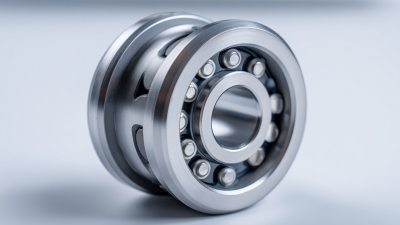
Diesel engine bearings play a crucial role in ensuring optimal performance and longevity of an engine. These components are designed to support the rotating elements of the engine, such as crankshafts and camshafts, by providing a low-friction interface. Understanding their function begins with recognizing the diverse types of bearings available, each with specific characteristics tailored to various operational demands. For instance, main bearings support the crankshaft's rotation, while connecting rod bearings facilitate the motion of the connecting rods. Choosing the right bearing involves considering factors such as load capacity, material composition, and the engine's operating conditions.

The materials used in diesel engine bearings greatly influence their performance and durability. Common materials include bronze, aluminum, and steel, which may be combined with various coatings to enhance their wear resistance and reduce friction. Additionally, lubrication is vital for bearing performance; proper oil flow minimizes wear and dissipates heat generated during operation. An understanding of the bearing's thermal properties and compatibility with the engine's operational environment is essential for making informed choices. By selecting the appropriate bearings, engine builders can significantly enhance performance, fuel efficiency, and the overall lifespan of the diesel engine.

Types of Diesel Engine Bearings and Their Unique Characteristics

How to Choose the Right Diesel Engine Bearing for Optimal Performance

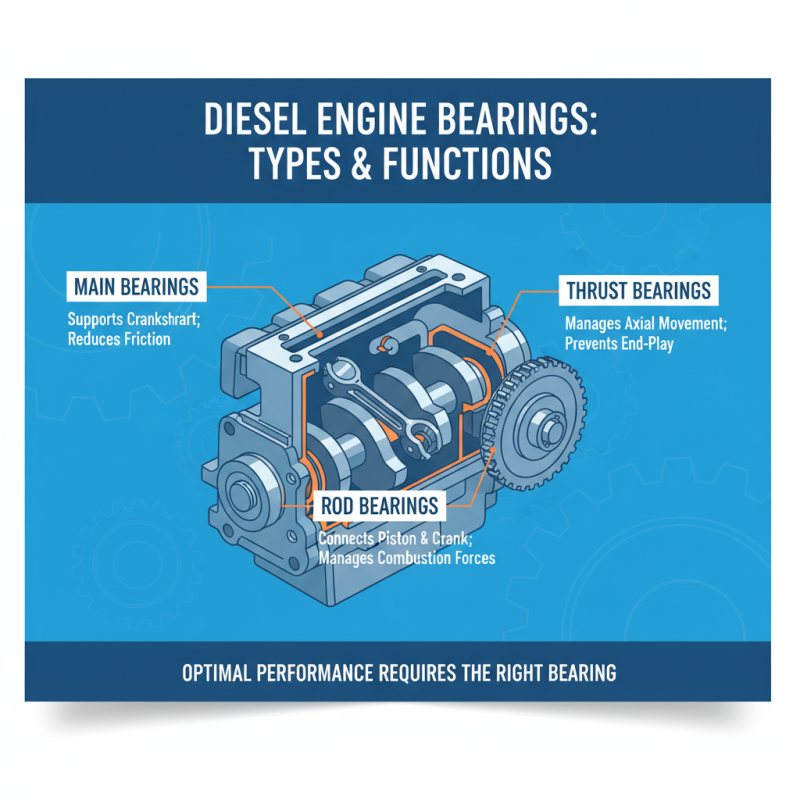
When selecting the right diesel engine bearing, understanding the different types and their unique characteristics is crucial for achieving optimal performance. The primary types of diesel engine bearings include main bearings, rod bearings, and thrust bearings, each serving a distinct purpose in the engine's operation.

Main bearings support the crankshaft and allow it to rotate smoothly. They typically consist of bi-metallic or tri-metallic constructions, offering durability and resistance to wear. In contrast, rod bearings connect the connecting rods to the crankshaft, enduring significant loads during operation. These bearings are often made from materials that enhance their load-bearing ability and reduce friction, which is essential for maintaining engine efficiency.

Thrust bearings, another critical type, are designed to handle axial loads and maintain the positioning of the crankshaft. Their design allows them to prevent lateral movement, ensuring the engine operates smoothly. Selecting the right type of bearing not only depends on the engine's specific requirements but also on factors such as operating conditions and desired performance outcomes, making it essential for anyone involved in diesel engine maintenance or repair to have a comprehensive understanding of these bearing types.

Factors to Consider When Selecting Diesel Engine Bearings

When selecting diesel engine bearings, several factors must be carefully evaluated to ensure optimal performance. One of the primary considerations is the material of the bearing itself. Bearings constructed from high-quality materials such as bronze or composite alloys can provide better durability and resistance against wear and tear, which is essential in high-stress engine environments. Additionally, factors like load capacity and temperature resistance should also be considered, as these characteristics directly impact the bearing's ability to function effectively under varying operational conditions.

Another critical aspect to factor in is the size and fitment of the bearing. Ideal performance is achieved when the bearings are precisely matched to the diesel engine's specifications, including shaft dimensions and housing clearances. A proper fit minimizes friction and wear, leading to enhanced engine longevity and efficiency. Furthermore, the type of lubrication used can significantly influence bearing performance. Selecting the appropriate lubricants will reduce friction, help dissipate heat, and prevent premature failure, making it vital to choose lubricants that align with both the engine requirements and the bearing material. Overall, thorough attention to these factors ensures the selection of the right diesel engine bearings for reliable and efficient engine operation.

How to Choose the Right Diesel Engine Bearing for Optimal Performance

Bearing Type Material Load Capacity (kg) Maximum Operating Temperature (°C) Common Applications
Plain Bearing Bronze 1200 200 Heavy-duty Trucks
Roller Bearing Steel 1500 180 Marine Engines
Ball Bearing Ceramic 600 250 Industrial Machinery
Bi-Metal Bearing Aluminum 1000 150 Diesel Generators

Material Choices for Diesel Engine Bearings: Pros and Cons

When selecting diesel engine bearings, material choice plays a crucial role in ensuring optimal performance and longevity. Common materials for bearings include bronze, aluminum alloys, and polymer composites, each with its own set of benefits and drawbacks. Bronze bearings, for instance, are renowned for their durability and resistance to wear, making them a solid choice for high-load applications. However, their heavier weight can impact overall engine efficiency.

Aluminum alloy bearings, on the other hand, provide a lightweight alternative that can enhance fuel efficiency. They often exhibit good lubrication properties, but may not withstand extreme conditions as well as bronze counterparts.

Polymer composites are gaining popularity due to their corrosion resistance and the ability to self-lubricate, though they may not support heavy loads as effectively as metal options.

Tips: When choosing the right material for diesel engine bearings, consider the specific application and operating conditions. Assess the weight vs. load-bearing capacity, as well as environmental factors like temperature and humidity. Regular maintenance can also prolong bearing life, regardless of the material used, so keep a close eye on lubricants and wear indicators.

Common Bearing Failures in Diesel Engines and How to Avoid Them

Bearing failures in diesel engines are a common issue that can lead to significant performance problems and costly repairs. Understanding the typical causes of these failures is crucial for maintenance and management. One prevalent type of failure is abrasion, often caused by insufficient lubrication or contamination in the oil. This can lead to increased friction and wear, deteriorating the integrity of the bearing. Regular oil changes and diligent monitoring of oil quality can help mitigate this risk.

Another frequent issue is fatigue, which occurs due to repeated stress that causes cracks and eventual bearing collapse. This type of failure is often linked to incorrect bearing selection or improper installation. Ensuring that the right type of bearing is chosen for the specific engine application, along with adhering to installation guidelines, is essential in preventing such problems. Additionally, thermal overload can also contribute to bearing failures, highlighting the need for effective cooling systems within the engine to maintain optimal operating temperatures. By being aware of these common failures and taking proactive measures, operators can enhance the reliability and lifespan of diesel engine bearings.

Installation Tips for Ensuring Optimal Bearing Performance

When installing diesel engine bearings, it is crucial to prioritize proper techniques to ensure optimal performance and longevity. Before installation, clean all components thoroughly to remove any dirt or debris that could impair bearing function. Utilize appropriate solvents and clean cloths to wipe down both the bearings and the housing, ensuring that there are no contaminants left on the surfaces. Additionally, verify that the bearings are the right fit for the specific engine model, as mismatched dimensions can lead to premature wear or failure.

During the installation process, pay close attention to lubrication. It is essential to apply a sufficient amount of high-quality lubricant to the bearing surfaces before installation to reduce friction during initial engine operation. Furthermore, follow the manufacturer’s torque specifications when fastening the bearing caps, as improper torque can lead to uneven pressure distribution and potential bearing damage. Finally, after installation, conduct a thorough inspection and perform a trial run to check for unusual noises or vibrations, which may indicate that adjustments are necessary. Addressing these factors can significantly contribute to the overall durability and performance of the diesel engine.

How to Choose the Right Diesel Engine Bearing for Optimal Performance

This chart illustrates the relative importance of various factors in choosing the right diesel engine bearing for optimal performance. Each factor is rated on a scale from 1 to 10, reflecting its significance in ensuring effective operation and longevity of the engine components.

Maintenance Practices to Extend the Life of Diesel Engine Bearings

How to Choose the Right Diesel Engine Bearing for Optimal Performance

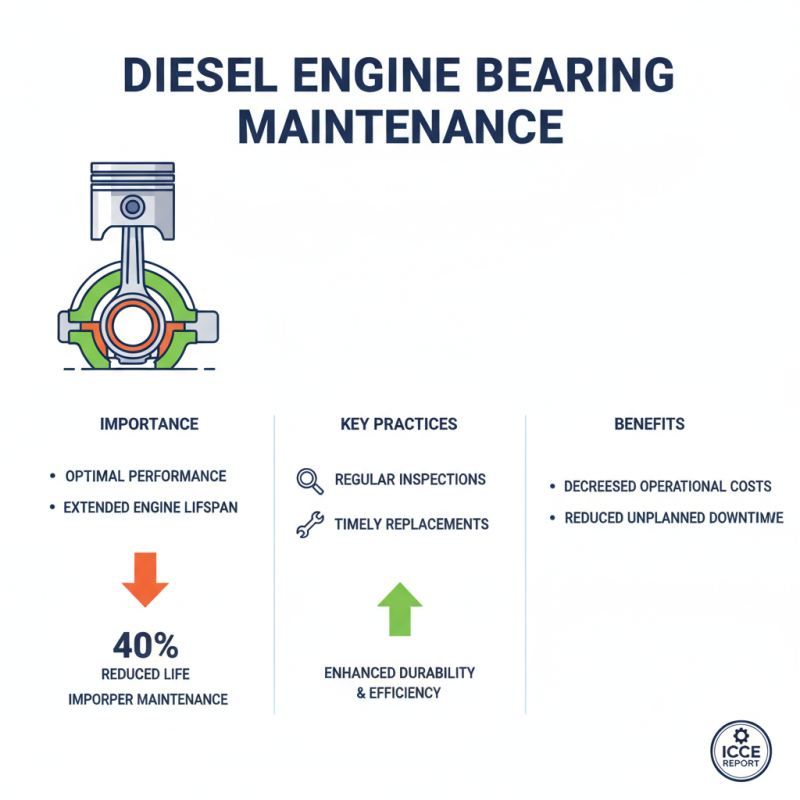
Maintaining diesel engine bearings is crucial for ensuring optimal performance and extending the lifespan of the engine as a whole. According to a report from the International Council on Combustion Engines, improper maintenance can reduce bearing life by as much as 40%, leading to increased operational costs and unplanned downtimes. Regular inspections and timely replacements of bearings can significantly enhance durability and engine efficiency.

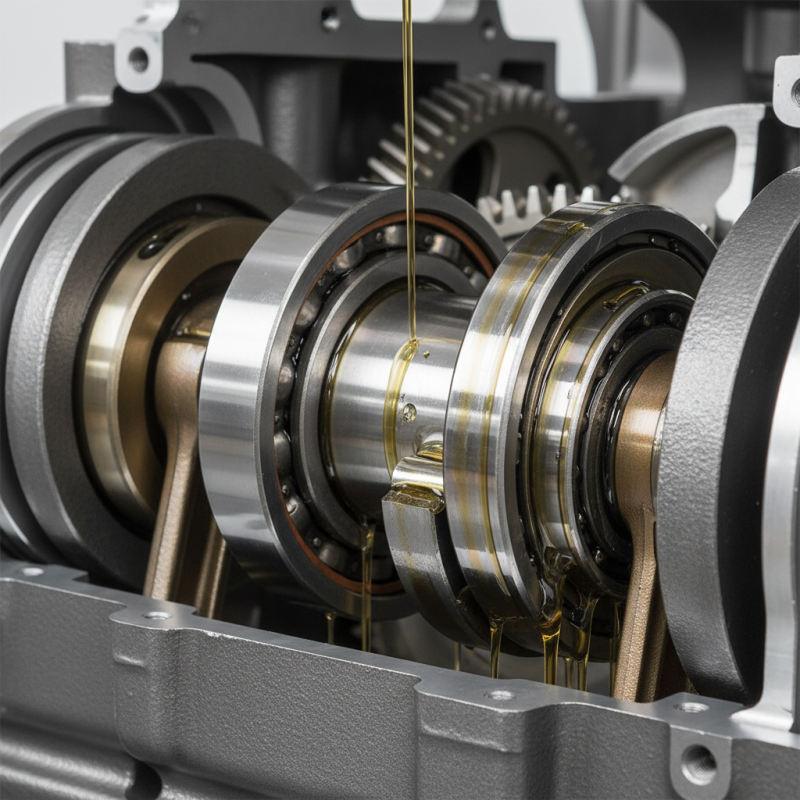
One effective maintenance practice is to ensure that the lubrication system is functioning correctly. Cleanliness of the lubricant is vital; contaminants can lead to premature wear. The National Lubricating Grease Institute recommends changing the oil and filters according to the manufacturer’s schedule, but it also emphasizes the importance of monitoring oil quality regularly. Using high-quality lubricants tailored for diesel applications can further protect against wear and corrosion.

Tips: Always check for signs of wear or overheating during routine inspections. Additionally, maintain proper alignment in the engine assembly, as misalignment can cause excessive stress on the bearings, leading to premature failure. By adhering to these maintenance guidelines, operators can ensure that their diesel engine bearings perform optimally, ultimately enhancing engine performance and reliability.

FAQS

: What are the primary types of diesel engine bearings?

: The primary types of diesel engine bearings include main bearings, rod bearings, and thrust bearings, each serving a specific purpose in engine operation.

What is the function of main bearings in a diesel engine?

Main bearings support the crankshaft and allow it to rotate smoothly, typically made from bi-metallic or tri-metallic materials for durability and wear resistance.

What role do rod bearings play in a diesel engine?

Rod bearings connect the connecting rods to the crankshaft and must endure significant loads, often made from materials that enhance load-bearing ability and reduce friction.

What are thrust bearings designed for?

Thrust bearings are designed to handle axial loads and maintain the positioning of the crankshaft, preventing lateral movement to ensure smooth engine operation.

What factors should be considered when selecting diesel engine bearings?

Factors include bearing material, load capacity, temperature resistance, size and fitment, and the type of lubrication used for optimal performance under varying operational conditions.

How does bearing material affect its performance?

High-quality materials like bronze or composite alloys provide better durability and resistance to wear, which is crucial in high-stress engine environments.

Why is the size and fitment of the bearings important?

Proper fit minimizes friction and wear, leading to enhanced engine longevity and efficiency; bearings must match the diesel engine's specifications.

What must be done before installing diesel engine bearings?

Components should be thoroughly cleaned to remove dirt or debris, and bearings must be verified for proper fit to avoid premature wear or failure.

What is the importance of lubrication during installation?

Adequate application of high-quality lubricant reduces friction during initial engine operation, contributing to optimal performance and longevity of the bearings.

What should be done after installing the bearings?

A thorough inspection should be conducted, along with a trial run to check for unusual noises or vibrations, which may indicate necessary adjustments.

Conclusion

Choosing the right Diesel Engine Bearing is crucial for ensuring optimal engine performance and longevity. Understanding the role of these bearings, along with their unique characteristics, helps in making informed decisions. Key factors to consider include the type of bearing material, which has its own set of advantages and drawbacks, and common failures that can occur if not properly selected or maintained.

To maximize performance, installation techniques play a vital role, as does a proactive maintenance approach. Regular inspections and proper lubrication can significantly extend the lifespan of Diesel Engine Bearings, minimizing the risk of failure and enhancing overall engine efficiency. By focusing on these aspects, engine operators can achieve reliable performance and reduce costly downtime.
Charlotte

Charlotte

Charlotte is a dedicated marketing professional at WD Bearings, specializing in delivering high-quality bearing solutions to OEMs across various industries, such as material handling, agriculture, construction, and pump and compressor sectors. With a deep understanding of the company's extensive......
Previous Unlocking the Advantages of Best Hydraulic Pump Bearings for Enhanced Operational Efficiency