You know, in the world of industry and manufacturing, the performance and lifespan of machinery really depend a lot on choosing the right parts — especially Contact Bearings. If you’ve been following recent reports from Grand View Research, you'll see that the global bearing market hit around 73 billion USD back in 2020. And it’s not slowing down anytime soon — they’re projecting a steady growth of about 7.3% each year through 2028. Picking the right Contact Bearing is super important for OEMs working in all sorts of fields — from material handling and agricultural to construction and beyond.
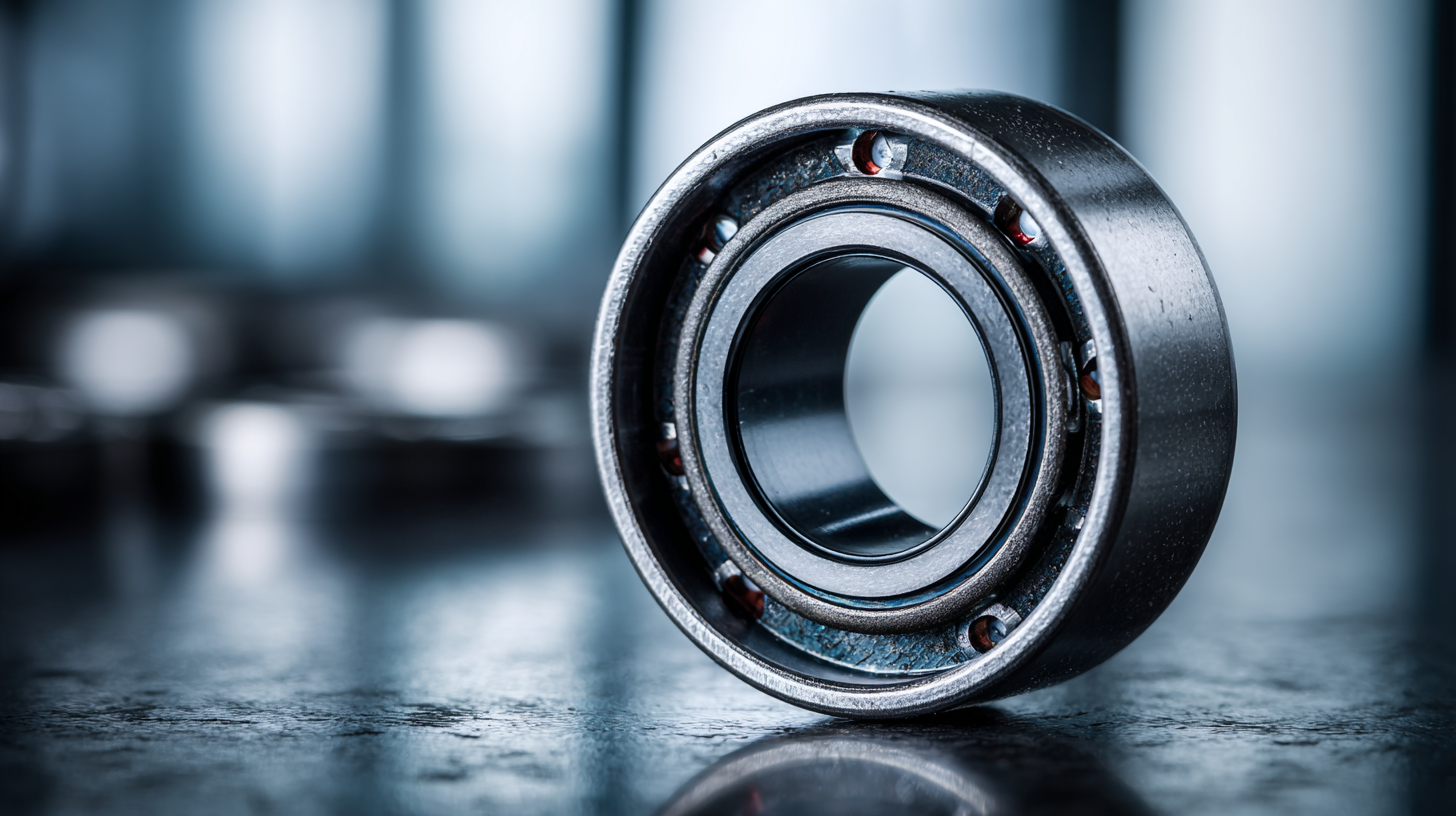
WD Bearing Group is actually leading the way here, always putting big investments into the latest machining tech and specialized bearing software to keep pace with this fast-changing industry. Their focus on quality and precision means their bearings are built to perform like champs, even in tough conditions. Basically, they help manufacturers keep things running smoothly and reliably, ensuring both efficiency and peace of mind.
Understanding Different Types of Contact Bearings and Their Applications
Picking the right contact bearing for your industrial setup isn't just about guessing — it’s about knowing the different types and what they’re actually good for. You’ve got your main kinds: self-aligning, deep groove, and Angular Contact Ball Bearings. Each one is built for specific roles, loads, and speeds. For example, if you’re dealing with some misalignments, self-aligning bearings are a lifesaver. On the other hand, deep groove ball bearings are pretty versatile—they can handle both radial and axial loads pretty well, making them a go-to choice for many applications.
When you’re trying to pick out a contact bearing, think about what conditions it’s going to face. What kind of loads are involved—radial, axial, or maybe a mix? Also, consider the speed it needs to operate at and the environment—things like temperature or whether it needs extra lubrication. It’s all about matching the bearing to your specific needs.
Here are a few tips: always check the manufacturer’s specs to make sure the bearing can handle your load requirements. Don’t forget to consider the material and seal options, as those can really affect how long the bearing lasts and how well it performs. And a little routine maintenance? It goes a long way. Regular checks will catch early signs of wear or damage, helping your bearings stay efficient and last longer.
Key Factors to Consider When Selecting Contact Bearings for Your Project
When you're picking contact bearings for industrial stuff, there are a few key things you really want to keep in mind to make sure they keep working well and last a good long time. First off, the environment where they'll be used is a big deal. Things like temperature, humidity, and exposure to dust or chemicals can really affect how the bearings perform. For example, if you're dealing with a wet or humid setting, choosing materials that resist rust and corrosion is a smart move to avoid early breakdowns.
Another thing to think about is the kind of load your machinery will handle and the type of movement it needs. Some bearings are built to manage specific load types—like radial, axial, or a mix of both—and different sizes. Getting a clear idea of what your machine requires can help you pick something that reduces wear and tear and keeps everything running smoothly.
And don’t overlook the trend towards more eco-friendly materials. Nowadays, there are some pretty cool innovations that help improve bearing performance while being kinder to the environment. These can help cut down energy use and even make your equipment last longer, which is great for sustainability. By taking all these factors into account, you’ll be able to choose the right bearings—not just for now, but for the long haul, supporting both your needs and our planet.
How to Choose the Right Contact Bearing for Your Industrial Needs - Key Factors to Consider When Selecting Contact Bearings for Your Project
| Bearing Type | Load Capacity (N) | Speed Rating (RPM) | Material | Operating Temperature (°C) | Life Expectancy (hours) |
| Deep Groove Ball Bearing | 2000 | 6000 | Steel | -20 to 120 | 50000 |
| Angular Contact Bearing | 3500 | 10000 | Ceramic | -40 to 150 | 60000 |
| Self-Aligning Ball Bearing | 2500 | 5000 | Stainless Steel | -20 to 100 | 40000 |
| Tapered Roller Bearing | 5000 | 3000 | Alloy Steel | -30 to 140 | 70000 |
| Spherical Roller Bearing | 6000 | 2500 | Bronze | -20 to 120 | 55000 |
Evaluating Load Capacity and Performance Requirements for Bearings
When you're choosing the right contact bearing for your industrial needs, it's really important to consider the load capacity and performance you actually require. Think about how you’ll be using the bearing in your operation — different industries like material handling, agriculture, or construction each have their own unique demands, especially when it comes to workload, speed, and the environmental conditions they'll face. For example, bearings in pumps might need to handle heavier loads and resist corrosion better, whereas those in electric motors often focus on low friction and energy efficiency to save power.
Here at WD Bearing Group, we totally get how crucial it is to pick the right bearing that lines up with your specific needs. That’s why we keep investing in top-notch machining equipment and the latest bearing software — it helps us analyze and fine-tune bearings so they’re perfect for particular industries. Plus, our team of skilled pros makes sure every bearing, whether it’s for gearboxes or compressors, meets super high standards. This focus on quality helps our clients boost productivity and cut down on maintenance costs. All in all, WD bearings are often the go-to choice for OEMs across a variety of sectors, and we’re proud of that.
Evaluating Load Capacity and Performance Requirements for Bearings
Material Choices: How to Select the Right Bearing Material
When you're choosing the right bearing material for your industrial setups, there are quite a few things to keep in mind—like the mechanical stuff, the environment it’s gonna face, and what your machinery actually needs. The type of material you pick really impacts how well the bearings perform and how long they last. For example, full ceramic bearings are pretty awesome—they're super hard, resist corrosion, and stay stable even when things get hot, making them perfect for tough, high-temp, or corrosive conditions. On the flip side, metallic alloys tend to be strong and durable, especially under heavy loads, but they might wear out faster if not maintained well over time.
A few tips to help you pick the right material:
- Think about your working environment—things like temperature levels, humidity, or exposure to chemicals can make a difference.
- Check what kind of loads your bearings need to handle—if you’re dealing with huge weights, go for tougher metals or composite options.
- Balance the cost against performance—sometimes splurging a bit on higher-quality materials pays off in the long run thanks to less downtime and fewer repairs.
Plus, there's been some pretty exciting progress lately with composite materials. They’re becoming more popular not just in traditional uses but also in bearings, offering a lightweight option without sacrificing strength. Staying up-to-date with the latest innovations means you'll be able to pick the best bearing materials for your needs without missing a beat.
Maintenance and Longevity: Ensuring Optimal Performance of Contact Bearings
When it comes to picking the right contact bearings for industrial setups, things like maintenance and how long they last are super important if you want everything to run smoothly. Going for top-quality bearings can really cut down on how often you have to replace or fix them, saving you both time and money in the long run. Just like how new lubrication tech is being explored for electric and hybrid cars to boost performance, similar advances in bearing maintenance can help them last longer and be more dependable. For example, bearings that use advanced materials or special coatings can handle tough conditions better and reduce friction, which means they'll work more efficiently.
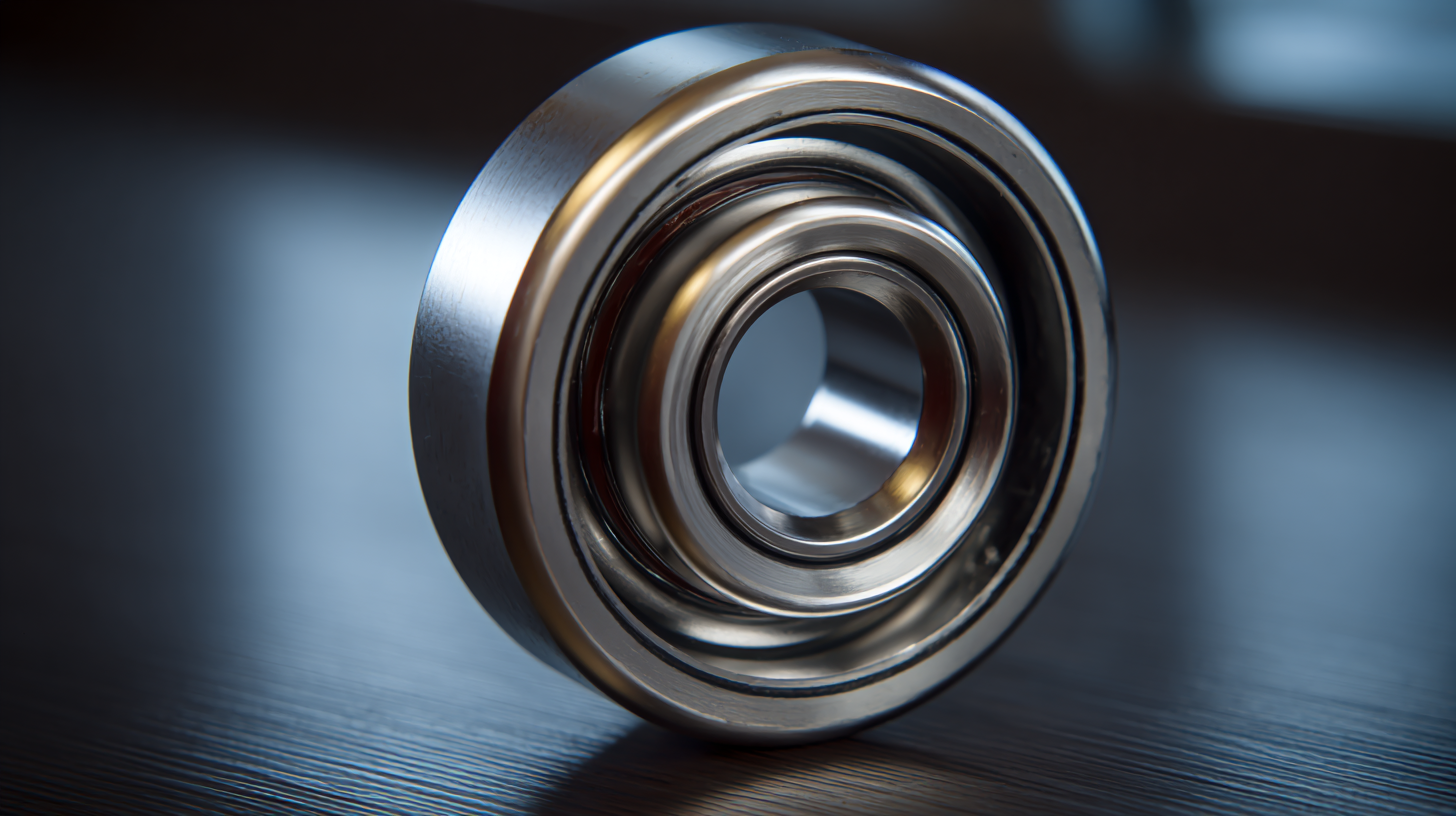
Plus, there's some pretty exciting stuff happening with new tech, like biomimetic guiding surfaces in bearings. These have shown promising results when it comes to cutting down vibration and friction, which just means better overall performance. These kinds of innovations are part of a bigger trend—industries are pretty much focused on smarter, more efficient parts. And don’t forget about the lubricant! Choosing the right type, especially getting the viscosity right, is key for keeping bearings in good shape and running smoothly. Matching the lubricant to the specific application is crucial if you want to get the most out of your contact bearings in any industrial environment.
Cost Considerations: Balancing Quality and Budget in Bearing Selection
When you're choosing contact bearings for industrial setups, cost is definitely a big deal. It’s tempting to pick the cheaper options upfront, but honestly, going for higher-quality bearings can really save you headaches down the line. A report from the American Bearing Manufacturers Association (ABMA) mentions that using top-notch bearings can cut down operational failures by roughly 25% to 40%. That means your machinery lasts longer, and you’ll spend less time dealing with unexpected breakdowns—plus, it adds up to some serious savings over time.
On top of that, the materials and how the bearings are made really matter when it comes to performance—and price. For instance, a study from the International Federation of Robotics points out that new, advanced materials can boost bearing performance by up to 50%. The catch? Those fancy materials usually come with a higher price tag. So, it’s all about finding that sweet spot: weighing the initial expense against the potential benefits like better efficiency and lower maintenance costs. At the end of the day, making a smart choice here isn’t just about saving money now; it’s about supporting steady, long-term growth for your business.
Maximizing Performance with Precision Angular Contact Bearings in Modern Machinery
Maximizing performance in modern machinery requires components that can handle complex demands, and precision angular contact bearings stand out as vital players in this realm. These high-accuracy bearings are designed to manage both radial and axial loads effectively. With raceways inclined at specific angles typically ranging from 15° to 40°, they deliver exceptional axial positioning and support high-speed rotation, making them indispensable in spindle systems, robotics, and aerospace applications.
One of the key advantages of precision angular contact bearings is their remarkable axial stiffness, which ensures precise shaft alignment even under heavy thrust loads. According to industry data from a leading bearing manufacturer, the use of these bearings can significantly enhance machining accuracy by reducing runout. Precision is paramount, as evidenced by specifications for ISO P4/P2 classes that guarantee radial runout ≤ 1μm and axial runout ≤ 2μm. This level of precision minimizes vibration and enhances performance, particularly in critical applications where even the slightest deviation can lead to operational failures.
Furthermore, the innovative design of these bearings, coupled with the use of low-friction materials, optimizes them for high-speed performance. Tests have shown that these bearings can reduce heat generation at elevated RPMs, ensuring longevity and reliability. Customizable arrangements, such as back-to-back, face-to-face, or tandem configurations, allow for optimal load distribution tailored to specific application requirements. With premium materials like M50 steel or ceramic, these bearings have demonstrated a fatigue life extension of up to 300%, ensuring that they meet the rigorous demands of modern machinery with unparalleled reliability.
FAQS
: Key factors include the operating environment (temperature, humidity, contaminants), load capacity and type of motion required, and the trend toward sustainable materials.
Conditions like moisture levels can necessitate corrosion-resistant materials to prevent premature failure.
Different bearings are designed for specific load ranges and types of motion. Knowing your machinery's demands helps select bearings that minimize wear and maximize efficiency.
Many innovative materials enhance performance while being environmentally friendly, which can lead to reduced energy consumption and extended lifecycle.
Different industries have unique requirements regarding workload, speed, and environmental conditions that affect the type of bearings needed.
Although they may be more expensive, high-performance materials offer better durability, resulting in reduced downtime and lower maintenance costs over time.
Composite materials provide lightweight alternatives without compromising strength and are becoming increasingly significant in various applications.
Consider operational environments, load requirements, and a balance of cost versus performance to choose materials that best suit specific industrial needs.
Conclusion
When you're trying to pick the right contact bearing for your industrial gig, it’s really important to get a good handle on the different types out there and what they’re best for. Whether you're dealing with material handling, farming, or construction, knowing which bearing suits your needs makes all the difference. You’ll want to think about things like load capacity and how well it performs—these factors help ensure it can handle the stresses of everyday use. The material of the bearing is also a big deal because it affects how long it lasts and how efficiently it works. And don’t forget, proper maintenance is key if you wanna keep your bearings running smoothly and last as long as possible. Of course, budget plays a part too—finding that sweet spot between cost and quality is crucial. That’s why brands like WD Bearing Group focus on offering reliable solutions that fit different industrial requirements without skimping on quality. It’s all about getting the job done right without breaking the bank.