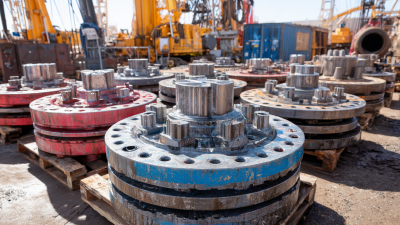
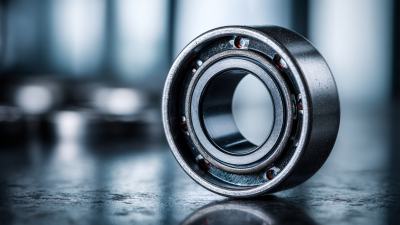
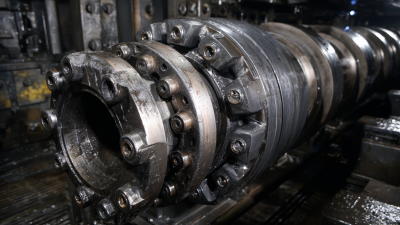
When you're looking to get the best performance out of various machines, choosing the right Torque Converter Bearing is a pretty big deal. These little components honestly make a huge difference—they help everything run smoothly and boost the efficiency of torque converters, which are pretty much the heart of many automotive and industrial setups. Over at WD Bearing Group, we totally get how important it is to have precision-engineered parts in lots of fields like material handling, farming, construction, and more. We're committed to doing things right, which is why we keep investing in top-notch machining tools and advanced bearing software. Plus, we've got a talented team of experts behind the scenes.
In this article, I’ll walk you through the main factors to consider when picking the perfect torque converter bearing—so you can make smarter choices that lead to better performance and more reliable operations down the line.
Understanding Torque Converter Bearings: Key Components and Their Functions
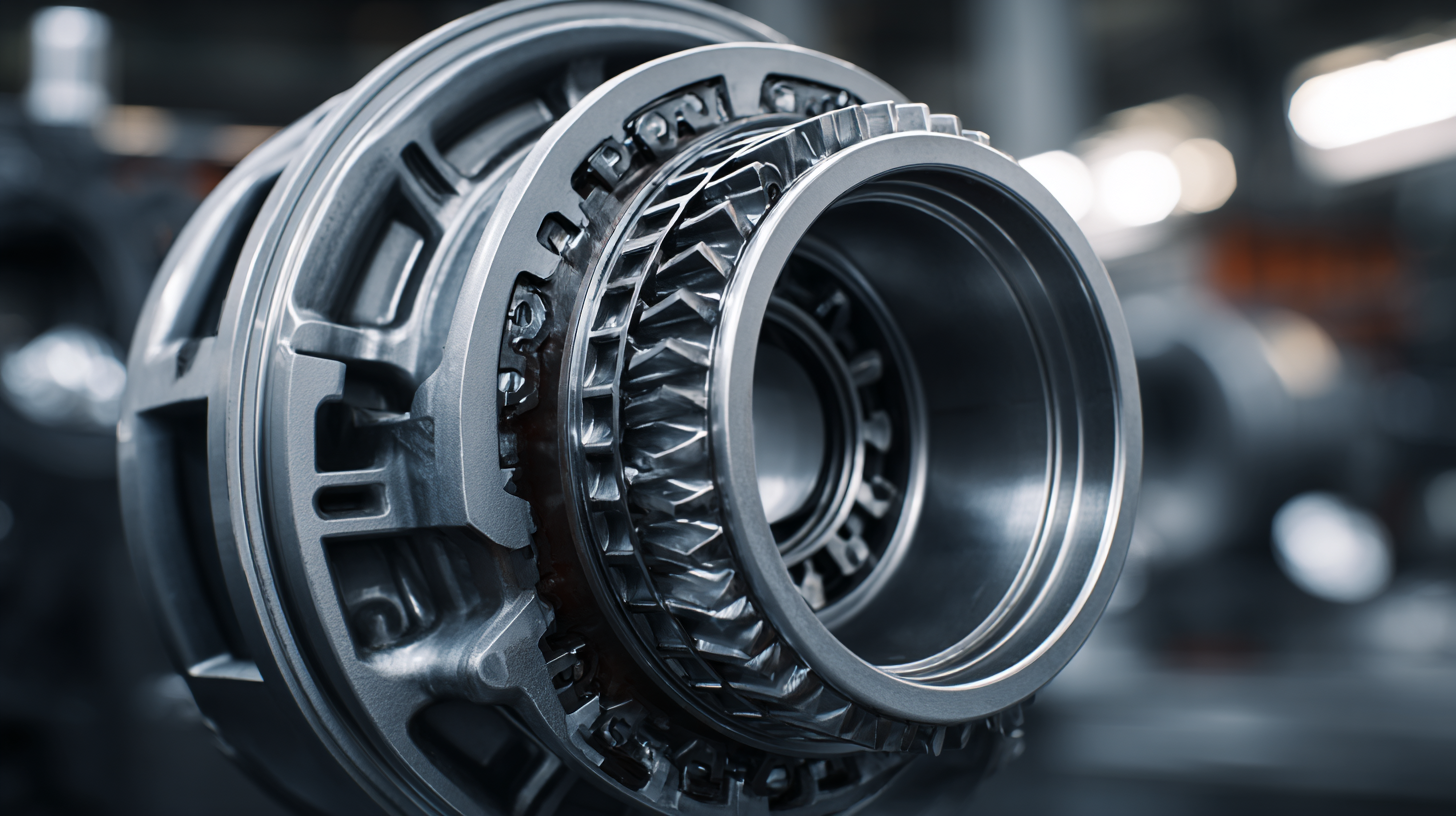
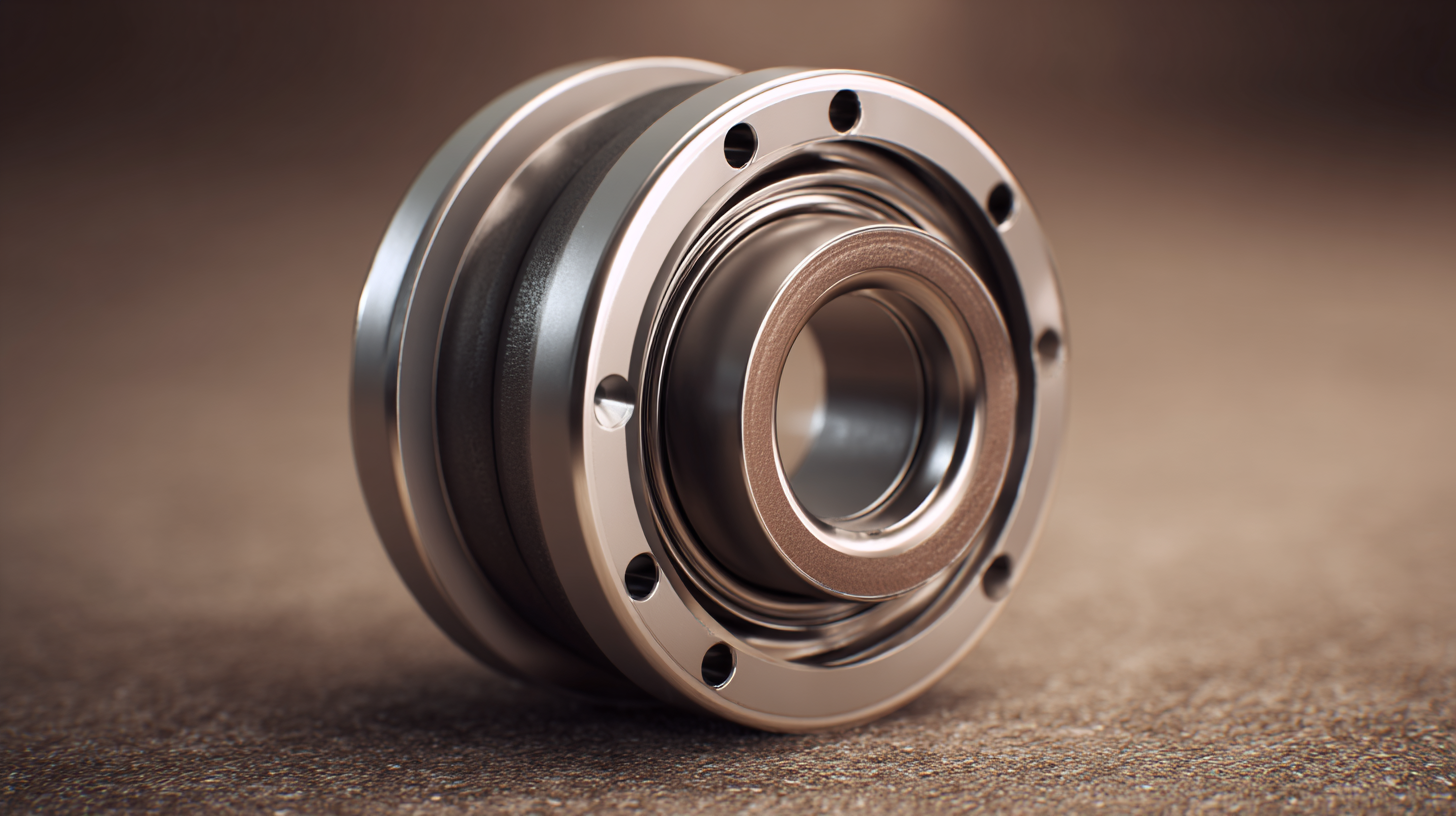
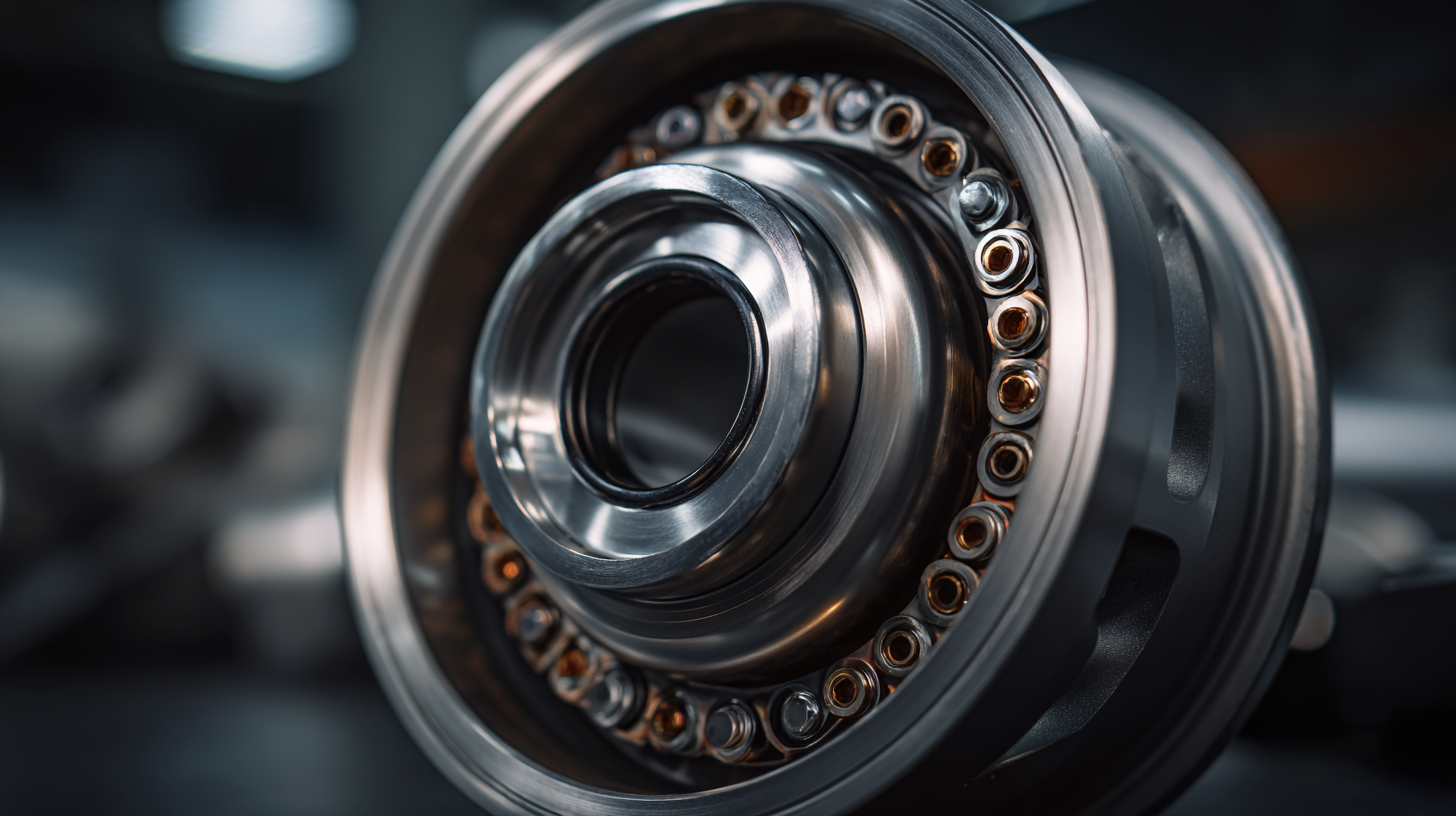
Torque converter bearings are pretty important when it comes to how automatic transmissions work. Basically, they help smooth out the transfer of power from your engine to the wheels. These bearings support the spinning parts inside the torque converter, which helps cut down on friction and wear—so everything runs more efficiently. It’s also good to know about the different types, like ball bearings and roller bearings, because each has its own perks—like handling different loads or lasting longer.
The main job of these bearings is to cut down on resistance while the converter’s in action. That’s especially critical when your engine’s revving high—more heat and proper lubrication are super important there. Plus, they keep everything aligned just right, making sure your transmission stays in good shape and keeps working smoothly over time.
When you’re picking out a bearing, you should think about things like how much weight it can handle, what material it’s made of, and the kind of conditions it’ll be working in—these little details really matter if you want things to run reliably in the long run.
Evaluating Bearing Material: Impact on Performance and Durability
When you're choosing a bearing for your torque converter, the material you go with really matters — it impacts both how well it performs and how long it lasts. Common options include steel, ceramic, and various composites, each bringing their own quirks to the table. For example, there's a study from the Journal of Engineering Tribology that points out ceramic bearings can handle higher temperatures and tend to have lower friction, which could boost the lifespan of your torque converter by up to 30% compared to regular steel bearings. Pretty impressive, right?
Picking the right bearing material can also make a real difference in efficiency. The American Society of Mechanical Engineers has highlighted that using advanced composite materials can help reduce weight and spread out the load more evenly — which ultimately improves fluid flow inside the converter. Plus, independent testing labs have shown that torque converters fitted with high-performance bearings made from these newer materials can crank up power transfer efficiency by around 15%. So yeah, taking the time to choose the right bearing material is pretty key if you want your torque converter to perform at its best and last longer.
Hope that helps you see why this stuff really matters if you're into keeping your ride smooth and reliable!
Assessing Load Ratings: Ensuring Your Bearing Can Handle Performance Demands
When you're choosing a torque converter bearing, one thing you really wanna keep in mind is the load rating. Basically, that’s just a fancy way of saying how much weight the bearing can handle without giving out. Picking the right load rating means your bearing will be able to handle the demands of your vehicle—whether you're gunning it during heavy acceleration or hauling a trailer. As a general rule, it’s smart to go a bit above what you expect to need. That extra buffer can really help give your bearing a longer life and better overall performance.
Tip: Make sure you're aware of the different kinds of load ratings—like dynamic and static. Dynamic ratings matter more when the bearing is spinning and in motion, which is pretty important for torque converters. Static ratings, on the other hand, tell you the max load the bearing can handle when the vehicle isn’t moving. Checking out both gives you a clearer picture of how the bearing will hold up in different situations.
Another thing to consider is the operating conditions—things like temperature swings and exposure to dirt or water. Bearings built for tough conditions can really boost both how long they last and how well they perform. It’s a good idea to pick one with solid seals and materials that can stand up to whatever your vehicle might throw at it.
Tip: Regular maintenance is a must. Keep an eye out for signs of wear or any damage, and make sure to keep the area clean so debris doesn’t mess with the bearing’s performance.
The Role of Bearing Clearance: Balancing Performance and Reliability
When you're choosing a torque converter bearing, getting a handle on bearing clearance is pretty important if you want things to run smoothly. Basically, bearing clearance is just the little gap between the bearing itself and the shaft it's supporting. That tiny space makes a big difference in how well the torque converter works. If the clearance is just right, everything spins smoothly and loads get evenly distributed, which helps cut down on wear and tear. But if there's too much space, you might feel some play—kind of like wobbling—which can lead to vibrations and lower performance overall.
Hitting the right balance between performance and reliability really comes down to finding that sweet spot for the clearance based on how you’re planning to use it. A tighter clearance can give you better performance—less friction means faster response—but it also ups the chances of overheating or the bearing failing early. On the flip side, a looser clearance might make the bearing last longer, but it could make the torque converter less responsive. That’s why engineers need to consider everything—like working conditions, loads, and temperature changes—when they're figuring out the perfect clearance. Striking that balance helps make sure your torque converter runs efficiently while keeping the high quality and durability you need.
Maintenance Tips for Torque Converter Bearings: Extending Lifespan and Efficiency
Taking good care of your torque converter bearings really matters if you want everything to run smoothly and last longer. Doing regular maintenance isn’t just about efficiency — it actually helps the bearings live a lot longer. I read somewhere that proper lubrication can boost bearing lifespan by up to 50%. Crazy, right? That’s why it’s so important to use quality lubricants that are meant for torque converters. Also, don’t forget to check for any oil contamination and stick to the service schedule recommended by the manufacturer. Missing those checks can lead to bearings wearing out way too soon.
On top of that, keeping an eye on operating temperatures is super important. According to the folks at the American Society of Mechanical Engineers, running at temperatures above 90°C can really speed up wear and even cause failure in no time. So, adding some cooling tricks — like better airflow or placing the radiator better — can make a big difference. And honestly, just regularly inspecting the wear patterns and doing periodic checks can catch problems early on before they turn into costly repairs or cause your system to shut down unexpectedly. It’s all about staying proactive and not letting small issues become big headaches.
Choosing the Right Manufacturer: Quality Standards and Certifications to Consider
When you're choosing a torque converter bearing, the brand you go with really matters if you want things to run smoothly. Checking out the quality standards and certifications a manufacturer has can give you a good idea of how reliable and long-lasting their bearings are. For example, if a company sticks to international standards like ISO 9001, it shows they’re serious about quality management—something that can really make a difference in how well their products perform. Opting for suppliers with solid certifications means you can trust that their bearings are made under strict quality control processes.
And it’s not just about ISO standards. Certifications like TS 16949, which is pretty much a must in the auto industry, also tell you a lot. They show that the manufacturer can meet or beat customer expectations, even under tough conditions. When you're checking out different manufacturers, don’t just look at their certifications—also consider their track record and what other customers are saying. Doing a little homework like this helps you pick a bearing that will not only fit your system but also boost its efficiency and last longer. It’s all about making smart choices to keep your ride running smoothly!
FAQS
: Common bearing materials include steel, ceramic, and composite options, each offering distinct characteristics such as thermal resistance, wear rates, and overall strength.
Ceramic bearings can withstand higher temperatures and exhibit lower friction coefficients, potentially extending the life of the torque converter by up to 30% compared to standard steel bearings.
Advanced composite materials can reduce weight and distribute load more evenly, optimizing fluid dynamics and potentially improving power transfer efficiency by as much as 15%.
Load ratings indicate how much weight the bearing can support, and selecting a bearing with an appropriate rating ensures it can handle performance demands, especially during heavy acceleration or towing.
It is important to consider both dynamic load ratings, which apply when the bearing is in motion, and static load ratings for maximum loads when the vehicle is at rest.
Operating conditions such as temperature variations and exposure to contaminants influence bearing performance and longevity. Bearings designed for extreme conditions can enhance overall performance.
Bearing clearance refers to the space between the bearing and the shaft it supports. It is critical for efficiency, as the ideal clearance allows for smooth rotation and effective load distribution.
Tighter clearance can reduce friction and enhance performance, but may increase overheating risks, while looser clearance can improve longevity but compromise responsiveness.
Regular maintenance includes inspecting for signs of wear or damage and keeping the area clean to prevent debris from affecting performance, which can help extend the bearing's lifecycle.
Conclusion
When you're picking out the right torque converter bearing, it’s super important to really get what each of its main parts does—this helps you get the best performance out of it. You definitely want to pay attention to the material of the bearing because that’s what really affects how long it lasts and how well it performs. You also gotta check the load ratings to make sure it can handle the job without giving out. Oh, and balancing the bearing clearance? That’s key too, ’cause it keeps everything running smoothly and reliably. Don’t forget, regular upkeep is pretty much what keeps your bearings running longer and performing at their best.
On top of that, choosing a good manufacturer matters a lot. Brands like WD Bearing Group are a solid pick—they supply bearings to all sorts of industries from farming to construction, so you know they’re legit. WD’s focus on advanced manufacturing methods and having skilled pros on board really makes their bearings dependable and top-quality. That’s what makes their torque converter bearings a great choice no matter what you’re using them for.