Leave Your Message
0%

Choosing the right Gear Pump Bearing isn't just a tick-the-box affair; it's actually pretty vital for keeping everything running smoothly and reliably across various industrial setups. I recently came across a report by MarketsandMarkets, saying the global bearing market might hit around $93.4 billion by 2025. That’s huge! And a big chunk of that demand is coming from industries like material handling, agriculture, and construction—where gear pumps are absolutely essential.
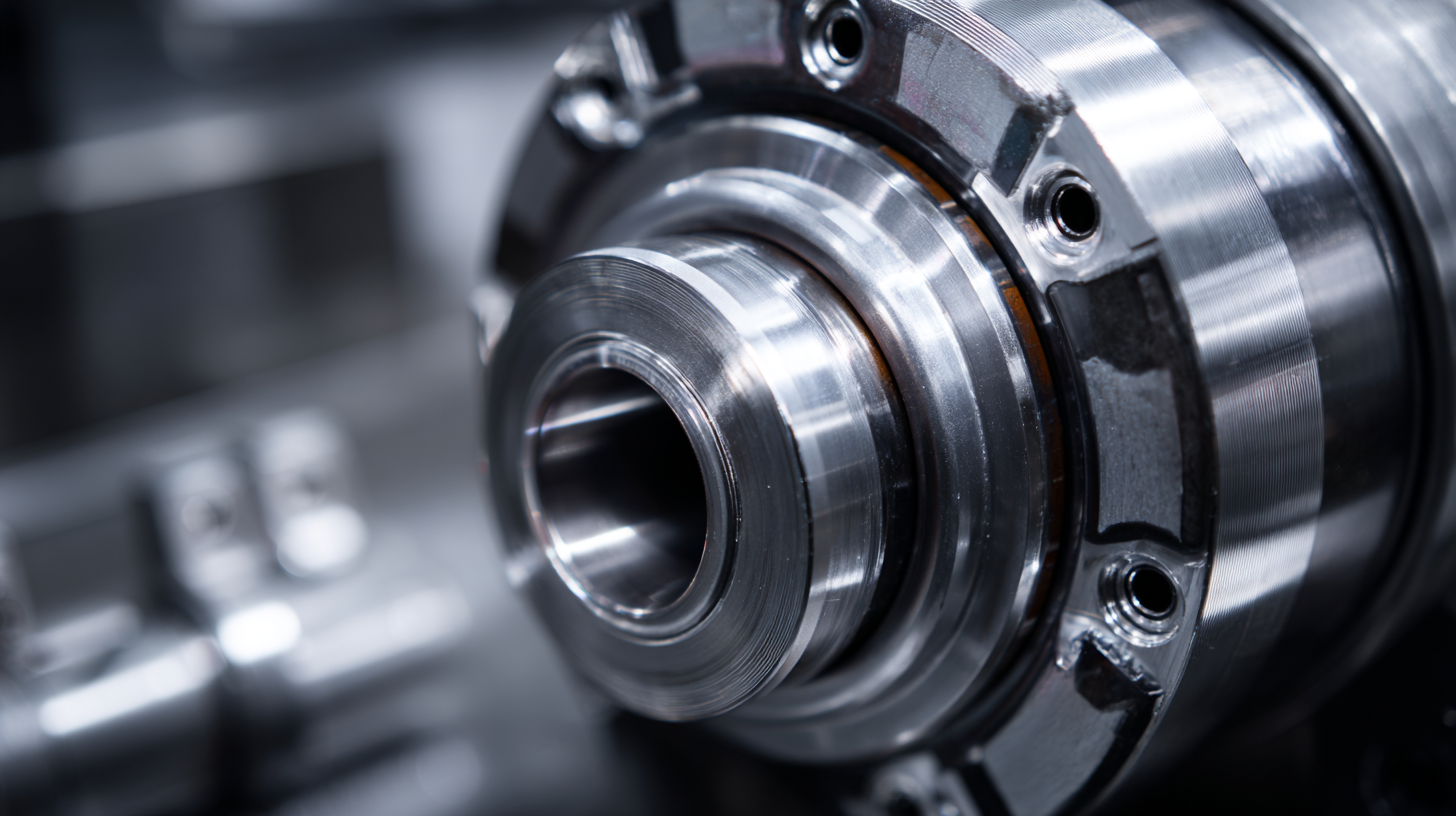
WD Bearing Group has been a trusted name in providing top-notch bearings to OEMs in these fields. They use some pretty advanced machining tools and smart software to make sure every bearing is spot on. With a real focus on innovation and a team of skilled pros behind the scenes, WD Bearings makes sure their Gear Pump Bearings are built to last and work efficiently. This definitely helps keep operations running smoother and cuts down on maintenance headaches.
How to Choose the Right Gear Pump Bearing for Optimal Performance

As industries keep changing and evolving, picking the right bearing is more important than ever if you want to hit those performance targets and boost overall productivity. It’s all about getting the right components in place for that seamless, hassle-free performance you need.

Understand the Different Types of Gear Pump Bearings Available

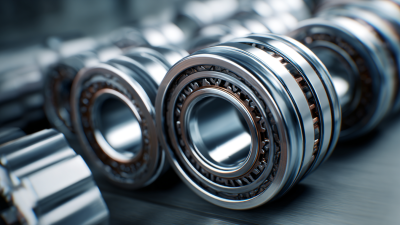
Picking the right bearing for your gear pump really matters if you want things to run smoothly and last longer. There are actually a few different types of gear pump bearings out there, each with their own perks depending on what you're using them for. For example, rolling element bearings—like ball and roller bearings—are great if you need low friction and high speeds. They’re pretty much built for efficiency. According to a report from the Global Industry Analysts, the demand for these kinds of bearings is expected to grow at around 4.5% annually from 2022 to 2027, thanks to better manufacturing tech and more automation in industries these days.

Now, on the flip side, sleeve bearings are kind of the simple, tough guys in the game. They’re made from materials like bronze or plastic, and they can handle heavier loads without fuss. Plus, they tend to last well because they resist wear pretty nicely. A study by Research and Markets mentioned that sleeve bearings make up about 30% of the global market — which makes sense, considering how budget-friendly and reliable they are for gear pumps. Understanding the main differences and strengths of these bearing types is super important. It helps you pick the right one for your setup, which can really boost performance and cut down on downtime.

How to Choose the Right Gear Pump Bearing for Optimal Performance - Understand the Different Types of Gear Pump Bearings Available

Bearing Type Material Load Capacity (N) Temperature Range (°C) Applications
Ball Bearing Steel 5000 -20 to 100 General Purpose
Roller Bearing Steel 8000 -20 to 120 Heavy Load Applications
Sleeve Bearing Bronze 3000 -30 to 90 Low Speed Applications
Thrust Bearing Stainless Steel 6000 -20 to 150 High Thrust Load Applications
Magnetic Bearing Composite Materials Varies -40 to 200 High-Speed Applications

Evaluate the Material Composition for Durability and Performance

How to Choose the Right Gear Pump Bearing for Optimal Performance When you're picking out a bearing for your gear pump, it’s really important to consider what material it’s made of. Why? Because that choice plays a big role in how long the bearing will last and how well it performs. Bearings face all kinds of stresses—mechanical forces, temperature swings, and exposure to different fluids—and the material needs to hold up against all that. The right material can make a huge difference in how resistant it is to wear, rust, and heat, which all impact the overall efficiency of your pump system.

Most common bearing materials include bronze, some composite options, and various plastics. Bronze is a classic—it’s strong and super resistant to wear, so it’s perfect for heavy-duty jobs. Composites, on the other hand, tend to resist corrosion better and are lighter, making them a good pick for harsh chemical environments. Some plastics are also used because they have low friction and can even lubricate themselves, meaning less maintenance and a longer lifespan for the bearing. Bottom line? Picking the right material really matters if you want your gear pump to run smoothly and reliably for the long haul.

Consider Load Ratings and Operating Conditions for Your Application

When you're choosing the right bearing for your gear pump, it's pretty important to think about both the load ratings and the specific conditions your setup will face. Load ratings are a big deal because they tell you how much weight and force the bearing can handle during operation. Picking a bearing that can handle those expected forces—whether they're static or dynamic—really helps improve both how well your pump works and how long it lasts.

On top of that, you want to consider the operating environment—things like temperature swings, speed, and the lubrication you're using. For example, if things tend to get pretty hot, you'll need bearings made to resist thermal stress. Or if you're running at high speeds, you might need bearings that have less friction to keep everything running smoothly. At WD Bearing Group, we take all these factors seriously. We use cutting-edge machining tools and advanced software to make sure our bearings meet the needs of OEMs across various industries—think agriculture, construction, and more. Our team of skilled pros is all about creating solutions tailored to your specific needs, so even in tough conditions, our bearings perform like a champ.

Assess Maintenance Requirements for Long-Term Reliability

When you're choosing bearings for your gear pump, it’s really important to think about maintenance. After all, these bearings are constantly under pressure and moving all the time, so regular check-ups are a must to catch any early signs of wear or damage. Things like keeping everything well-lubricated and making sure everything’s aligned properly can really help prevent unnecessary friction, which might lead to overheating or even an early breakdown. Setting up a routine maintenance schedule actually pays off—it can extend the life of your bearings, keep the pump running smoothly, and cut down on unexpected downtime.

Plus, don’t forget that the type of bearing material you pick can have a big impact on maintenance. Some materials might need more frequent lubrication or could be more prone to corrosion depending on your environment. So, understanding how and where your gear pump will be used is key to choosing the right bearings—ones that not only do the job well but also fit your maintenance capacity. Taking the time to evaluate these factors upfront really helps in keeping your gear pump running reliably, which ultimately boosts both efficiency and productivity.

Identify Manufacturer Specifications and Quality Certifications

When you're choosing the right bearings for your gear pump, it’s super important to get a good grip on what the manufacturer specs are and whether they’ve got the right quality certifications. I mean, did you know that, according to MarketsandMarkets, the global bearing market is projected to hit around $155 billion by 2025? That really shows how crucial quality is when picking out bearings. Manufacturers usually give all sorts of details—load ratings, the materials they’re made of, and even the tiny tolerances in their dimensions. Honestly, these specs are key because they tell you if the bearing will hold up in your specific application, influencing both how long it lasts and how well it performs.

On top of that, certifications like ISO 9001 or ISO/TS 16949 are legit markers of trustworthiness. A study from the American Society of Mechanical Engineers (ASME) even found that parts meeting strict quality standards tend to wear out less, which means they last longer and don’t require as much maintenance. So, if you take the time to check these specs and certifications before making a decision, you can really cut down on operational risks. That means your system runs smoother and you get to avoid costly downtime—pretty much a win-win for any industrial setup.

Optimal Performance of Gear Pump Bearings

Analyze Cost vs. Performance Benefits of Various Bearing Options

When you're picking out the right gear pump bearing, it’s really important to weigh the costs against the performance benefits of different options. Bearings are a crucial part of how gear pumps work—they need to handle heavy loads without losing precision or efficiency. Sure, cheaper bearings can be tempting at first, but be careful—those might cause more trouble down the line, leading to more repairs, failures, and worse performance overall. Putting some extra money into higher-quality bearings might seem costly upfront, but it usually pays off in reliability, longer lifespan, and lower maintenance costs. In the end, that can really help the pump run smoother and last longer.

How to Choose the Right Gear Pump Bearing for Optimal Performance

Plus, the material and design of the bearings matter quite a bit when it comes to both performance and price. For instance, ceramic or hybrid bearings tend to cost more initially, but they come with some pretty big perks—less friction, better heat resistance, and longer intervals between service. On the flip side, standard steel bearings are usually cheaper upfront, but their lower performance might mean more expenses later on. So, it’s all about finding that sweet spot—balancing the initial investment with the long-term benefits. Taking these factors into account will help manufacturers choose the best gear pump bearing that works for both their budget and their needs.

FAQS

: What are the different types of gear pump bearings available?

: The main types of gear pump bearings are rolling element bearings (such as ball and roller bearings) that provide low friction and high speed, and sleeve bearings, which are simple, can handle higher loads, and offer excellent wear resistance.

Why is it important to choose the right gear pump bearing?

Choosing the right gear pump bearing is essential for ensuring optimal performance and longevity of the equipment, enhancing operational efficiency and reducing downtime.

What advantages do rolling element bearings offer?

Rolling element bearings provide low friction and high speed capabilities, making them ideal for high-efficiency operations.

What are sleeve bearings known for?

Sleeve bearings are known for their simplicity, ability to handle higher loads, and excellent wear resistance, and they operate smoothly even in harsh environments.

What is the market share of sleeve bearings in the global bearing industry?

Sleeve bearings account for approximately 30% of the market share in the global bearing industry due to their cost-effectiveness and reliable performance.

How should one analyze the cost versus performance of bearing options?

One should consider the initial cost of the bearings against long-term expenses related to potential failures, maintenance issues, and overall performance to ensure the best investment.

What are the benefits of investing in higher-quality bearings?

Higher-quality bearings can result in better reliability, longer service life, and lower overall operational costs, ultimately boosting the pump’s performance.

How do different bearing materials affect cost and performance?

Different materials, like ceramic or hybrid bearings, may have a higher initial cost but offer advantages such as reduced friction and longer maintenance intervals, while standard steel bearings may be cheaper but can lead to higher operational costs over time.

What should manufacturers consider when selecting gear pump bearings?

Manufacturers should carefully consider factors such as bearing material, design, initial investment cost, and long-term performance benefits to strike a balance for their specific applications.

Conclusion

So, when you're trying to pick the right gear pump bearing, it’s pretty important to get a good handle on the different types out there and what each one’s best for. You also want to pay close attention to what materials they're made from—because that really impacts how long they last and how well they'll perform, especially in tough conditions. Don’t forget to check the load ratings and operating specs too; you gotta be sure the bearing can handle the stresses it'll face during real-world use.

On top of that, maintenance isn’t something to overlook if you want things to stay reliable over the long haul. Looking into manufacturer details and quality certifications can give you a good idea of how trustworthy the product is. Oh, and of course, weighing the costs against what you’re getting—making sure you get a penny’s worth without sacrificing quality—is key. Companies like WD Bearing Group are all about pushing for innovative, high-quality gear, so keeping that in mind can really help you make a smart choice.
Lila

Lila

Lila is a dedicated marketing professional at WD Bearings, where her expertise plays a crucial role in showcasing the company's robust offerings across various industries, including material handling, agriculture, construction, pumps and compressors, gearboxes, and electric motors. With a profound......
Previous Unlocking the Advantages of Best Hydraulic Pump Bearings for Enhanced Operational Efficiency