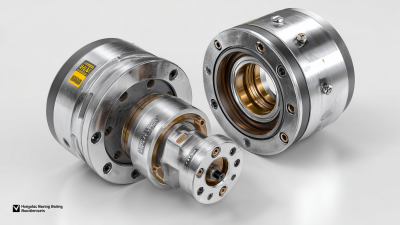
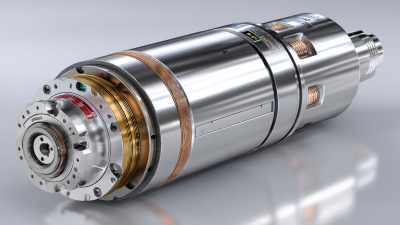
Picking the right Differential Bearing for your machinery isn’t just a small detail—it’s actually super important if you want things to run smoothly and last longer, whether you're dealing with material handling, farming gear, or construction equipment. Have you heard? The global bearing market’s set to hit around $81.6 billion by 2025, fueled by tons of new investments in infrastructure and manufacturing. WD Bearing Group, in particular, is pretty central in this space—they’re often supplying OEMs with top-notch bearings that are custom-fit for different needs. Thanks to ongoing upgrades in their machining tech and advanced bearing software, WD makes sure their differential bearings meet the high standards today’s machines call for. In a world where precision and dependability are key, knowing how to pick the right differential bearing can really boost your efficiency and cut down on maintenance costs. It’s a big deal, really.
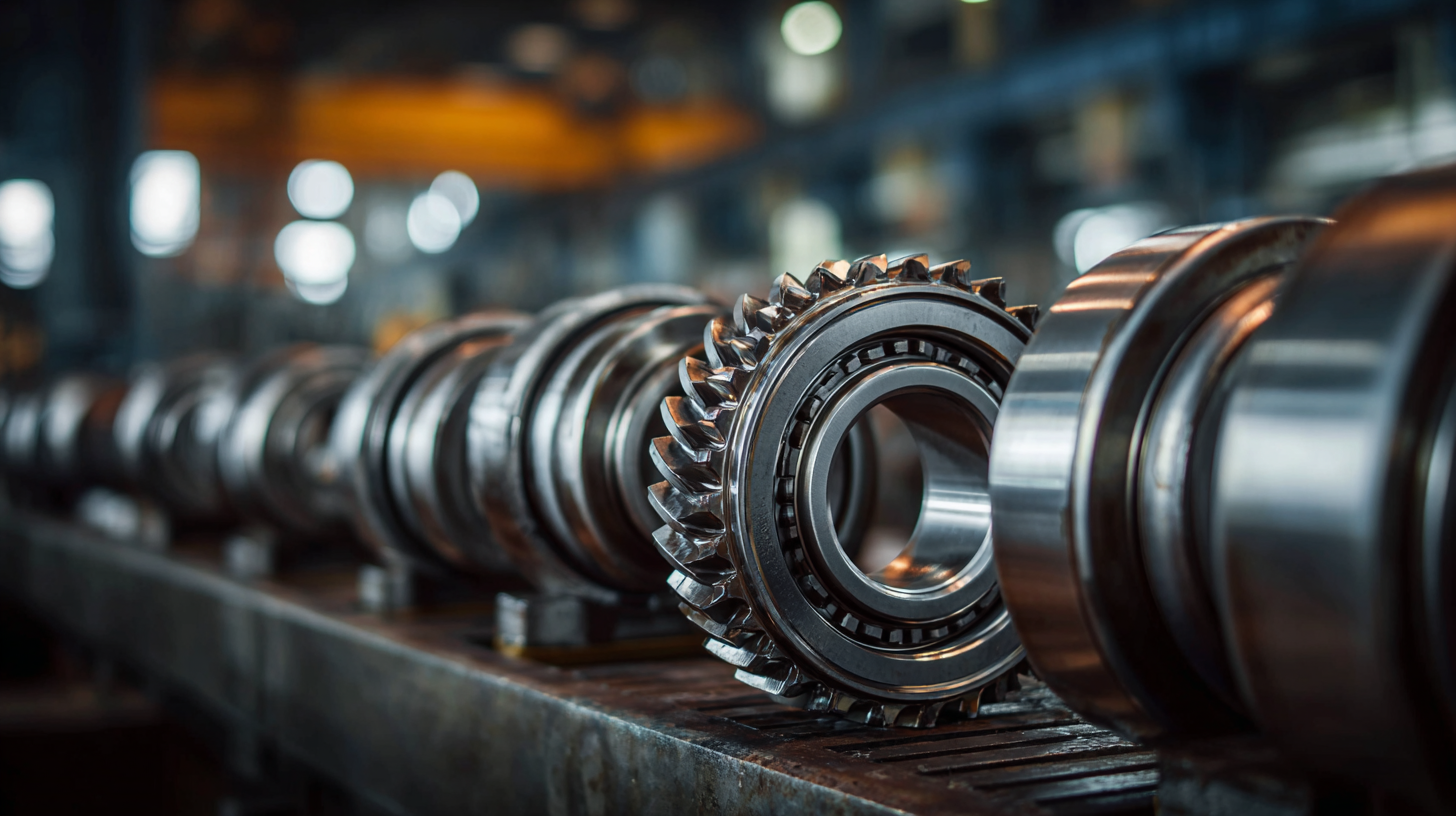
Understanding Different Types of Differential Bearings for Machinery Applications
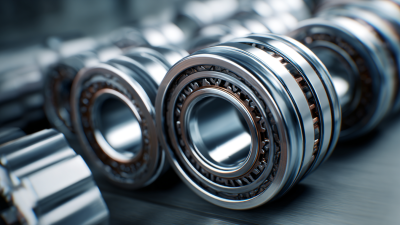
When you're trying to pick the right differential bearing for your machinery, it's pretty important to get a good handle on the different types out there and what they’re really good for. Basically, differential bearings fall into two main camps: tapered roller bearings and ball bearings. Tapered roller bearings are kinda the heavy hitters—they’re great for handling those big loads, both sideways (axial) and up-and-down (radial). I read somewhere that Market Research Future predicts the global market for these bearings will grow at about 4.5% each year from 2021 to 2028. That just shows how much they're becoming a thing in industrial machines nowadays.
On the other hand, ball bearings tend to be the go-to for lighter loads and higher speeds, mainly because they have less friction. What's pretty cool is that, according to the International Bearing Association, using ball bearings can actually make things more energy-efficient. That’s a big deal, especially since energy costs are a huge concern if your machinery runs nonstop. Picking the right bearing isn’t just about the loads; it’s also about saving money and keeping everything running smoothly over the long haul. So, knowing the differences between these types really helps engineers make smarter choices—ultimately leading to better performance and longer-lasting equipment.
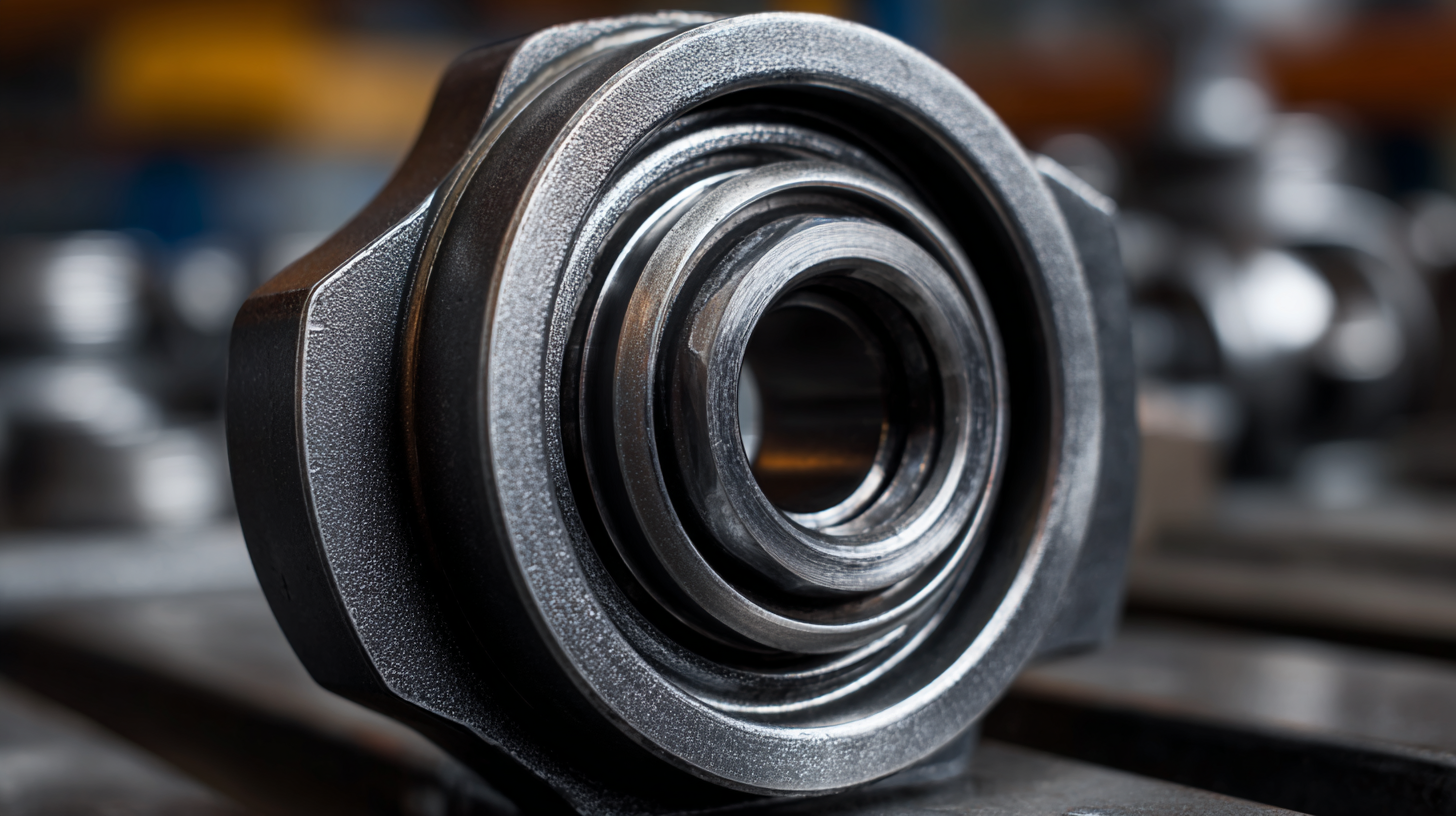
Key Factors to Consider: Load Capacity and Speed Ratings
So, when you're trying to pick the right differential bearing for your machinery, it's pretty important to get a good handle on both load capacity and speed ratings. Basically, load capacity is about how much weight or force the bearing can handle without getting deformed or breaking down. According to the folks at the American Bearing Manufacturers Association (ABMA), a lot of industrial applications need bearings that can handle dynamic loads up to about 70% of their static load rating. For example, if a bearing's static load rating is 10,000 N, it should comfortably handle around 7,000 N during regular operation for things to run smoothly.
And then there's the speed factor—usually measured in RPM. This is just as important because bearings that are used at high speeds need to minimize friction and heat so they don’t wear out too fast. The ISO (International Organization for Standardization) points out that a bearing’s maximum speed depends not just on its size and materials but also on how it’s lubricated. High-end bearings, like those made from ceramic materials, can go over 150,000 RPM! That makes them perfect for pretty demanding stuff like aerospace or automotive applications. All in all, understanding and carefully considering these key things—load capacity and speed—can really make a huge difference in how reliable and efficient your equipment turns out to be.
Material Selection: Choosing Between Steel, Brass, and Plastic Bearings
When you're choosing differential bearings for your machinery, the material you pick can really make a difference in how well they perform and how long they last. Steel bearings are pretty popular because they’re strong and resistant to wear, making them a solid choice especially for heavy-duty applications. They’re tough enough to handle rough conditions—perfect for machinery that deals with a lot of friction and pressure. But don’t forget, it's important to think about where these bearings will actually be used—things like corrosion and temperature can really impact how long they last.
On the other hand, brass bearings have their own perks. They resist corrosion like a champ and are usually easier to work with when it comes to machining. They strike a good balance between strength and ease of installation, especially in situations where loads aren’t super heavy and speeds are moderate. Brass bearings are great for precision machinery, and because they create less friction, they can even help save energy—something that’s becoming a bigger deal these days.
Then there are plastic bearings. They might not be as common, but they’re definitely making a splash thanks to being lightweight and good at insulating. They’re perfect in environments where electrical conductivity matters or where resistance to chemicals and moisture is needed—for example, in water hydraulic piston pumps. By understanding what your machinery needs and weighing the pros and cons of steel, brass, and plastic, you can pick the right bearings to boost performance and keep things running smoothly and reliably.
How to Choose the Right Differential Bearing for Your Machinery Needs
| Material | Load Capacity (N) | Temperature Resistance (°C) | Corrosion Resistance | Cost ($ per unit) |
| Steel | 1000 | 200 | Moderate | 5.00 |
| Brass | 800 | 150 | High | 8.00 |
| Plastic | 300 | 80 | Low | 2.50 |
Installation Guidelines: Best Practices for Differential Bearing Setup
When you're setting up differential bearings, it’s super important to get the installation just right if you want them to perform well and last a long time. According to a report by the National Institute of Standards and Technology, putting bearings in the wrong way or not quite right can actually bump up machinery downtime and maintenance costs by around 30%. So yeah, following the best practices isn’t just a good idea — it’s kinda a must to avoid those headaches.
First off, make sure you’ve got the right tools and that your workspace is clean. Using a calibrated torque wrench is really important because if you torque things improperly, it can mess up the bearing’s performance. The American Society of Mechanical Engineers pointed out that over 40% of bearing failures happen because they aren’t seated properly during installation — totally avoidable, right? Also, don’t forget about the lubricant. Picking the right grade can actually boost bearing life by about 20%, according to the Machinery Lubrication Journal.
And hey, don’t overlook alignment! Proper alignment during installation is kind of the deal-breaker here. If things are misaligned, it leads to uneven wear and can cause the bearing to fail way too soon. Industry studies show that regular monitoring and realigning bearings can cut down wear by up to 15%, which means the bearings last longer and overall costs go down. So, it pays to keep an eye on things and do a little maintenance here and there.
Maintenance Tips: Ensuring Longevity of Your Differential Bearings
Differential bearings are pretty important when it comes to how well your machinery runs and how long it lasts. That’s why regular maintenance is a must. To keep these parts working smoothly, you really wanna make sure they're properly lubricated. Picking the right lubricant, based on what the manufacturer recommends, can make a big difference—they help cut down on friction and keep overheating at bay, which are common issues that wear out bearings fast. It’s also a good idea to check the lubrication levels regularly and slap on some fresh grease when needed. Trust me, a little effort here goes a long way.
Another key thing to keep in mind is monitoring how your equipment is actually running. If you’re pushing it too hard or if things aren’t lined up right, those bearings are likely to wear out sooner than they should. Doing routine checks and making small adjustments can really help avoid big problems down the road. Plus, setting up a regular schedule for bearing inspections is smart—spotting signs of wear early means you can fix or replace them before they cause a major headache or downtime. Bottom line? Incorporate these tips into your maintenance plan, and you’ll be setting yourself up for longer-lasting, more reliable differential bearings.
Common Mistakes to Avoid When Selecting Differential Bearings for Machinery
When you're picking out differential bearings for your machinery, it's pretty important to steer clear of some common mistakes — trust me, it can really make a difference in how long they last and how well everything runs. One thing a lot of folks overlook is the load requirements. You gotta get a handle on the specific loads—both axial and radial—that the bearing will be dealing with in your setup. If you pick a bearing that's either too heavy-duty or not sturdy enough for those loads, it can break down sooner than it should or wear out faster, which isn’t great for your machinery’s efficiency.
Another thing that trips people up is ignoring the importance of proper lubrication. Bearings need the right lubricant to perform at their best. Using the wrong type or not enough lubricant can lead to extra friction and heat, which is just trouble waiting to happen. I'd definitely recommend checking the manufacturer’s guidelines for lubrication details — make sure you're using the right grease or oil based on your operating environment. Plus, don’t forget about environmental factors like dust or moisture, because they can really mess with bearing performance. Putting some thought into sealing and protecting your bearings can seriously boost their lifespan and keep things running smoothly, even in tough conditions.
Common Mistakes to Avoid When Selecting Differential Bearings for Machinery
This chart illustrates common mistakes made when selecting differential bearings for machinery, highlighting the frequency of each mistake based on survey data from machinery professionals.
FAQS
: Load capacity refers to the maximum weight or force that a bearing can support without deformation or failure. It is critical for ensuring optimal performance in various applications.
Dynamic load capacity is typically 70% of the static load rating. For example, if a bearing has a static load rating of 10,000 N, it should support around 7,000 N dynamically.
Speed ratings, measured in revolutions per minute (RPM), are important as they determine how well a bearing can minimize friction and heat generation at high speeds, affecting longevity and efficiency.
The limiting speed is influenced by the bearing's dimensions, materials, lubrication methods, and design. High-performance bearings can achieve significantly higher speeds than standard ones.
A common mistake is overlooking load requirements, which can lead to either selecting an over-engineered or under-engineered bearing, resulting in premature failure or excessive wear.
Proper lubrication is essential for optimal bearing function. Using the wrong type or insufficient lubrication can cause increased friction and heat buildup, negatively impacting performance.
Dust and moisture are key environmental factors that can affect bearing performance. Proper sealing and protection are essential for enhancing lifespan and reliability in challenging conditions.
It is essential to consult the manufacturer's guidelines to choose the appropriate grease or oil based on the specific operating conditions of the machinery.
High-performance bearings are often made from ceramic materials and are suitable for demanding environments such as aerospace and automotive sectors due to their ability to achieve speeds exceeding 150,000 RPM.
Common pitfalls, like improper load engineering and neglecting lubrication, can significantly reduce machinery efficiency and lead to increased maintenance costs and downtime.
Conclusion
In our recent blog titled "How to Pick the Right Differential Bearing for Your Machinery Needs," we dive into the different types of differential bearings that are key for various machine setups. Honestly, choosing the right bearing really boils down to understanding some core factors like load capacity and speed ratings—stuff you definitely don’t want to overlook. Picking the right material is also pretty important; options like steel, brass, and plastic each bring their own perks to the table.
Plus, we cover some handy installation tips and maintenance advice to help you keep those bearings in good shape for longer. We also chat about common mistakes to watch out for during the selection process. For industries catered to by WD Bearing Group, like agriculture and construction, this info can be a game-changer. It’s all about boosting your machinery’s performance and reliability, so you end up with the right differential bearing that helps everything run smoother and more efficiently.