Picking the right Cyl Roller Bearing is more important than you might think when it comes to keeping your machinery running smoothly. I read a report by the International Bearing Association that says if you don’t choose wisely, your maintenance costs could jump by around 30%. That really stresses just how crucial it is to carefully evaluate what your bearings need.
Industry veteran John Smith once mentioned, “Getting the proper Cyl Roller Bearing can seriously boost your machine’s efficiency.” And honestly, he’s spot on. You’ve got to think about things like load capacity, speed, and how you’re lubricating—because every single application is a bit different and calls for a specific type of bearing.
A lot of companies tend to rush through the selection process, without really thinking it through. That often leads to unexpected failures or expensive downtime — nobody wants that. Just keep in mind: a good Cyl Roller Bearing isn’t just some tiny part; it’s like an investment in your machine’s reliability and longevity.
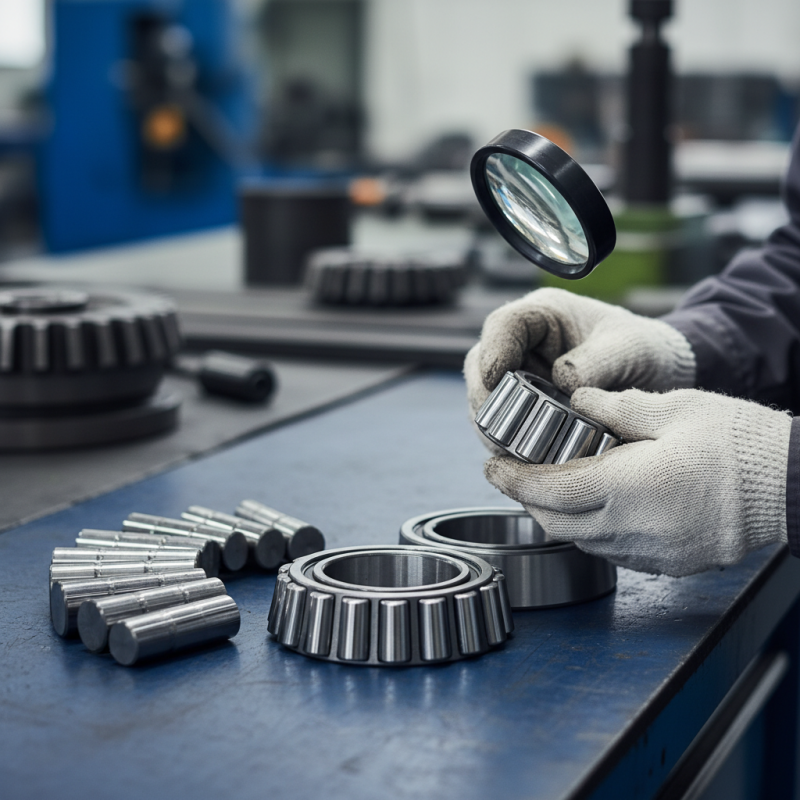
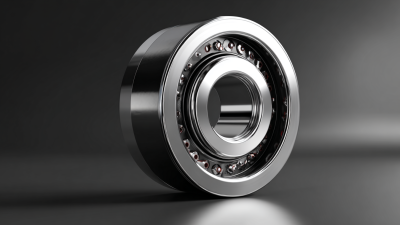
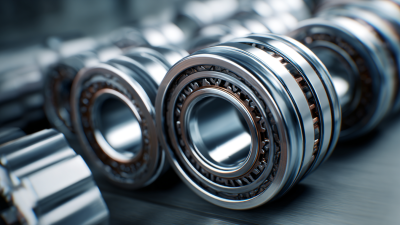
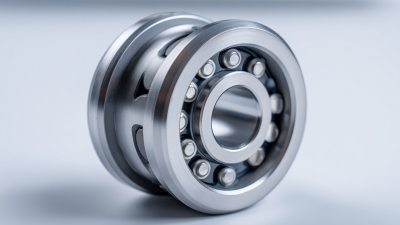
Cylindrical Roller Bearings are crucial in many applications. They excel in handling radial loads. Their design features rolling elements between inner and outer races. This unique structure allows for high load-carrying capacity. Many industries rely on these bearings, including automotive and manufacturing. There are different types available, each suited for specific needs.
When choosing a cylindrical roller bearing, consider the load requirements. The choice between a standard bearing and a Nu Roller Bearingcan impact performance. For example, Nu Roller Bearings might offer better stability under heavy loads. Analyze the working conditions like speed and temperature as well. These factors can greatly influence your selection.
While it may seem straightforward, selecting the right bearing isn't always easy. Mistakes can occur if specifications are overlooked. Always cross-check the dimensions and load ratings. A wrong choice could lead to premature wear or failure. Reflect on past experiences with bearings; learn and apply that knowledge wisely.
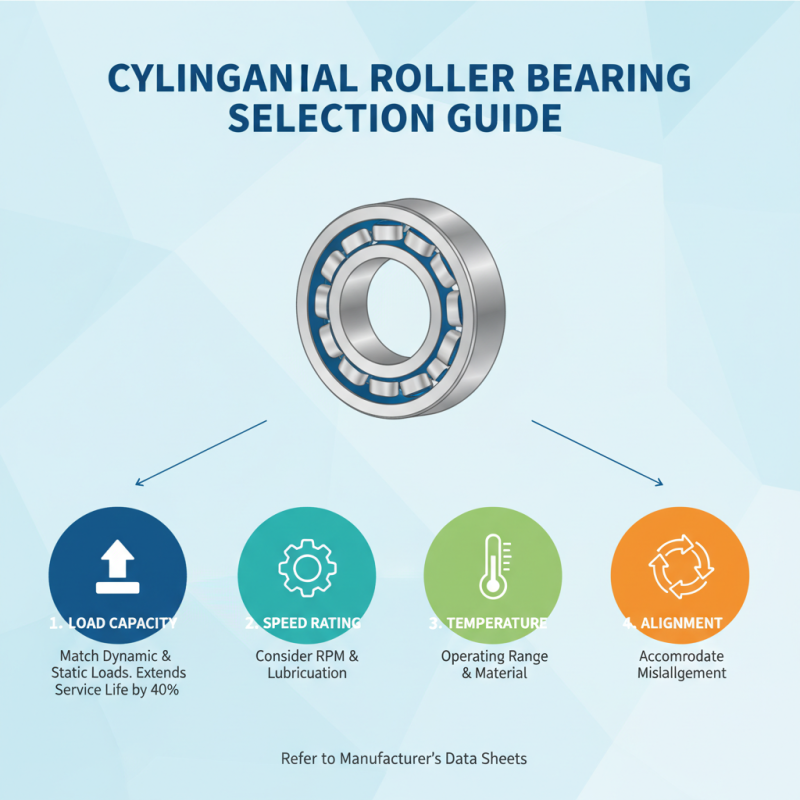
Selecting the right cylindrical roller bearing requires careful consideration of several critical factors. Load capacity is paramount. A bearing should match the dynamic and static loading conditions it will face. For example, studies indicate that proper load ratings help ensure optimal bearing performance, extending service life by as much as 40%. Always refer to applicable load data when selecting.
Dimensions also play a crucial role. The inner and outer diameter must align with your equipment specifications. Misalignment can lead to premature failure. Additionally, the width of the bearing affects fit and clearance. A well-chosen Road Roller Bearing will fit snugly without excess clearance, which can lead to vibrations.
Furthermore, material selection is essential. Steel bearings are common, but options like ceramic offer advantages in specific applications. They resist wear and corrosion but might not be suitable for all conditions. Consider your operational environment when making this choice. Regularly reviewing these factors can mitigate costly mistakes and improve your overall efficiency.
When selecting cylindrical roller bearings, understanding the types and their characteristics is essential. There are several types of cylindrical roller bearings, including single-row, double-row, and multi-row designs. Each type serves different applications, offering unique advantages. For example, single-row bearings excel in high-speed applications, while double-row bearings provide enhanced load capacity.
The tapered configuration of roller elements allows for a larger contact area. This results in better load distribution and higher stiffness. According to industry reports, the demand for cylindrical roller bearings has grown by approximately 7% annually. This growth is driven by their superior performance in heavy machinery.
Tips: Always consider the application environment. High temperatures or contamination can impact performance. Ensure proper sealing and lubrication for longevity. Crossed Roller Bearings also exist, which are particularly effective in applications requiring high rigidity and reduced dimensions. These bearings can offer alternative solutions for compact designs. Selecting the right bearing involves balancing these characteristics with the specific operational needs of your machinery.
When selecting a cylindrical roller bearing, understanding load capacity is crucial. Load capacity dictates how much weight the bearing can handle. It also influences performance under various conditions. A high load capacity means better durability and longevity for your equipment. Keep in mind that exceeding this load can lead to premature failure or damage.
Performance ratings are another key aspect. These ratings assess how well a bearing will operate under specific conditions. Factors like speed, lubrication, and environment play significant roles. A bearing with a high performance rating may be necessary for challenging applications. However, it's essential to match this with your actual usage. An over-specification can lead to increased costs without much benefit.
Consider the specific requirements of your application. Are you operating in a high-heat environment? Or are you using it for heavy loads? Sometimes, the best choice involves a compromise between load capacity and performance. Ask yourself if you're prioritizing one over the other. Take the time to evaluate your needs carefully. It may require trial and error to find the perfect fit for your situation.
When selecting cylindrical roller bearings, material choices are crucial. The type of material affects performance, durability, and overall efficiency. Common materials include steel and ceramic. Steel is widely used and offers good strength. However, it can suffer from wear and fatigue over time. Ceramic materials are lighter and can withstand higher temperatures. But they may not be suitable for all applications.
It’s important to choose the right material based on the specific needs of your machinery. Consider factors like load capacity and operating conditions. For example, if the environment is corrosive, look for bearings with coatings. Sometimes, users overlook these details. This can lead to unnecessary maintenance costs and downtime.
Cylindrical roller bearings, particularly Angular Roller Bearings, can provide improved performance in certain situations. They offer greater load-carrying capacity and better alignment. Evaluate your application carefully. It’s beneficial to consult with experts if you feel uncertain. The right decisions about materials can make a significant difference in the longevity of your machinery.
| Material | Applications | Temperature Range (°C) | Load Capacity (N) | Corrosion Resistance |
|---|---|---|---|---|
| Chrome Steel | General industrial applications | -30 to 150 | 5000 | Moderate |
| Stainless Steel | Food and chemical processing | -20 to 160 | 4800 | Excellent |
| Bronze | Marine and high-wear applications | -40 to 120 | 3500 | Good |
| Thermoplastic | Lightweight and low-load applications | -20 to 80 | 1500 | Fair |
| Ceramic | High-speed and low-friction applications | -50 to 200 | 6000 | Excellent |
When installing cylindrical roller bearings, proper alignment is crucial. Misalignment can lead to premature failure. Additionally, always ensure the working environment is clean. Any debris can potentially damage the bearing during installation and operation.
Tips for maintaining longevity include regular lubrication. Use the right type of lubricant for your environment. Over-lubricating can cause excess heat. Under-lubricating might lead to friction and wear. Monitor temperature and adjust accordingly.
Consider periodic inspection. Look for unusual noises or vibrations during operation. They can indicate problems developing in the bearing. Address issues promptly to avoid larger failures. Investing effort in regular maintenance pays off in the long run.
Cylindrical roller bearings are essential in many applications. However, there are common misconceptions that can lead to poor choices. Many believe that bigger bearings always mean better performance. This is not true. Size does not guarantee strength or durability.
Another myth is that all cylindrical roller bearings have the same load capacity. In reality, load capacity varies widely based on design and material. Users often overlook these factors when making decisions. This can result in early failures or inefficient operation. Understanding the specifics of each bearing type is crucial.
Some might think that lubrication is unnecessary. This misconception can lead to higher wear rates in bearings. Regular maintenance is key for longevity. Without the right care, even the best bearings can underperform. Always consider the working environment. Temperature changes and exposure to contaminants can affect performance significantly.
: The article discusses important concepts and insights relevant to the topic.
It is aimed at individuals interested in the subject matter.
Yes, the article suggests various strategies for improvement.
You can implement the strategies in your daily life or work.
You may encounter resistance or difficulty in adapting.
Yes, personal reflection is crucial for effective application.
Yes, several real-life examples help clarify the concepts.
Reflect on your approach and adjust your methods accordingly.
Yes, it highlights common mistakes that people make.
Regular review can solidify your understanding and progress.
Cyl Roller Bearings are essential components in various machinery, offering enhanced load capacity and performance. When selecting the right Cyl Roller Bearing, it is crucial to understand their applications, select the appropriate type based on specific characteristics, and consider factors like load capacity and material choices. Proper installation and maintenance are vital for ensuring the longevity of these bearings, as well as dispelling common misconceptions that may lead to improper use.
Understanding these elements will help you make informed decisions when choosing the appropriate Cyl Roller Bearing for your needs. By assessing application requirements and adhering to best practices for installation and upkeep, you can optimize the performance and durability of your equipment.