Picking out the right Cylindrical Ball Bearing is pretty crucial if you want your machines to last longer and run smoothly. I mean, as John Smith from Bearing Solutions Inc. puts it, "Choosing the right bearing can really boost performance and save you a ton on maintenance.» It's all about knowing what your equipment actually needs.
When you're looking at these bearings, things like how much weight they need to handle, how fast they’ll be spinning, and the environment they're in — those are key factors. If you pick the wrong one, it might wear out quickly or even break down unexpectedly. So, it’s super important to carefully weigh your operating conditions — a small mistake in selection can lead to costly downtime.
And hey, even if you're pretty experienced, stuff can still get tricky. Not all manufacturers give you all the info you need. The differences in quality and design can be pretty subtle but make a big difference, so it’s smart to stick with trusted suppliers and don’t be shy about asking for advice. After all, the performance of your machinery really depends on getting your bearing choice just right.
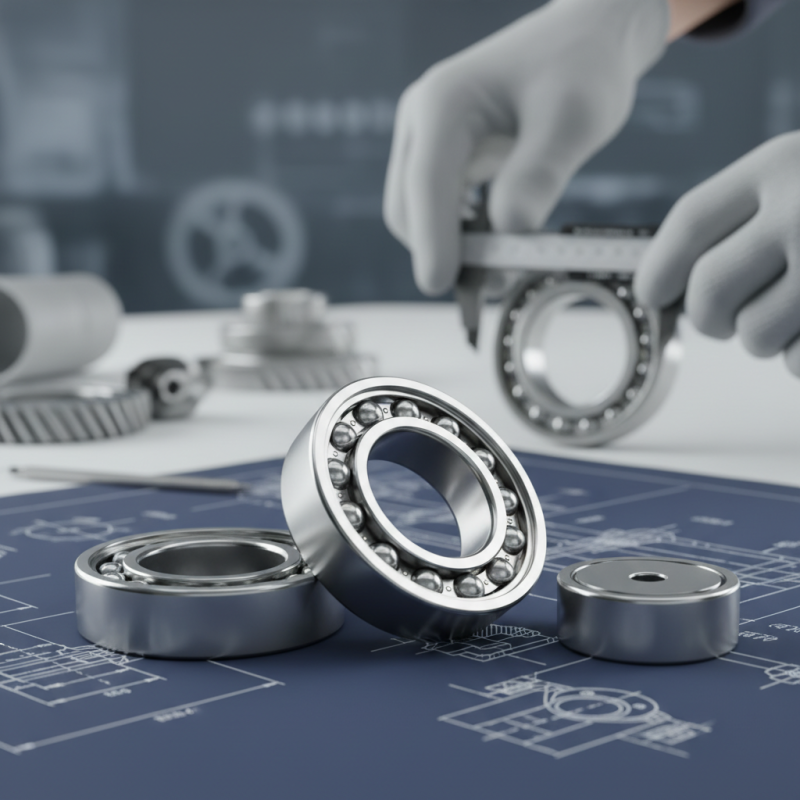
Cylindrical Ball Bearings are critical components in various machinery. They minimize friction and support loads effectively. According to a recent market report by Verified Market Research, the global ball bearing market is expected to reach $19.2 billion by 2028, driven by increasing demand in automotive and industrial applications.
Choosing the right cylindrical ball bearing involves understanding their structure and function. These bearings typically feature an inner and outer ring, along with rolling elements. The design allows for both radial and axial loads, making them versatile. It’s essential to consider load ratings and material specifications. A study from the Journal of Mechanical Engineering indicated that improper selection can lead to premature failure, underscoring the importance of precision in this choice.
Cnc Ball Bearing specifically cater to high-precision applications. These bearings must often withstand high speeds and heavy loads. Research shows that even minor errors in selection can cause significant operational inefficiencies. This highlights the need for careful analysis of operating conditions. Understanding your specific requirements can greatly aid in selecting the right model.
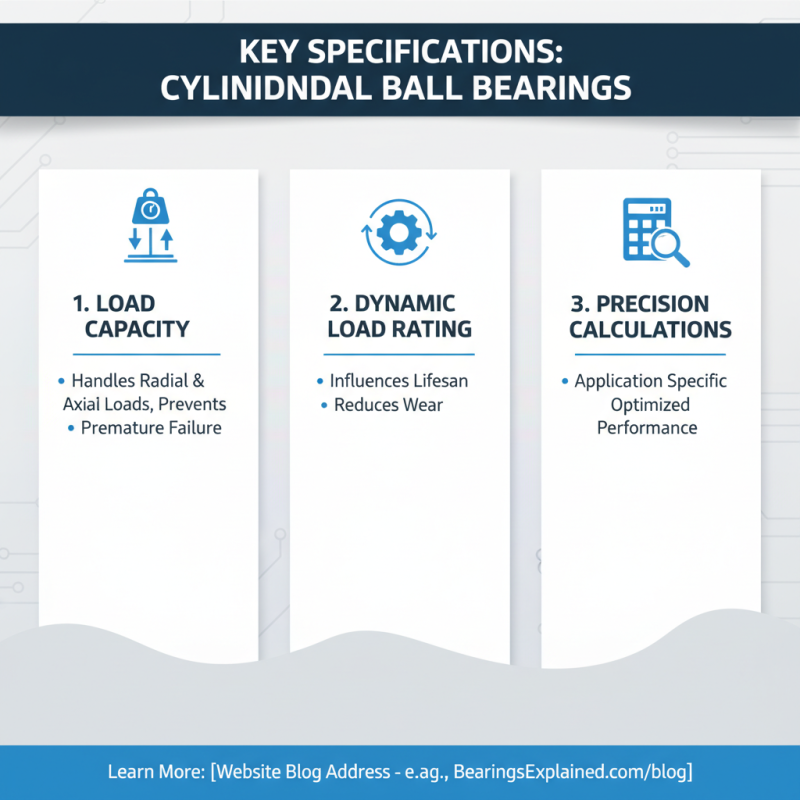
When selecting a cylindrical ball bearing, understanding key specifications is crucial. Load capacity, for instance, is essential. Bearings must handle radial and axial loads without excessive wear. According to industry reports, a bearing's dynamic load rating can greatly influence its lifespan. Choosing the right load capacity can prevent premature failure. Many applications require precise load calculations.
Another critical specification is the bearing's speed rating. Bearings are designed for various speeds, and exceeding these limits can lead to overheating. The general rule is to match the bearing speed with the application requirements. Studies indicate that operating at or above the recommended speed can reduce lifespan by nearly 50%.
Material selection also greatly impacts performance. The choice between steel and ceramic impacts durability and resistance to corrosion. Steel bearings are standard, but ceramic options offer lower friction. Reports suggest that ceramic bearings can operate at higher speeds and in harsher environments. However, they may be more susceptible to impacts and require careful consideration. Each specification carries weight and warrants detailed attention to ensure optimal performance in diverse applications.
When selecting cylindrical ball bearings, material choice plays a critical role. The common materials include chrome steel, stainless steel, and ceramic. Each offers unique properties that affect performance and longevity. According to industry reports, chrome steel bearings have high load capacities and durability. They are widely used in applications where high hardness is essential.
Stainless steel bearings are resistant to corrosion. This makes them suitable for harsh environments. Their resistance to rust extends the lifespan of the bearing. However, they usually have lower load capacities compared to chrome steel. In specific applications, these factors can limit performance and efficiency.
Ceramic bearings are lighter and have lower friction. They excel in high-speed applications. These materials can withstand high temperatures and offer superior wear resistance. However, ceramic bearings tend to be more brittle. This can lead to issues if not handled carefully. Evaluating the specific requirements of your application is crucial for making the right choice.
When selecting a cylindrical ball bearing, load capacity is essential. Load capacity refers to the maximum weight a bearing can handle without failure. The right choice ensures durability and optimal performance. According to industry reports, a bearing's load capacity is influenced by factors like material, size, and design. For instance, steel bearings typically support higher loads than plastic ones.
Performance is another critical aspect. A bearing must not only carry weight but also operate smoothly under dynamic conditions. Research indicates that the friction within a bearing can influence energy efficiency significantly. Bearings with lower friction coefficients can improve the overall system's performance. This is especially true for applications involving a Ball Mill Bearing, where precision is crucial due to high-speed operation.
Assessing your needs involves a careful balance. Consider both static and dynamic loads, as well as potential shock loads. It’s common to underestimate the effects of shock loads. These can drastically reduce the lifespan of Ball Mill Bearings. Take the time to evaluate operational conditions and changes in load profiles. Failure to do so can lead to costly downtime and repairs.
Choosing the right cylindrical ball bearing requires careful consideration of various environmental factors. The operating temperature is critical. Bearings exposed to extreme heat may fail quicker. Cold environments can lead to brittleness. Always check the temperature range before making a selection.
Another significant factor is exposure to moisture. High humidity or direct liquid contact can corrode bearings. It’s essential to choose materials resistant to rust. Additionally, particles in the air can lead to wear and tear. In dusty environments, sealed bearings are preferable to protect internal components.
Vibration levels should also be assessed. Excessive vibration can degrade bearing performance. It may lead to misalignment or increased wear. Consider the vibration conditions in the application. Lastly, while every choice matters, it's easy to overlook environmental influences. Reflect on potential factors that could impact your selection. This awareness can save time and costs in the long run.
Cylindrical ball bearings are commonly used in various applications. They are often found in machinery that requires high load capacity. For instance, manufacturing equipment benefits from these bearings due to their ability to handle radial loads effectively. Users appreciate the smooth motion they provide, which reduces friction and wear.
In automotive applications, cylindrical ball bearings are essential. They support rotating parts such as wheels and drive shafts. Their durability under high speeds and loads makes them reliable. However, users must consider environmental factors. Temperature and moisture can affect bearing performance. Neglecting these aspects can lead to premature failure.
Another significant area is in electric motors. Here, cylindrical ball bearings enable efficient operation with less noise. Their precision is crucial for optimal functionality. When choosing a bearing, one must also think about maintenance. Regular inspection can prevent unexpected breakdowns. This proactive approach ensures smooth operation and extends the lifespan of the equipment.
This chart illustrates the common applications and their respective usage percentages for cylindrical ball bearings.
Proper maintenance of cylindrical ball bearings plays a crucial role in their longevity. Studies show that regular inspection and cleaning can increase bearing lifespan by up to 50%. Dust, dirt, and moisture are common culprits that can lead to premature wear. Creating a routine to check for these elements is essential. Many forget that even minor contamination can cause significant damage over time.
Lubrication is another critical factor that affects performance. Experts recommend using the right lubricant according to operational conditions. For instance, high-speed applications often require specific greases to prevent overheating. Ignoring this can result in failures. Maintaining optimal lubrication levels keeps the Contact Ball Bearing functioning smoothly and extends its service life.
Additionally, vibrations from misalignment can hasten wear. Regularly check alignment and ensure components fit correctly. Using tools like vibration analyzers can help in monitoring the condition of the bearing. These insights can provide real-time feedback, allowing for proactive measures rather than reactive fixes. Implementing these tips can prove challenging but will yield substantial benefits over time.
: Common materials include chrome steel, stainless steel, and ceramic. Each material has unique properties.
Chrome steel bearings have high load capacities and durability. They perform well in high-hardness applications.
Stainless steel bearings resist corrosion. This resistance helps them last longer in wet or humid conditions.
Ceramic bearings are lighter and reduce friction. They excel in high-speed applications and withstand high temperatures.
Yes, ceramic bearings can be brittle. Careful handling is essential to avoid breakage.
Factors include operating temperature, moisture exposure, and vibration levels. Each can influence bearing performance.
Extreme heat can lead to quicker failure. Cold temperatures may cause brittleness in bearings.
High humidity or direct contact with liquids can cause corrosion. It's key to select rust-resistant materials.
They're used in machinery that needs high load capacity, like manufacturing equipment and automotive parts.
Regular inspections can prevent unexpected breakdowns. This proactive approach extends equipment lifespan.
When selecting the right cylindrical ball bearing for your needs, it's essential to understand the critical specifications and materials that influence performance. An overview of cylindrical ball bearings highlights their design, while key specifications, such as bore size, outer diameter, and load ratings, play a crucial role in ensuring optimal functionality.
Load capacity and environmental factors also impact bearing selection, as they dictate the bearing's ability to perform under varying conditions. Moreover, knowing the common applications for cylindrical ball bearings helps in identifying the right type for your specific requirements. Finally, implementing maintenance tips can significantly enhance the longevity and reliability of these essential components, ensuring that they operate effectively in their intended applications.