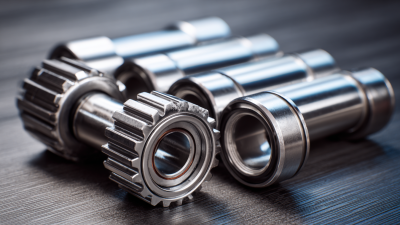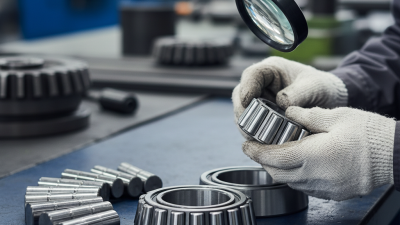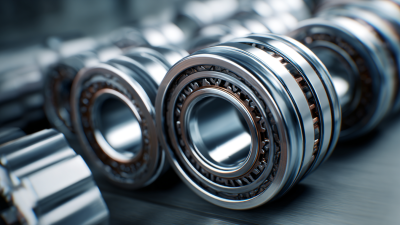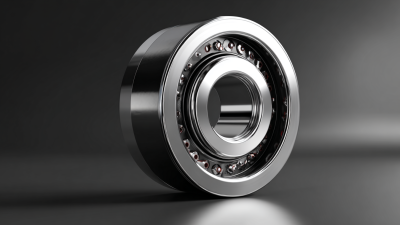
In the world of mechanical engineering, choosing the right components is honestly a big deal for overall performance. Take Cylindrical Bearing Rollers, for example — they're pretty much key players when it comes to cutting down friction and reducing wear and tear. I came across a report in the International Journal of Mechanical Engineering that pointed out something pretty eye-opening: if you don't pick your rollers carefully, you could see equipment failures shoot up by about 30%. That really underscores just how important it is to give this stuff some serious thought.
Experts agree too. I remember David Smith, from Precision Bearings Inc., once mentioning, "Choosing the right Cylindrical Bearing Rollers can really make a difference in how long your machinery lasts and how efficiently it runs." I think that sums it up — if you go for top-quality rollers, your chances of smoother, longer-lasting operation go way up. But surprisingly, lots of engineers tend to overlook important things like load capacity or what material the rollers are made of, which can be a real mistake.
And let’s not forget — the applications can be super complex. There’s no magic bullet here. Every situation is different and needs its own set of specs. Sometimes, people end up making common mistakes, like using standard rollers in really specialized setups. It’s often worth taking a moment to step back and reevaluate your choices. When you really get into the details and pick your "Cylindrical Bearing Rollers" wisely, it can seriously improve how well everything works — kind of a game-changer, you know?
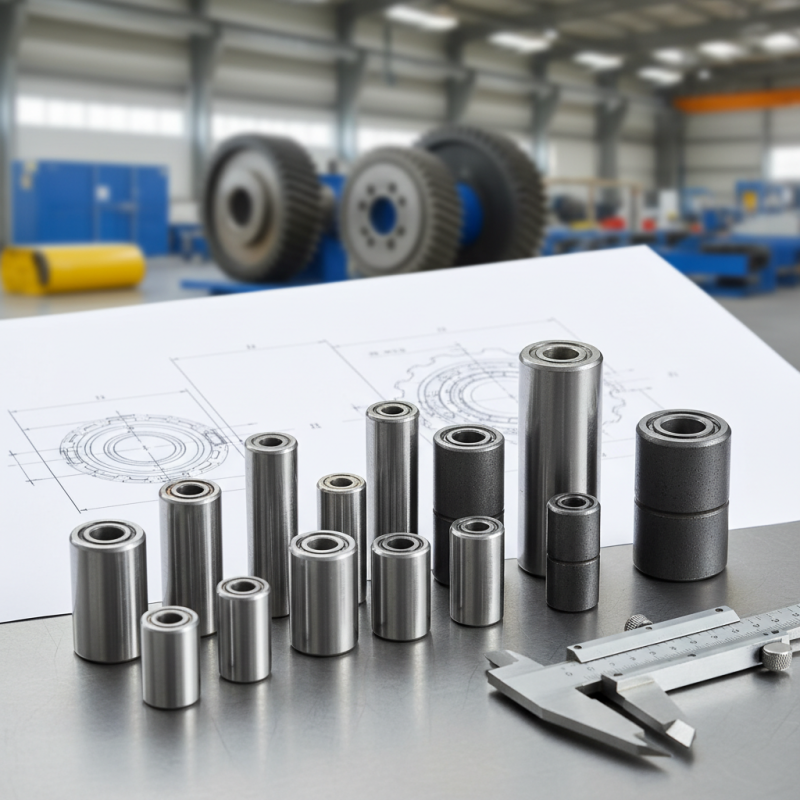
Cylindrical Rollers are essential components found in various machinery. Their design enables them to handle high radial loads while minimizing friction. Understanding their construction and functionality is critical for optimal performance. The shape of the rollers facilitates even weight distribution, reducing wear over time.
Selecting the right Cylindrical Rollers requires an understanding of their specifications. It’s important to consider factors such as diameter, length, and material. Not all rollers suit every application. A mismatch can lead to premature failure or inefficiency. Testing various sizes may reveal surprising results.
In addition, environmental conditions play a significant role. Factors like temperature and humidity can impact the performance of cylindrical rollers. This is an often-overlooked aspect when making choices. The balance between load capacity and speed must be carefully evaluated. Regular maintenance and inspection can catch issues before they escalate. Embracing these limitations encourages a thoughtful approach when working with cylindrical rollers.
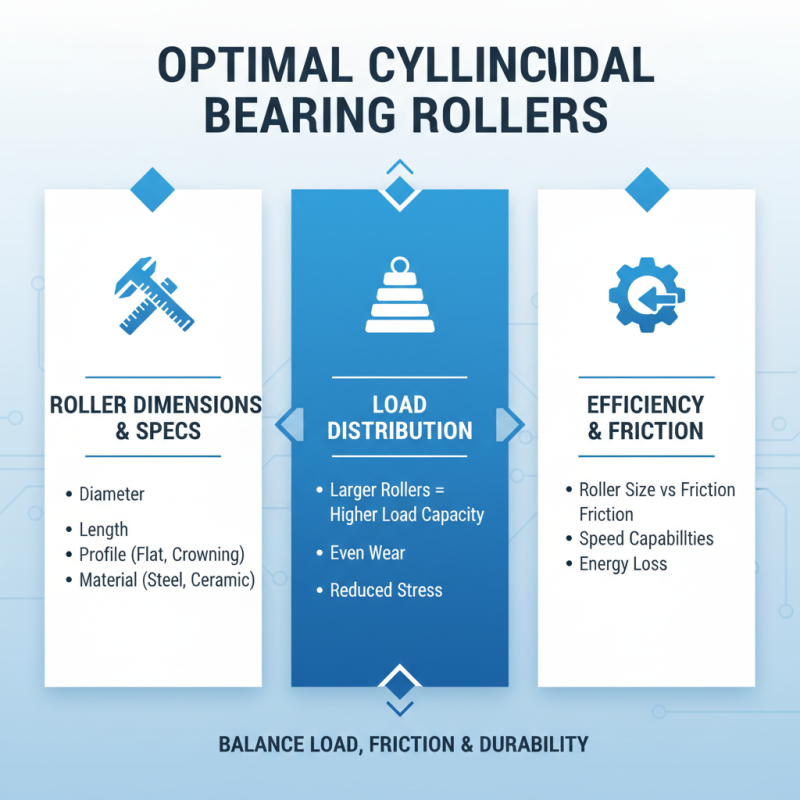
When choosing cylindrical bearing rollers, understanding performance factors is crucial. Load capacity is one critical element. It determines how much weight the bearing can handle without failure. Thicker rollers may support higher loads, but they could also increase friction. This friction impacts efficiency. It's a balancing act.
Another factor is the effective diameter of the rollers. A larger diameter can improve load distribution. However, it may lead to increased wear over time. Material choice also plays a vital role. Steel rollers provide strength, while ceramic alternatives offer resistance to heat and corrosion. Both come with trade-offs. Choosing the right material often requires careful consideration of specific applications.
Lastly, lubrication is necessary for optimal performance. It minimizes friction and extends the life of the bearings. Picking the wrong lubricant can lead to increased wear. Regular maintenance checks are essential to identify potential issues. Overall, selecting cylindrical bearing rollers is not just about one factor. It’s an integrated approach, requiring a deep understanding of how each variable interacts with the others. Decisions should be based on realistic performance expectations and specific requirements.
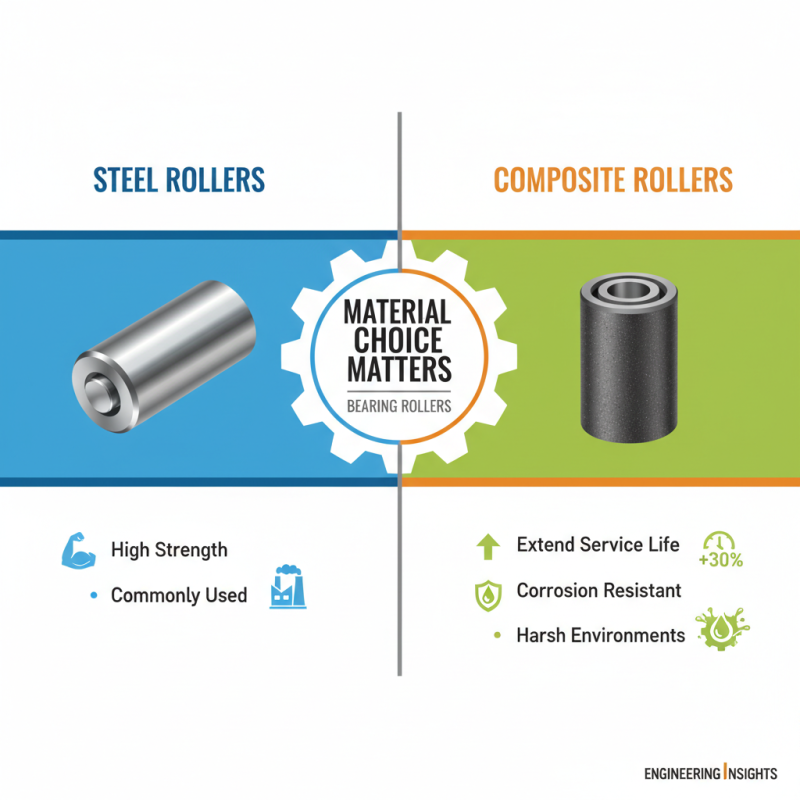
Choosing the right material for cylindrical bearing rollers is crucial for durability and performance. Steel rollers are often used due to their strength. However, composites have emerged as a viable alternative. Reports indicate that composite materials can extend service life by 30% in certain applications. They also resist corrosion, which is vital in harsh environments.
Moreover, ceramic materials show promise. They weigh significantly less than steel, which reduces energy consumption. Data from industry analyses suggest that ceramic rollers might last up to 50% longer in applications with high wear. Yet, they can be brittle, which poses risks in dynamic loads. This inconsistency makes them a choice that requires careful evaluation.
It's essential to consider the specific application. Rollers in high-speed environments need materials that tolerate heat and friction. Using the wrong material could lead to premature failure. Likewise, evaluations must consider cost versus longevity. Sometimes, more expensive options yield better long-term savings. Striking a balance between durability and cost is key for optimal performance.
When selecting cylindrical bearing rollers, understanding load capacity is critical. Different applications require specific load ratings. For example, heavy machinery often demands rollers with a minimum dynamic load rating of over 20,000N. In contrast, light-duty applications may use rollers rated around 5,000N. Actual load conditions greatly influence bearing life and performance.
Operating conditions must also be considered. Factors such as speed, temperature, and environmental exposure can affect roller efficiency. A study indicated that temperatures exceeding 100°C could reduce the lifespan of standard rollers by up to 50%. Choosing the right Cam Rollers may help mitigate these risks. Rollers with advanced materials can withstand higher temperatures and increased loads.
Regular assessment is essential. Users often overlook maintenance, leading to performance drops. Monitoring bearing temperatures and regular inspections can prevent unexpected failures. A recent report suggested that 30% of equipment downtime stems from bearing issues. Striking a balance between load capacity and operating conditions is crucial for optimal performance.
| Roller Type | Load Capacity (kN) | Operating Temperature (°C) | Material | Recommended Application |
|---|---|---|---|---|
| Standard Steel Roller | 35 | -20 to 100 | Chrome Steel | General Machinery |
| Stainless Steel Roller | 30 | -40 to 150 | Stainless Steel | Food Industry |
| Plastic Roller | 20 | -10 to 80 | Polymer | Light Load Applications |
| Ceramic Roller | 40 | -30 to 120 | Ceramic Composite | High-Speed Applications |
| Hybrid Roller | 50 | -20 to 130 | Steel and Ceramic | Heavy Duty Applications |
Choosing the right cylindrical bearing rollers is crucial for optimal performance. Key considerations include roller dimensions and specifications. The size of the roller affects load distribution and overall efficiency. Larger rollers may handle greater loads but could lead to increased friction.
When determining dimensions, pay attention to the installation space. It should accommodate the selected rollers without hindrance. Many overlook the importance of precise tolerances. Any deviation can lead to performance issues. For example, Yoke Rollers must fit perfectly to ensure smooth operation.
Materials also play a significant role. Steel and ceramic options have different wear rates and heat resistance. Often, users forget to assess their operating environment. High temperatures or corrosive environments can affect roller lifespan. Consider these factors carefully to avoid costly mistakes.
Maintenance is crucial for enhancing the performance of cylindrical bearing rollers. Regular inspections can help identify wear and damage early. Cleaning roller surfaces from dirt and debris is essential. Even minor contaminants can affect performance significantly. It's important to use appropriate cleaning solutions that won't harm the material.
Lubrication practices also play a vital role. Choosing the right lubricant can optimize roller efficiency. However, over-lubrication can lead to issues too. It’s a delicate balance. Monitoring lubrication levels should be part of the routine. Failed lubrication can result in increased friction and overheating.
In addition, proper alignment of rollers prevents uneven wear. Misalignment can cause premature failures. Regularly checking alignment can save time and resources. Yet, many overlook this step. It can lead to costly repairs down the road. A proactive approach to maintenance can greatly extend the lifespan of bearing rollers. The goal should always be optimal performance.
When selecting cylindrical bearing rollers, it’s vital to consider specific applications. Different machinery has unique needs. For instance, industrial motors often require bearings that handle high speeds. The material and design of the Bearing Cylindrical rollers affect performance. Using the wrong type can lead to premature wear or failure.
Applications like conveyor systems demand robust bearings. They need to support heavy loads while maintaining efficiency. Here, selecting the right roller diameter is crucial. A mismatch in dimensions can lead to alignment issues. Additionally, lubrication choice impacts how smoothly the rollers operate. Yet, many overlook this aspect.
In automotive applications, Cylindrical Roller Bearings play a significant role in drivetrains. They must endure vibrations and thermal fluctuations. Engineers often face challenges in balancing load capacity and heat dissipation. Conducting thorough testing is vital, yet sometimes rushed. Choosing bearing cylindrical rollers is a nuanced process. Each decision shapes performance and longevity.
High-precision cylindrical roller bearings are integral to modern engineering, offering a range of key benefits and applications that elevate performance in various industrial sectors. These bearings are particularly adept at managing aggressive radial loads and challenging environmental conditions, making them an essential choice for high-demand machinery. The quality of the bearings is underpinned by the use of premium VIM steel and in-house heat treatment processes, which ensures durability and long life even under extreme operational circumstances.
Notably, the optimized rib and raceway design enhances load capacity and lubrication flow, contributing to overall efficiency. The incorporation of specialized clearance control methods further improves rotation under high speeds and eccentric loads, which is vital in applications where precision and reliability are paramount. With features like minimized raceway undercut and a logarithmic roller profile, these cylindrical roller bearings can withstand significant radial pressures while ensuring smooth operation.
The availability of customizable designs allows for tailored solutions to meet specific engineering requirements. Options for different cage materials, such as steel, brass, and nylon, along with various surface treatments, enhance the versatility of these bearings. This adaptability makes them suitable for diverse applications, from automotive and aerospace to heavy machinery and robotics, ensuring that high-performance standards are consistently met across industries.
: Regular exercise helps improve cardiovascular health. It also boosts mental health and reduces stress.
Adults should aim for at least 150 minutes of moderate-intensity exercise weekly. This breaks down to about 30 minutes a day.
Yes, weight loss can occur through diet. However, adding exercise helps maintain weight and improve overall health.
Walking, cycling, and swimming are great options for beginners. They are low-impact and easy to start.
Setting specific goals can enhance motivation. Finding a workout buddy also helps. Yet, it can be challenging to stay consistent.
Stop exercising immediately if pain occurs. It’s essential to listen to your body. Seeking medical advice is wise.
Quality sleep boosts energy and recovery. Poor sleep can lead to fatigue and decreased performance in workouts.
Yes, risks may include injury or burnout. It’s important to ease into a new routine and consult a doctor if needed.
Proper nutrition fuels workouts and aids recovery. Eating a balanced diet is crucial for optimal performance.
No, effective exercise can be done at home or outdoors. Many bodyweight exercises require no equipment at all.
Cylindrical Bearing Rollers play a critical role in ensuring optimal performance across various applications. Understanding the fundamentals of these rollers is essential, as it allows for the identification of key performance factors such as load capacity and operating conditions. Evaluating the materials used in their construction can significantly impact their durability, while determining the right roller dimensions and specifications is vital for achieving the desired performance levels.
Additionally, effective maintenance practices can enhance the functionality and lifespan of cylindrical bearing rollers. By reviewing common applications and their specific bearing requirements, users can make informed decisions to select the most suitable cylindrical bearing rollers for their needs, ensuring reliability and efficiency in operation.