You know, in today’s super fast-paced tech world, picking the right Follower Bearing is becoming really crucial for all kinds of industries like material handling, agriculture, and construction. A recent report from MarketsandMarkets even points out that the global bearing market could hit a whopping $85.6 billion by 2025! That’s mainly because there’s this growing demand for high-performance machinery and gear.
Now, if you take a look at WD Bearing Group, they really stand out in this space. They focus on providing OEMs with reliable and innovative bearing solutions, and they’re always investing in the latest machining tools and software to keep up with the varied needs out there.
It's super important for businesses to get a grip on the tech trends and specs of Follower Bearings if they want to boost efficiency and lifespan in their applications. I mean, these components are key to making sure everything runs like a well-oiled machine.
So, in this ultimate checklist, we'll walk you through all the essential things to think about when you're picking out the perfect Follower Bearing that fits your unique needs.
Identifying Your Specific Requirements for Follower Bearings
Choosing the right follower bearing for your application can feel a bit overwhelming, huh? It’s really important to get a good grasp on what you actually need. Since follower bearings come in all sorts of sizes, materials, and configurations, the first step is to take a hard look at how they'll be used in your specific setup. Think about things like load capacity, speed, and the environment they’ll be in—these factors really matter when it comes to how well the bearing performs and how long it will last.
A little tip: Before you actually head out to buy, do a solid review of your machinery's specs. Dig up any manuals or documents you can find—they often have great recommendations for bearing types that can give you the best performance. And if you can, chat with engineers or technicians who’ve worked with these things before; they can really help clarify your needs.
Now, don’t forget about maintenance! Different follower bearings need different levels of care, and that can seriously impact how efficiently your machine runs and any downtime you might face. If you’re looking for something that won’t require constant attention, you might want to check out sealed or lubricated bearings. They’re designed to hold up against tough conditions without needing a lot of frequent maintenance.
Another tip: Always keep a maintenance schedule in mind when you’re picking your bearing. This way, you’re not just thinking about what works now, but you’re also setting yourself up for long-term reliability and productivity in your project.
Understanding Different Types of Follower Bearings Available
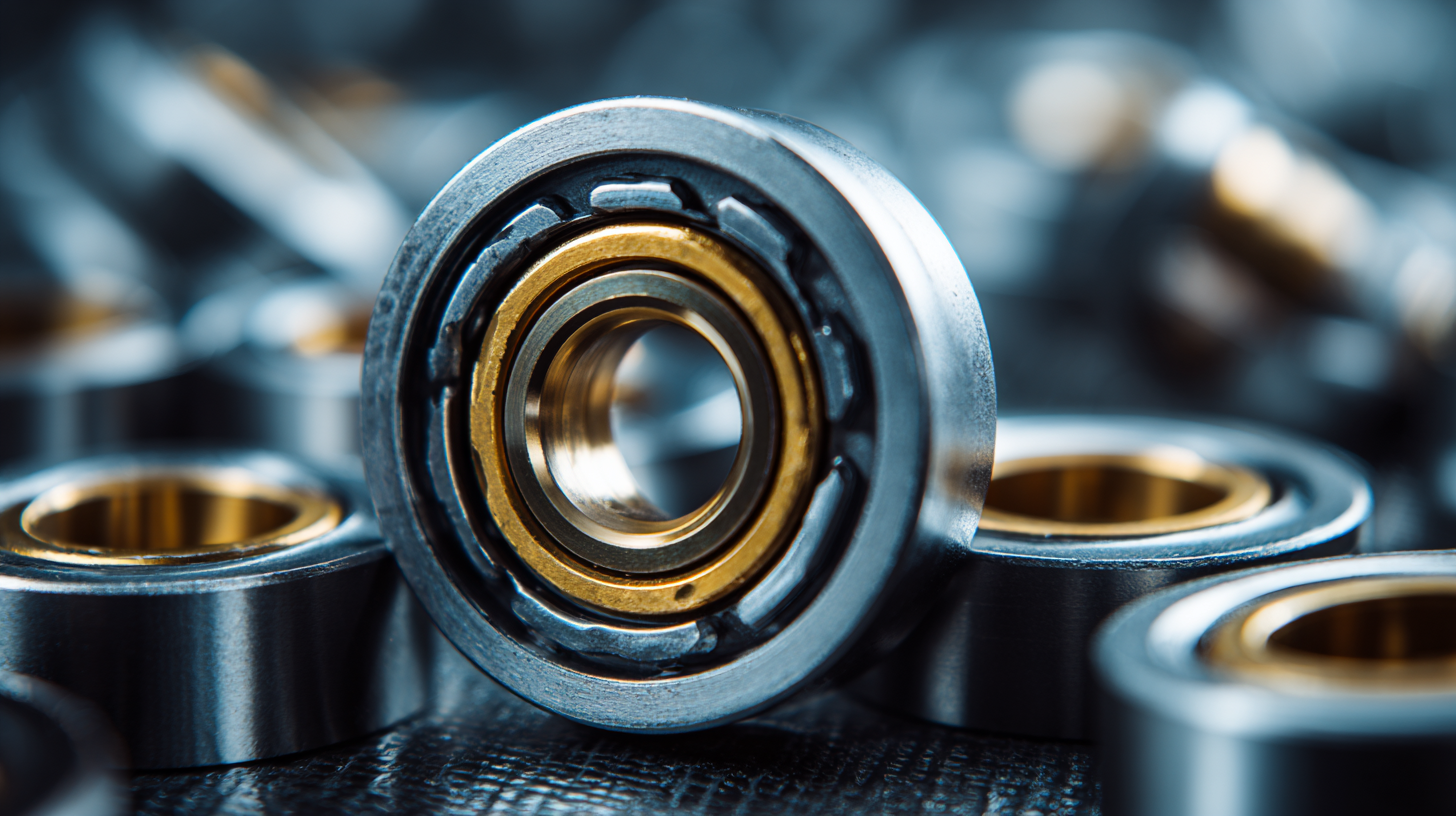
So, when you’re trying to pick the right follower bearing for your needs, it’s super important to get a grip on the different types out there. Generally, you can break them down into two big categories: plain bearings and rolling element bearings. Plain bearings are pretty straightforward—they provide a low-friction interface and are usually a breeze to install. But just a heads up, they might not handle high speeds as well as rolling element bearings, which include the ball and roller types. These rolling bearings really shine under heavy loads and are perfect for situations where things are moving fast.
When you’re choosing a follower bearing, don’t forget to think about what materials they’re made of. If you're dealing with high temperatures or any corrosive stuff, going for bearings made out of stainless steel or special polymers could really boost their durability. Also, make sure the design of the bearing fits your specific speed and load requirements.
Here’s a little tip: always check out the manufacturer’s specs when it comes to load ratings and speed capabilities before you seal the deal. This little step can save you from dealing with premature wear and tear. Seriously, picking the right type is crucial—it can really impact how reliable and long-lasting your machinery is.
Ultimate Checklist for Choosing the Best Follower Bearing for Your Needs
| Type of Follower Bearing | Material | Load Capacity (kg) | Speed Rating (RPM) | Typical Applications |
| Cam Follower | Steel | 2000 | 3000 | Robotics, Conveyors |
| Roller Follower | Aluminum | 1500 | 2000 | Textile Industry, Assembly Lines |
| Pin Follower | Brass | 1000 | 1000 | Automotive, Packaging |
| Flat Follower | Plastic | 800 | 1500 | Consumer Electronics, Small Appliances |
Key Factors to Consider: Material, Size, and Load Capacity
When you’re looking to pick out the right follower bearing for your specific needs, there are three main things you really want to think about: the material, the size, and how much load it can handle. First off, the material choice is super important! These days, advancements in composite materials are really making waves—they can actually offer quite a few perks over traditional metals. We’re talking better durability, lighter weight, and a great resistance to corrosion, which is a big deal if you're using them in tough conditions.
Then there’s the size—it’s crucial! You need to make sure the bearing fits your machinery or system just right. If it’s not a good fit, you’re risking not only performance but also the chance of it failing on you, and nobody wants that. Lastly, don’t forget about load capacity; it’s key. Picking a bearing that can handle the right amount of load is essential. It’ll save you from premature wear and tear down the line, helping everything run smoothly and last longer. As we keep pushing for more advanced machinery, making sure these elements fit nicely into your choice of follower bearing is your ticket to better efficiency and performance in whatever you’re working on.
Ultimate Checklist for Choosing the Best Follower Bearing
This chart assesses key factors when selecting follower bearings, including material type, size range, and load capacity. The data illustrates the suitability of different bearing types for typical applications.
Assessing Durability and Performance Metrics in Bearings
Choosing the right follower bearing for your needs can be a bit of a task, but it’s super important to think about things like durability and performance. So, durability—what does that really mean? Basically, it’s all about how well the bearing can handle different loads, temperatures, and even the environment without breaking down. To really get a good grasp on this, you should look at some factors like the materials used, how it's lubricated, and the overall quality of the build. For example, bearings made from high-quality steel tend to have better fatigue resistance, and using synthetic lubricants can really help cut down on friction and wear. This combo can seriously boost the lifespan of your bearings.
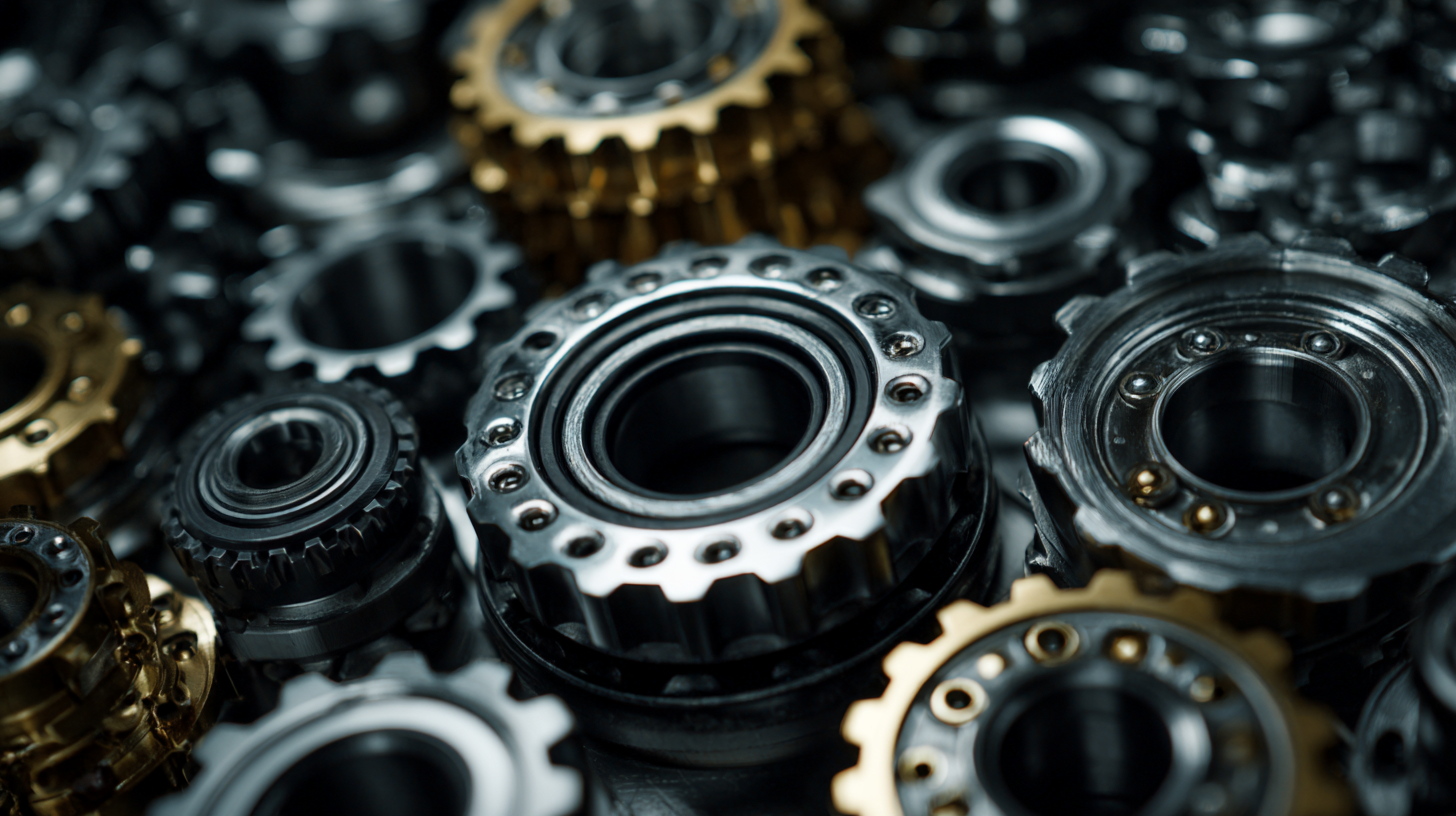
Now, let’s chat about performance metrics because they’re just as important in this whole process. You've got to keep an eye on things like load capacity, speed ratings, and how efficiently the bearing operates. Load capacity is basically the max weight the bearing can handle, while speed ratings are about how fast it can go without losing steam. Knowing these details is key to making sure the bearing works well within the limits of whatever you're using it for. Plus, if you check how it performs under different conditions—like when temperatures change or when it’s exposed to dirt—it gives you a better idea of its reliability and efficiency in real life. This way, you'll be set to pick the best option that fits your needs perfectly.
Comparative Analysis of Brand Reputation and Customer Reviews
Choosing the right follower bearings can be a bit of a process, right? One thing that really helps is paying attention to brand reputation and what customers are saying. Take a look at the big players in the game, like SKF and Timken. They've built a solid name for themselves over the years, and it’s easy to see why—they really focus on quality and innovation. In fact, a recent report from the Bearings Market Research Institute showed that a whopping 65% of industry folks prefer these respected brands. They’ve got a track record for reliability and top-notch performance, thanks to their extensive testing and development.
Now, let’s talk customer reviews. These insights are super valuable because they give you a glimpse into real-life experiences. The same report pointed out that products with a customer satisfaction rate of over 90% tend to get a lot of love and recommendations from users. On the flip side, you have those lesser-known brands that often don’t fare so well—low ratings and gripes about durability or customer support can be pretty common. So, if you take the time to weigh both brand reputation and those customer experiences, you'll be way more likely to find a follower bearing that meets your needs and really holds up over time.
Maintenance Tips for Prolonging the Life of Your Bearings
If you're looking to keep your follower bearings in tip-top shape, regular maintenance is super important. According to some folks over at the American Society of Mechanical Engineers, if you take care of your bearings right, you might even stretch their lifespan by as much as 40%! Not too shabby, right? Regular lubrication is a must; it helps cut down on that annoying friction and keeps dirt and grime from sneaking into the bearing housing. Trust me, using high-quality lubricants that are made just for your specific bearing type really can make all the difference when it comes to performance and how long they last.
And hey, don’t forget about the operating conditions! Keeping an eye on things like temperature and load can really affect how long your bearings stick around. You know, a study from the International Journal of Mechanical Engineering found that if bearings run hotter than they should, they could lose up to 30% of their lifespan. So, it's a good idea to keep tabs on those readings, and if something seems off, deal with it quickly! Plus, setting up a condition monitoring system can be a game-changer; it helps you spot potential issues before they turn into real headaches. That way, everything can run nice and smoothly.
FAQS
: The two main types of follower bearings are plain bearings and rolling element bearings.
Plain bearings provide a simple interface with low friction and are generally easier to install.
Rolling element bearings, such as ball and roller bearings, offer superior performance under load and are ideal for applications requiring rapid movements.
Bearings made from stainless steel or specialized polymers are recommended for enhanced durability in high-temperature or corrosive environments.
Regular maintenance is crucial as it can extend the service life of follower bearings by up to 40%.
Regular lubrication minimizes friction and prevents contaminants from entering the bearing housing, ensuring optimal performance and longevity.
Operating conditions, such as temperature and load, significantly impact bearing lifespan; for instance, exceeding specified temperature limits can reduce lifespan by 30%.
A condition monitoring system can help predict failures before they occur, ensuring smooth and efficient operations.
Consulting manufacturer's specifications is essential to understand load ratings and speed capabilities, which helps prevent premature wear and failure.