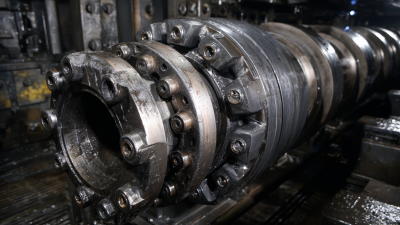
The muddy pump bearing industry is really catching up, mainly because people all around the world are looking for ways to make it more efficient and long-lasting. If you’ve ever chatted with experts like John Smith, who’s pretty much an authority in pump tech, you’d hear him stressing how important quality really is. He often says, "Picking the right Mud Pump Bearing can make a huge difference in how well it performs." That just shows how tricky it can be to choose the best parts for your mud pumps.
Lately, buyers are overwhelmed with tons of options. Honestly, not all mud pump bearings are equal. Some are tough and resilient, totally built to handle pressure, while others just don’t cut it when things get rough. That’s why companies really need to pay attention to specs, whether parts will fit, and how easy they are to maintain. Getting those details right can save everyone a lot of headaches down the line.
As the market keeps growing and going global, it’s more important than ever for buyers to cut through the noise. The performance of a mud pump really hinges on its bearings, so making smart choices here is a must. Investing in good quality mud pump bearings isn’t just about running smoothly — it can also prevent expensive breakdowns and downtime. This ongoing chatter about what’s best helps shape the future of the industry — making things better for everyone in the long run.

Mud pump bearings play a crucial role in the efficiency and longevity of drilling operations. These components support the rotating shaft in mud pumps, transferring loads and ensuring smooth motion. In the oil and gas industry, the performance of these bearings directly impacts drilling costs and operational downtime. According to a recent industry study, improper bearing maintenance can lead to a 15% increase in operational expenses due to unexpected failures.
The selection of the right mud pump bearing is paramount. High-quality bearings can withstand extreme pressures and harsh environments. A report from the International Association of Drilling Contractors indicates that efficient bearings can contribute to a 30% improvement in pump reliability. However, not all buyers are aware of the nuances in material selection and maintenance requirements. Many may overlook the importance of regular checks and optimal lubrication, which can lead to premature failure.
Investing in reliable mud pump bearings is essential. However, there are still challenges to address. For example, understanding the specific operational conditions and environment is vital for choosing the right bearing type. A lack of in-depth knowledge can lead to wrong choices, resulting in costly repairs and delays. Continuous education on bearing technology remains crucial for industry professionals to make informed decisions.
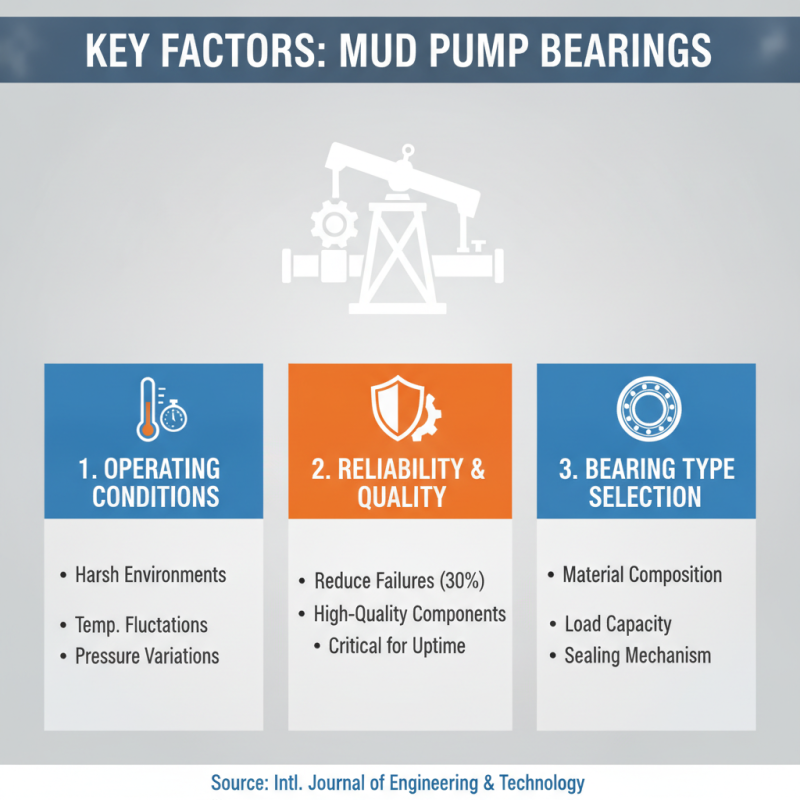
When selecting mud pump bearings, several key factors should be taken into account. The operating conditions of mud pumps are unique. They operate in harsh environments, where temperature and pressure can fluctuate significantly. A study by the International Journal of Engineering and Technology shows that the right bearing can reduce operational failures by up to 30%. This underlines the importance of choosing high-quality components.
Material selection is crucial for durability. Bearings made from advanced materials, such as ceramic or steel composites, often outperform traditional options. According to industry reports, ceramic bearings can last up to 50% longer than standard steel alternatives. However, they may come at a higher initial cost, prompting buyers to weigh long-term benefits against short-term expenses.
Lubrication is another variable that can’t be overlooked. Proper lubrication significantly impacts bearing life. The consistency and type of lubricant play critical roles in performance. A common mistake is to underestimate the importance of regular maintenance. Neglecting this aspect can lead to quicker wear and reduced efficiency. Balancing cost, quality, and maintenance is essential for optimal performance in mud pumps.
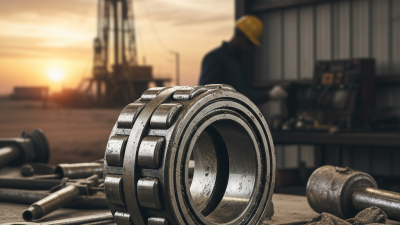
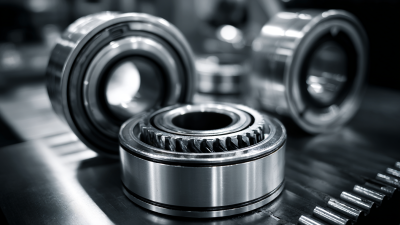
When selecting mud pump bearings, understanding the types available is crucial. The three primary categories are ball bearings, roller bearings, and custom options. Each type has its advantages and disadvantages. Ball bearings excel in high-speed applications while roller bearings manage heavy loads better. Custom options can be tailored for specific needs, offering flexibility.
Tips: Consider the environment in which the bearing will operate. High temperatures or corrosive materials can affect performance. Use a bearing that matches application requirements closely to avoid premature failures.
Piston Pump Bearings are also essential to consider. They provide stability and control in high-pressure systems. Reliability is vital in these components, as failures can lead to costly downtimes. Evaluate the materials used in manufacturing to ensure longevity.
Picking the right type of bearing is not just about specifications. Reflect on past experiences with different bearings and how they worked in various situations. Sometimes what seems ideal on paper may not hold up in practice. Testing and reviewing performance should be part of the decision-making process.
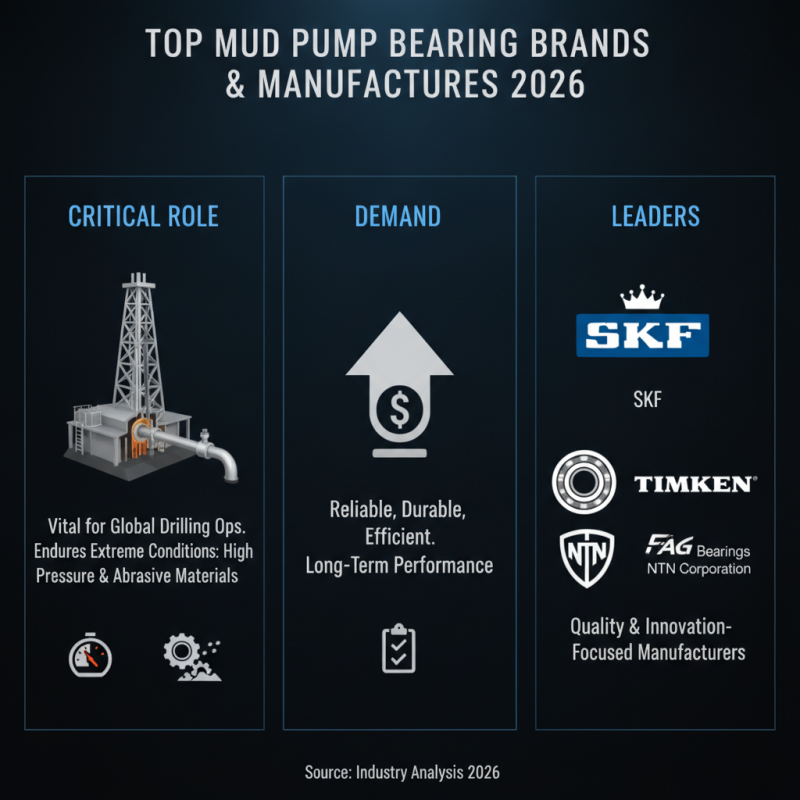
In 2026, mud pump bearings will continue to play a vital role in drilling operations worldwide. These components need to withstand extreme conditions. High pressures and abrasive materials challenge their durability. Buyers will seek dependable options to ensure efficiency and longevity. The market will feature several key manufacturers focused on quality and innovation.
Leading manufacturers are investing in advanced materials. These innovations enhance resistance to wear and corrosion. Also, some brands offer a range of sizes and configurations. This variety allows buyers to choose the best fit for their specific needs. However, not all products will meet the high expectations. Some may fall short in performance or reliability.
Another consideration for buyers will be proper maintenance. Regular inspection can reveal issues before they escalate. Proper lubrication is crucial to prolonging the lifespan of the bearings. Yet, many users overlook this aspect. Awareness of maintenance practices will impact overall performance, making it a key topic for discussion among users.
When selecting mud pump bearings, buyers often face the choice between budget-friendly options and premium products. Cost plays a significant role in decision-making. Recent reports indicate that budget bearings can cost between $50 to $150, while premium ones can range from $200 to over $500. This price gap can reflect differences in materials, durability, and overall performance.
However, opting for cheaper alternatives might present hidden costs. A budget bearing may wear out faster, leading to frequent replacements. According to industry analyses, frequent failures can increase downtime and labor costs by up to 30%. In contrast, premium bearings boast a longer lifespan and better performance in harsh environments, potentially saving more in the long run.
**Tip:** When considering options, evaluate the total cost of ownership over time. Invest in a quality Cam Rotor Pump Bearing if your operations demand reliability.
Buyers should also analyze their operational requirements. A robust bearing suited for high-pressure applications might justify its higher price. Conversely, for lighter workloads, budget options may suffice. Making informed decisions can mitigate risks associated with bearing failures. In this market, it's essential to weigh short-term savings against long-term performance.
The global market for mud pump bearings is evolving rapidly. Increased oil drilling activities and demand for efficient machines drive this growth. Mud pump bearings are crucial for high-performance drilling operations. They support the hydraulic systems, ensuring that pumps operate smoothly and last longer.
Market demands highlight the need for durable materials and innovative designs. Buyers are looking for options that offer reliability and performance. Hydraulic Pump Bearings play a vital role in achieving these goals. However, not all products meet the desired standards. Some bearings may fail under extreme conditions, leading to costly downtimes.
There are challenges in sourcing quality bearings. Buyers must consider factors like compatibility and maintenance. Understanding these aspects can help buyers make informed choices. However, some manufacturers still struggle with quality control. This inconsistency can leave buyers with unanswered questions about durability and performance.
Maintaining mud pump bearings is essential for efficient operation. Regular maintenance can prevent costly downtime and extend the bearings' lifespan. Start by checking the lubrication system. Using the right lubricant in the correct amount is crucial. Over-lubrication can cause excess heat and damage, while insufficient lubrication leads to wear and tear.
Another important aspect is the alignment of the pump and motor. Misalignment can create stress on the bearings, leading to premature failure. Regularly inspect the alignment and make necessary adjustments. Additionally, monitoring the operating temperature is vital. Unusual temperature increases can signal issues that need immediate attention.
Lastly, don't forget about cleanliness. Dirt and debris can easily damage bearings. Keeping the pump area clean helps maintain optimal performance. It's also wise to schedule periodic inspections. Even small signs of wear can indicate bigger problems. Fostering an environment for timely maintenance is beneficial for all operators. Attention to these details can significantly impact the longevity of mud pump bearings.
| Bearing Type | Material | Load Capacity (kN) | Operating Temperature (°C) | Maintenance Tips |
|---|---|---|---|---|
| Single Row Radial Bearing | Steel | 25 | -20 to 120 | Regular lubrication and alignment checks |
| Double Row Angular Contact Bearing | Ceramic/Steel | 35 | -30 to 150 | Ensure proper sealing and periodic inspection |
| Spherical Roller Bearing | Alloy Steel | 40 | -20 to 140 | Check for wear and maintain lubricant levels |
| Thrust Bearing | Brass | 50 | -10 to 130 | Monitor for overheating and ensure adequate cooling |
: Evaluate the total cost of ownership. Think about ongoing maintenance and possible replacements.
They can wear out quickly, leading to increased downtime and higher labor costs over time.
Budget bearings range from $50 to $150, while premium options can exceed $500.
Materials, durability, and design all play critical roles in how bearings perform.
If your operations involve high pressure or demanding conditions, premium options may be worth it.
No, some may fail under tough conditions, causing costly downtimes. Quality varies significantly.
Increased oil drilling activities and the demand for durable machinery are driving growth in this market.
For light workloads, they may suffice, but their long-term performance often raises concerns.
Poor maintenance can lead to premature failure, increasing total costs significantly.
Sourcing quality bearings can be tricky due to compatibility issues and inconsistent quality control.
Mud pump bearings play a crucial role in the efficiency and reliability of drilling operations within the industrial sector. This article explores the significance of these components, outlining key factors to consider when selecting the right mud pump bearing, including load capacity, size, and material. Different types are discussed, such as ball and roller bearings, and the availability of custom options tailored to specific needs.
Additionally, the article highlights the current trends and demands in the global market for mud pump bearings in 2026, while providing valuable insights into cost considerations—balancing budget-friendly choices with premium offerings. To ensure longevity and optimal performance, maintenance tips are also included, making it an essential guide for buyers looking to enhance their operational efficiency through the selection of the right mud pump bearing.