
Leave Your Message
When it comes to automotive engineering, every little part counts — and none more than the Differential Bearing. As cars keep evolving with new tech, choosing the right differential bearings has become more important than ever. I mean, experts like Dr. James Thompson from Precision Engineering Co. put it nicely when he says, “The right differential bearing not only boosts performance but also helps your vehicle’s drivetrain last longer.”
Designing and manufacturing these bearings is pretty complex, but they play a key role in making sure power is transferred smoothly and handling feels just right. With 2025 bringing a focus on better efficiency and reliability, understanding what makes a good differential bearing is something both manufacturers and car enthusiasts should pay attention to. In this article, we’re diving into the top ten differential bearings that can seriously improve how your car performs. We’ll look at what they offer, their benefits, and where they’re best used.
As the auto world keeps pushing forward with new innovations, finding the best differential bearing is more than just a detail — it’s essential if you want your vehicle to perform at its best. So, stick with us as we check out the top options out there, helping ensure your ride stays reliable, efficient, and smooth on the road.
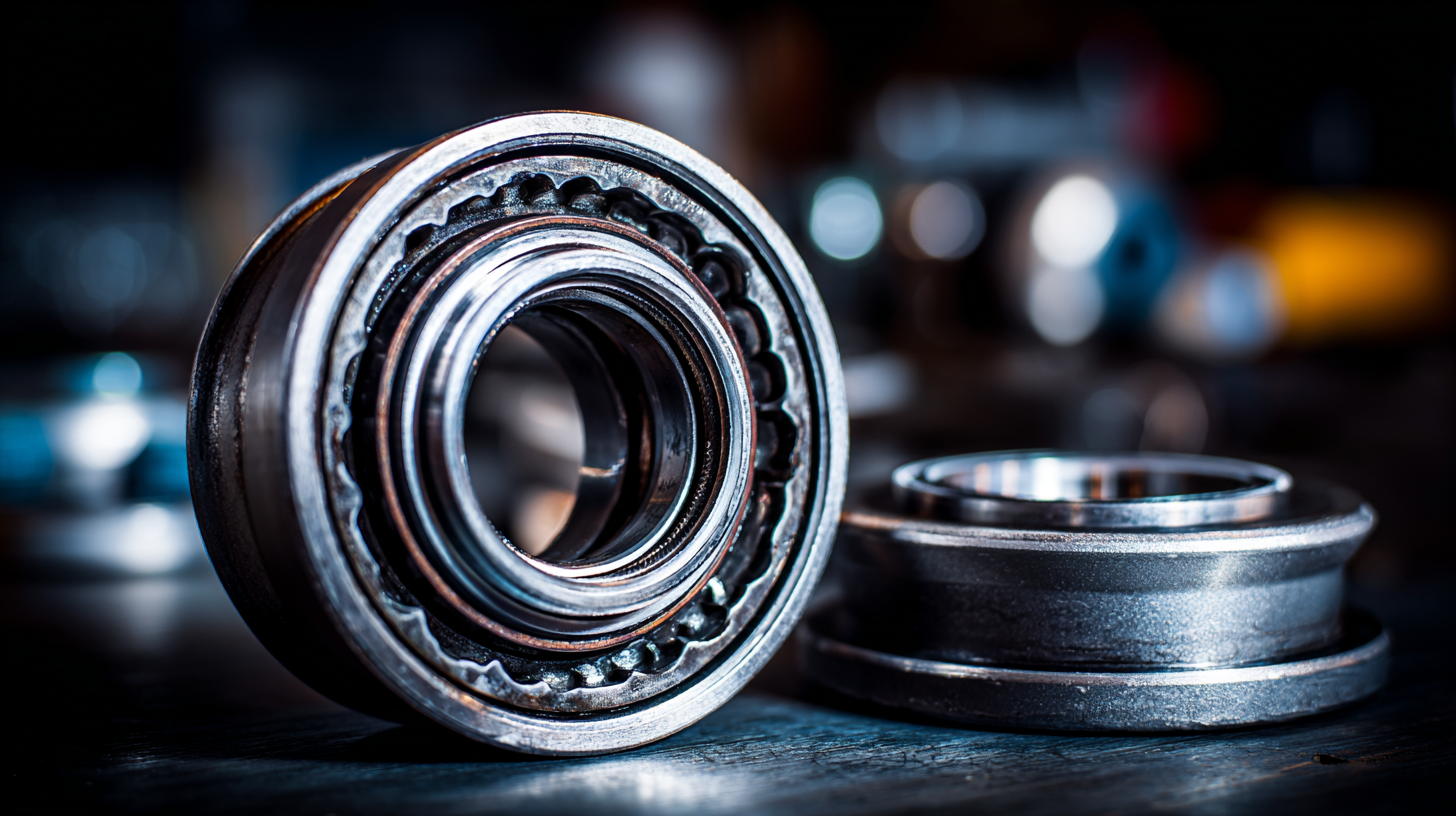
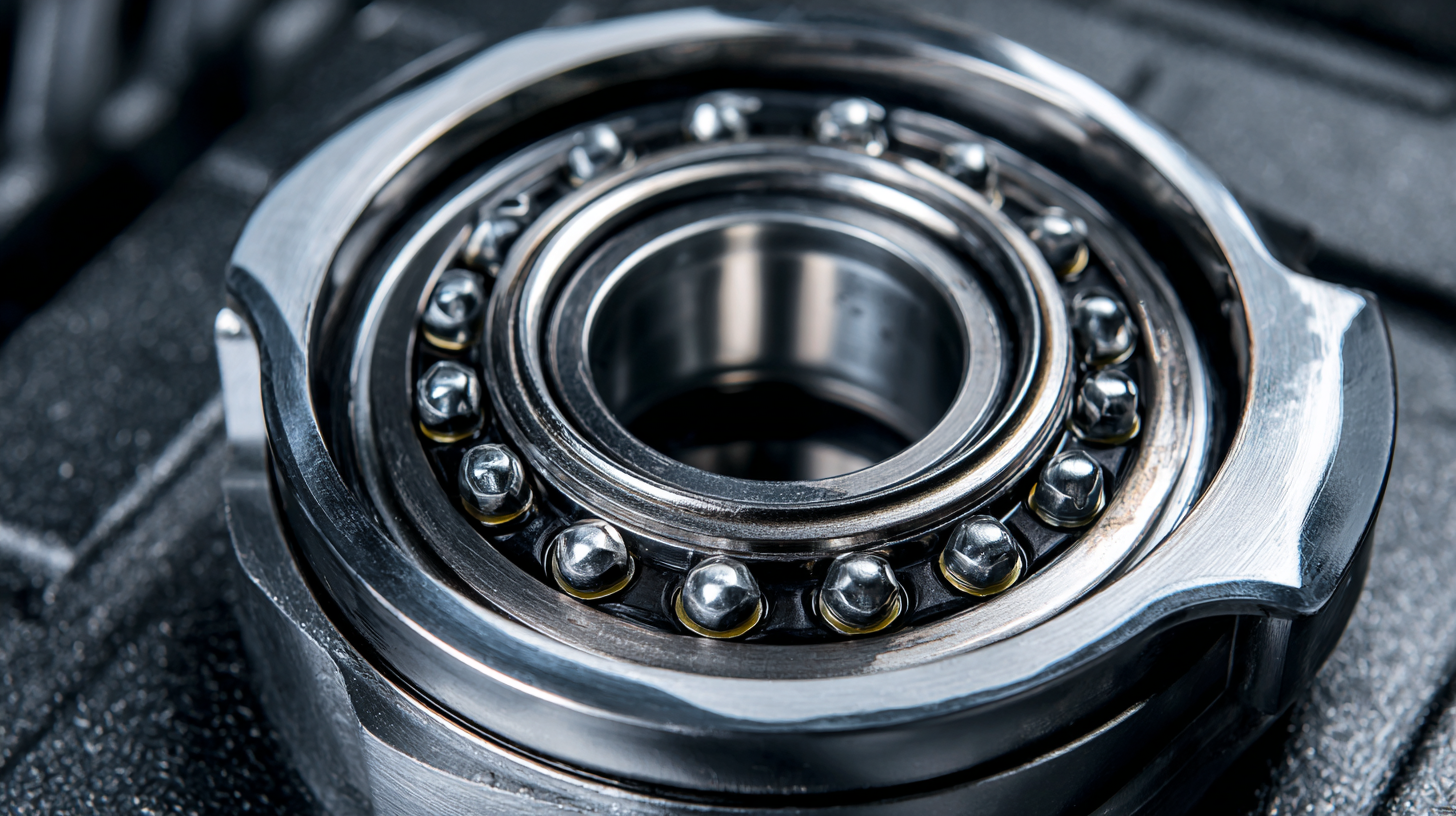
When selecting differential bearings for automotive applications, it’s crucial to consider several key features that can significantly enhance performance and durability. According to the International Journal of Automotive Engineering, bearings that are designed with high precision manufacturing standards offer better load distribution, which ultimately leads to extended service life and reduced maintenance costs. Bearings with advanced materials, such as ceramic or hybrid constructs, show a marked improvement in resistance to wear and thermal degradation, making them an excellent choice for high-performance vehicles.
Another vital aspect to evaluate is the lubrication type used in the differential bearings. Research from the Society of Automotive Engineers indicates that bearings with specialized lubrication systems can reduce friction by up to 40%, thereby improving overall vehicle efficiency and performance. Features such as improved sealing technology are also essential, as they prevent the ingress of contaminants while maintaining optimal lubrication conditions. By focusing on these critical characteristics, automotive engineers can ensure that their differential bearings not only meet but exceed the demands of modern driving conditions, leading to better handling and a more robust driving experience.
: Proper installation is crucial for differential bearings as it helps to prevent premature wear, reduces efficiency, and avoids costly repairs. Following manufacturer specifications and using the correct tools and techniques can significantly enhance the lifespan of the bearings.
Bearing preload refers to the initial tension or load placed on the bearings during installation. Maintaining the correct preload is vital as it can reduce friction and improve response time in the differential.
Regular inspections after installation can help identify any alignment issues or degradation in performance, allowing for timely adjustments that prevent functional failure and enhance overall vehicle reliability.
Regular lubrication is one of the most effective practices to extend the life of differential bearings. Proper lubrication can reduce friction by up to 50%, significantly minimizing wear and tear over time.
Improper maintenance can lead to catastrophic failures and increased repair costs, which can exceed 30% of annual operational budgets.
Advanced maintenance techniques, such as using technology and skilled professionals to monitor temperature and vibration levels, can predict potential issues before they escalate, leading to enhanced performance and reliability.
Adopting advanced maintenance practices can enhance bearing lifespan by 20-40%, offering substantial long-term savings and improved efficiency.
Proper tools and techniques include following torque specifications, ensuring accurate alignment, and following all manufacturer specifications meticulously during installation.
To prevent premature wear, it is essential to follow correct installation guidelines, maintain proper lubrication, conduct regular inspections, and ensure the right bearing preload is applied.
Improved bearing performance contributes directly to overall vehicle reliability by ensuring smoother operation, reducing the risk of failure, and enhancing the lifespan of the differential system.
Differential bearings play a crucial role in enhancing performance in automotive applications. When selecting differential bearings, it is essential to consider features such as load capacity, durability, and resistance to wear and tear. A comparative analysis of leading brands reveals variances in performance, which can significantly impact vehicle efficiency. Testing these bearings demonstrates their influence on overall vehicle dynamics, highlighting the importance of choosing the right product.
For optimal performance, proper installation techniques and maintenance best practices are vital. Regular inspections and adherence to manufacturer guidelines can extend the lifespan of differential bearings, ensuring reliable operation over time. Companies like WD Bearing Group, which supply differential bearings to various industries including automotive, leverage advanced machining and skilled professionals to deliver high-quality solutions, facilitating enhanced performance in every application.


 Maintaining differential bearings is crucial for ensuring their longevity and optimal performance in automotive applications. Regular lubrication is one of the most effective practices to extend bearing life. According to the American Society of Mechanical Engineers (ASME), proper lubrication can reduce friction by up to