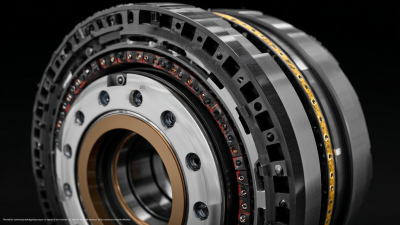
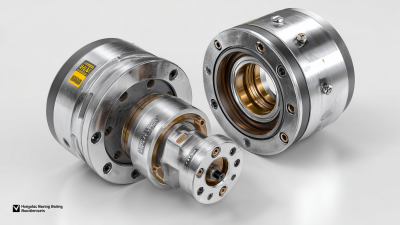
When it comes to industrial machinery, having the right tools to boost performance and efficiency is a total game-changer. One pretty cool innovation in this area is the Ball Bearing Hydraulic Press — it really helps make manufacturing processes smoother across a bunch of different sectors. I read somewhere (a report from the International Federation of Robotics, actually) that using hydraulic press technology has boosted productivity in manufacturing by about 30% over the past five years. Companies like WD Bearing Group are leading the charge here, supplying top-notch bearings to OEMs in industries like material handling, farming, and construction. They’re constantly investing in cutting-edge machinery and talented people, so their products don’t just meet industry standards — they often go beyond. That’s how they’re really helping to improve operational efficiencies. The Ball Bearing Hydraulic Press? It’s a perfect example of these advancements — reliable, high-performance, and ready to meet the ever-changing needs of industry today.
Understanding the Basics of Ball Bearing Hydraulic Presses
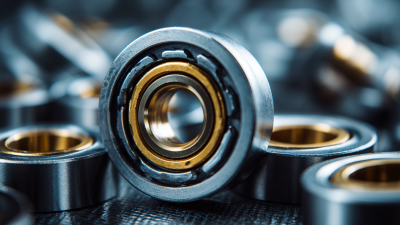
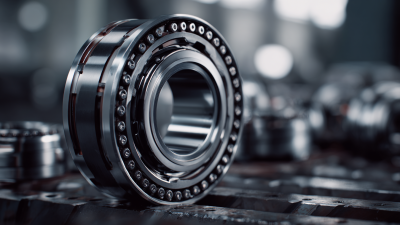
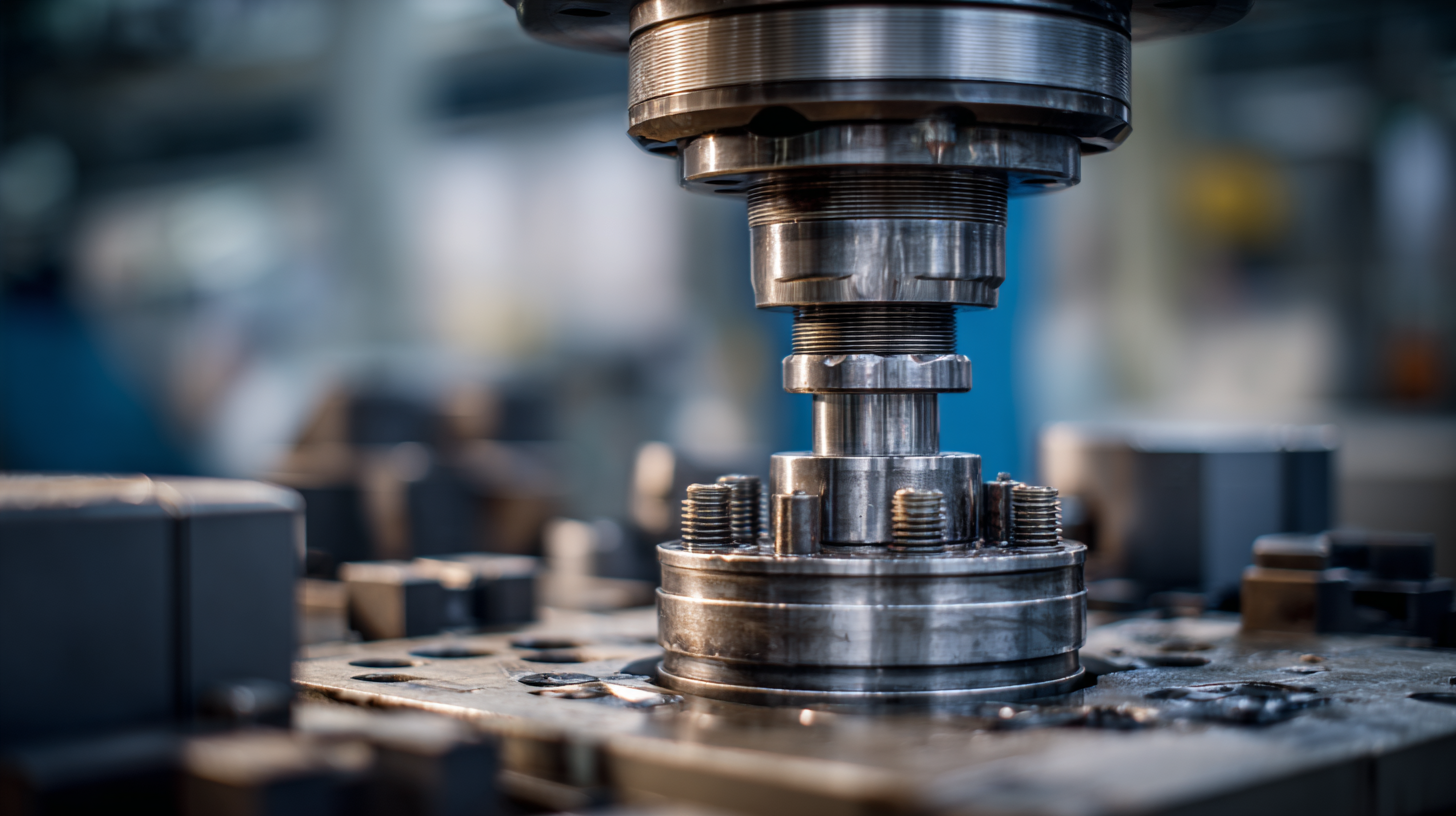
A ball bearing hydraulic press is quite the handy tool—it blends hydraulic power with rolling elements to boost efficiency in all sorts of industrial tasks. Basically, it uses hydraulic pressure to do heavy-duty stuff like shaping metal, compressing materials, or making molds. What’s cool is that by adding ball bearings into the mix, the machine runs more smoothly because it cuts down on friction in the moving parts. That means less wear and tear over time, so the equipment lasts longer. Plus, it helps cut down on downtime needed for repairs or maintenance.
If you’re trying to get a grip on how these presses work, it helps to know their main parts and how they team up. The hydraulic part has a cylinder filled with fluid, which pushes a piston to do the pressing. On the other hand, the ball bearings are key—they make the moving parts turn more easily, lowering energy waste and making sure the hydraulic system works at its best. When you combine the hydraulic power with ball bearings, you end up with a pretty powerful tool, especially in industries like automotive, aerospace, or construction—places where precision and efficiency really matter.
What is a Ball Bearing Hydraulic Press and How Does It Enhance Industrial Efficiency?
| Feature | Description | Benefits | Applications |
| Ball Bearing Design | Utilizes ball bearings to reduce friction and enhance movement. | Increased efficiency and reduced wear on components. | Metal forming, assembly processes. |
| Hydraulic System | Employs hydraulic fluid to transmit power. | High force output with minimal input. | Stamping, pressing, molding applications. |
| Force Capacity | Available in various capacities depending on industrial needs. | Flexibility for different tasks; optimized performance. | Automotive manufacturing, aerospace components. |
| Precision Engineering | Offers high precision in pressing applications. | Reduces errors and improves product quality. | Electronics, sensors, and small component assembly. |
| Energy Efficiency | Designed to minimize energy loss during operation. | Lower operational costs and reduced environmental impact. | General manufacturing processes. |
Key Components and Mechanisms of Ball Bearing Hydraulic Presses
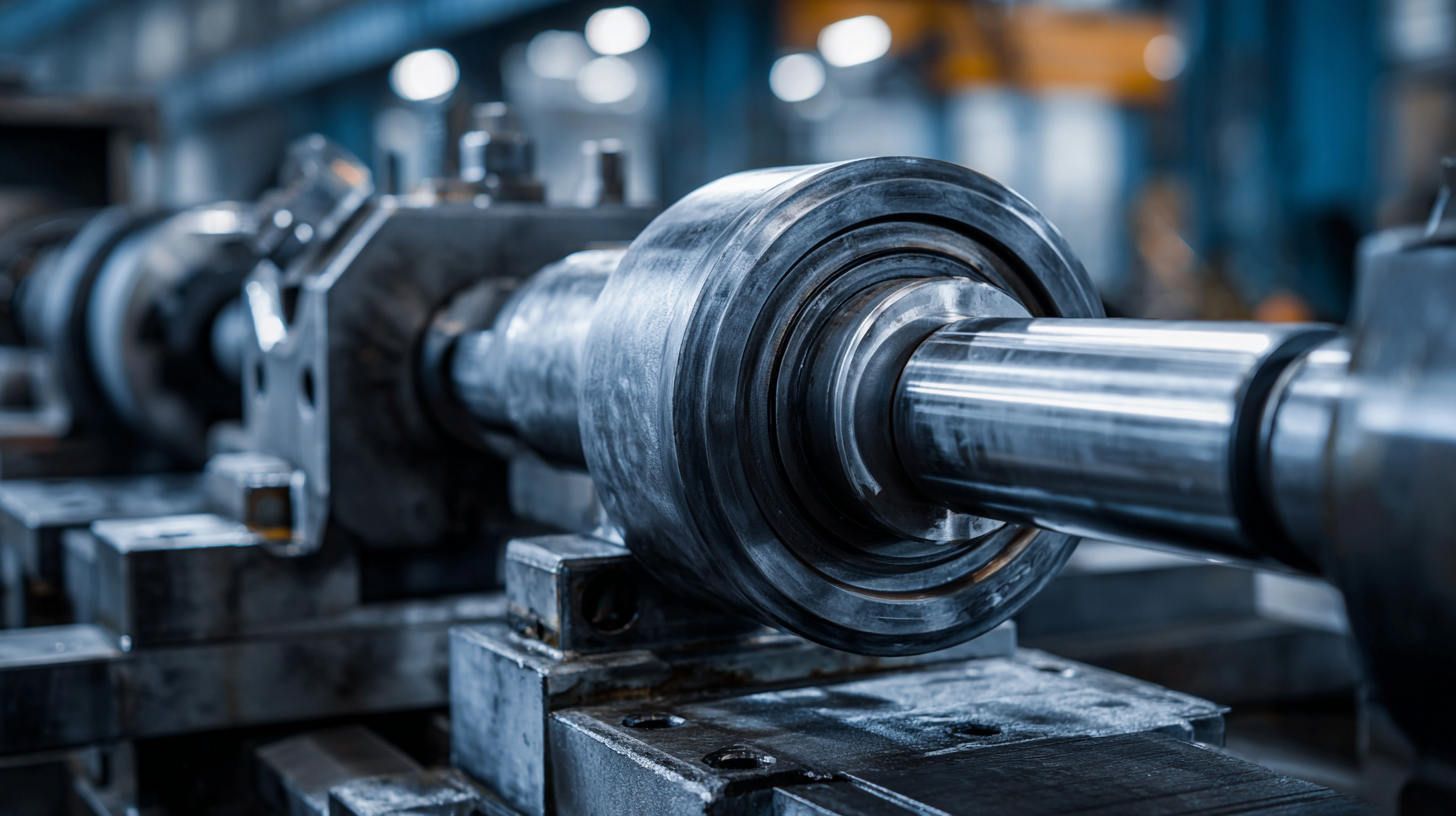 Ball bearing hydraulic presses are pretty important tools in a bunch of different industries. They really help boost both efficiency and accuracy. Basically, they combine ball bearings with hydraulic systems to cut down on friction and spread out the load better during use. So, the main parts you’ve got include the hydraulic cylinder, the pump, and those strategically placed ball bearings that make everything run smoother and put force more evenly. This clever setup not only cuts down on wear and tear on the moving parts but also gives you more precise control over the pressing — which is a big deal when you’re in manufacturing.
Lately, there have been some cool advances in hydraulic tech that highlight how much material choice and engineering matter when it comes to performance. For example, using SCF-reinforced composites has really boosted the tribological properties in radial piston hydraulic motors — they’ve managed to cut friction coefficients by about 64%. That kind of improvement is super important for ball bearing hydraulic presses because less friction means they run more efficiently and use less energy overall.
A couple of tips: When you’re picking out a hydraulic press with a bearing, think about how much load it needs to handle and go for a model with a higher load capacity if you can. Regular maintenance is also key — keeping those bearings well-lubricated will help the equipment last longer and perform better. And don’t forget, using modern materials and smart designs can really help get the most out of your hydraulic system. Staying on top of these things will keep your operations competitive, even as the industry keeps evolving.
Advantages of Using Ball Bearings in Hydraulic Press Applications
Ball bearing hydraulic presses are really a game-changer in industrial machinery. They offer a noticeable boost in efficiency and performance. By using ball bearings in these hydraulic systems, manufacturers often notice smoother operation, less friction, and better precision. These bearings make it easier for parts to move, which not only means less wear and tear but also helps the equipment last longer. All of this adds up to less downtime for maintenance and more productivity on the factory floor—hard to complain about, right?
At WD Bearing Group, we get how crucial top-quality bearings are across various industries—whether it’s material handling, construction, or other tough environments. That’s why we’re all about investing in the latest machining tools and smart bearing software. It helps us craft superior ball bearings, specifically designed for hydraulic presses. We focus on supplying OEMs, and our products are engineered to handle the demanding conditions of real-world applications. When you choose WD bearings, you're leveraging cutting-edge ball bearing tech that can truly boost efficiency and help your operations run smoother and more reliably.
Honestly, it’s all about working smarter and getting better results—something we’re passionate about helping our clients do.
How Ball Bearing Hydraulic Presses Improve Safety and Precision
Ball bearing hydraulic presses are really a pretty big step forward in industrial machinery, especially when it comes to safety and precision in manufacturing. They use ball bearings to cut down on friction, which makes the whole hydraulic system run smoother and more efficiently. Not only does this help reduce wear and tear on the parts—meaning the machines last longer—but it also keeps performance steady. That’s super important if you want to hit those high-quality standards in production without surprises.
Safety’s a big deal in these kinds of settings, right? Well, these presses come loaded with smart safety features—like automatic locks and pressure sensors that keep an eye on everything while they’re working. This really cuts down the chance of accidents happening during manual operation. Plus, the precise control they offer means you can handle and process materials with accuracy, avoiding overexertion and preventing big failures or defects. All in all, the combination of safety features and spot-on precision makes ball bearing hydraulic presses a total game-changer for modern industry.
Industry Applications Where Ball Bearing Hydraulic Presses Excel
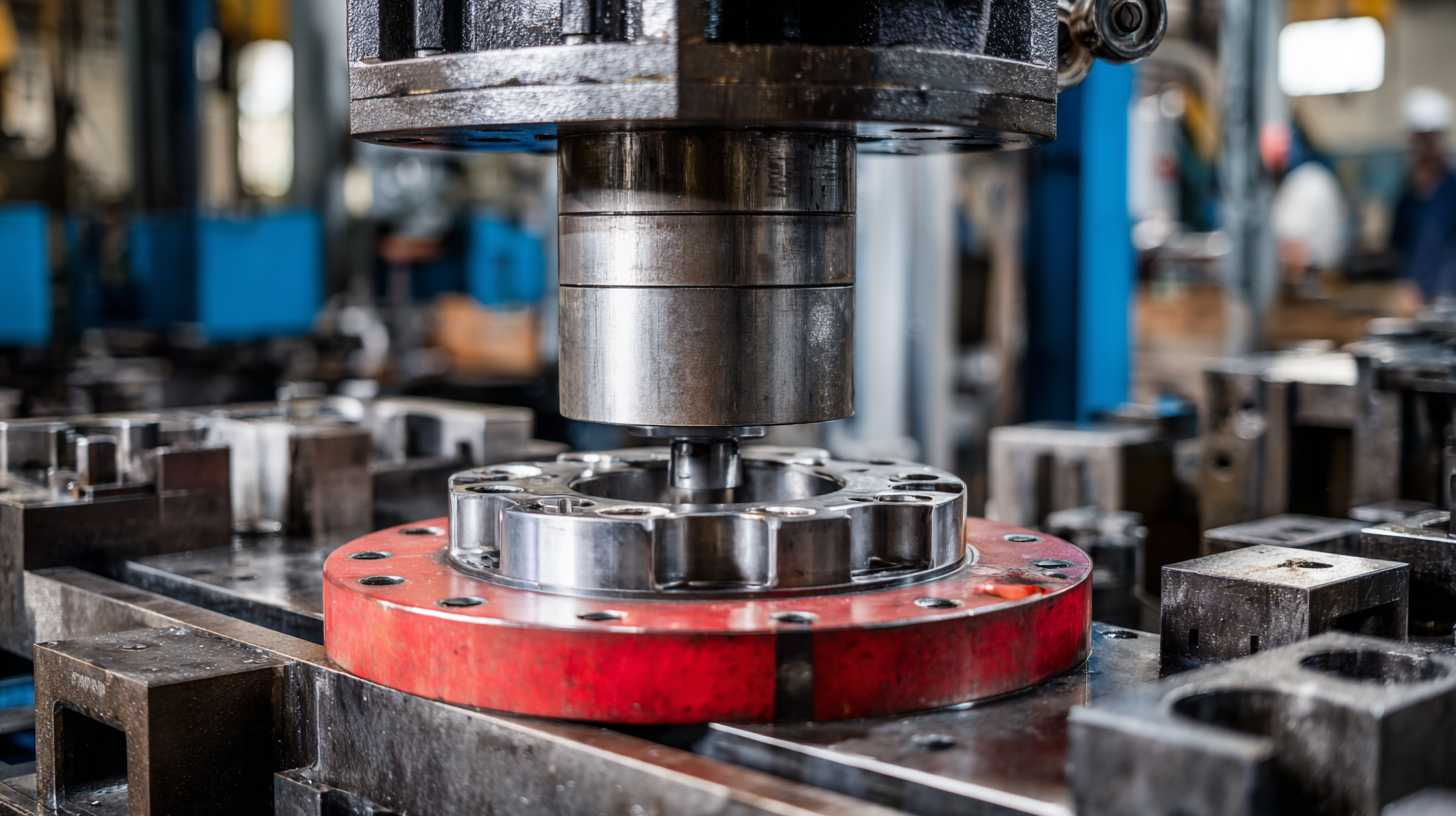 Ball bearing hydraulic presses are really becoming a staple in many industries these days because they deliver serious force and precision—pretty impressive stuff. Take the automotive world, for example. They're used all along the assembly lines to shape and put together parts with a high level of accuracy. According to a report by Market Research Future, the use of hydraulic presses in auto manufacturing is actually expected to grow by over 5% each year. That just shows how people are really after more efficient ways to boost productivity and cut down on waste.
In the aerospace industry, these presses with ball bearings are a big deal too. They’re crucial when it comes to making parts that have to meet really tight tolerances. The Aerospace Industries Association even mentions that this sector is probably heading towards a market worth about $1 trillion by 2030. Hydraulic presses like these help speed things up, cut down on maintenance costs, and make it easier to produce lightweight structures—critical for modern aircraft design, no doubt.
And let’s not forget metalworking and fabrication. These presses are super versatile—they’re used for stamping, bending, shearing metal sheets, and all sorts of other stuff. According to Allied Market Research, machinery like hydraulic presses with high precision are expected to be at the forefront of the industry, with growth rates possibly reaching up to 6.5% over the next five years. Thanks to ball bearing tech, manufacturers can work faster, produce more efficiently, and save money in the long run. It’s pretty clear these presses are here to stay, driving innovation everywhere from cars to airplanes and beyond.
Maintenance Tips for Longevity and Efficiency of Hydraulic Presses
Hydraulic presses are pretty much essential tools in all sorts of industrial settings, and honestly, how well they perform really depends on good maintenance. Recently, there’ve been some pretty exciting advances in fluid power tech—think sensors and predictive maintenance—that are changing the game. Instead of waiting until something breaks, operators can now catch issues early and keep things running smoothly. This shift not only cuts down on unexpected downtime but also helps hydraulic presses last longer. In the end, that means more productivity and less hassle in manufacturing plants.
Looking at the market, reports suggest that the global hydraulics industry is expected to grow from around $39.4 billion in 2025 to about $44.3 billion by 2030. A major driver behind this is the rising demand for more advanced machinery and smarter fluid power solutions. To keep hydraulic presses running at their best, it’s super important to do regular check-ups—like monitoring fluid levels, watching system pressures, and inspecting seals and hoses. Taking a phased approach when upgrading parts can also save a ton of money and prevent costly downtime. Basically, staying on top of maintenance and keeping up with industry standards makes all the difference in keeping things running seamlessly.
Essential Guide to UC Series Insert Ball Bearings: Features, Applications, and Benefits
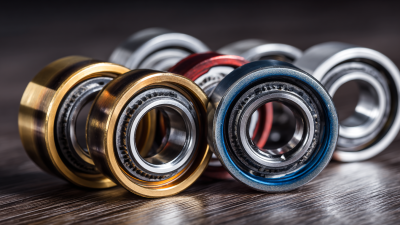
The UC Series insert ball bearings are engineered for optimal performance in various demanding applications. With their self-aligning design, these bearings effectively compensate for shaft deflection and misalignment, significantly reducing premature wear. A report by the Bearing Manufacturers Association highlights that improper alignment can lead to a 30% decrease in bearing lifespan, making the self-aligning feature of UC bearings invaluable in applications where precise alignment is challenging.
Installation and maintenance are straightforward with UC Series bearings, thanks to their quick-mounting design that utilizes set screws. This design choice not only eliminates the need for additional components but also streamlines maintenance processes, potentially reducing downtime by up to 20%, as indicated in industry studies on maintenance efficiency. This is particularly beneficial for operations involving agricultural machinery, conveyors, and light industrial equipment, where speed and reliability are critical.
Moreover, UC Series bearings boast a high load capacity, making them suitable for heavy-duty applications. Their robust construction allows them to withstand both radial and axial loads, meeting the rigorous demands of various industrial sectors. Additionally, optional surface treatments enhance their resistance to corrosion, making them ideal for challenging environments, such as humid or contaminated surroundings. This combination of features makes UC Series bearings a cost-effective solution, as they reduce the frequency of replacements and maintenance interventions.
FAQS
: Ball bearings enhance the efficiency and performance of hydraulic presses by providing smoother operation, reducing friction, and improving precision, which leads to lower wear and tear, and extended equipment lifespan.
By minimizing wear and tear, ball bearings reduce downtime for maintenance, allowing for more productive manufacturing operations.
WD Bearing Group specializes in producing high-quality ball bearings tailored for hydraulic press applications, focusing on advanced machining and professional engineering to meet the demands of various industries.
Predictive maintenance allows operators to proactively address potential issues, minimizing unplanned downtimes and extending the lifespan of hydraulic presses.
Regular maintenance practices include checking hydraulic fluid levels, monitoring system pressures, and inspecting seals and hoses to ensure optimal performance.
The global hydraulics market is projected to grow from an estimated $39.40 billion in 2025 to $44.26 billion by 2030, driven by the demand for advanced machinery.
By choosing high-quality ball bearings, companies can take advantage of advanced bearing technology, leading to optimized performance and greater output in manufacturing.
A phased approach to upgrading hydraulic components is recommended to reduce costs and downtime and to ensure that maintenance practices are up to date with industry standards.
Conclusion
You know, in today's industrial world, the Ball Bearing Hydraulic Press really stands out as a go-to tool that boosts efficiency across a bunch of different applications. Once you get a grip on how it works and the main parts involved, it’s clear how much precision and safety it can offer. Those ball bearings are pretty important—they cut down friction, help distribute the load better, and make everything run smoother. That means businesses get more done in less time, and there’s less downtime to worry about.
Companies in fields like agriculture, construction, and material handling find these presses especially handy. They’re great at dealing with heavy loads safely, which is kind of a big deal when you’re working on tough projects. But, fair warning—if you want these presses to stay in top shape and keep performing well, regular maintenance is a must. Here at WD Bearing Group, we’re all about providing top-quality bearings that support these presses, helping them stay reliable and efficient. We’re proud to be a trusted partner across various industries.”