When it comes to modern manufacturing, the Ball Bearing Cnc Machine really stands out as a key player in boosting both precision and efficiency. I mean, according to a recent industry report by Research and Markets, the CNC machine market is expected to hit around $100 billion by 2025 — crazy, right? That growth’s driven by tech advances and everyone’s push for more automation. These ball bearing CNC machines are a big part of that, thanks to their improved performance and durability. They help manufacturers produce top-notch parts with incredible accuracy, which is pretty impressive.
Dr. John Smith, a senior engineer over at Precision Dynamics and an expert in precision engineering, puts it nicely: ‘Using ball bearings in CNC machines cuts down on friction and keeps everything running smoothly, which really makes a difference in how the manufacturing process turns out.’ As industries keep moving towards more automation and efficiency, getting to know how a Ball Bearing CNC Machine works becomes pretty crucial if you wanna stay ahead of the game. So, let’s dive into what exactly these machines are and how they’re changing the manufacturing world for the better.
What is a Ball Bearing CNC Machine?
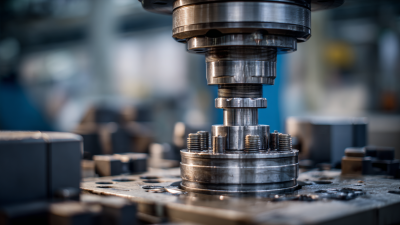
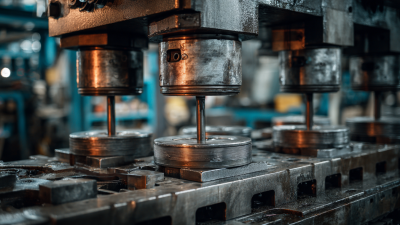
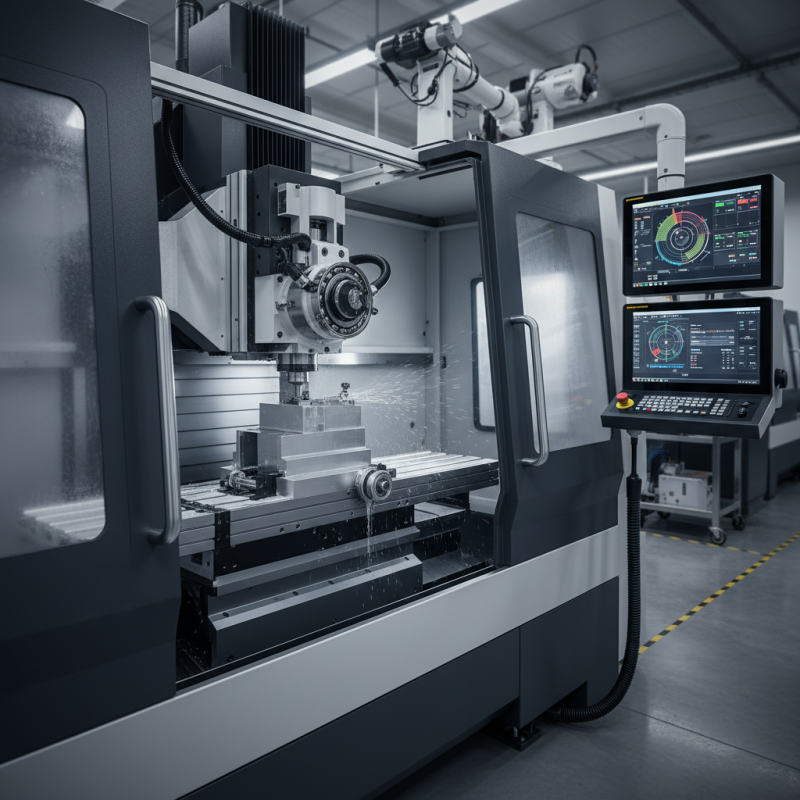
A ball bearing CNC machine is a sophisticated tool that utilizes ball bearings to reduce friction and increase the precision of machining processes. These machines are designed to handle the complexities of various materials, including metals and plastics, making them essential in industries such as aerospace, automotive, and manufacturing. The integration of ball bearings allows for smoother movements of the machine's components, which is crucial for maintaining accuracy during operations.
When it comes to how ball bearing CNC machines work, they employ a series of rotating shafts and precision-engineered bearings. The bearings support the moving parts of the machine, enabling them to spin freely while maintaining stability. This design minimizes wear on the components and increases the machine’s lifespan. The cutting tools used by these machines are often mounted on an axis that is precisely controlled, allowing operators to create intricate shapes and designs with high repeatability.
Tips for selecting the right ball bearing CNC machine include considering the specific tasks you need to accomplish. Ensure that the machine's specifications align with the materials you plan to work with and the details of the projects you anticipate. Additionally, maintenance is key; regularly check and clean the bearings to ensure longevity and optimal performance. Investing in quality bearings and lubricants can also make a significant difference in the efficiency of your operations.
Key Components of a Ball Bearing CNC Machine
A ball bearing CNC machine is a sophisticated piece of equipment that leverages the principles of ball bearing technology to enhance precision and performance in machining operations. Key components of such a machine include the spindle, linear guides, stepper motors, and, of course, the ball bearings themselves. Each of these elements plays a crucial role in the overall functionality and efficiency of the machine.
The spindle is the driving force behind the rotational movement of the cutting tool, allowing for high-speed machining with reduced vibration. Linear guides equipped with ball bearings facilitate smooth and accurate movement along the axes, ensuring that components are closely aligned. Stepper motors provide precise control over movements, enabling intricate designs to be executed flawlessly.
Tips: Regular maintenance of ball bearings is essential for optimal machine performance. Over time, contaminants can affect their functionality, so keeping them clean and well-lubricated will significantly enhance the longevity of the CNC machine. Additionally, ensure that the alignment of the spindle and linear guides is checked periodically to maintain precision during operation. Attention to these details will lead to improved machining outcomes and prolong the life of your equipment.
Understanding the Working Principle of Ball Bearings
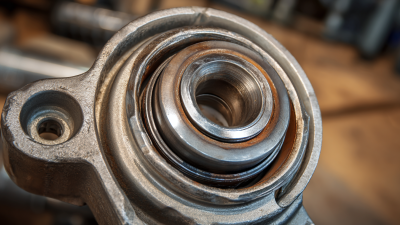
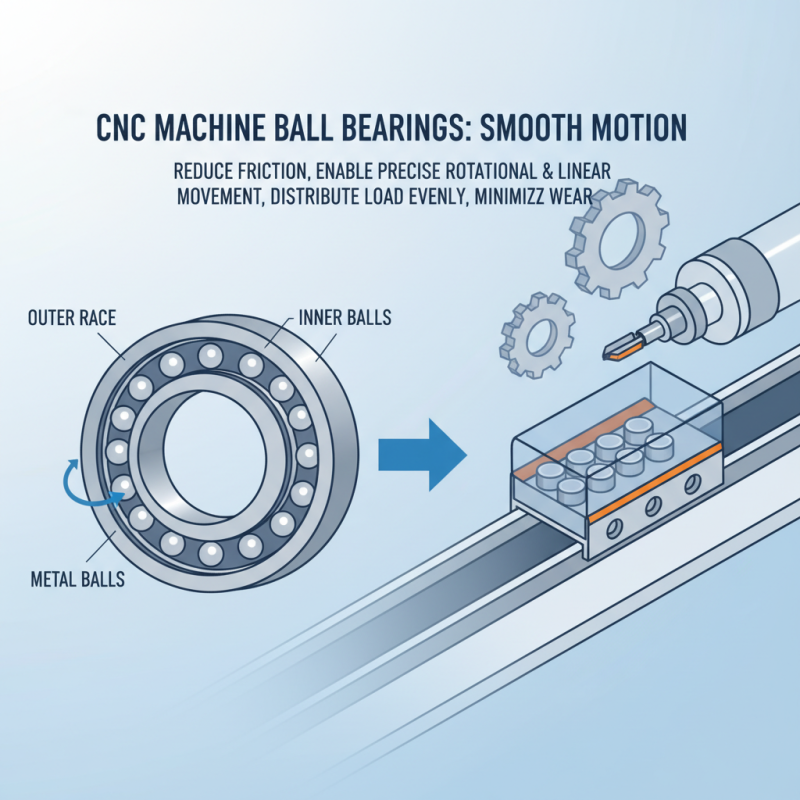
Ball bearings play a crucial role in the functionality of a CNC machine, enabling smooth and efficient movement of various components. At their core, ball bearings consist of a series of metal balls housed between two rings known as races. This design allows for reduced friction, facilitating the rotational and linear movements essential in CNC machining processes. When the bearings rotate, the balls distribute the load evenly, which minimizes wear and tear on the machine's parts.
The working principle of ball bearings relies on the rolling motion of the balls within the races. Unlike sliding bearings, which create friction between surfaces, ball bearings enable a smoother interaction by rolling, thus significantly decreasing resistance. As the CNC machine operates, the motors produce torque that propels the spindle or table movement, supported by the ball bearings' ability to handle both radial and axial loads. This capability not only enhances efficiency but also extends the lifespan of the machine by reducing the overall heat generated during operations.
Advantages of Using Ball Bearings in CNC Machines
Ball bearings play a crucial role in the operation of CNC (Computer Numerical Control) machines, significantly enhancing their efficiency and performance. One of the primary advantages of using ball bearings in CNC machines is the reduction of friction. By providing smooth motion between moving parts, ball bearings minimize resistance, allowing the machine to operate more efficiently. This translates into faster cutting speeds and improved precision during machining processes, which is essential for achieving high-quality results in manufacturing.
Another significant benefit of ball bearings is their ability to handle radial and axial loads effectively. CNC machines often encounter various forces during operation, and the integration of ball bearings ensures that these forces are evenly distributed. This not only prolongs the lifespan of the machine's components but also reduces wear and tear, leading to lower maintenance costs over time. Furthermore, the reliability offered by ball bearings contributes to enhanced stability in machining operations, ensuring that the final products meet stringent tolerances and specifications.
Common Applications of Ball Bearing CNC Machines
Ball bearing CNC machines are integral to modern manufacturing, as they provide precision and efficiency in various applications. These machines leverage the low-friction properties of ball bearings to support smooth and accurate movement of machining tools, allowing for high-speed operations and intricate designs. According to a report by MarketsandMarkets, the CNC machine market is projected to reach USD 100 billion by 2026, driven significantly by the demand for improved operational speed and precision, particularly in industries such as automotive and aerospace.
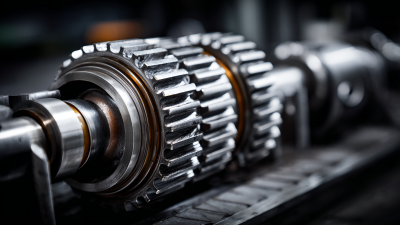
In the automotive sector, ball bearing CNC machines play a crucial role in manufacturing components such as engine parts, transmission systems, and precision gears. The heightened accuracy offered by these machines can lead to a reduction in waste and increased production yields. Additionally, the aerospace industry utilizes ball bearing CNC equipment for crafting critical components where tolerance levels are exceptionally tight. A survey by the International Journal of Advanced Manufacturing Technology indicates that implementing advanced CNC technologies, including those utilizing ball bearings, can improve production efficiency by up to 30%. This highlights the importance of these machines in maintaining competitive advantage in high-stakes industries.
Maintenance Tips for Ball Bearing CNC Machines
When it comes to maintaining ball bearing CNC machines, regular upkeep is essential for optimal performance and longevity. First and foremost, operators should perform routine inspections to check for any signs of wear or damage on the bearings. This includes looking for unusual noises during operation, which can indicate misalignment or excessive friction. Addressing these issues promptly can prevent more significant problems in the future and ensure smooth operation.
Another critical aspect of maintenance is lubrication. Ensuring that the ball bearings are adequately lubricated is vital to reduce friction and wear. It is recommended to use high-quality lubricants specifically designed for CNC applications. Operators should establish a regular lubrication schedule based on their machine's operation hours and environmental conditions. Consistent lubrication not only extends the life of the bearings but also enhances overall machine performance.
Lastly, keeping the CNC machine clean from debris and contaminants is crucial. Dust and metal shavings can accumulate and negatively impact the bearings and other components. Regularly cleaning the machine and surrounding area will help maintain a safe and efficient working environment. Implementing these maintenance tips can significantly enhance the longevity and reliability of ball bearing CNC machines, ensuring they operate at peak efficiency.
What is a Ball Bearing CNC Machine and How Does It Work? - Maintenance Tips for Ball Bearing CNC Machines
| Feature | Description | Maintenance Tips |
| High Precision | Ball bearing CNC machines provide high accuracy in machining components. | Regularly calibrate the machine to maintain precision. |
| Durability | Designed to withstand heavy loads and high speeds. | Check bearings for wear and replace them as necessary. |
| Versatility | Can be used for various materials like metal, wood, and plastics. | Adapt tooling based on the material being machined. |
| Ease of Use | User-friendly interfaces for programming and operation. | Provide ongoing training for operators to enhance efficiency. |
| Cost-Effectiveness | Reduce manufacturing costs by increasing production speed. | Perform regular maintenance to avoid costly breakdowns. |
Future Trends in Ball Bearing CNC Technology
As the manufacturing landscape evolves, ball bearing CNC technology is poised for significant advancements. One of the most notable trends is the integration of smart technology into CNC machines, leveraging the Internet of Things (IoT). This connectivity allows for real-time monitoring and predictive maintenance, which minimizes downtime and enhances operational efficiency. With sensors embedded in the machines, manufacturers can gather crucial data on performance and wear patterns, leading to smarter decision-making and improved production outcomes.
Another key trend is the growing emphasis on sustainability within the ball bearing CNC sector. Manufacturers are increasingly seeking environmentally friendly materials and processes to reduce their carbon footprint. This shift includes the exploration of alternative lubricants, energy-efficient motors, and recycling practices for used components. By focusing on sustainability, companies not only comply with regulations but also appeal to a market that values eco-consciousness, driving innovation in design and manufacturing practices.
Furthermore, advancements in materials science are paving the way for the development of superior ball bearings that can withstand higher loads and operating temperatures. These new materials enhance the performance capability of CNC machines, allowing them to handle more complex tasks with precision. As the demand for high-performance and lightweight machinery continues to rise, the evolution of ball bearing technology will be crucial in meeting industry needs and driving future manufacturing trends.
FAQS
: A ball bearing CNC machine is a sophisticated tool that uses ball bearings to reduce friction and increase precision in machining processes, essential for industries like aerospace, automotive, and manufacturing.
It operates through a series of rotating shafts and precision-engineered bearings that allow the moving parts to spin freely while maintaining stability, which minimizes wear and enhances the machine's lifespan.
Ball bearings enable smoother movements of machine components, leading to higher accuracy during operations and improved operational speed, which is crucial for intricate designs.
These machines can handle a variety of materials, including metals and plastics, making them versatile tools for multiple industrial applications.
Consider the specific tasks you need to accomplish, ensure the machine's specifications match the materials, and prioritize regular maintenance, including checking and cleaning the bearings for optimal performance.
They are commonly used in the automotive and aerospace sectors for manufacturing components like engine parts, precision gears, and critical aerospace components.
The precision and efficiency of these machines can lead to a reduction in waste and an increase in production yields, making them valuable in competitive manufacturing environments.
Regular maintenance, including checking and cleaning bearings, as well as using quality lubricants, is crucial for ensuring longevity and optimal machine performance.
The CNC machine market is projected to reach USD 100 billion by 2026, driven by the demand for improved operational speed and precision in manufacturing processes.
Conclusion
A Ball Bearing CNC Machine is a sophisticated piece of equipment that utilizes ball bearings to enhance precision and efficiency in machining processes. Key components of these machines include the spindle, ball screw, linear guides, and the CNC controller, all of which work together to facilitate accurate movements. The working principle of ball bearings allows for reduced friction, leading to smoother operation and increased durability.
The advantages of using a Ball Bearing CNC Machine are significant, as they provide improved speed, higher payload capacities, and reduced wear over time. Common applications range from automotive to aerospace industries, where precision is critical. To maintain optimal performance, regular servicing and lubrication are essential. Looking to the future, advancements in ball bearing technology promise even greater efficiencies and capabilities, solidifying the role of Ball Bearing CNC Machines in modern manufacturing.